The reviews for Sunrise Manor Nursing and Rehabilitation describe a facility with a strongly polarized reputation: many families and visitors praise the compassion and commitment of direct care staff and the effectiveness of the rehabilitation team, while other accounts raise substantive operational and safety concerns. Positive comments frequently highlight attentive nurses and aides, effective physical and occupational therapy, active social and spiritual programming, a welcoming dining environment, and portions of the building that have been recently renovated or well maintained.
Care quality appears inconsistent. Several notes emphasize high‑quality, individualized care and that therapy services are helpful and proactive; conversely, other accounts describe delayed responses to call lights, gaps in bathing and incontinence assistance, missed meals or dietary‑safety lapses, and concerns about medication timing and control. There are also recurring mentions of fall events and limited clinical follow‑up afterward, suggesting gaps in fall‑prevention practices and post‑fall assessment or imaging in some cases.
Staffing and staff conduct are salient themes. Many reviewers single out specific nurses, aides, and administrators for positive attention, and some families report smooth admissions and strong hands‑on care. At the same time, multiple comments point to inconsistent staffing levels, use of agency personnel, and variable professional conduct — including concerns about tone, privacy, and boundaries. Dementia care training and programming also emerge as an area of weakness for residents with cognitive impairment, where families felt specialized skills were lacking.
Dining and activities receive mixed feedback. Several reviewers praise an elegant dining room, improving food quality, and regular social programming (including music and religious services). However, other accounts mention missed meals, incorrect meal handling, and dietary safety errors. Activity offerings appear meaningful for many residents, but families of residents needing higher‑support or dementia‑specific engagement reported limited programming alignment with those needs.
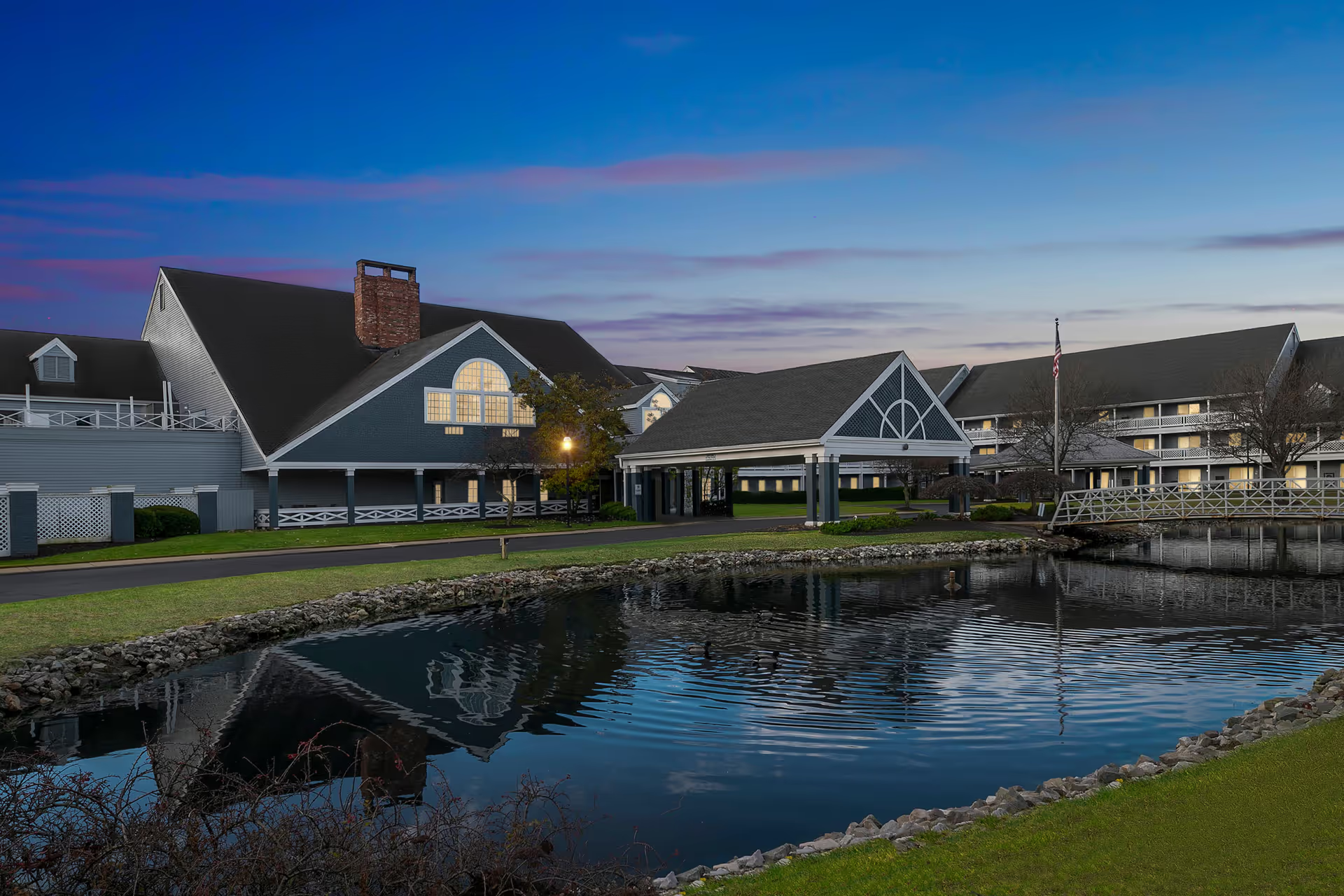
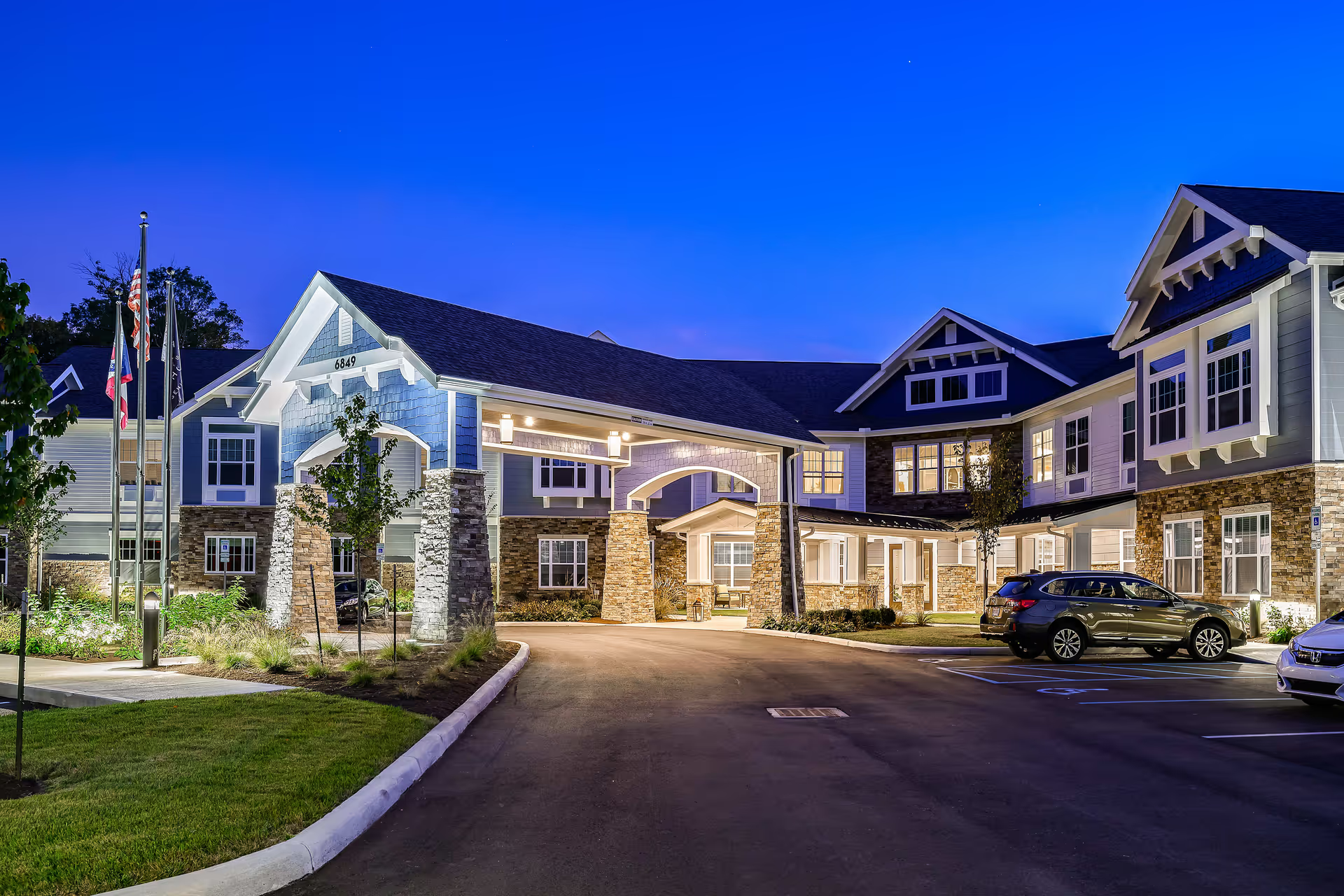
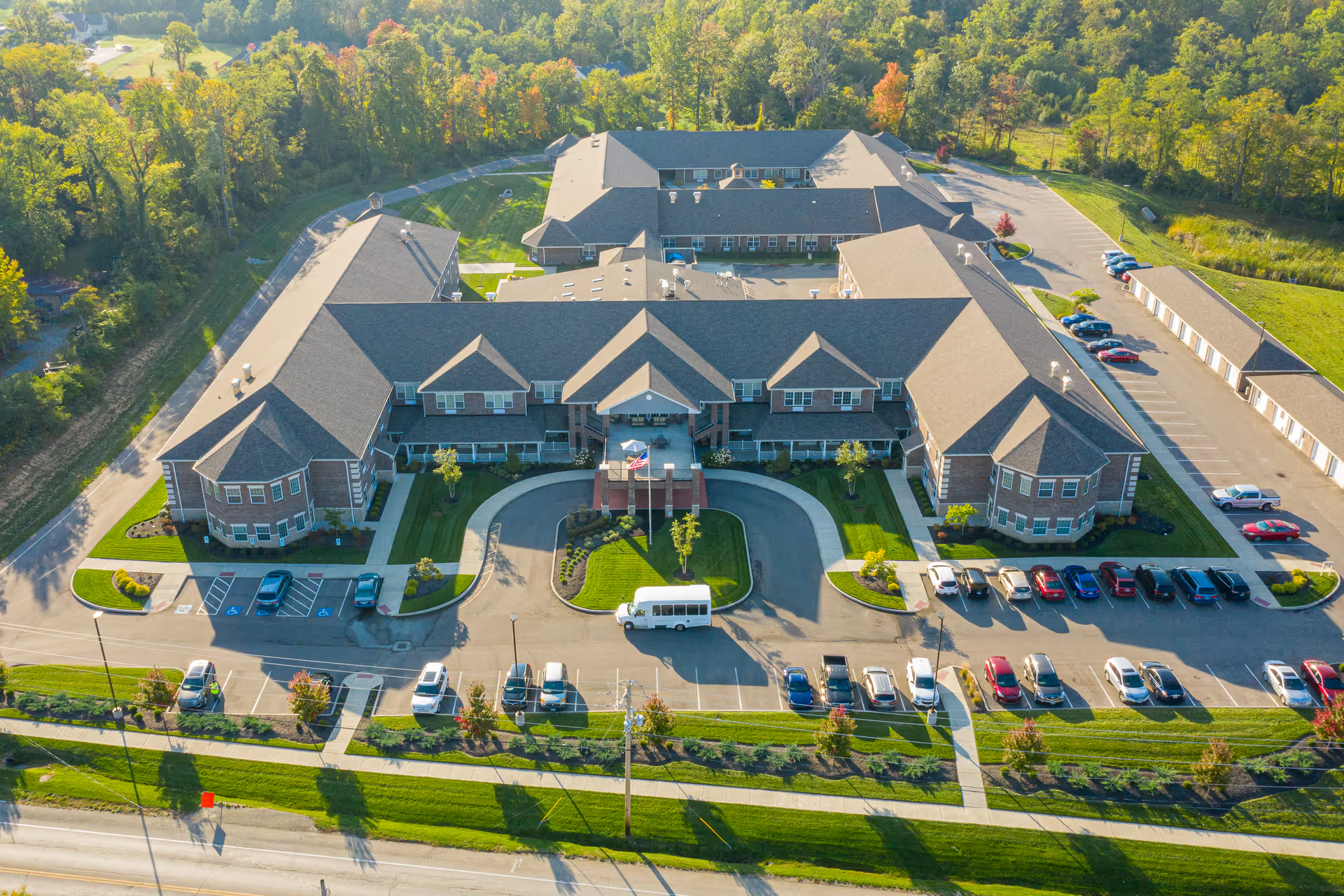
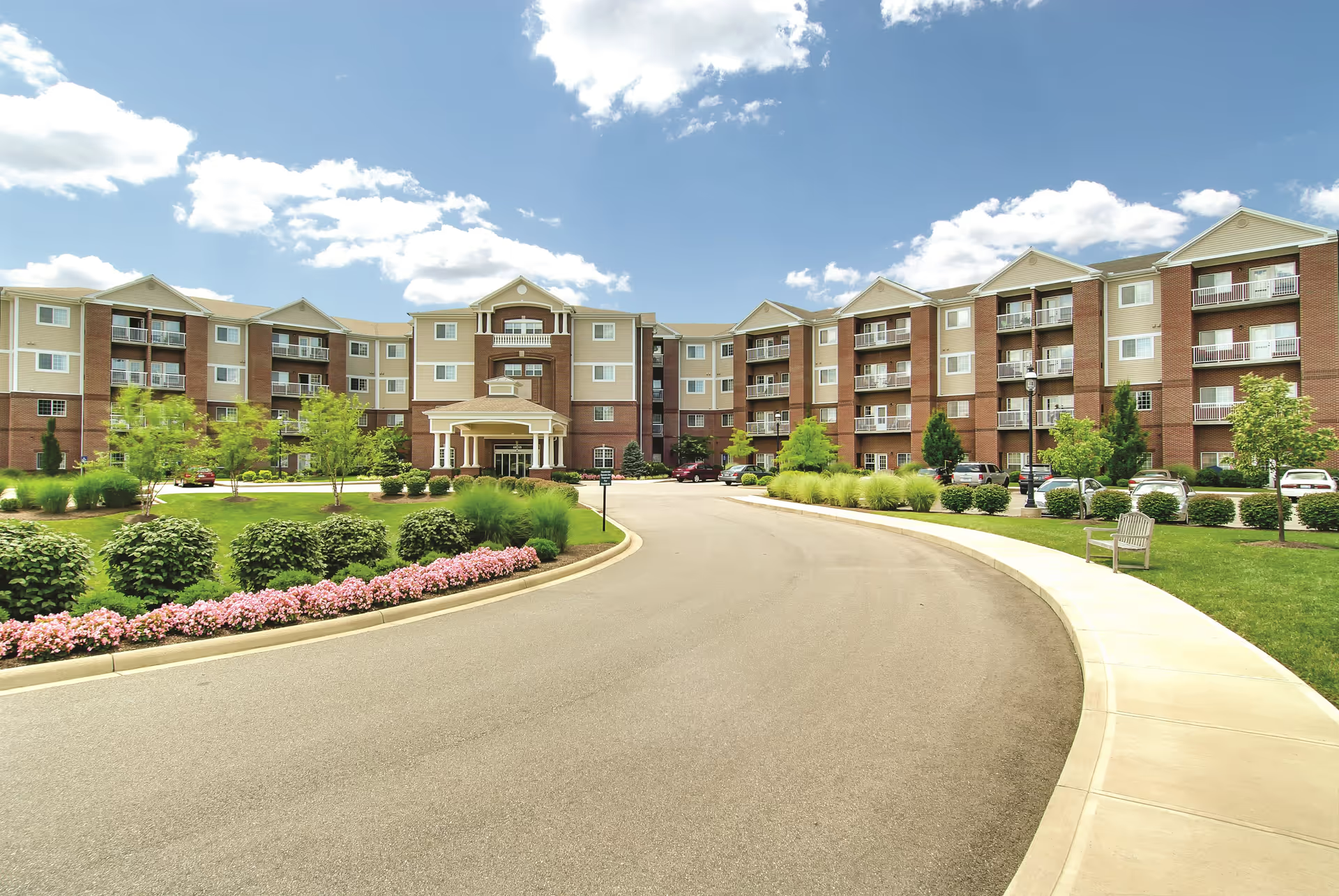
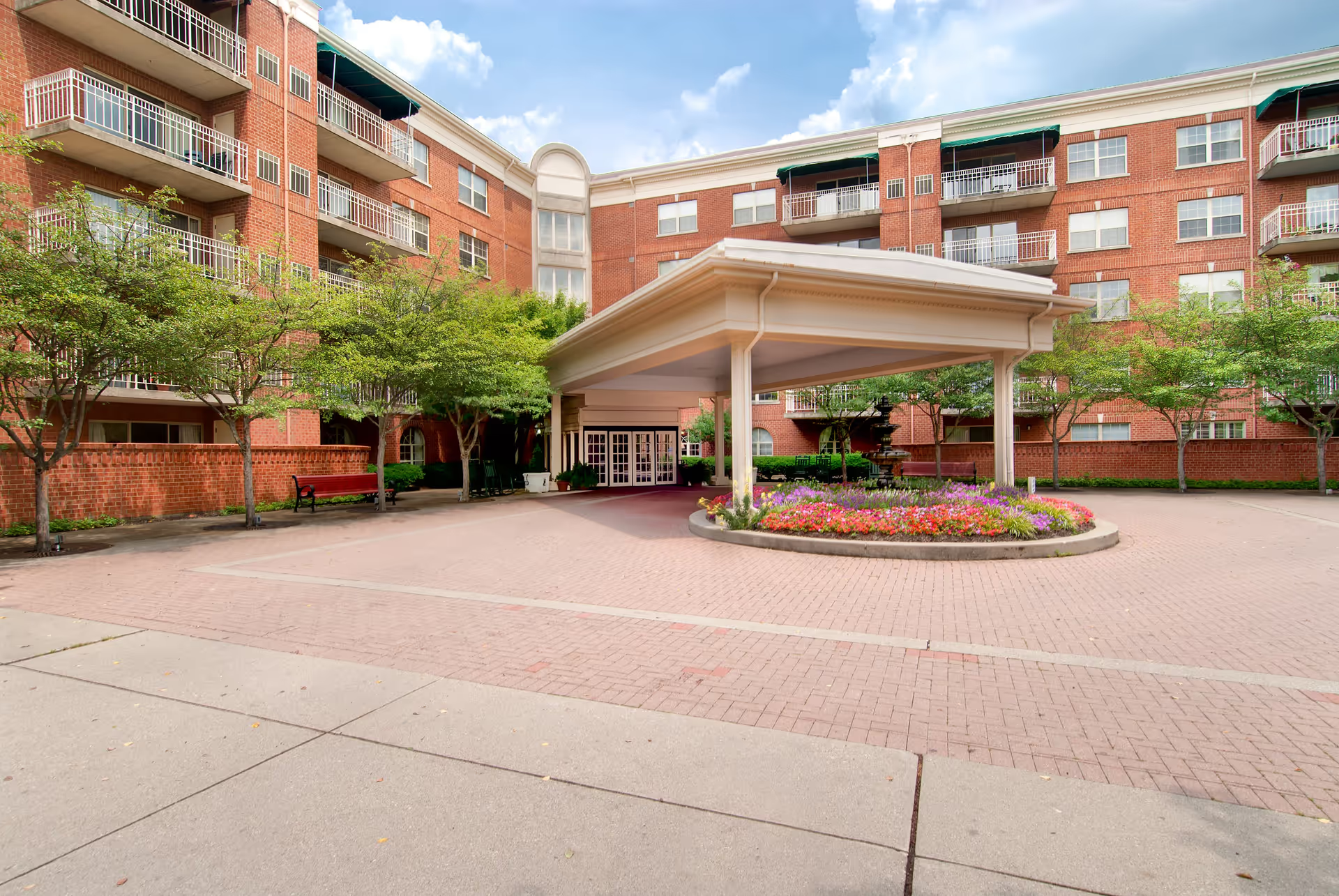
Facility condition and infection‑control/cleanliness perceptions vary across reviews. Many visitors describe clean, renovated common spaces and comfortable rooms; others describe dated or cramped rooms and odor concerns in certain areas. Ongoing remodeling is noted and appears to be changing the environment in places, but physical condition is uneven across the campus.
Management, communication, and administration show mixed performance. Several reviewers commend particular administrators for responsiveness and compassion, while others report poor phone responsiveness, difficulty resolving billing issues, and inadequate communication after incidents. Allegations of missing personal belongings and staff‑related theft are present in the feedback and warrant careful review by families and regulators. Financial and documentation processes — including billing and medication documentation — were called out as areas needing improvement.
Overall, Sunrise Manor presents as a facility where individual staff members and therapy programs can deliver excellent outcomes, but where operational variability creates risk. Prospective residents and families should weigh the positive testimonials about staff compassion and rehabilitation against the documented operational weaknesses: inconsistent staffing, communication gaps, medication and meal‑management concerns, and limited dementia‑specific training. A recommended next step for families considering this facility is a focused tour that includes: direct observation of care routines and mealtime service, questions about staffing patterns and agency use, review of medication‑administration safeguards and fall‑prevention protocols, and discussions with administration about how renovations and recent management changes have addressed prior concerns.