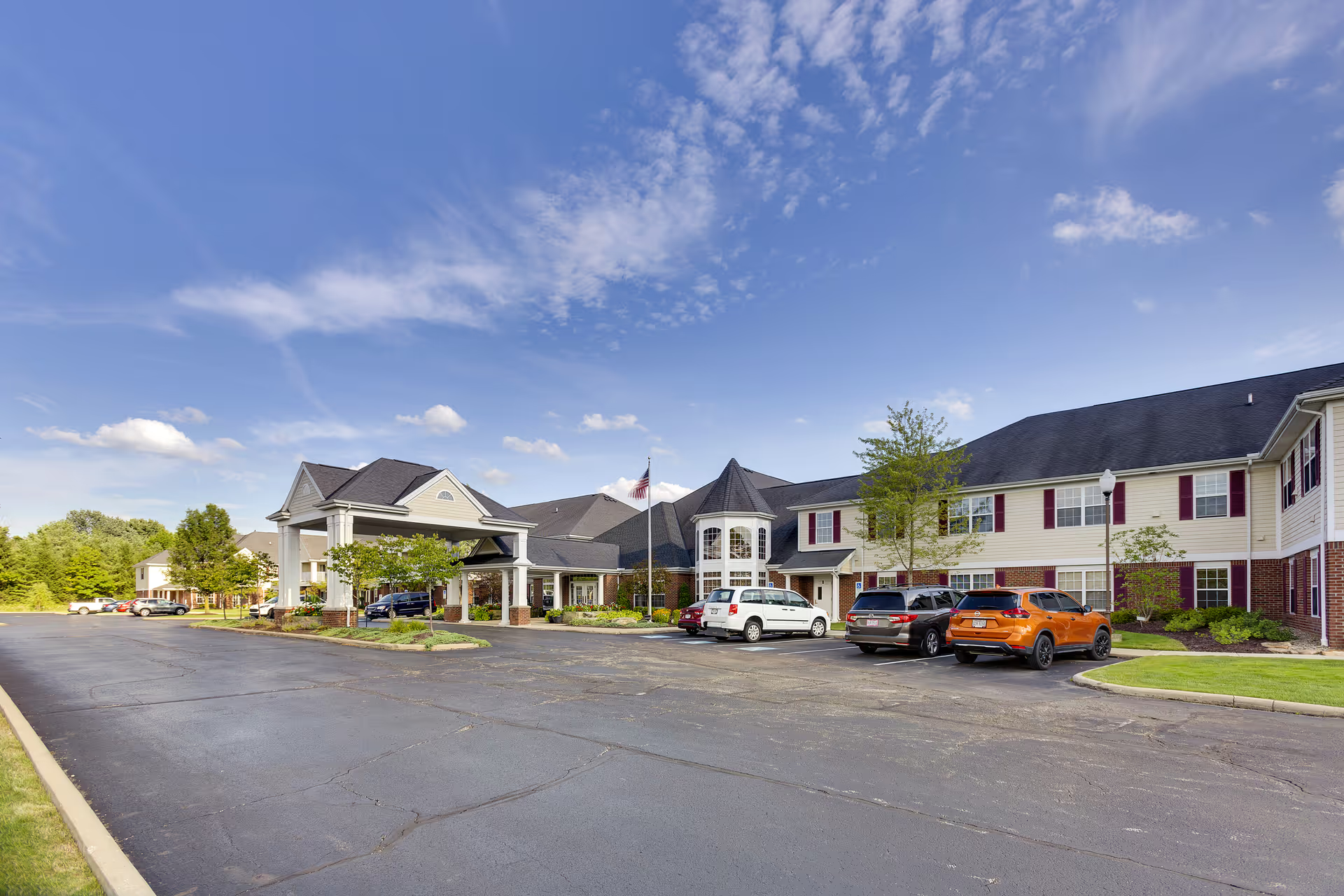
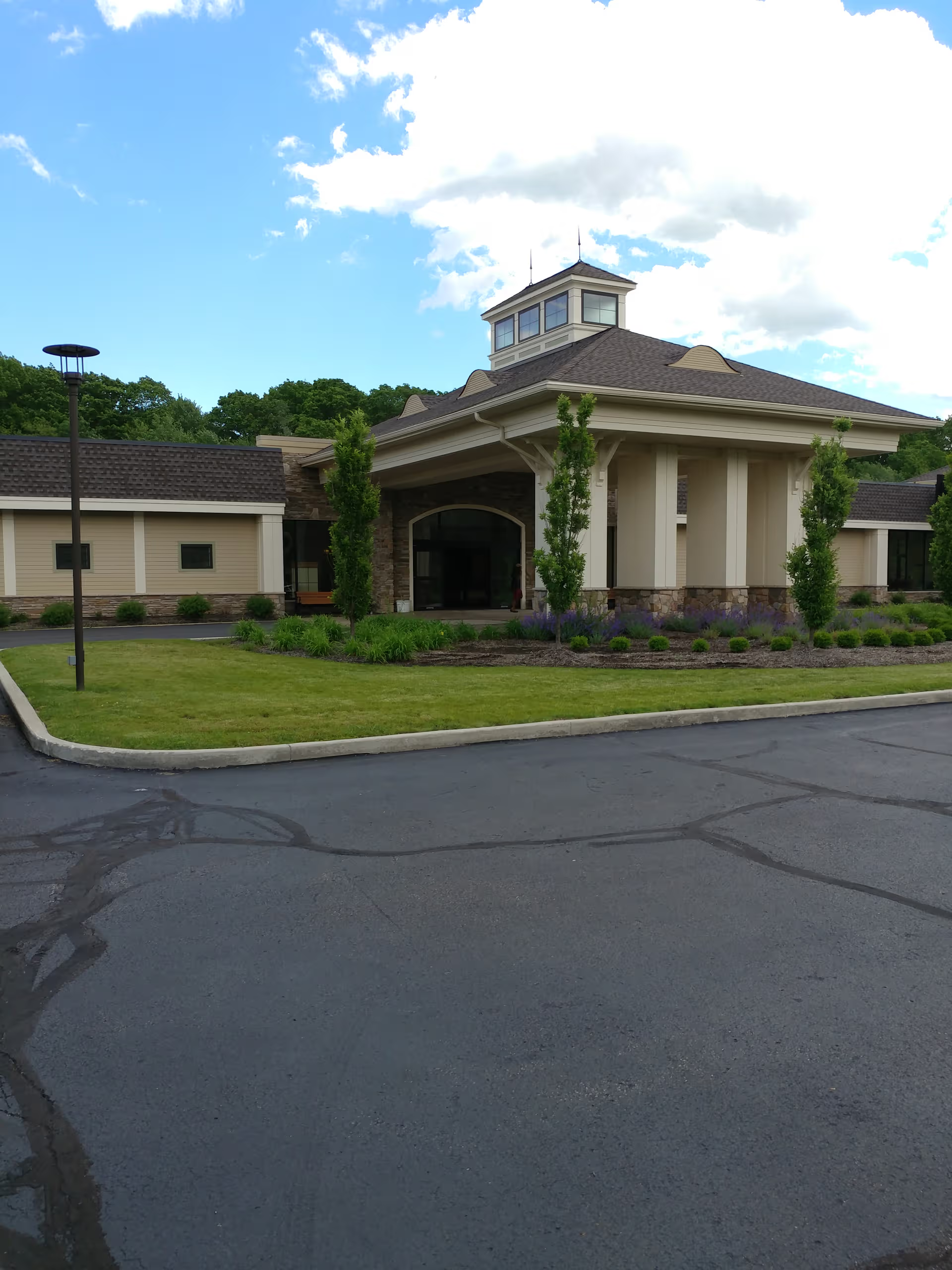
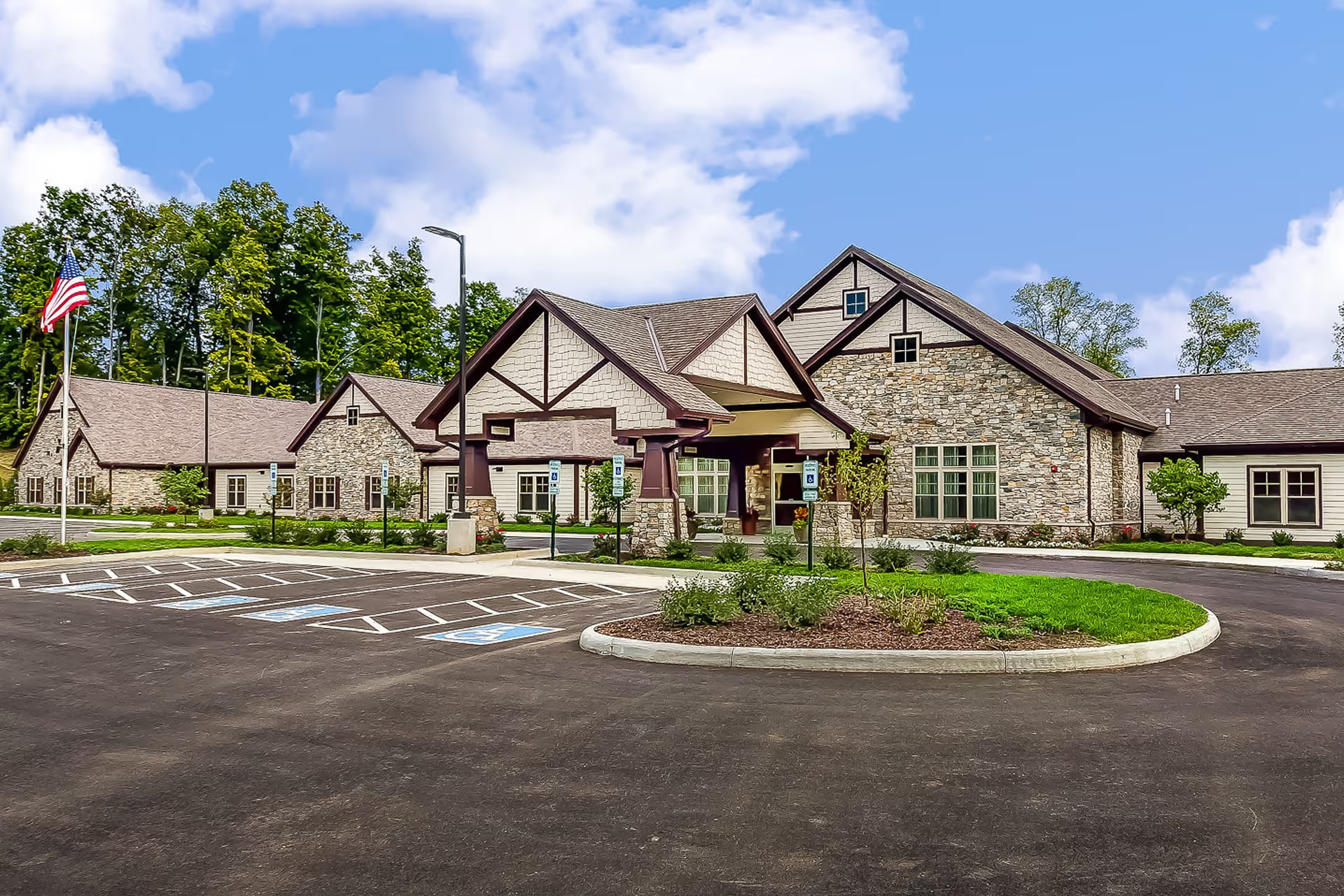
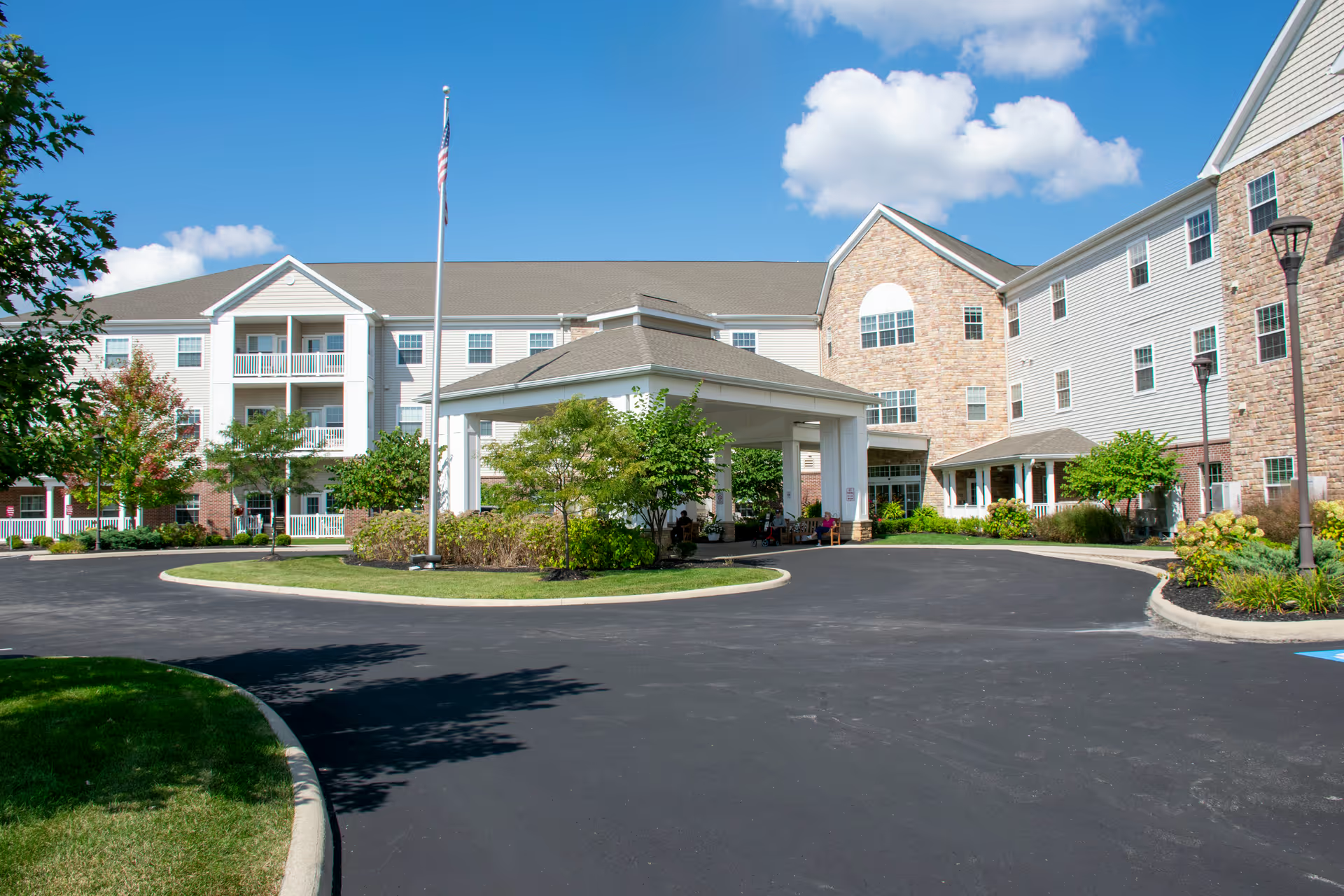
Reviews present a strongly mixed picture of Avenue at Aurora Care and Rehabilitation Center. Many families and patients describe a facility with an attractive, modern interior, private rooms, wide hallways and active social programming. Therapy services (physical and occupational therapy) and certain nursing staff receive consistent praise for producing measurable rehabilitation gains. Several named nurses, aides, therapists, social workers and administrative staff were commended for compassion, responsiveness and effective care coordination. Activities programming, social dining, and a welcoming admissions experience were also highlighted as strengths.
Counterbalancing those positive accounts are recurrent operational and clinical concerns. Reviews describe variability in core nursing functions including clinical assessment, monitoring for infection or dehydration, and timely medication administration. Staffing levels and continuity emerge as a common theme: understaffing or turnover is associated with delayed responses to call lights, long waits for toileting or water assistance, inconsistent bathing and feeding support, and gaps in basic personal-care routines. Several accounts indicate problems with fall-prevention practices and inconsistent use of bed/mat alarms.
Dining and housekeeping quality appear inconsistent. While some families appreciated varied meals and social dining, others described missing or delayed meal trays and dissatisfaction with food quality. Housekeeping and sanitation were praised in part of the feedback but criticized elsewhere; concerns include inconsistent room maintenance, linen and clothing management, and pest-control issues. These mixed reports suggest variability across units or shifts rather than a uniform experience.
Communication and management performance are also polarized. Positive reports note responsive administration, clear admission/discharge handling, and effective outreach when staff are engaged. Negative reports cite delayed or incomplete family notifications, poor handoffs during transfers, problematic discharge coordination, and at least a few serious allegations including theft and financial misconduct that merit further investigation. There are also instances of failures in timely escalation (for example, delayed ambulance or antibiotic administration) and follow-up after adverse clinical events; one category of comments framed concerns following a resident's death.
In summary, Avenue at Aurora appears capable of providing high-quality rehabilitation and compassionate nursing care when staffing and management engagement are consistent. However, there are notable patterns of unevenness: clinical monitoring, responsiveness to basic needs, sanitation consistency, meal delivery, and communication with families may vary considerably by unit and shift. Prospective residents and families should weigh the facility's clear strengths in therapy and several exemplary caregivers against the documented operational weaknesses. Practical steps before admission could include asking about current staffing ratios and turnover, observing care during multiple shifts, reviewing infection-control practices, clarifying discharge and transfer procedures, and confirming how the facility documents and communicates clinical changes to families.