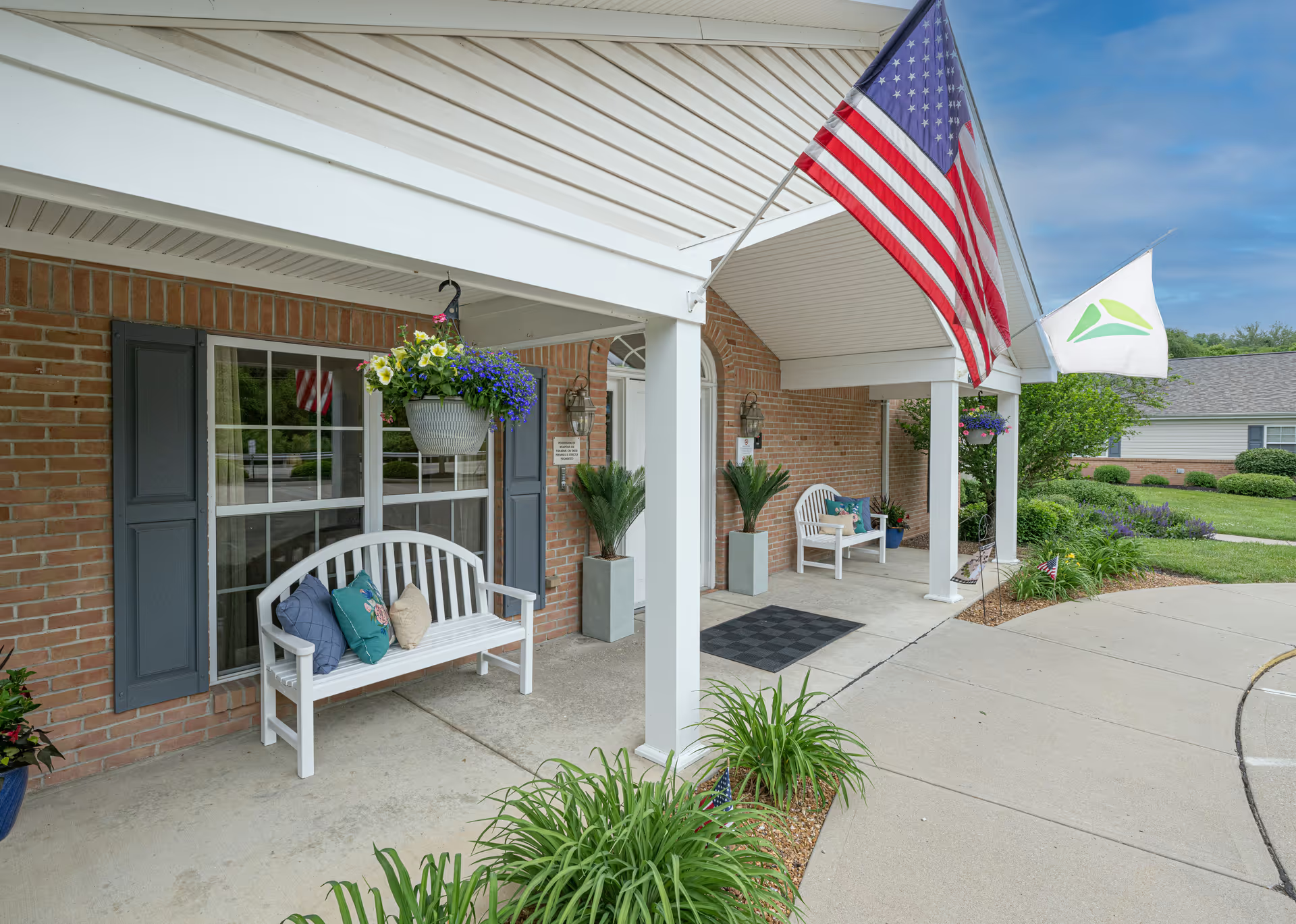
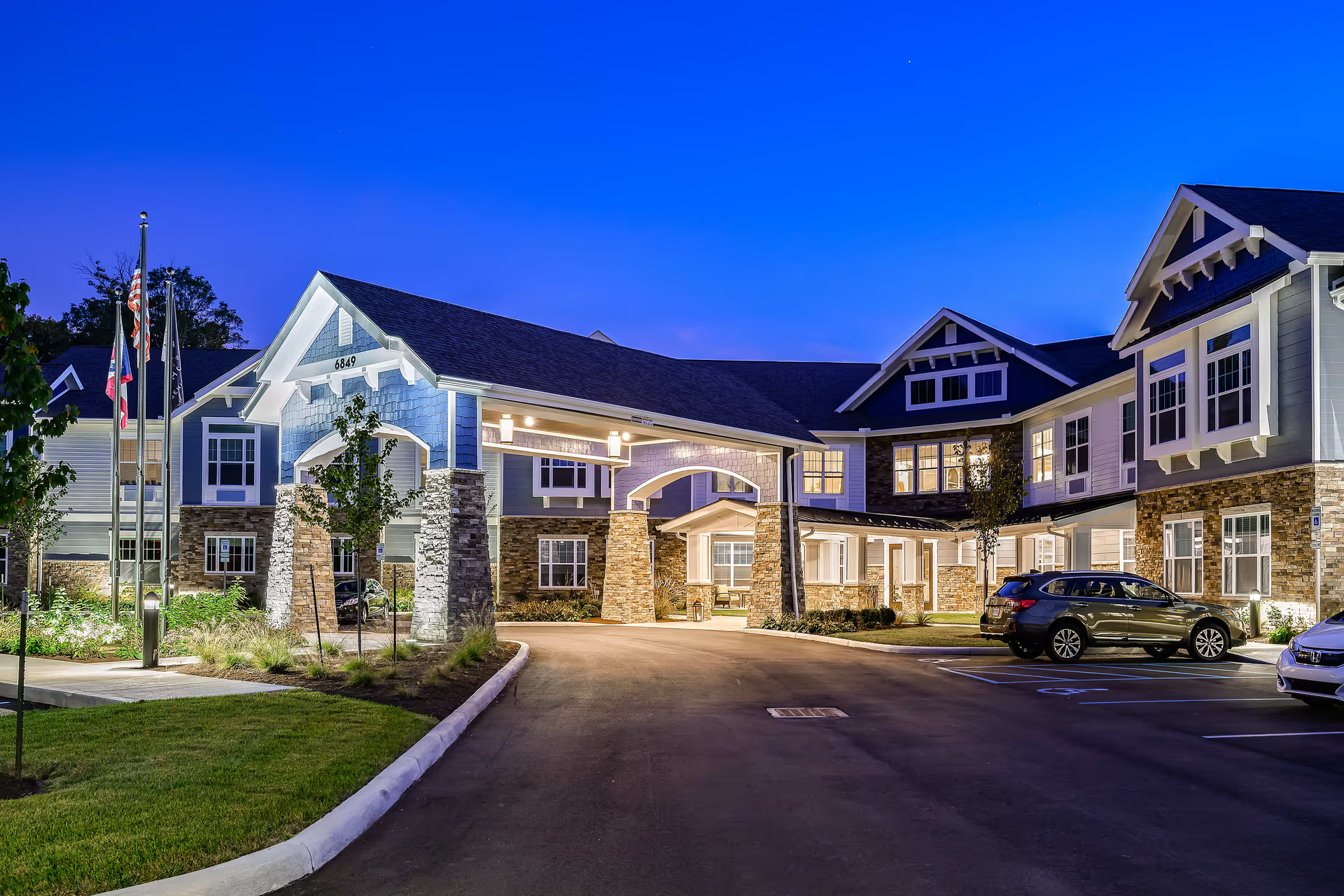
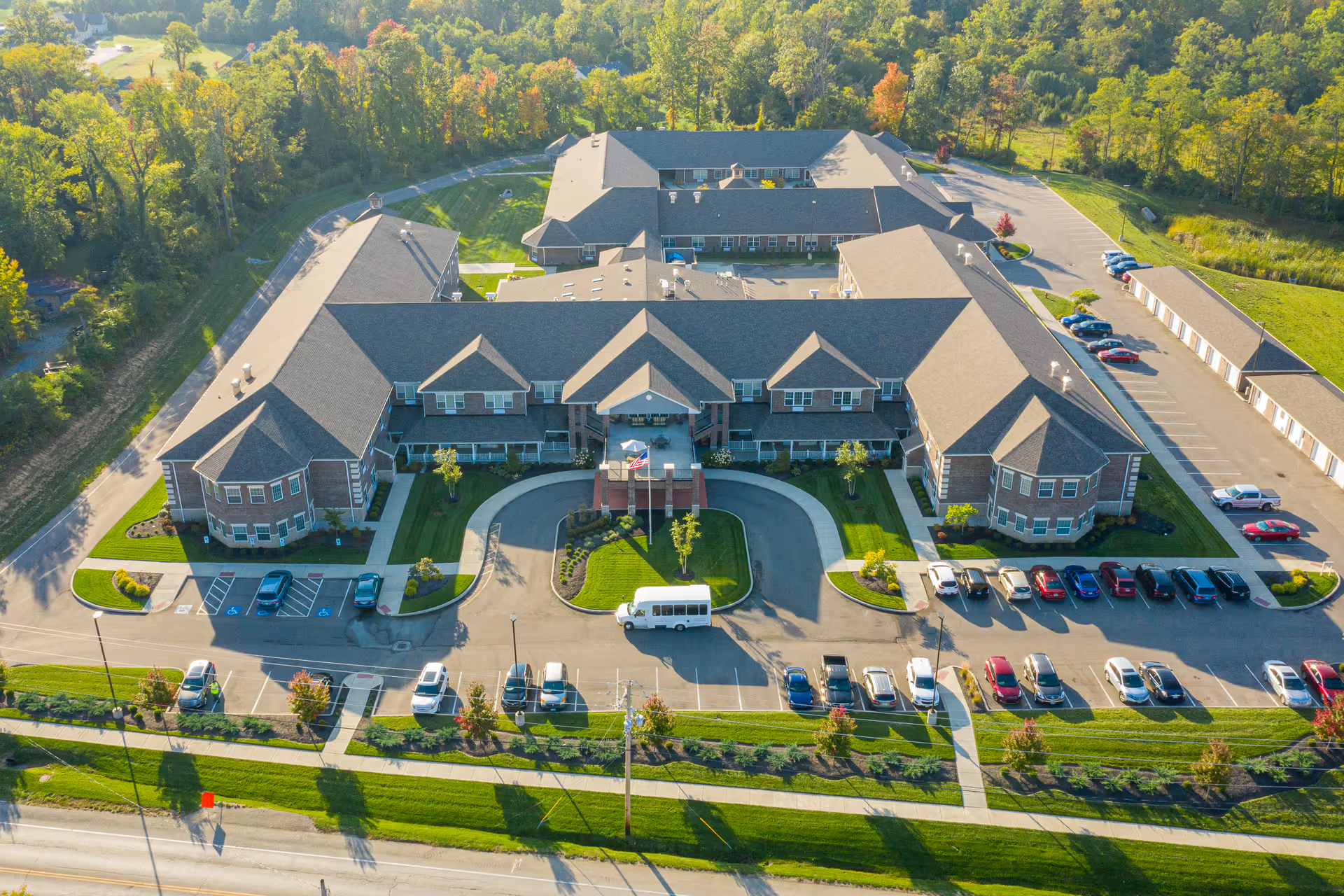
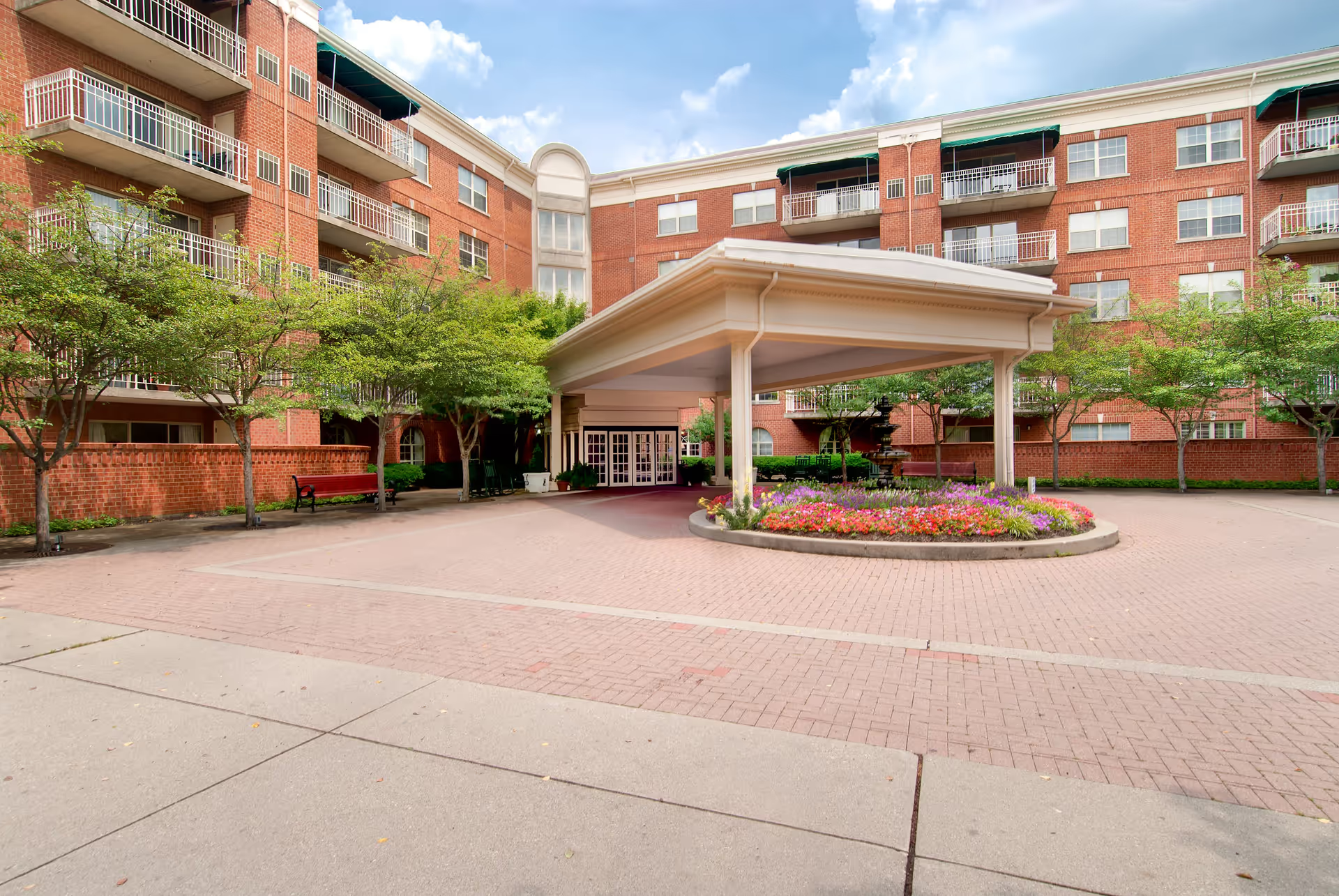
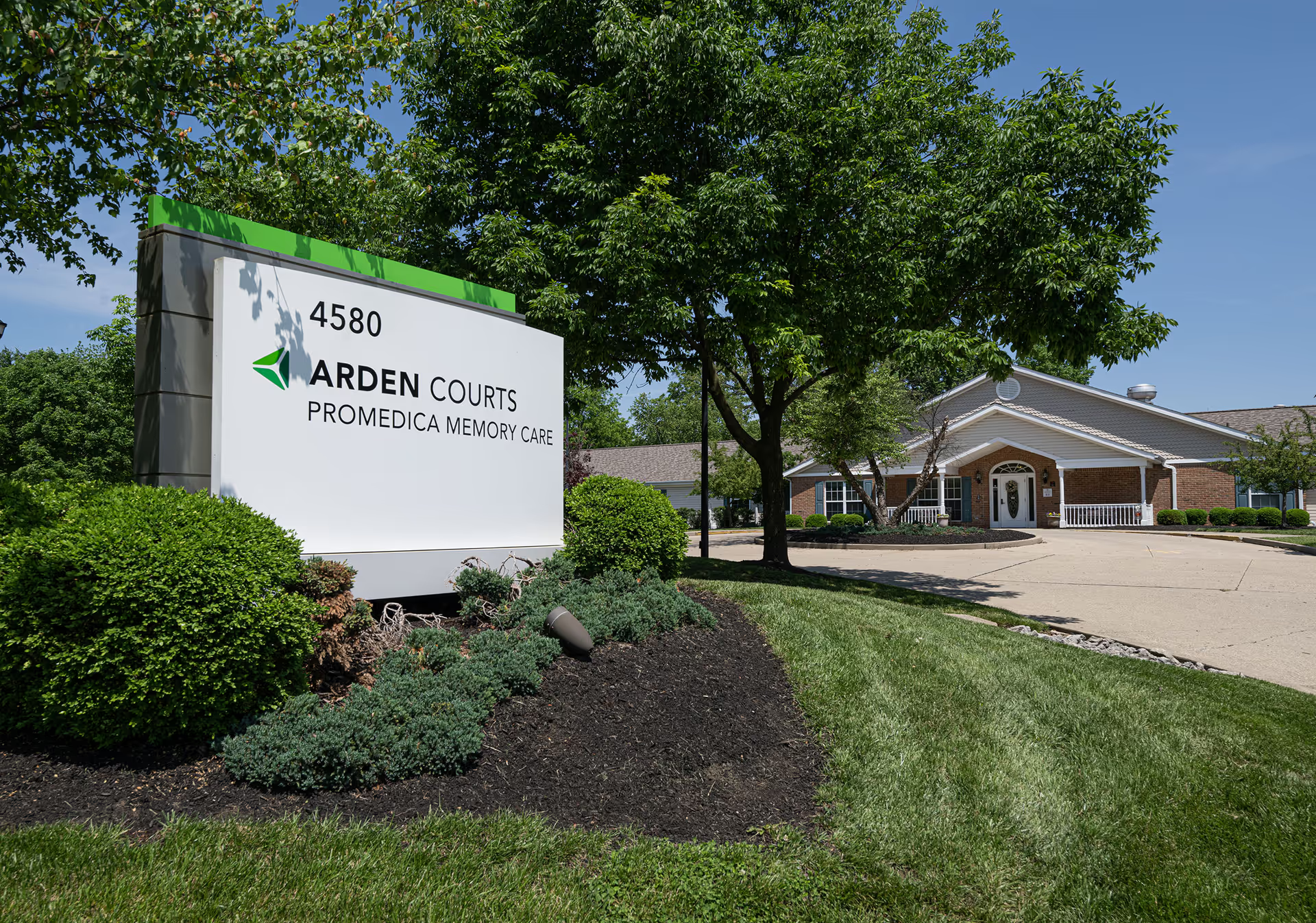
Otterbein Union Township SeniorLife Neighborhood receives frequent praise for its person-centered, small-house model and for staff who present as compassionate and relationship-oriented. Reviewers commonly describe aides and therapy teams as attentive, respectful and capable; therapists are repeatedly noted for individualized, progress-focused plans and clear coaching for home routines. The facility’s dining program and kitchen are often highlighted as strengths—meals described as cooked on-site, appealing, and served in a family-style environment. Housekeeping and common-area maintenance are typically characterized as clean and uncluttered, and the neighborhood design, private suites, and ministry-oriented culture are seen as comforting by many families and residents.
At the same time, a number of operational weaknesses appear across reviews and warrant attention. Several accounts point to inconsistent nursing responsiveness and punctuality, and there are recurring concerns framed as gaps in medication-management controls and clinical handoffs. Reviewers also describe shortcomings in transition training and transfer procedures, which can affect continuity of care when residents move between settings. Communication and transparency with families about clinical events, billing and transport charges, and follow-up care are other recurrent themes; some families experienced difficulty getting timely phone responses or clear explanations of charges.
Management and administrative patterns are mixed. Positive comments note proactive social-work and concierge support, effective discharge planning, and staff who go above and beyond. Conversely, some reviewers describe inconsistent leadership follow-through, slow administrative responsiveness to serious concerns, and indications of staff burnout or scheduling instability. A small number of reviews described serious clinical incidents that prompted family-initiated regulatory complaints; these reports underscore the importance of confirming current quality metrics, oversight practices, and incident-response protocols directly with the facility.
For prospective residents and families, the facility’s strengths lie in its rehabilitative services, skilled therapy staff, homelike environment, and strong interpersonal bonds between caregivers and residents. Important areas to evaluate in person include medication-safety procedures, nursing staffing patterns and on-call coverage, mechanisms for family communication during clinical events, and clarity on billing and transport policies. Touring the neighborhood houses, meeting therapy staff and nursing leadership, and asking for examples of recent quality-improvement actions will help families weigh the facility’s evident strengths against the operational concerns noted in reviews.