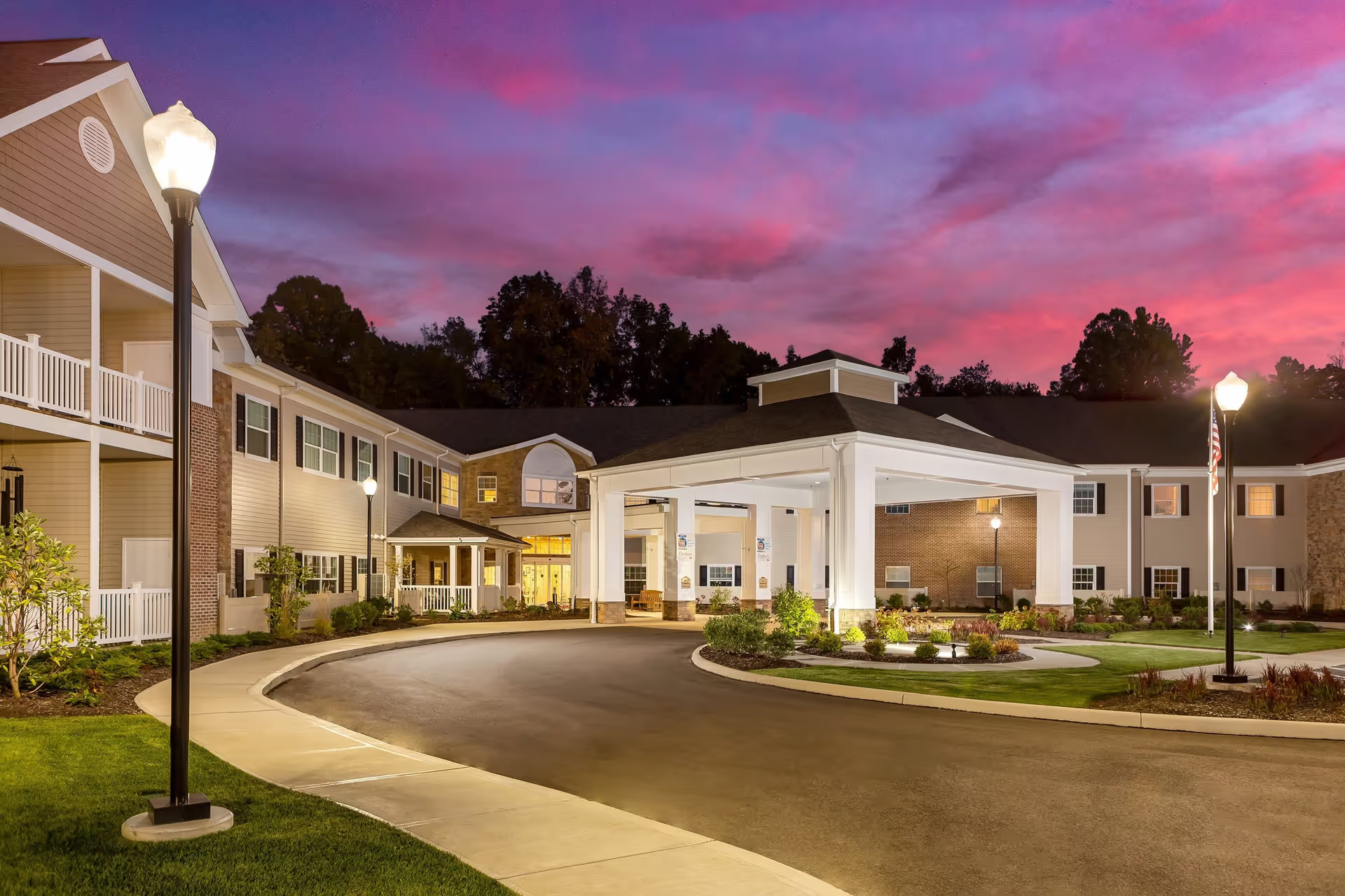
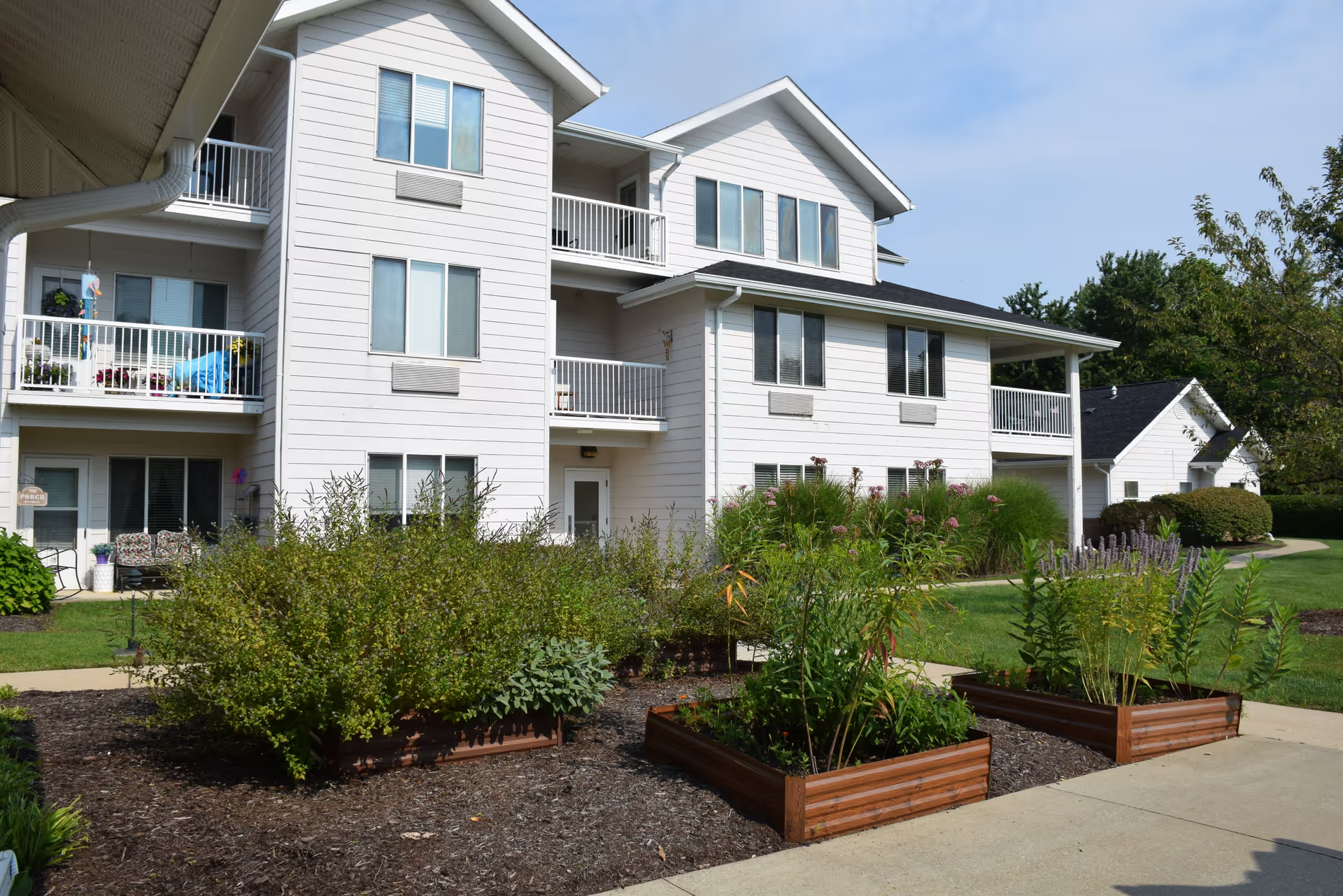
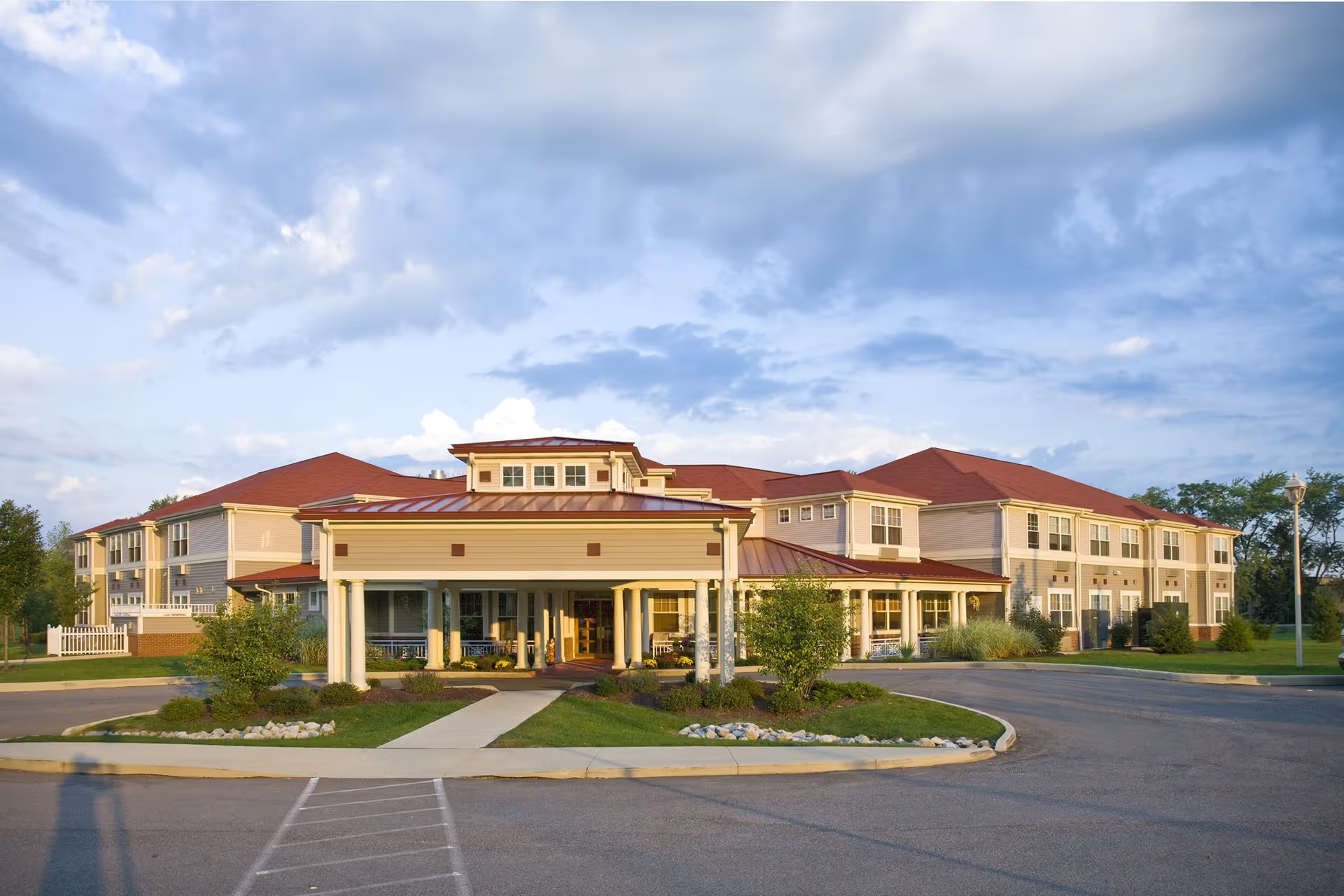
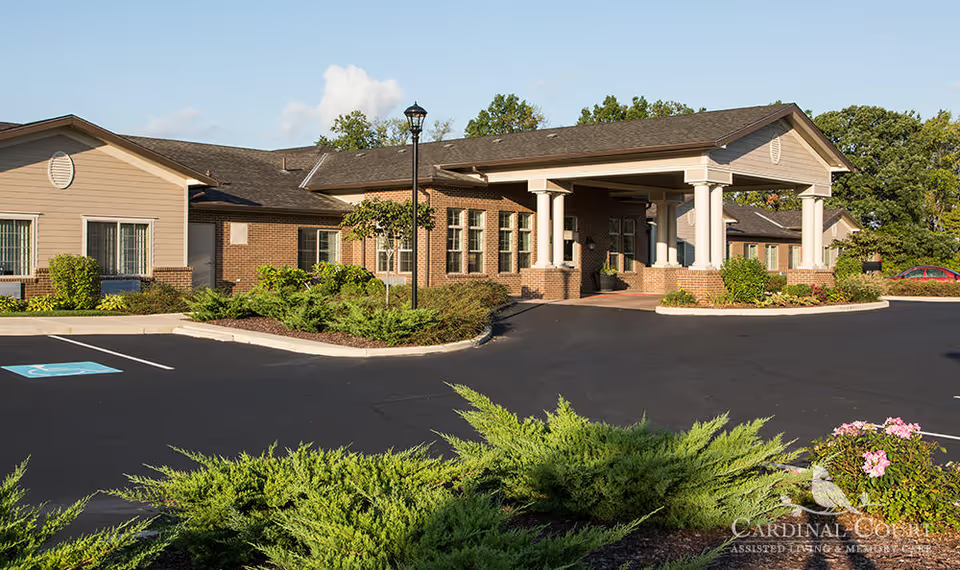
CareCore at Willowood elicits strongly mixed but specific impressions: many families praise the clinical rehabilitation services, hands-on nursing and aide teams, and an active social-work program that facilitates communication and care coordination. Therapy (including seven-day rehab), wound care, and in-house medical support are recurrent strengths; several families described observable functional improvement and effective discharge planning. The facility offers multiple dining options, on-site amenities such as a beauty shop and laundry, regular activities and outings, and an outdoor path—features that contribute to quality-of-life for residents.
At the same time, reviews reveal consistent operational concerns that prospective residents and families should evaluate directly. The building is frequently described as dated and in need of cosmetic upgrades; in a number of accounts there are sanitation and odor concerns in specific areas. Staffing is uneven: while many staff are characterized as compassionate and long-tenured, others are described as inattentive or brusque, and reviewers note staffing shortages, inconsistent teamwork, and perceptions of favoritism. These staffing patterns are linked in some reports to delays in clinical tasks such as vital-sign monitoring, medication administration, and timely response to call lights.
Administrative consistency is another recurring theme. Social-work and some frontline leaders are praised for active communication and family outreach, yet other families describe gaps in administrative follow-through, uneven communication from nursing leadership, and occasions when the director of nursing was not fully engaged. Safety practices also appear variable across reports: concerns include transfer and fall-prevention practices, after-hours responsiveness, and the facility’s stated capabilities for dementia/Alzheimer’s-specific care. A few reviews raise serious individual claims that families may wish to verify with the facility and, if appropriate, with regulatory channels.
Dining and activities are generally seen as positive contributors to resident life, with multiple menu choices, room-service options, and regular programming (bingo, socials, outings, holiday events). Food quality and meal-service consistency, however, are described as uneven across accounts. Many families value the personal touches—photo/video updates from staff, warm reception from front-desk personnel, and community-oriented programming—but others advise that these positives coexist with operational weaknesses that can affect clinical oversight and day-to-day responsiveness.
Given the polarized feedback, a focused, in-person evaluation is recommended. Key questions to ask on a tour include: current staffing ratios on day and night shifts, fall-prevention and transfer protocols, medication-administration and vital-sign monitoring processes, dementia-care program specifics and staff training, examples of administrative family communication, and how sanitation/odors are handled. Observing different shifts, speaking with the admissions social worker, and requesting references from recent families can help families weigh the facility’s strong clinical and social programming against the documented operational inconsistencies.