Overall impression: Reviews describe a facility with clear strengths in frontline caregiving and therapy alongside persistent operational and facility-level weaknesses. Many families and former residents highlighted compassionate, courteous nursing and STNA staff and praised the physical and occupational therapy teams for measurable gains in mobility and independence. Multiple accounts also commend end-of-life care delivered with attention to comfort and dignity, and note a welcoming, home-like atmosphere in some units.
Care and clinical reliability: Clinical quality appears mixed. Positive reports emphasize attentive, professional bedside care and timely escalation to higher-level medical services when staff recognize a change in condition. However, a recurring pattern concerns staffing levels and response times: reviewers describe limited clinical coverage on some shifts, delayed wound care and medication administration, and occasional episodes that required emergency transfer. There are also specific mentions of incontinence-care concerns and delays in attending to basic resident needs; these point to weaknesses in staffing allocation and workflow rather than isolated interpersonal issues alone.
Staff and family communication: Staff are frequently described as kind, engaging, and willing to work with families. Several accounts note staff who communicated clearly and involved families in care. At the same time, reviewers reported inconsistent communication from management, long hold times or unreachable phone lines, and slow or absent responses to family inquiries. These communication gaps extend to admission logistics and visitor access, where problems with entry codes, scheduling, and late sign-ins were described.
Dining, activities, and therapy: Therapy is a consistent strength in many narratives: well-trained PT/OT staff, progressive therapy plans, and successful discharge outcomes appear regularly. Activities and social programming are described as engaging in some areas, with parties and external-visitor events contributing positively to the resident experience. Dining impressions are mixed—some reviewers praised home-style meals, while others reported poor food quality and inconsistent meal service.
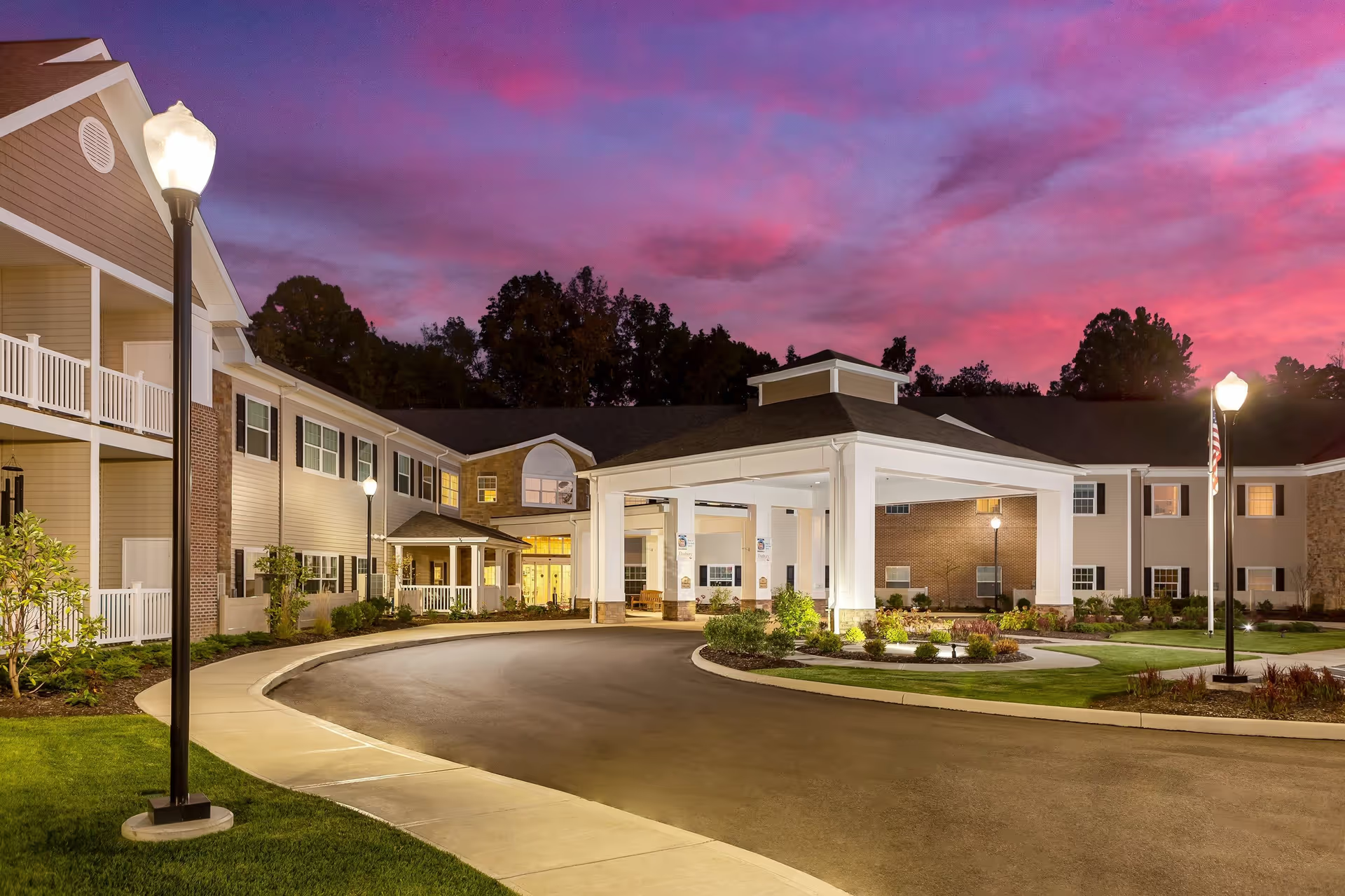
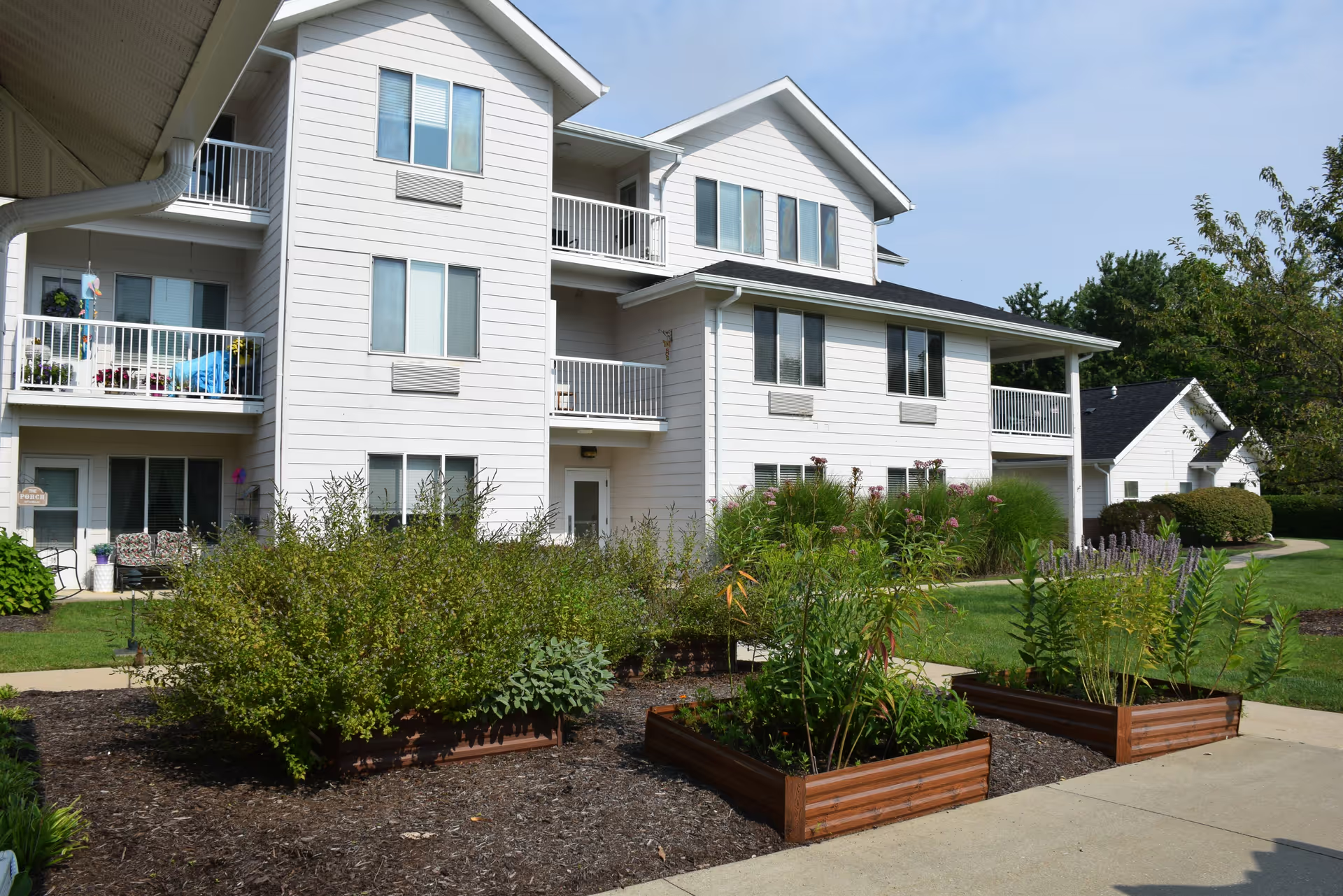
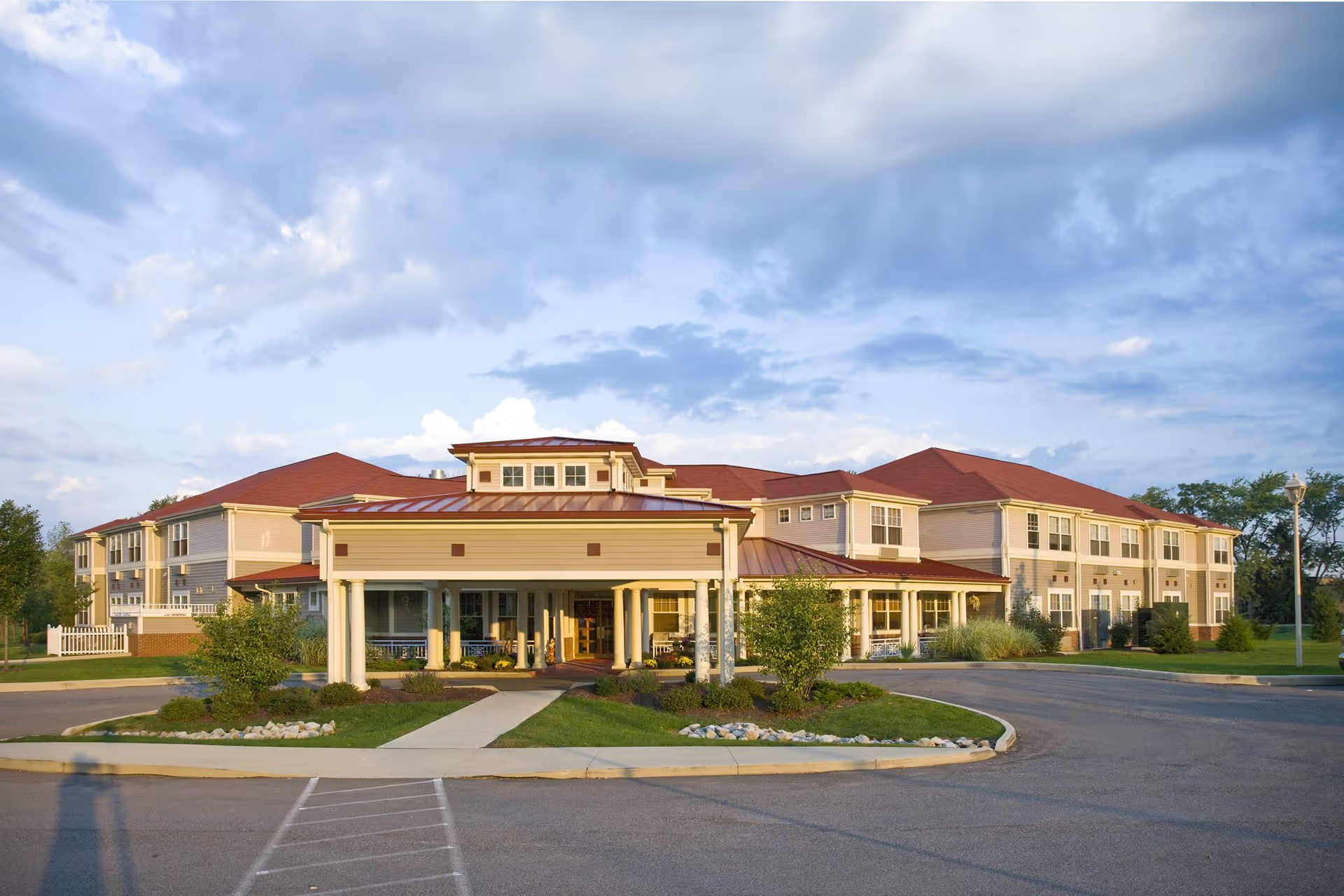
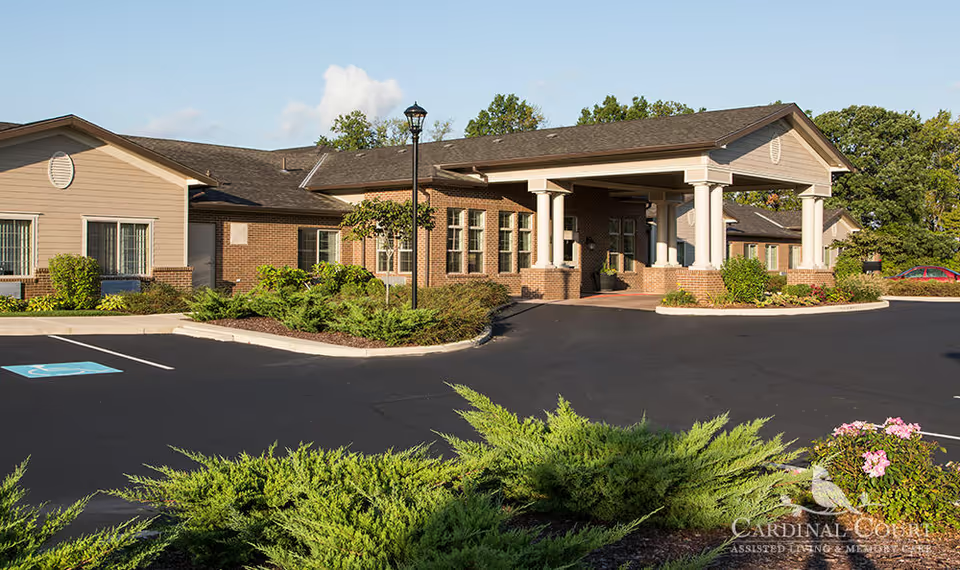
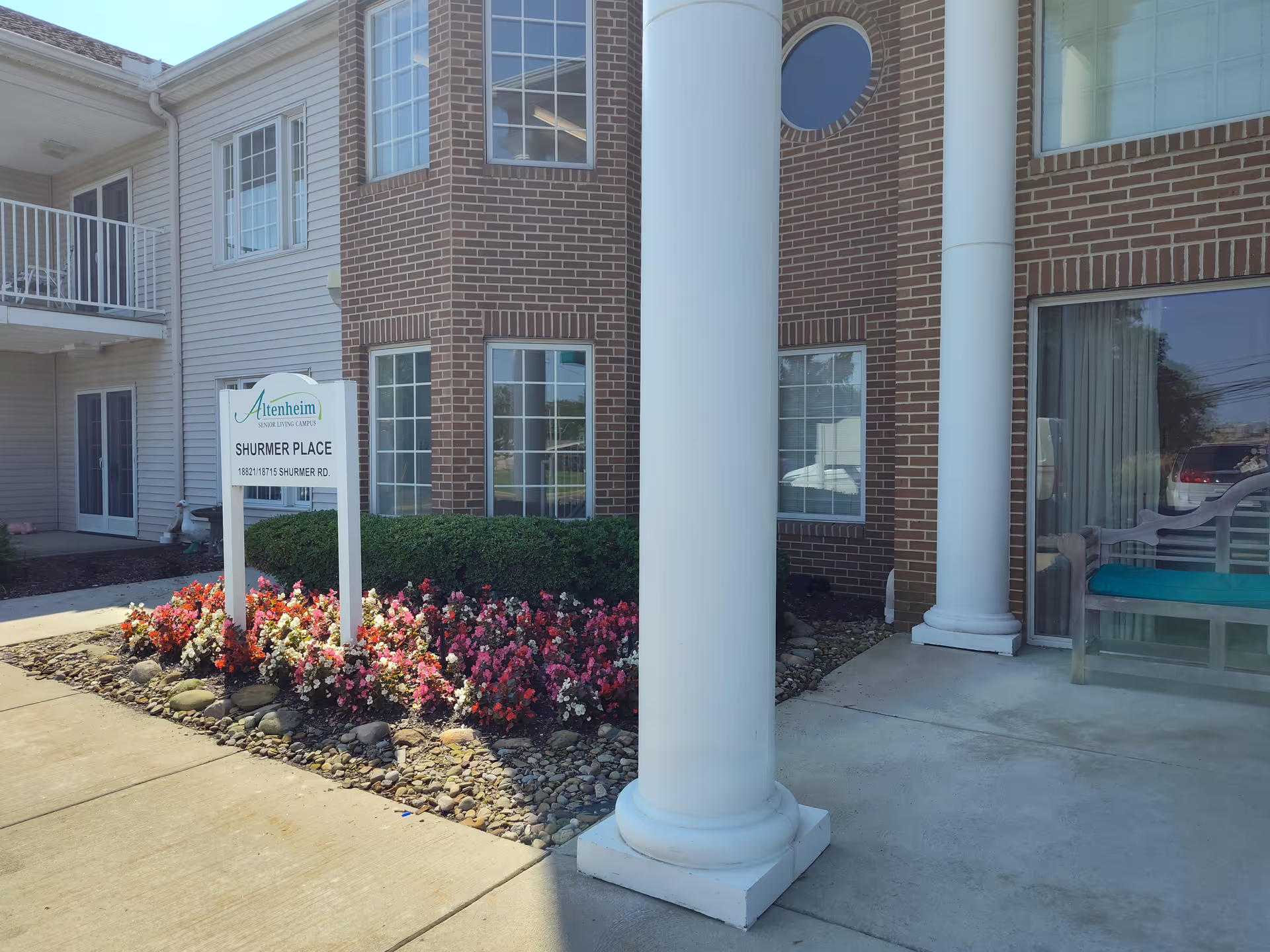
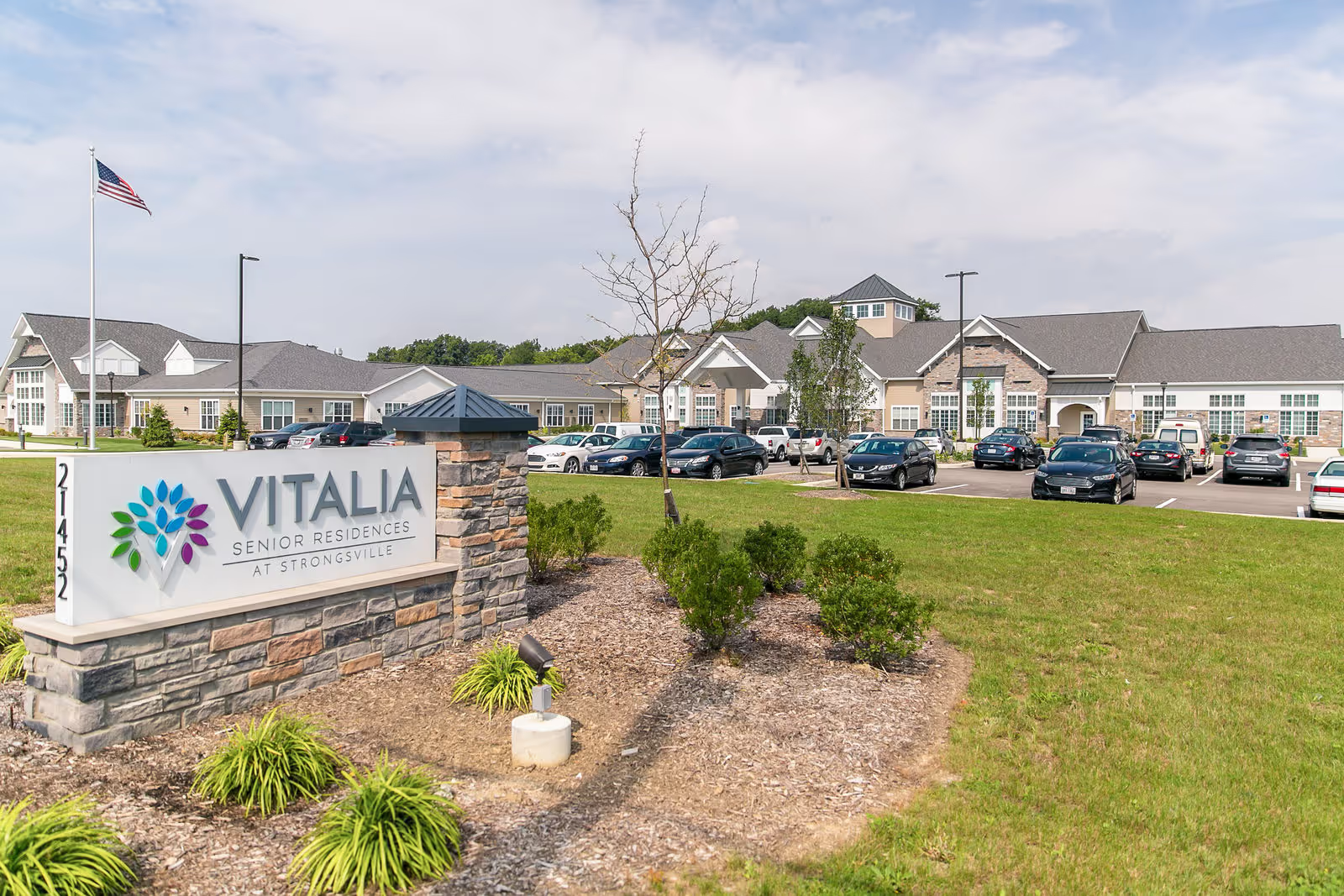
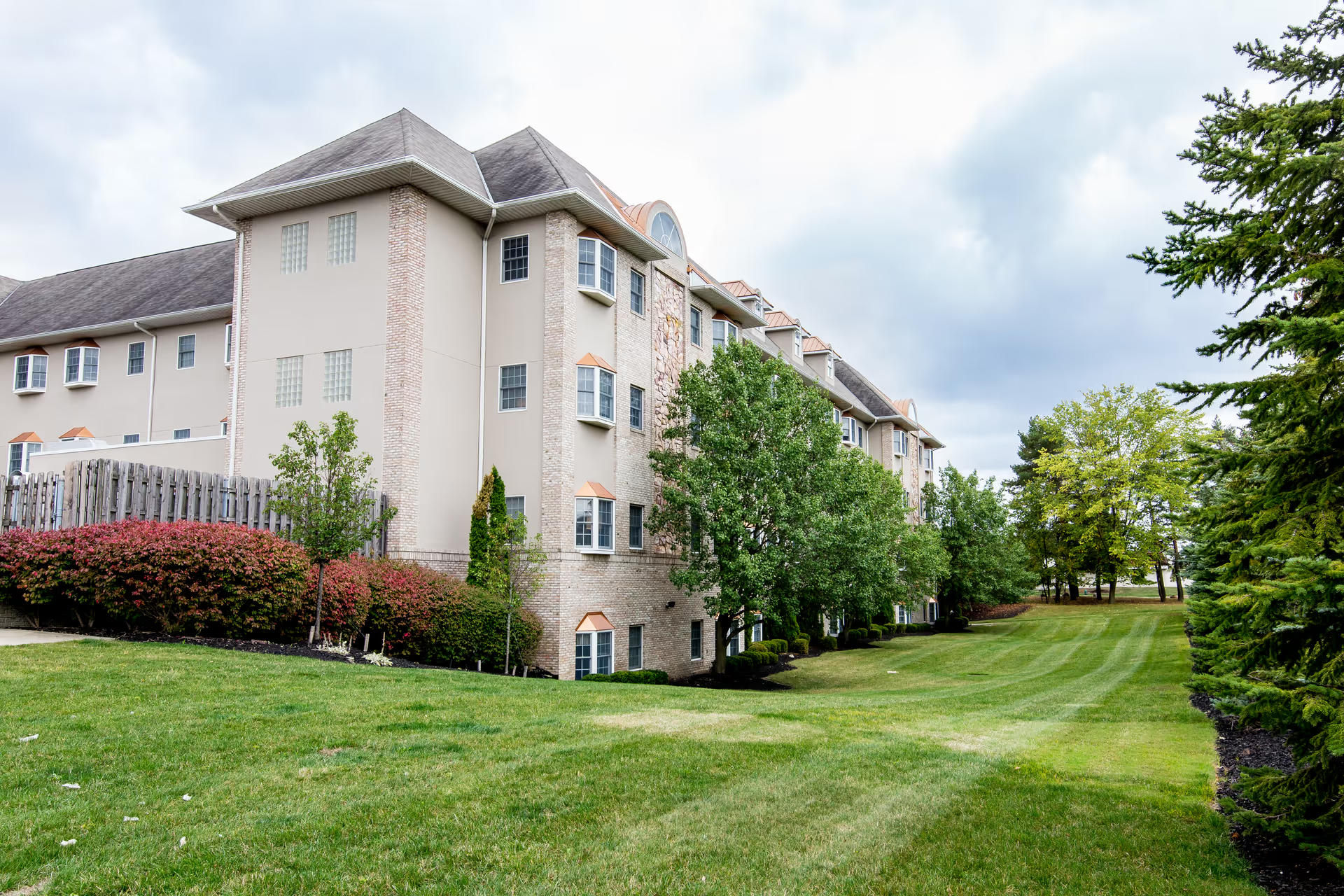
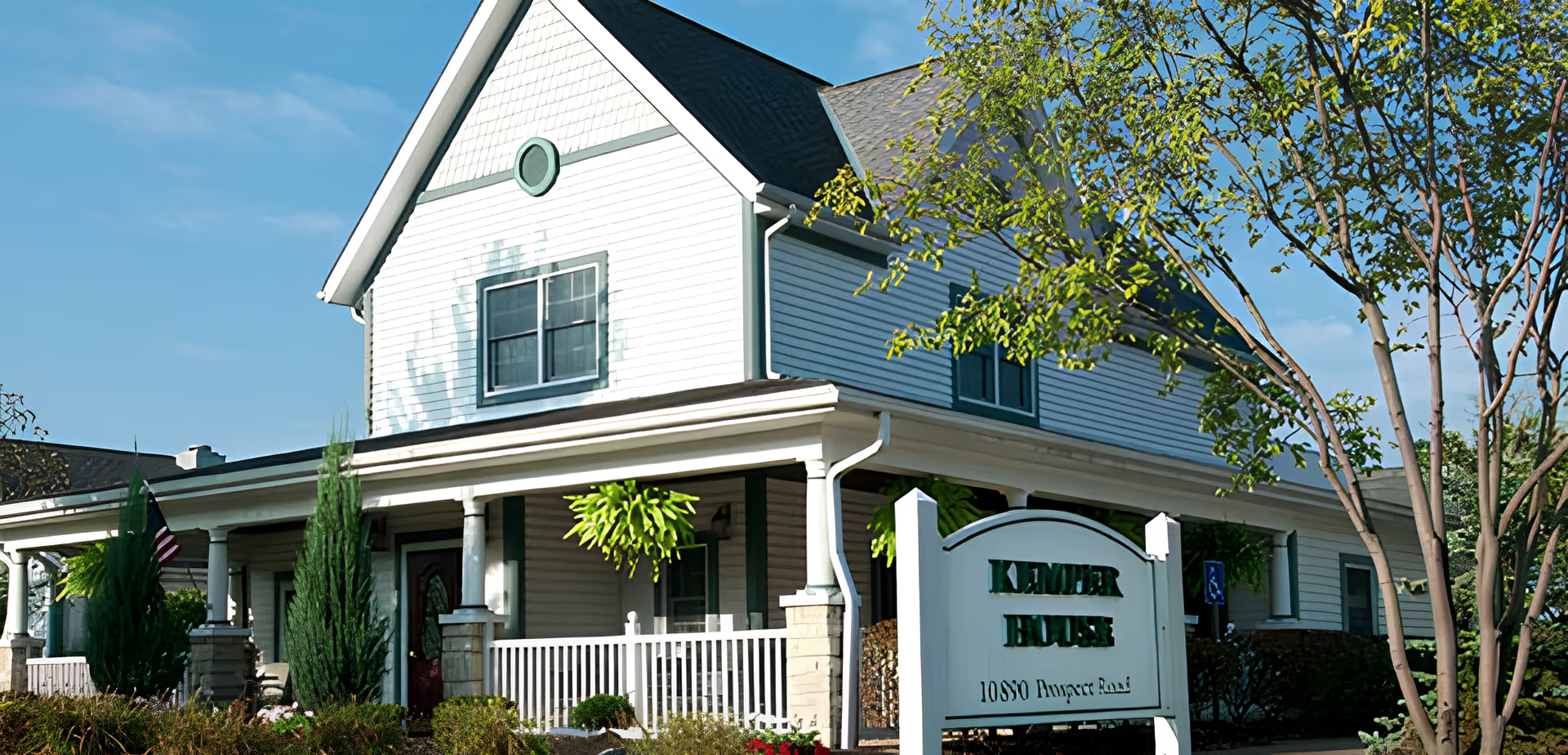
Facilities and environment: The physical plant elicits divergent impressions. Positive comments reference spacious private rooms with comfortable furnishings, TVs and recliners; other reviewers describe small or basic rooms, an older building in need of updates, worn equipment, and cleanliness issues in bathrooms and common areas. These observations suggest uneven maintenance and variability between units.
Management and operations: Management performance is described unevenly. Some families commend an effective administrative team and coordinated clinical transfers, while others describe poor management communication, slow issue resolution, and inconsistent front-desk responsiveness. Access-control and visitor-management procedures were identified as an operational weakness that affected timeliness and family experience during admissions and visits.
Notable patterns and recommendation guidance: The facility appears to offer strong, compassionate bedside caregiving and effective rehabilitation therapy, which can produce tangible functional improvements. Prospective residents and families should weigh those strengths against recurrent operational issues—notably staffing levels, cleanliness and maintenance, inconsistent dining, and communication challenges. For individuals whose primary need is intensive, reliable nursing coverage or specialized memory care, the reported patterns suggest verifying current staffing ratios, infection-control and housekeeping protocols, and management responsiveness prior to admission. For those prioritizing rehabilitation therapy and supportive bedside staff, the facility may provide meaningful benefits, provided families confirm current operational improvements and oversight mechanisms.