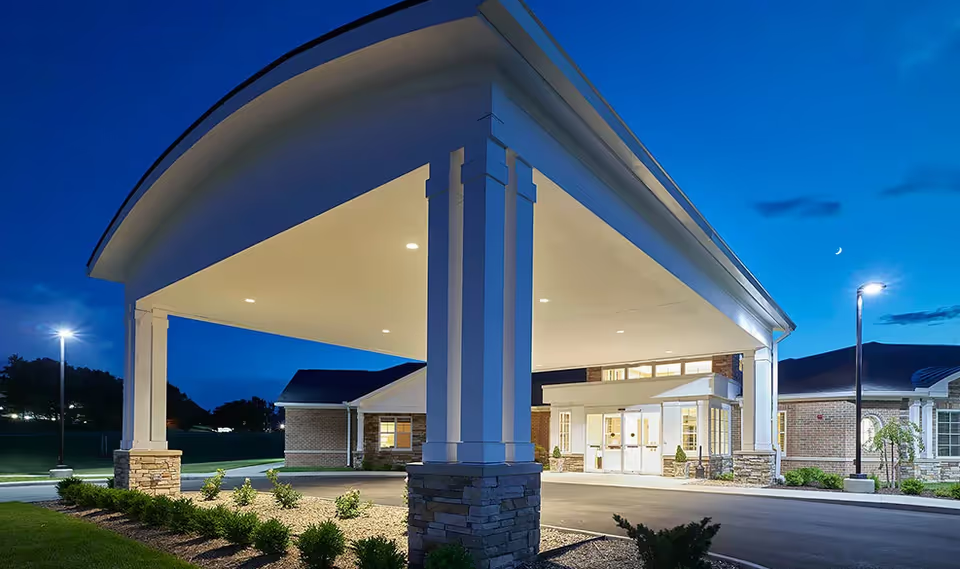
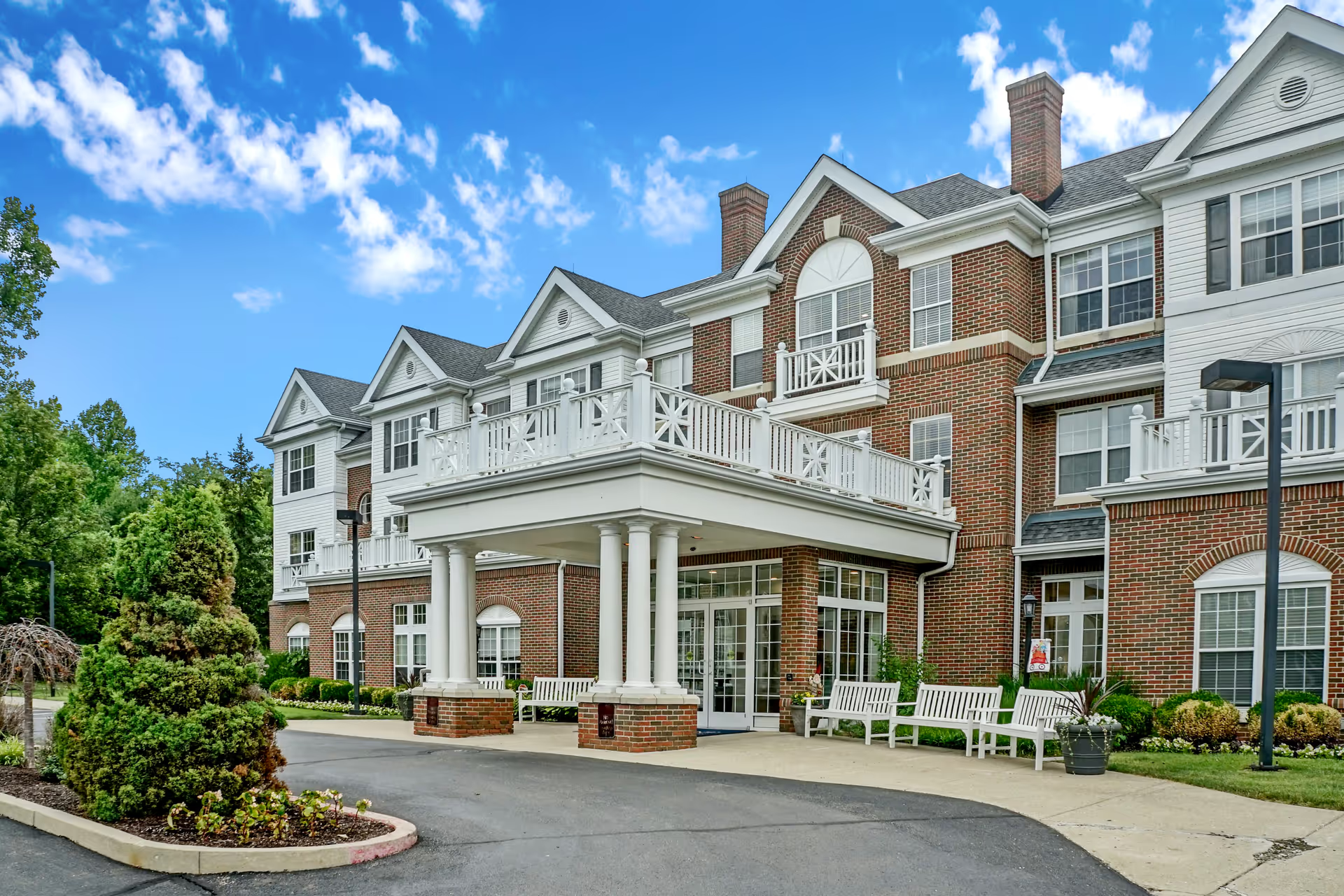
Otterbein Springboro SeniorLife Neighborhood is frequently described as a small-house, home-like senior living environment with strong rehabilitation offerings and a high level of personalized caregiving. The campus design — private suites with large bathrooms and zero-entry showers, family-style dining rooms, communal living spaces, and an outdoor courtyard — supports an atmosphere that many families characterize as comfortable and residential rather than institutional. Numerous accounts highlight a strong therapy program, attentive nursing assistants, and staff who create individualized relationships with residents.
Care and staffing are recurring strengths. Many reviewers praise physical and occupational therapy teams for effective, often rapid functional gains, and they identify aides and nurses who provide compassionate, hands-on support. The per-home staffing model and reported higher nursing-assistant ratios contribute to close day-to-day supervision and assistance. At the same time, reviewers describe unevenness: some found therapy effort less consistent, and others raised concerns about medication management and the potential for excessive sedation. Additionally, a number of comments point to variability in staff responsiveness and compassion between shifts or houses, suggesting operational inconsistency across the small-house units.
Dining and activities are generally favorable, with family-style meals cooked to order, swallowing-adapted diets, and rotating allied services such as therapy and personal care specialists. Several reviewers appreciated plentiful, well-prepared food and the option for residents to participate in meal preparation and gardening as part of regaining independence. However, a pattern emerged in which meal quality or perceived nutritional adequacy declined for some residents over time; protein needs and presentation were specifically noted as areas of concern by a subset of families.
Facilities and on-site services align with the small-house concept: private rooms, communal living areas, and pleasant outdoor spaces support social engagement and recovery. There are limited hotel-style amenities in some units — reviewers pointed out the absence of an on-premises salon and a gym, which may matter for those seeking a broader amenity package. The model emphasizes independence and home-like routines, which many families find beneficial, but it also requires transparent matching of resident needs to house capabilities.
Management and patterns of care delivery warrant careful consideration by prospective residents and families. While many endorsements underscore excellent care and coordinated discharges, other accounts describe abrupt or inconsistent discharge decisions, behavioral-management limitations that can lead to transitions out of the community, and concerns about whether the neighborhood can safely serve residents with advanced memory impairments. There are also references to clinical incidents that prompted questions about incident response and family communication. These themes suggest the importance of clarifying medication-management protocols, the facility's dementia-care scope, behavioral policies, and the process for discharge or transfer before making placement decisions.
Bottom line: Otterbein Springboro SeniorLife Neighborhood offers a residential, therapy-focused environment with many strengths in rehabilitation, personalized caregiving, and home-like design. Prospective families should weigh those strengths against reported variability in therapy consistency, medication-management and sedation concerns, nutritional consistency, and limits in dementia-care and behavioral-placement policies. Asking targeted questions about staffing patterns, medication review processes, memory-care capabilities, meal planning, and discharge policies will help determine whether the facility is a good fit for a particular resident's clinical and social needs.