The reviews for CareCore at Margaret Hall present a polarized picture: many families describe strong, compassionate hands-on care in parts of the facility—especially within the rehabilitation unit and among long-standing caregiving staff—while other accounts describe operational weaknesses that have affected clinical continuity and day-to-day living. Positive commentary centers on caring nurses and aides, an effective PT/OT program, active social and spiritual programming, recent renovations, private rooms, and the availability of onsite allied-health and hospice services.
Care and staffing are the most frequently discussed areas. Several accounts praise staff who go beyond routine duties, provide personalized attention, and support family involvement. The rehabilitation program and therapy staff receive consistent positive mention for helping residents progress. Contrastingly, multiple accounts indicate persistent staffing shortfalls, high turnover, and frequent use of agency personnel. These staffing patterns are linked in reviews to delays in responding to call lights, late or missed treatments and medications, and inconsistent assistance with activities of daily living. Reviewers also raised serious clinical-management concerns in a small number of cases (for example, diabetes management and other urgent-treatment gaps); these are described here as gaps in clinical-treatment continuity and medication administration processes rather than isolated labeling of individual incidents.
Dining, housekeeping, and basic-support services show similar variability. Some families describe a warm, home-like dining environment and engaging meals; others describe inconsistent meal delivery, lack of assistance during meals that contributed to poor intake, late meals for residents with dietary needs, and intermittent shortages of clean linens or housekeeping follow-through. These patterns point to unreliable meal-service continuity and variable housekeeping and laundry practices that prospective families should evaluate in person.
Activities and spiritual life are consistent strengths in many accounts. Daily Mass, pastoral care, Bible study, musical events, and an active activities calendar are repeatedly highlighted as fostering a sense of community and contributing positively to residents’ quality of life. Families seeking faith-based programming or regular social engagement are likely to find meaningful options at this site.
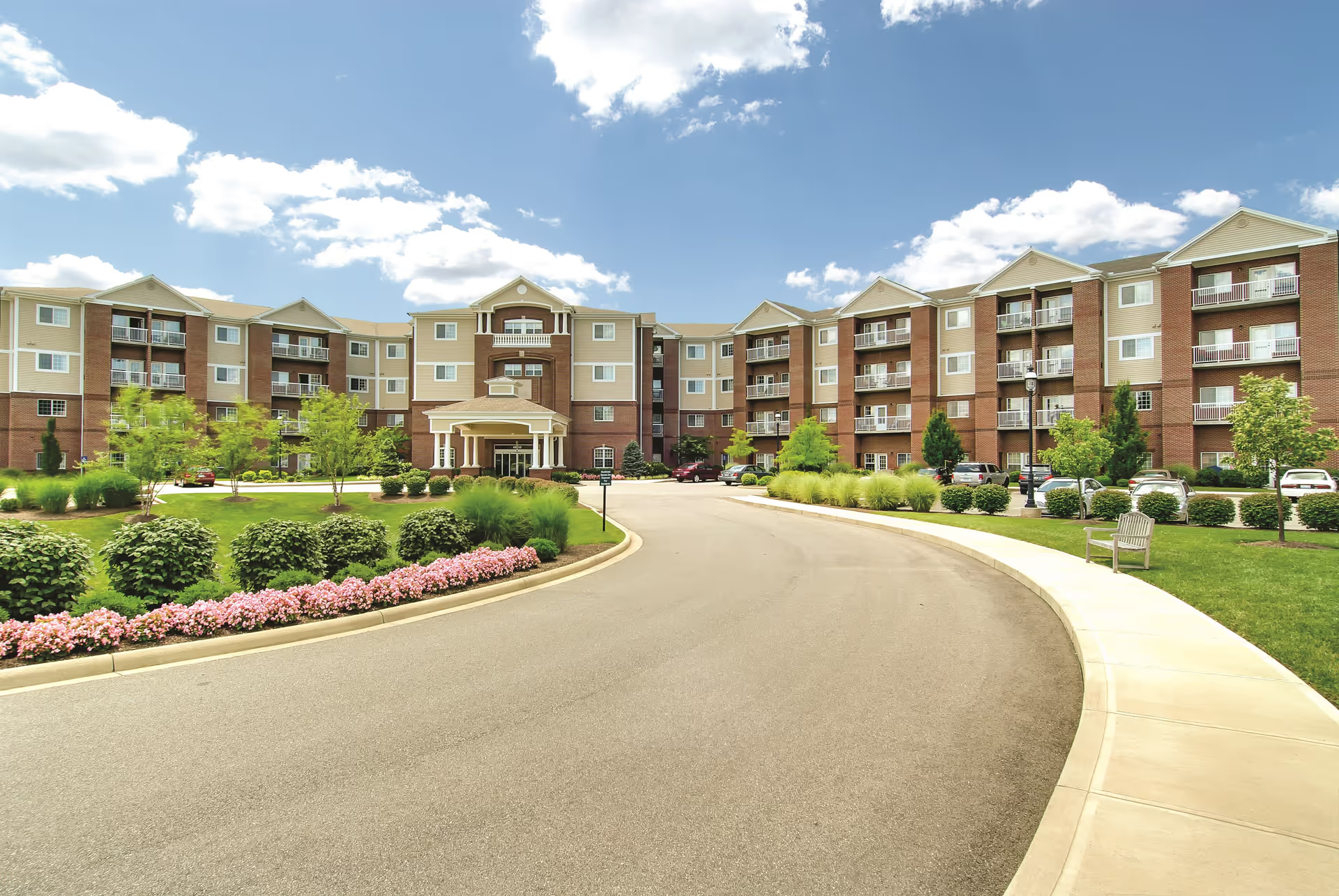
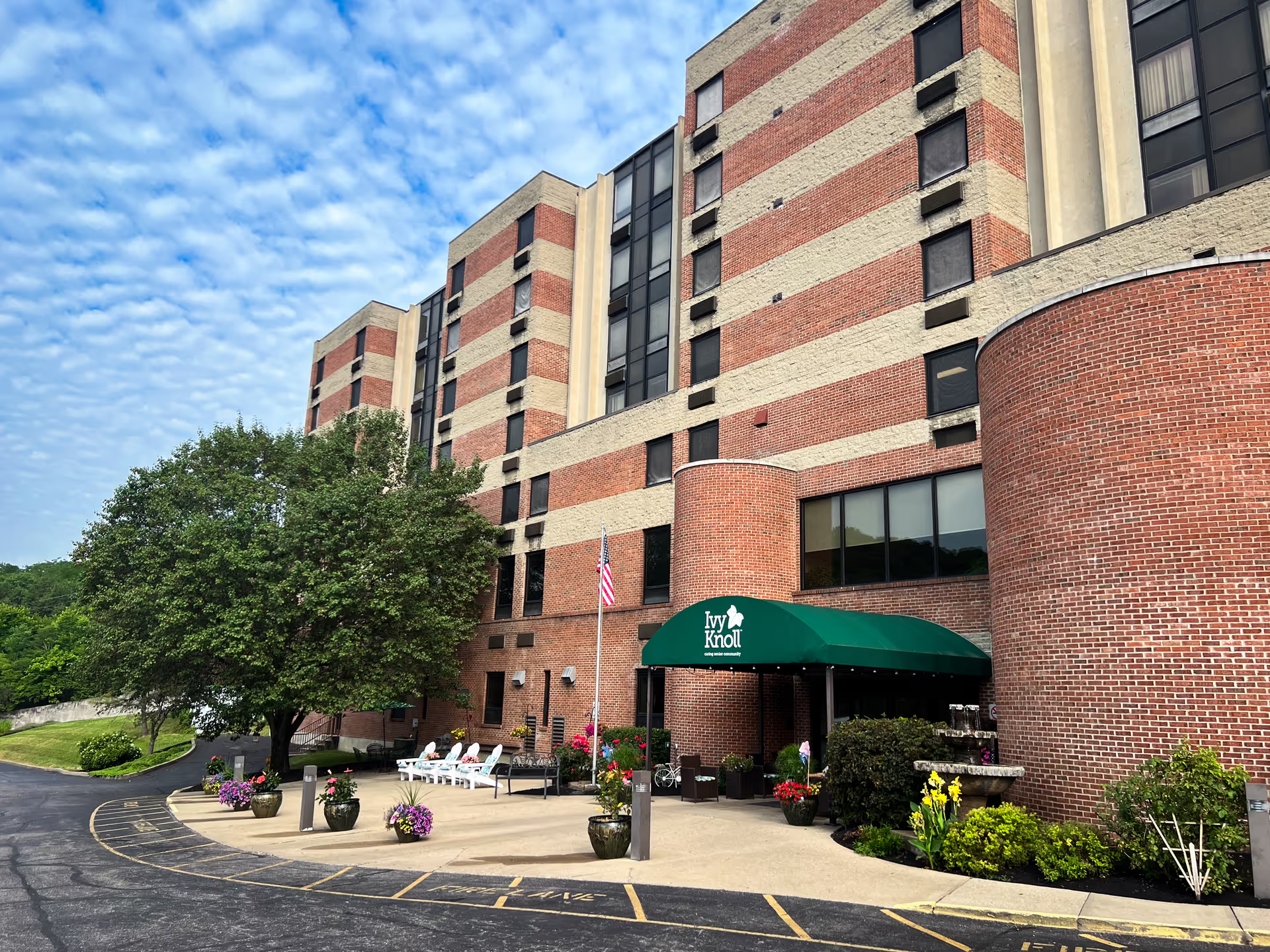
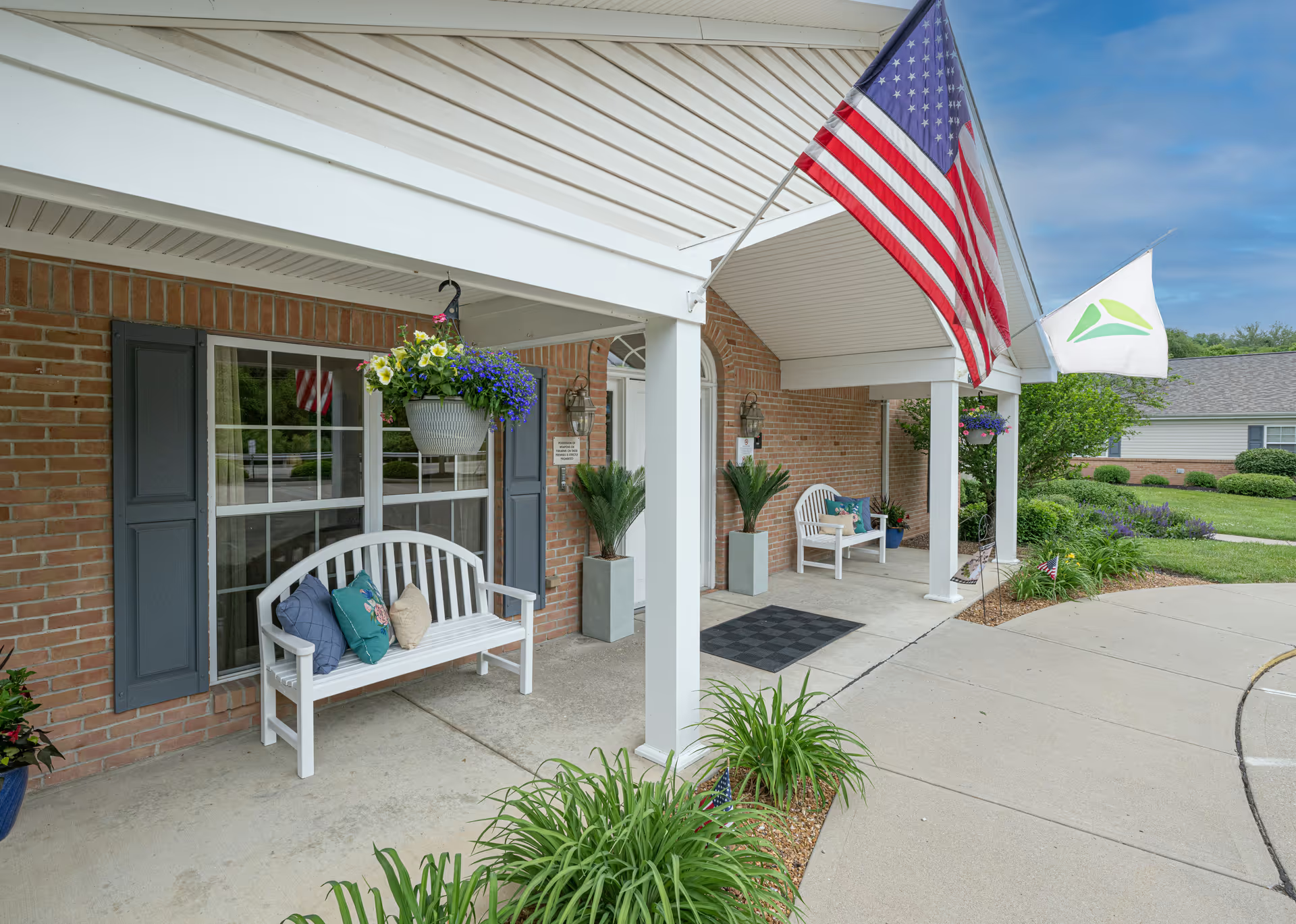
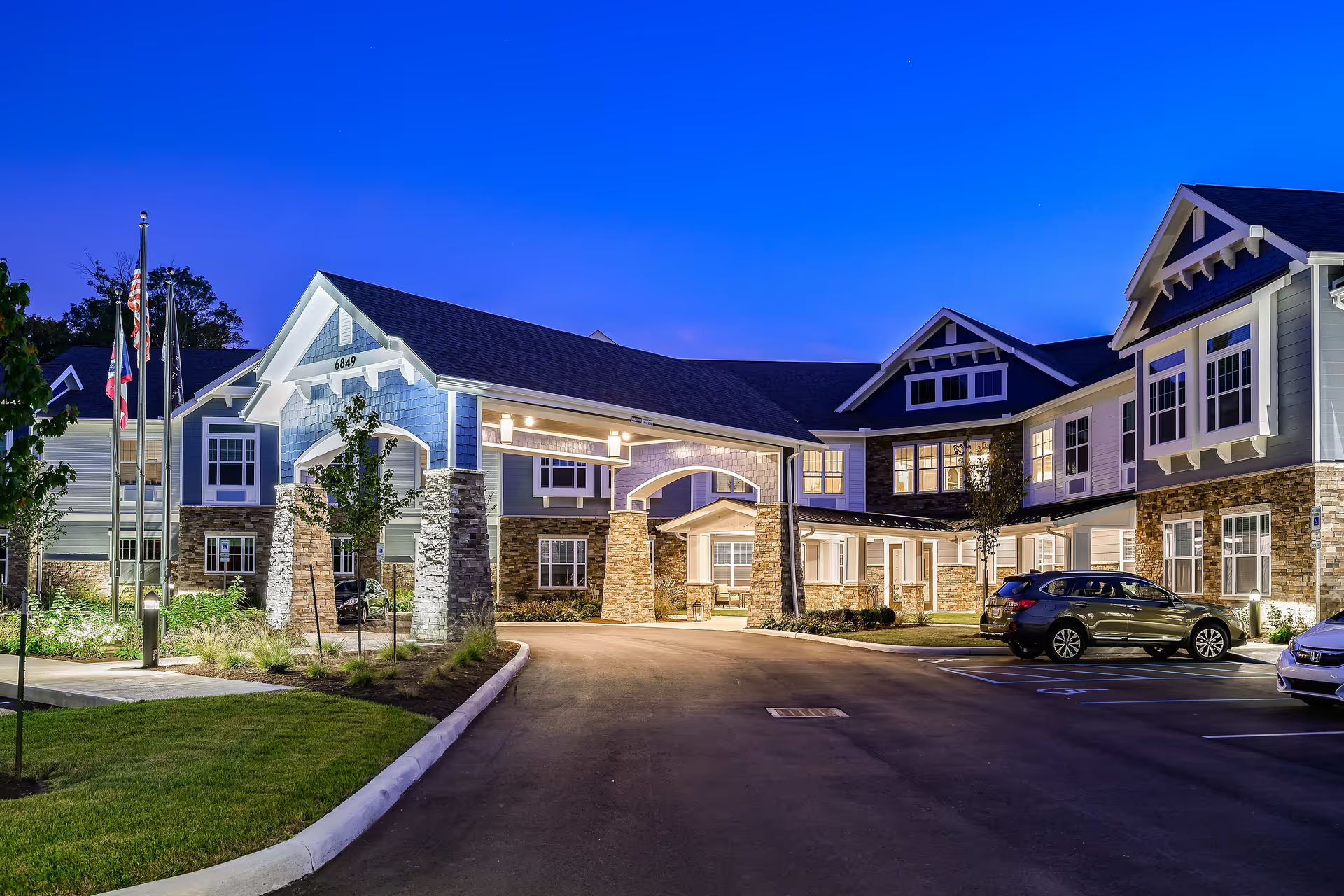
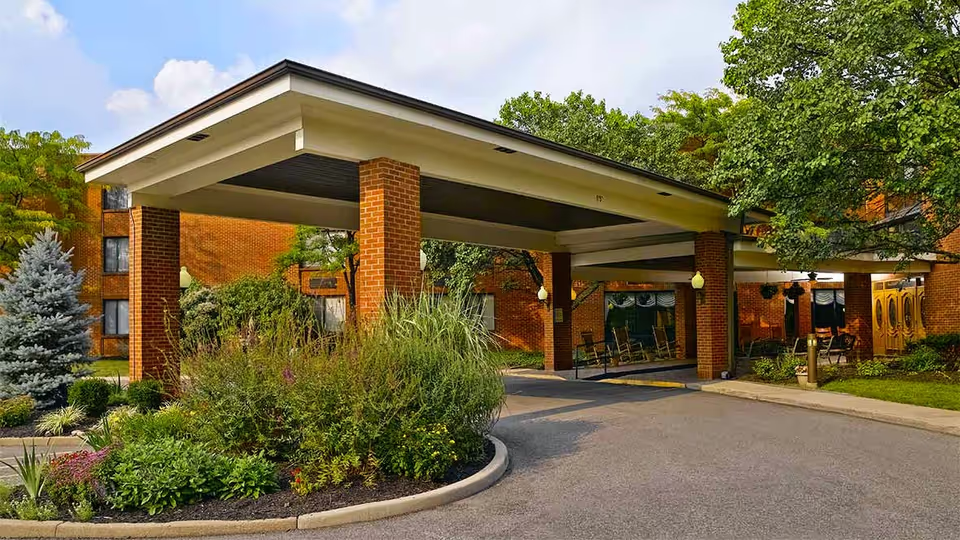
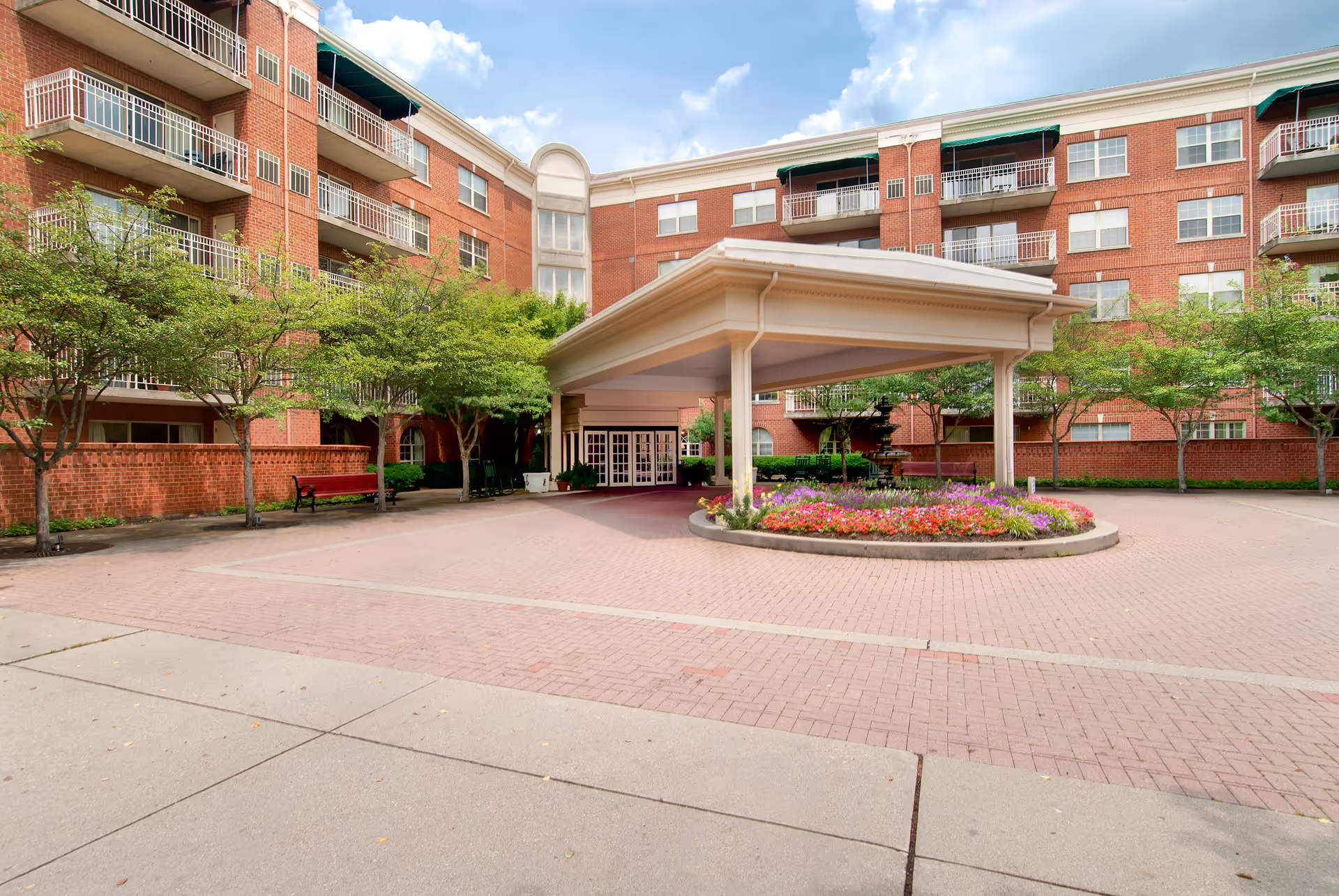
Facility condition and safety issues are described in mixed terms. Renovations, pleasant rooms, and a well-appointed rehab unit are frequently mentioned as positives. At the same time, reviews cite maintenance and equipment gaps, cluttered circulation spaces, and safety-protocol lapses—for example, delayed rounds, missed fall notifications, and inconsistent emergency-response readiness. Reviewers also raised concerns about skin integrity and incontinence-care delays; those are characterized here as care-process vulnerabilities that can accompany staffing instability.
Management and ownership changes are a recurring theme. Several reviewers link a transition to for-profit ownership with perceived reductions in staffing and operational consistency, and describe challenges with management responsiveness, HR follow-up, scheduling, and billing. Allegations of theft and broader administrative errors appear in a small number of accounts and contribute to concerns about accountability and oversight.
Taken together, the pattern suggests a facility with clear strengths—compassionate direct-care staff, effective rehab services, robust spiritual and activity programming, and some well-maintained areas—paired with operational reliability challenges that affect clinical continuity, housekeeping, dining assistance, and safety practices. Prospective residents and families should consider visiting during mealtime and a shift change, ask specific questions about staffing ratios and agency use, review medication-administration protocols and incident-reporting procedures, observe housekeeping and laundry workflows, and verify how management documents and follows up on clinical and administrative complaints. These steps can help clarify whether the facility’s strengths align with a particular resident’s clinical needs and expectations for daily living.