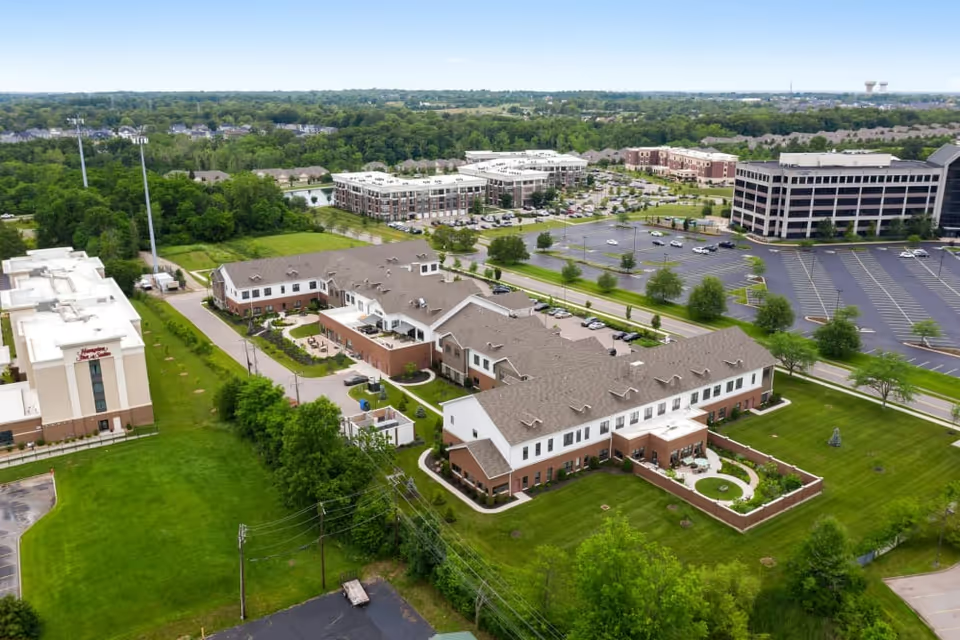
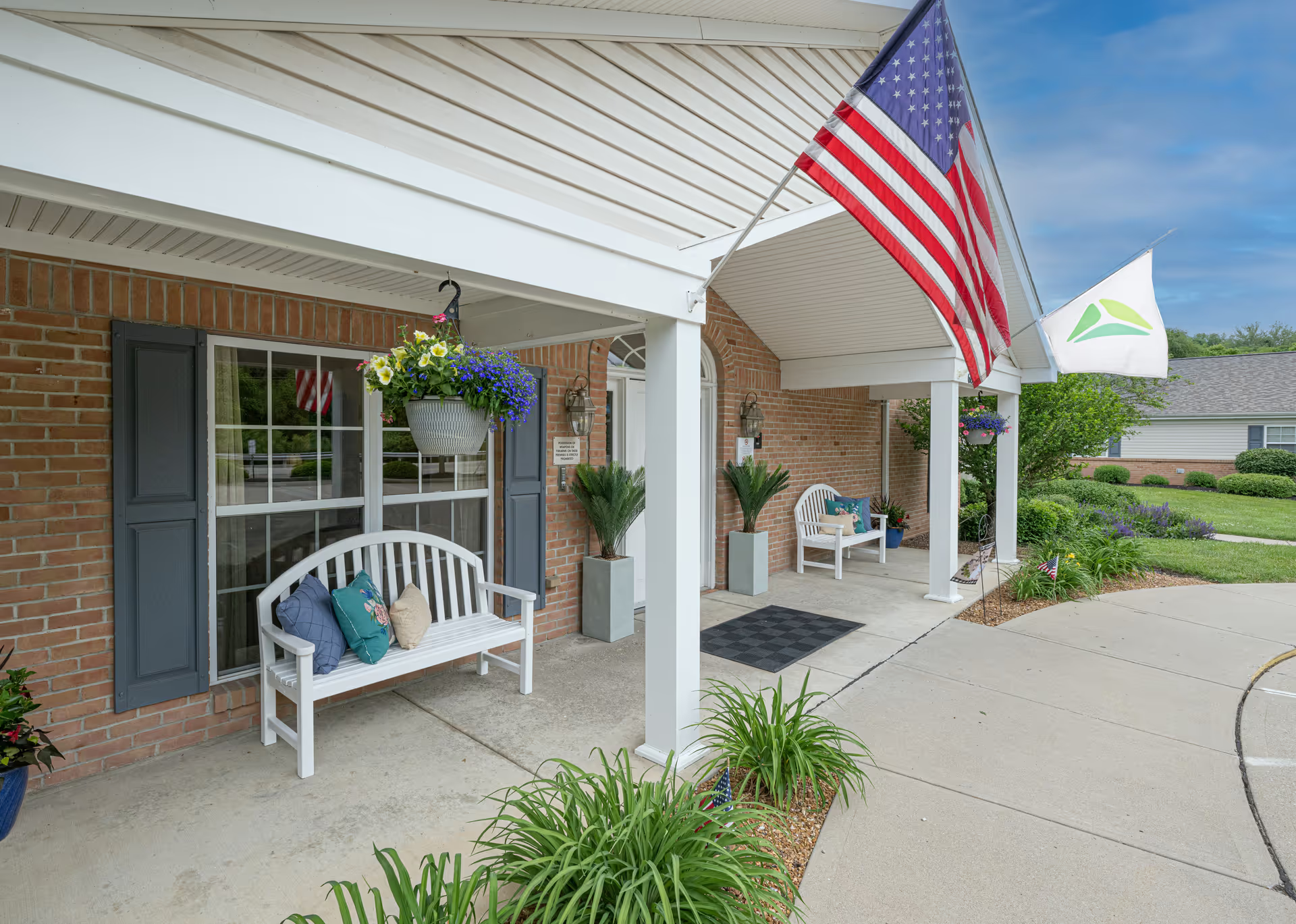
Overall impression: Deer Park Assisted Living elicits a mixed-to-positive response. Many families and residents emphasize the facility’s human strengths — compassionate, personable staff and an executive director who is visible and familiar with residents. Daily housekeeping, regular meals, transportation to appointments and outings, and in-room conveniences (microwave, refrigerator, patio) are noted as practical strengths that support everyday life. The property presents as a modest, home-like community with some targeted updates underway.
Care quality and safety: Care experience is uneven. Numerous accounts praise attentive aides and nursing staff, particularly during daytime hours and during admissions; however, recurring operational concerns include gaps in medication administration and delays in assistance with mobility and transfers. Several reviewers raised fall-risk and response-time concerns, and some noted limited overnight clinical coverage, specifically in the memory-care unit. These patterns point to staffing and clinical-practice variability that can affect resident safety and continuity of care.
Staff and management: Staff interpersonal skills are a consistent positive — many comments describe staff who know residents’ names, are friendly, and provide reassuring communication to families. The executive director is frequently singled out for being accessible and supportive. At the same time, reviewers describe variability in staff experience and training, with newer aides needing more supervision and periodic lapses in information handoffs. Families should weigh the facility’s strong leadership presence against evidence of operational turnover and ask about current staffing stability and training processes.
Dining and nutrition: The community offers three meals per day, a variety of choices, and an anytime-menu option, which many residents enjoy. At the same time, reviewers note inconsistent accommodation of dietary restrictions and occasional difficulty aligning menu items with individual preferences. A more predictable weekly menu and clearer processes for special diets could improve consistency for residents with specific nutritional needs.
Activities and memory care: There are organized outings and planned activities that create social opportunities for many residents. Nevertheless, some observers reported under-engaged programming within the memory-care unit and instances of residents remaining isolated in rooms. Prospective residents and families should inquire specifically about memory-care staffing ratios, activity schedules, and opportunities for individualized engagement.
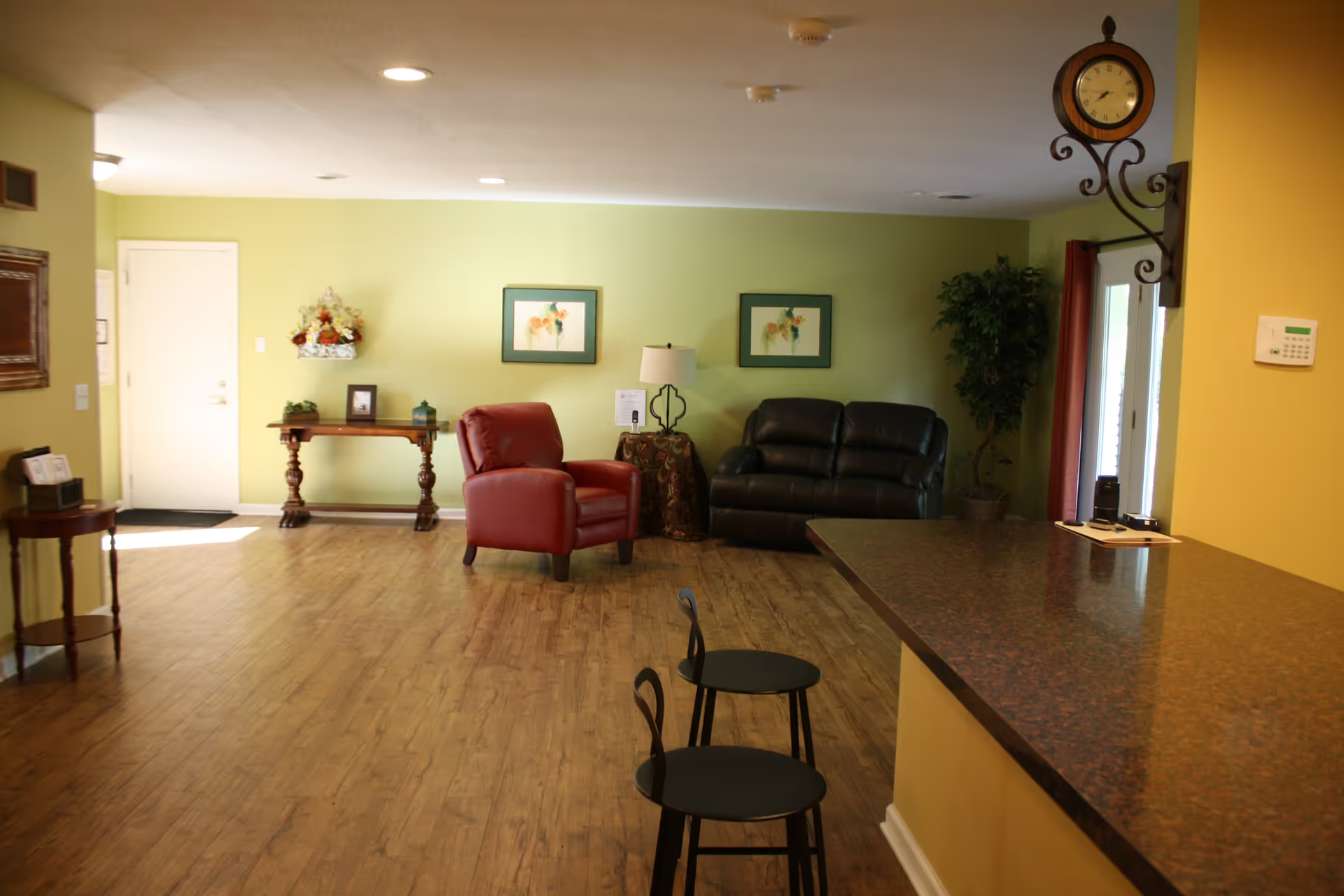
Facilities and housekeeping: The physical plant shows a mixture of maintained and aging elements. Positive notes include clean and peaceful common spaces, gardens, and ongoing updates such as flooring replacement and fresh paint. Countervailing comments cite inconsistent cleanliness in certain units and hallways, dated decor in some rooms, carpeting in need of replacement, occasional heating/cooling concerns, and limited wheelchair accessibility in parts of the facility. These are operational maintenance considerations to confirm during a visit.
Notable patterns and recommendations for families: Deer Park’s strongest attributes are its people — visible management, personable direct-care staff, and a welcoming admissions experience. Operational weaknesses center on staffing consistency, medication management, overnight clinical coverage in memory care, and uneven housekeeping and maintenance. Prospective families should tour the community, ask for current staffing ratios (including night coverage), review medication-administration protocols, request a sample weekly menu and a description of dietary-accommodation procedures, and observe memory-care engagement during the visit. Those priorities will help determine whether the facility’s positive interpersonal culture aligns with an individual resident’s clinical and safety needs.