Reviewers describe a facility with notable strengths in rehabilitation, therapy, and certain areas of nursing care alongside recurring operational weaknesses. The rehabilitation program (PT/OT and related therapy services) is frequently cited as a clear strength; many families credit therapy staff with measurable recovery and successful transitions home. Admissions and intake coordination, including proactive transportation and discharge planning, receives consistent positive mention, and several reviewers singled out specific intake liaisons for helpfulness and clear communication.
Nursing and caregiver performance elicits mixed assessments. Numerous reviewers praise compassionate, attentive nurses and aides who provide dignified bedside care and timely clinical coordination; several named clinicians and aides positively. At the same time, other families reported variability in responsiveness, grooming assistance, and routine care tasks across shifts. Patterns in these negative accounts include delayed responses to assistance requests, inconsistent bathing and incontinence-care schedules, and uneven wound-care and medication-management practices. These are operational concerns rather than uniformly held impressions; they suggest shift-to-shift and unit-level variability in clinical reliability.
Dining and activities are generally seen as strengths by many residents and families. Dietary staff are often described as accommodating to preferences and clinical diets, and the facility offers a range of engagement options — from therapy animals and seasonal events to salon services and social activities — that contribute to a homelike atmosphere. However, there are intermittent complaints about meal quality and dining sanitation, which point to inconsistency in food-service execution rather than a universal failure.
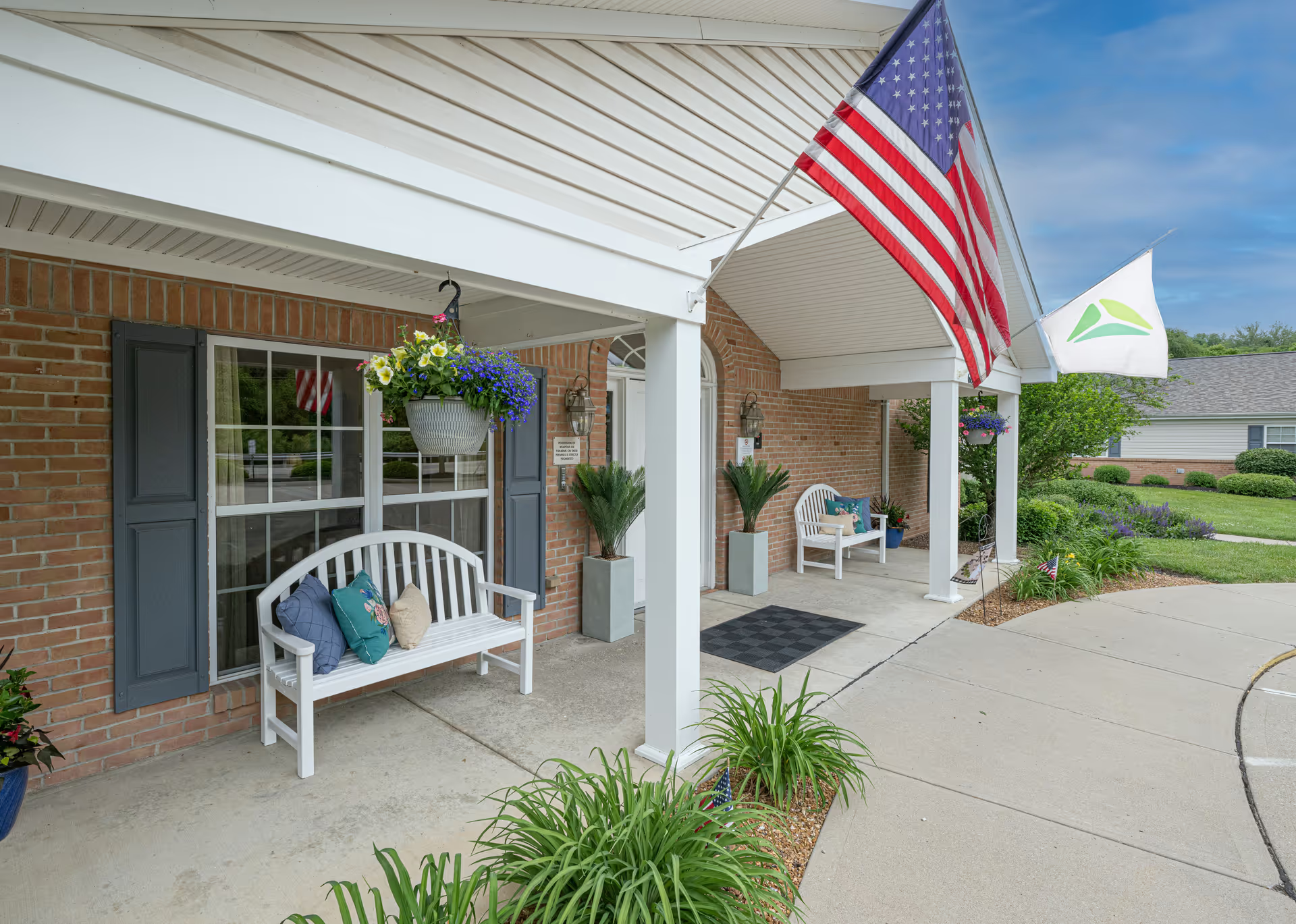
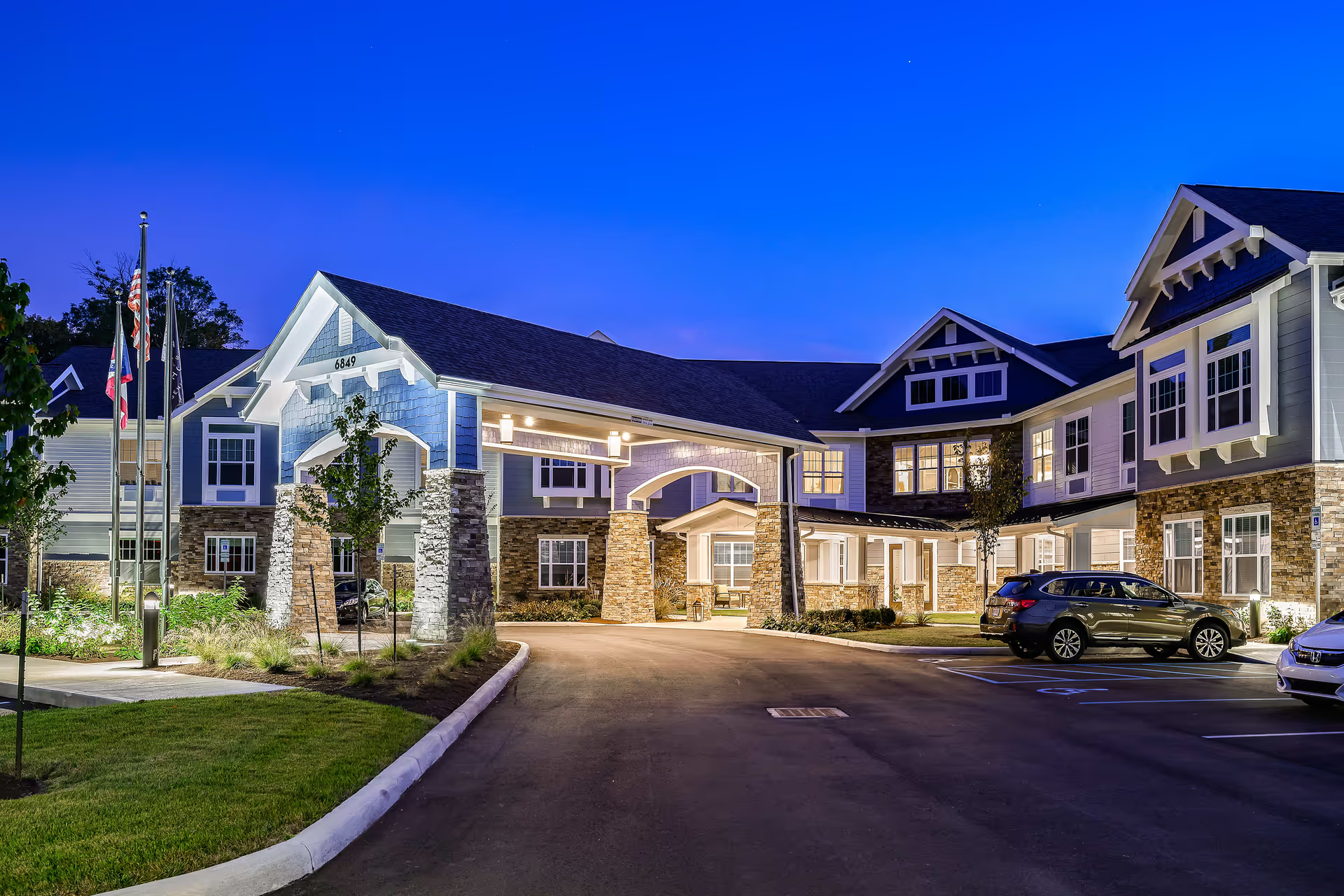
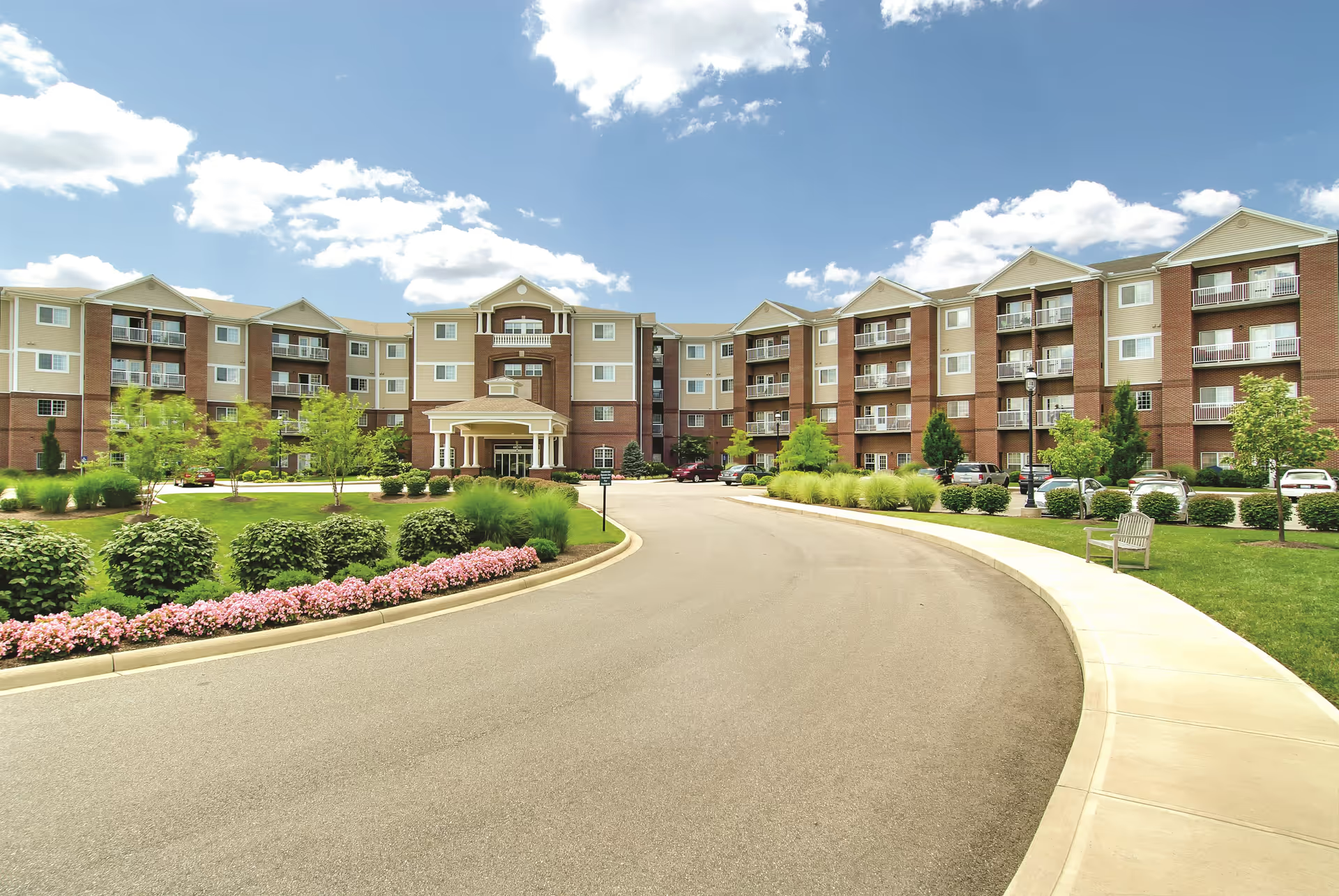
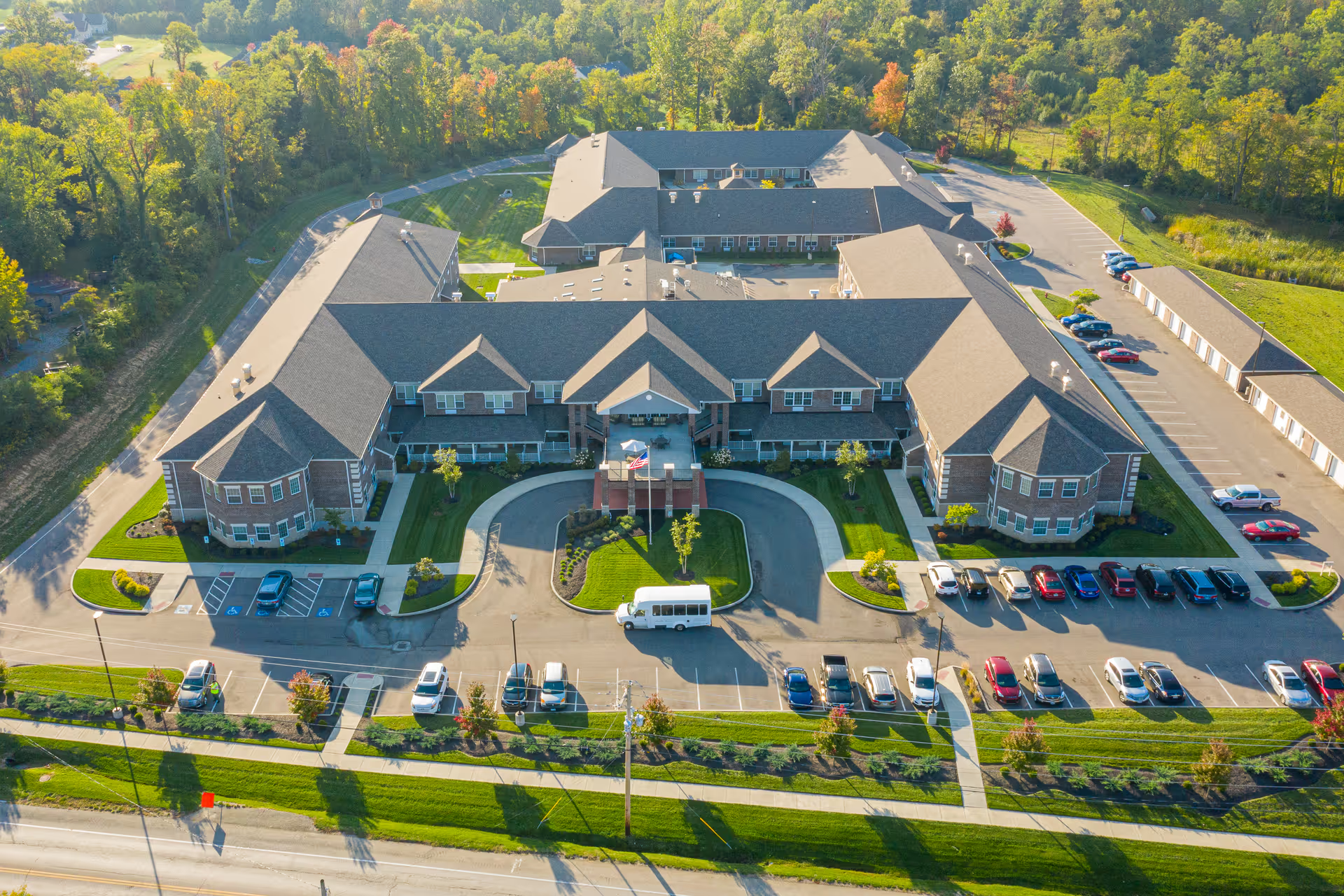
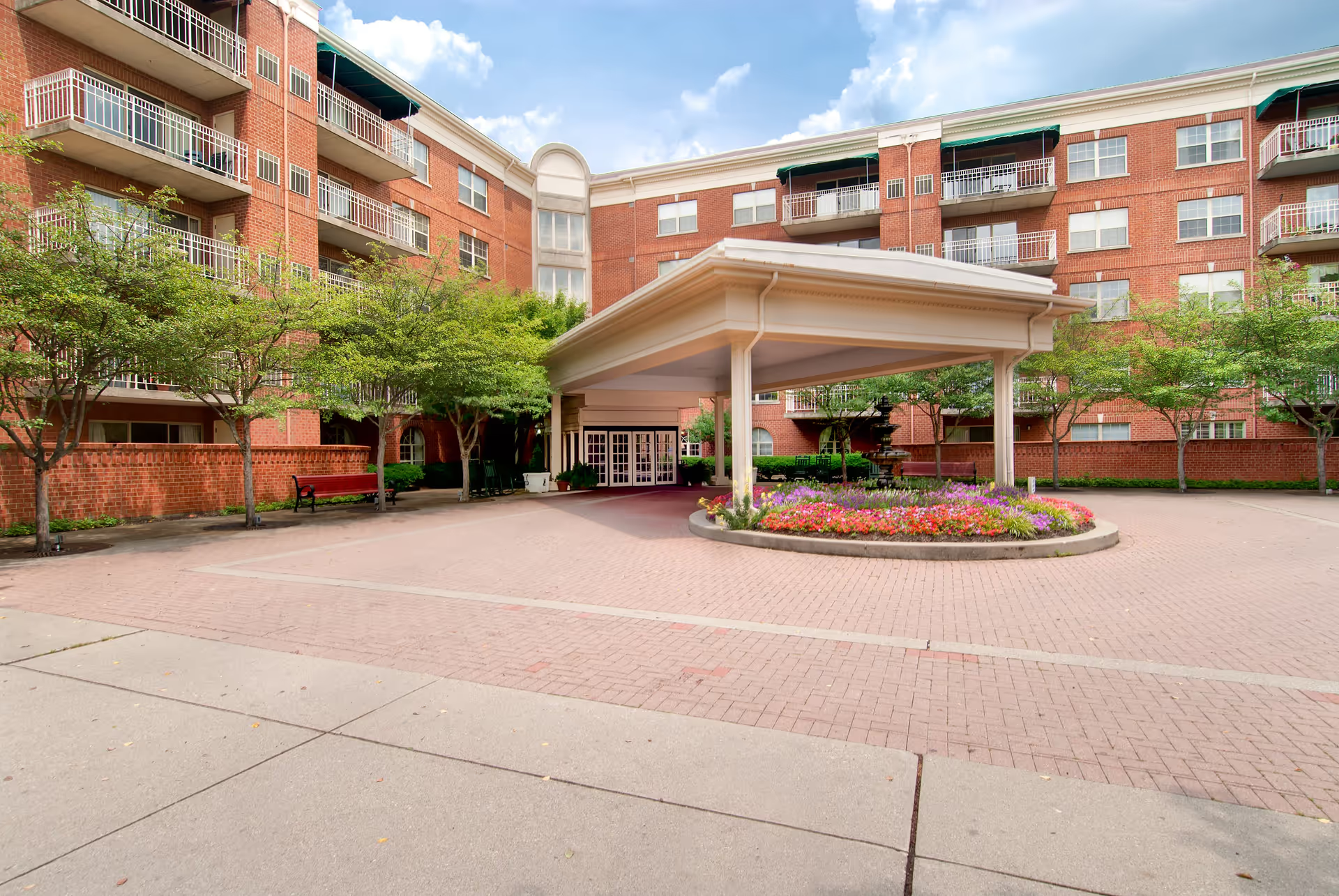
Facility upkeep and the physical environment are also described in mixed terms. Many reviewers note a clean, welcoming building with pleasant common areas and comfortable rooms, while others describe isolated housekeeping or maintenance lapses (room cleanliness, HVAC issues). Security and personal-property control have been raised as a concern in a few reviews, including allegations of missing items and unsecured belongings; these accounts indicate the need for clearer property-control practices and staff accountability.
Management and administration show both strengths and weaknesses. Families appreciated proactive case management, good communication from certain social-work and admissions staff, and coordination with home-health services when present. Conversely, billing, insurance coordination, and discharge processes were sources of frustration for some families — duplicate charges, collections notices, and disputes over financial paperwork were described. There are also repeated concerns about inconsistent communication with families during clinical declines or transfers; reviewers recommend verifying medication reconciliation, wound-care plans, and discharge instructions in writing.
Overall pattern: experiences are polarized. For residents seeking a strong, therapy-focused stay with engaged clinicians and supportive activities, the facility can deliver very positive outcomes. At the same time, operational inconsistencies — staffing variability, intermittent lapses in routine care and medication/wound management, and administrative/billing issues — have led to serious concerns for some families. Prospective residents and families should tour the facility, ask targeted questions about staffing ratios, bathing and incontinence-care schedules, medication reconciliation protocols, wound-care oversight, infection-control policies, property-security procedures, and discharge/insurance coordination, and seek written confirmation of care plans and financial arrangements where possible.