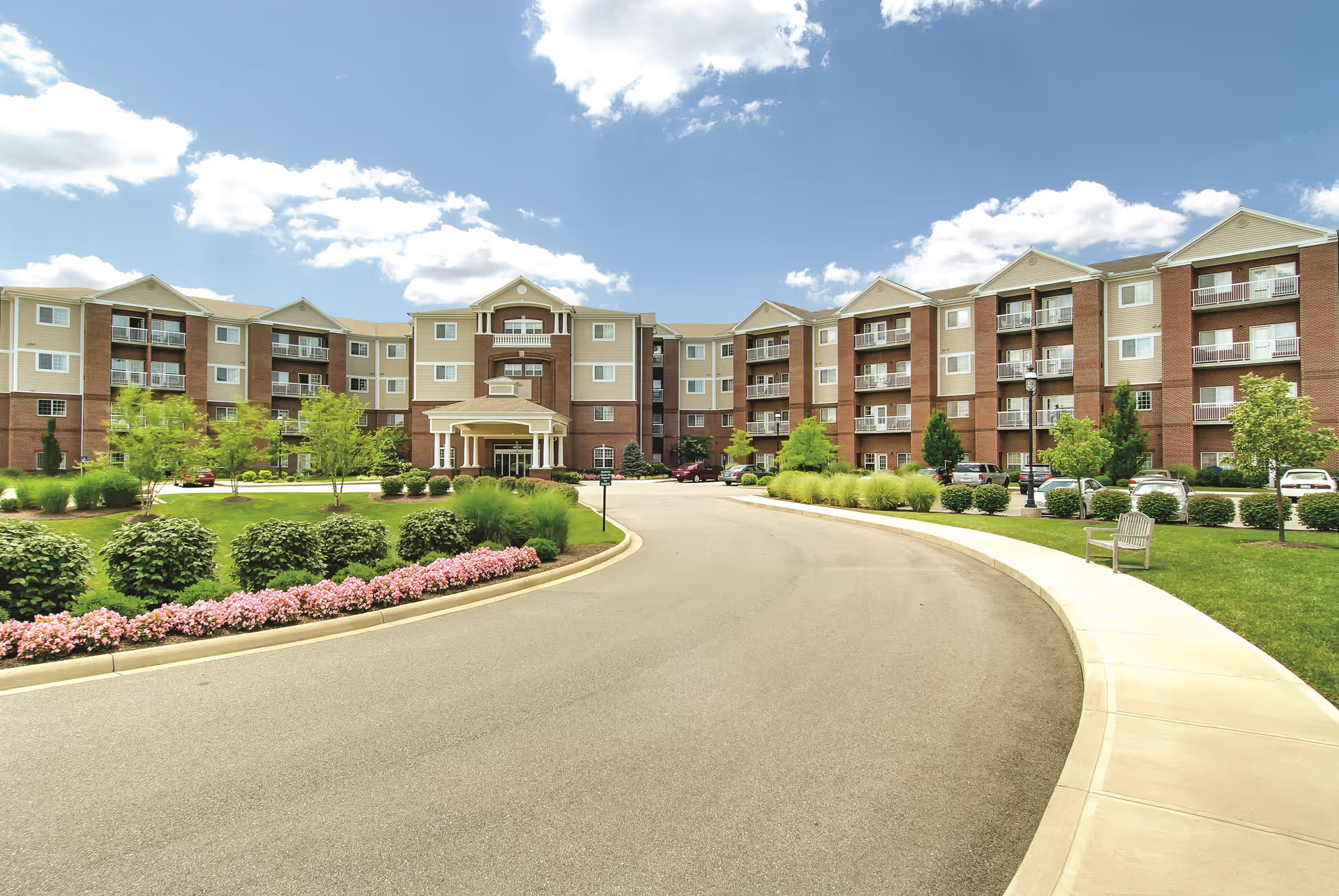
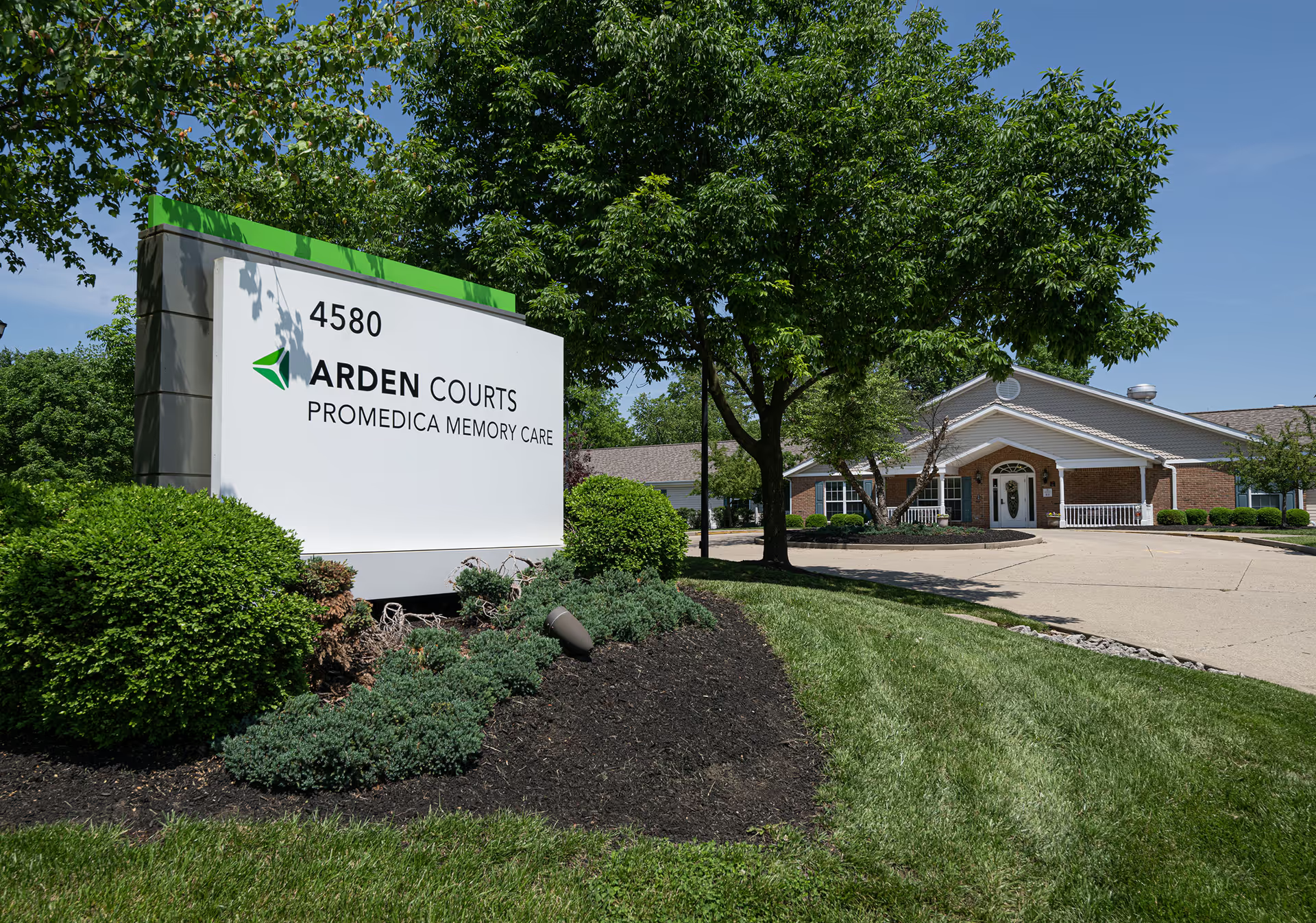
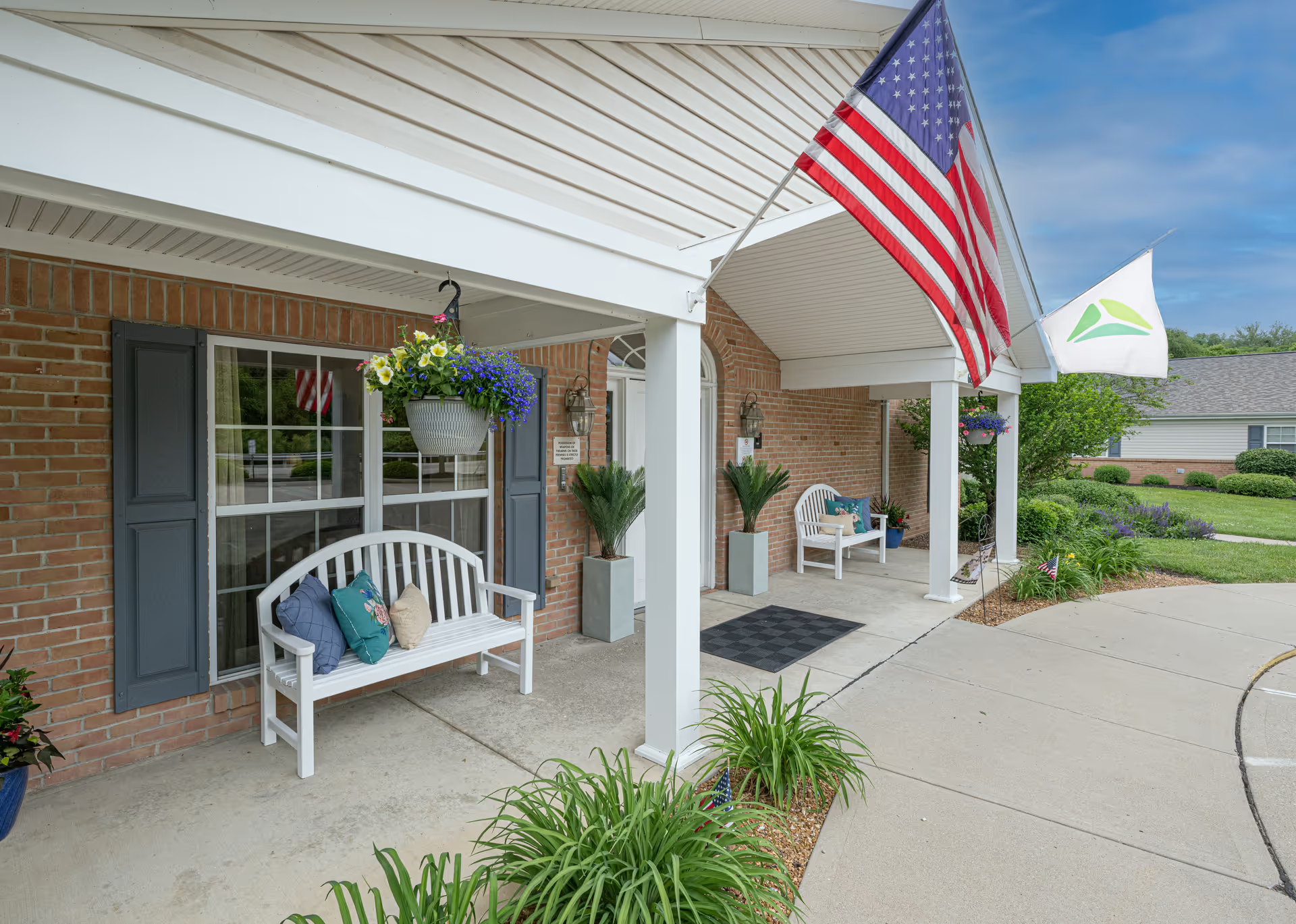
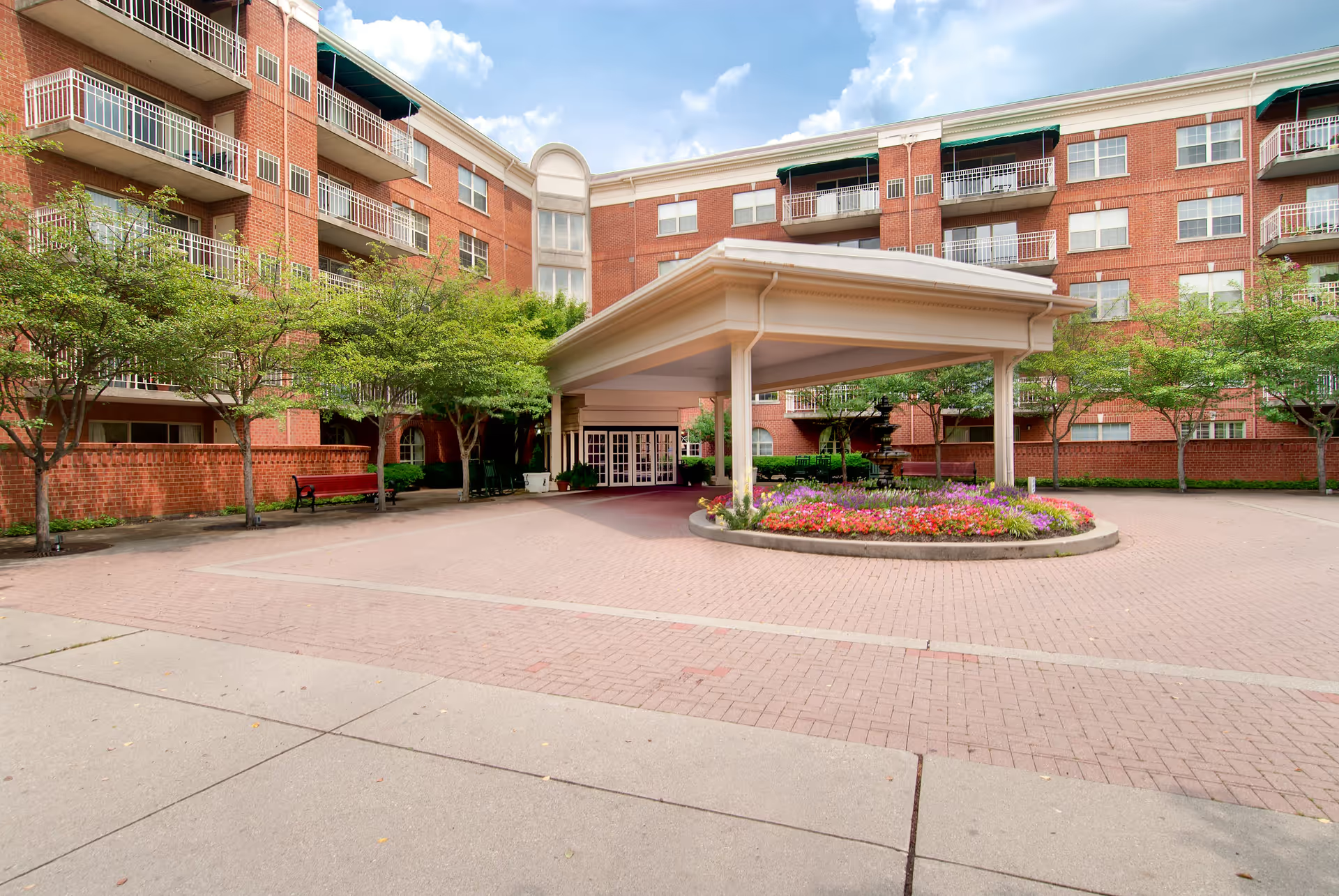
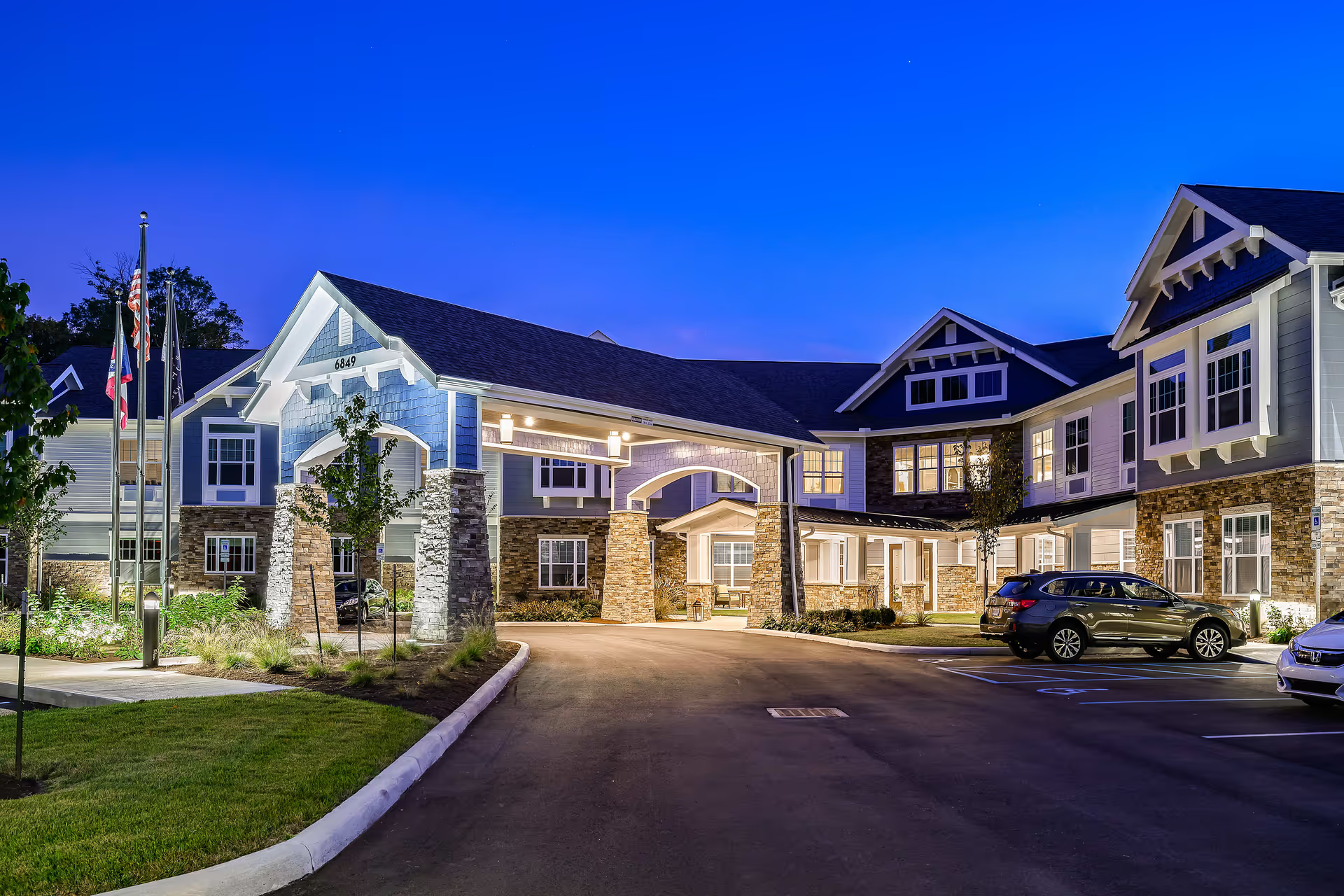
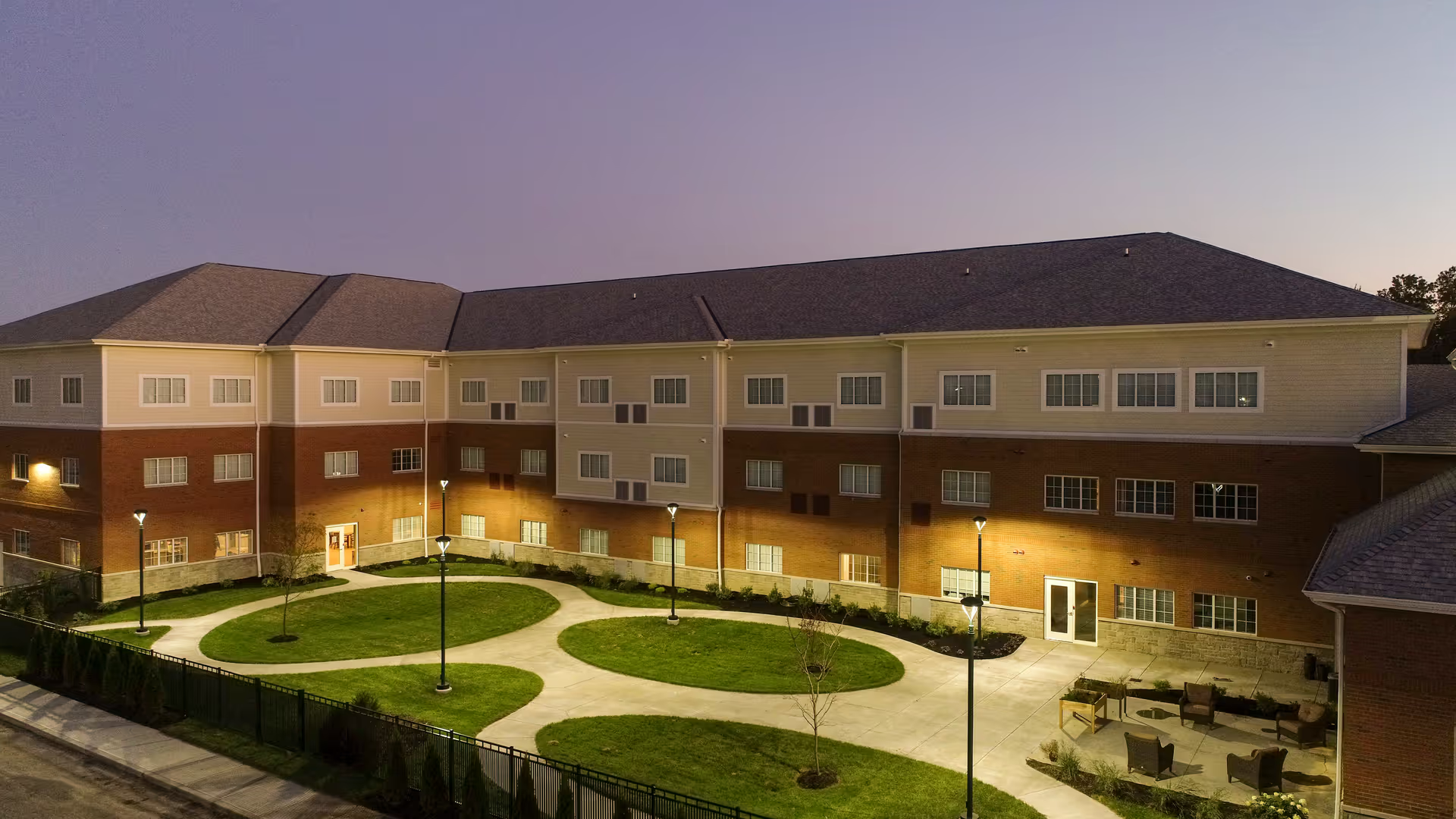
The reviews present a highly mixed picture of Gardens of Oakley. Many families and referral sources praise the facility's skilled rehabilitation services, noting strong physical, occupational and speech therapy teams and measurable progress in some residents. The site offers an on-site assisted-living continuum, accepts Medicaid and assists with applications, and several reviews highlight helpful admissions staff, a responsive business office, and front-desk personnel who facilitate transitions. Dietary staff and the kitchen are frequently singled out for positive performance; multiple comments describe high-quality meals and an accomplished chef.
At the same time, a significant number of reviewers describe operational inconsistencies that affect day-to-day resident experience. Cleanliness and sanitation are recurring concerns, along with occasional odor issues in common areas and some resident rooms. Maintenance problems (peeling surfaces, broken fixtures, mold concerns, and small or inaccessible rooms in some units) were noted alongside pest-control issues. These facility-condition issues are sometimes described as uneven across units, producing variable impressions depending on wing or floor.
Clinical-care quality appears uneven. Several accounts describe attentive, effective nursing and therapy staff who provide compassionate care and meaningful rehabilitation. Conversely, other families reported gaps in medication management, missed or delayed outpatient appointments, and challenges coordinating with outside providers. There are multiple mentions of limited supervision during weekends and after-hours, which reviewers link to delayed responses and emergency transfers in some cases. Memory-care programming is another area of inconsistency: some families find the secured unit restrictive and activity delivery uneven.
Staffing and workplace culture emerged as central themes. Reviewers commonly report hardworking, caring direct-care staff and name individual employees who provided exemplary support. However, persistent concerns about staffing levels, high turnover, use of agency staff, and variable staff conduct were also frequent. These operational staffing issues intersect with communication problems: families shared difficulty obtaining timely nursing updates, inconsistent voicemail or phone responsiveness, and lapses in clinician-to-family communication during clinical incidents.
Dining and activities are polarizing. While many commend the culinary team and describe enjoyable activity programming, others report cold or incorrectly prepared meals, limited menu accommodations for allergies or special diets, and interruptions to kitchen service. Activity engagement in memory-care and secured units was described as inconsistent in contrast to more positive accounts from general rehabilitation and assisted-living areas.
Administrative and financial practices drew mixed feedback. Some reviewers praise responsive leadership and a professional business office; others allege billing irregularities, collection practices that felt premature relative to services rendered, and difficulties obtaining documentation of Medicaid or billing submissions. There are mentions of high management turnover and a recent ownership/name change, which some families cited as a factor in operational instability.
Overall pattern: the facility produces strong outcomes in rehabilitation and has clear strengths in therapy, certain direct-care employees, and its dietary/administrative teams. Nevertheless, recurring operational weaknesses—cleanliness variability, staffing instability, communication gaps, medication and clinical-coordination issues, and inconsistent memory-care programming—create risk for families seeking predictable, consistently managed long-term or memory care. Prospective residents and families should weigh the facility's rehabilitative strengths and named staff positives against the documented variability in facility operations, and consider direct observation, targeted questions about staffing and after-hours coverage, and careful review of billing and clinical-incident procedures before placement.