Overall impression Harmony at Anderson is described predominantly as a warm, family-oriented senior living community with consistent emphasis on compassionate staffing and memory-care capability. Many families highlight the facility’s attentive approach to residents, frequent communication with relatives (including photo updates), and an activity program that is actively led and well attended. The property is generally characterized as clean, modern, and safe, with interior design and common spaces that families find welcoming.
Care and staff Care quality is frequently framed positively: reviewers cite responsive nurses and aides, individualized attention, and managers who are actively involved in care transitions. Memory-care expertise is a recurring strength, with particular staff members (notably the Life Enrichment lead) repeatedly named for their engagement and rapport with residents. At the same time, a small number of comments indicate variability in staff conduct and tone, and there are recurring notes about staffing consistency—especially for weekend aide coverage—that suggest operational gaps in around-the-clock continuity.
Dining and therapy Meal quality is a mixed area. Several reviewers praise enjoyable, nutritious dining and highlight specific menu items and improvements made by the chef. However, other comments point to inconsistent meal quality and a period of lower satisfaction that required corrective action. Therapy and rehabilitation services are mentioned positively, with residents participating in programming and outdoor activities; these service elements contribute to families’ sense that residents are well cared for and engaged.
Activities and social environment The activity program is one of the facility’s clear strengths. Families repeatedly reference purposeful, varied programming (music, crafts, walks, manicures, events) and an active Life Enrichment director who initiates resident-centered events. The community’s social tone is described as lively and music-filled, and reviewers commonly note that residents appear busy and content.
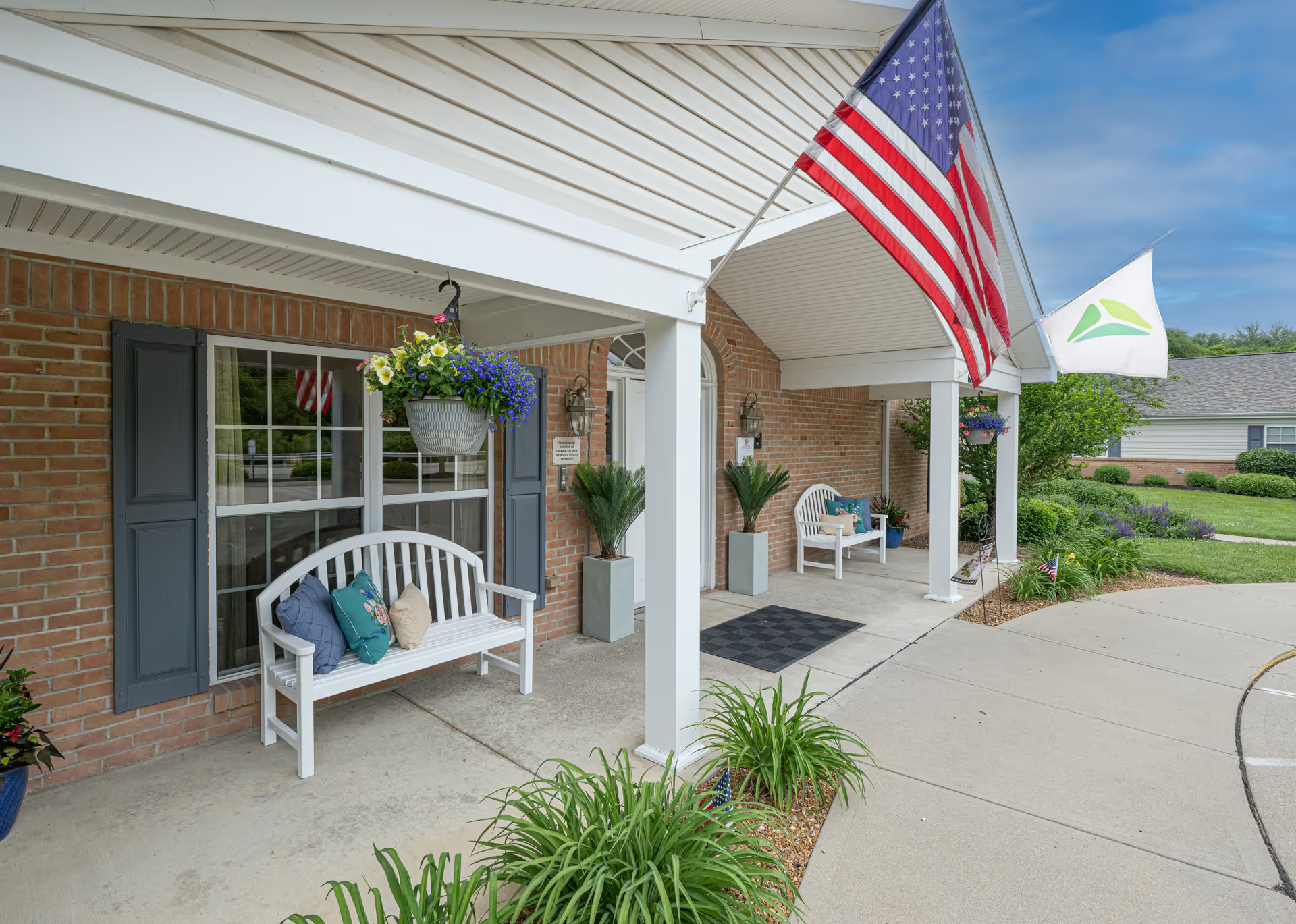
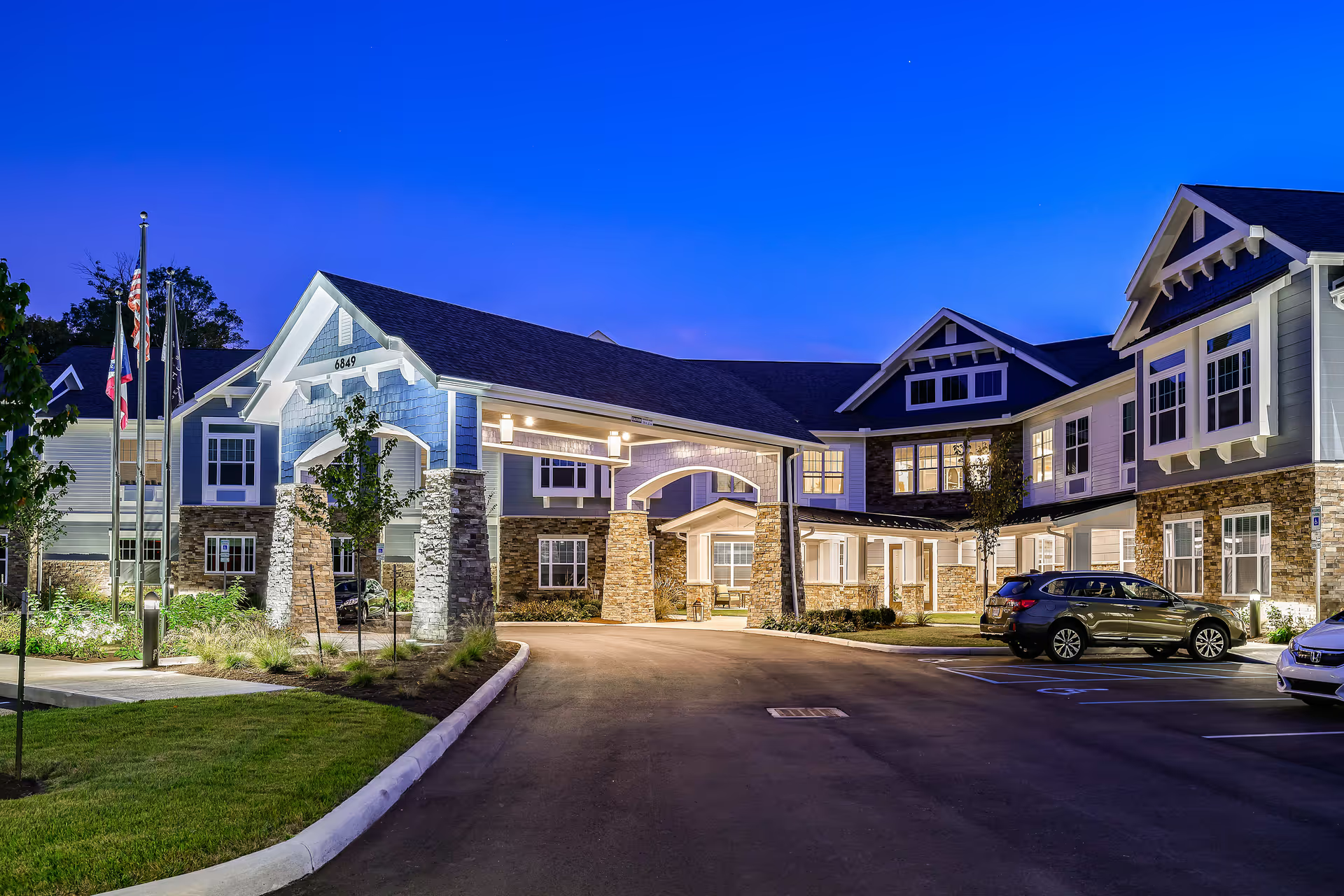
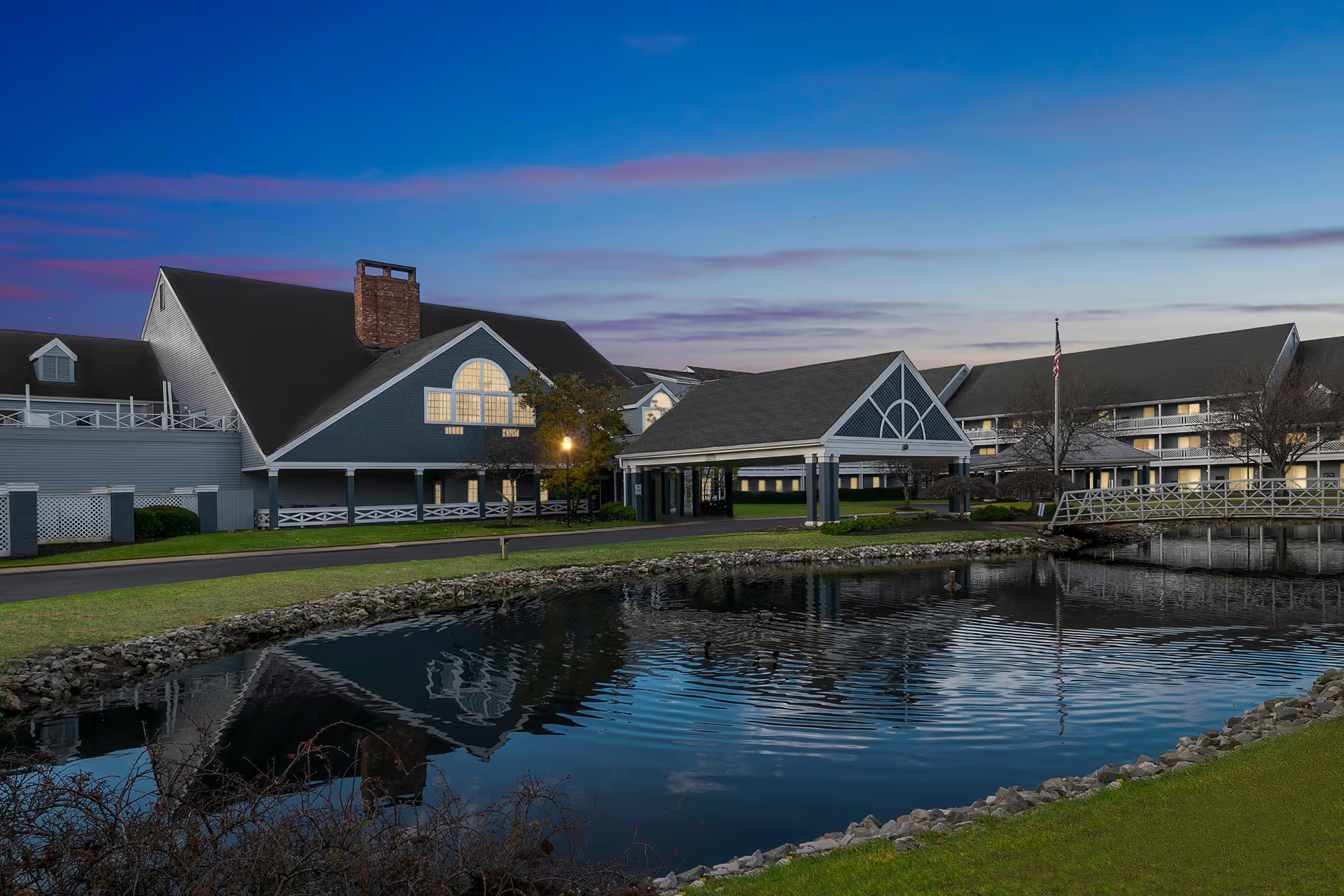
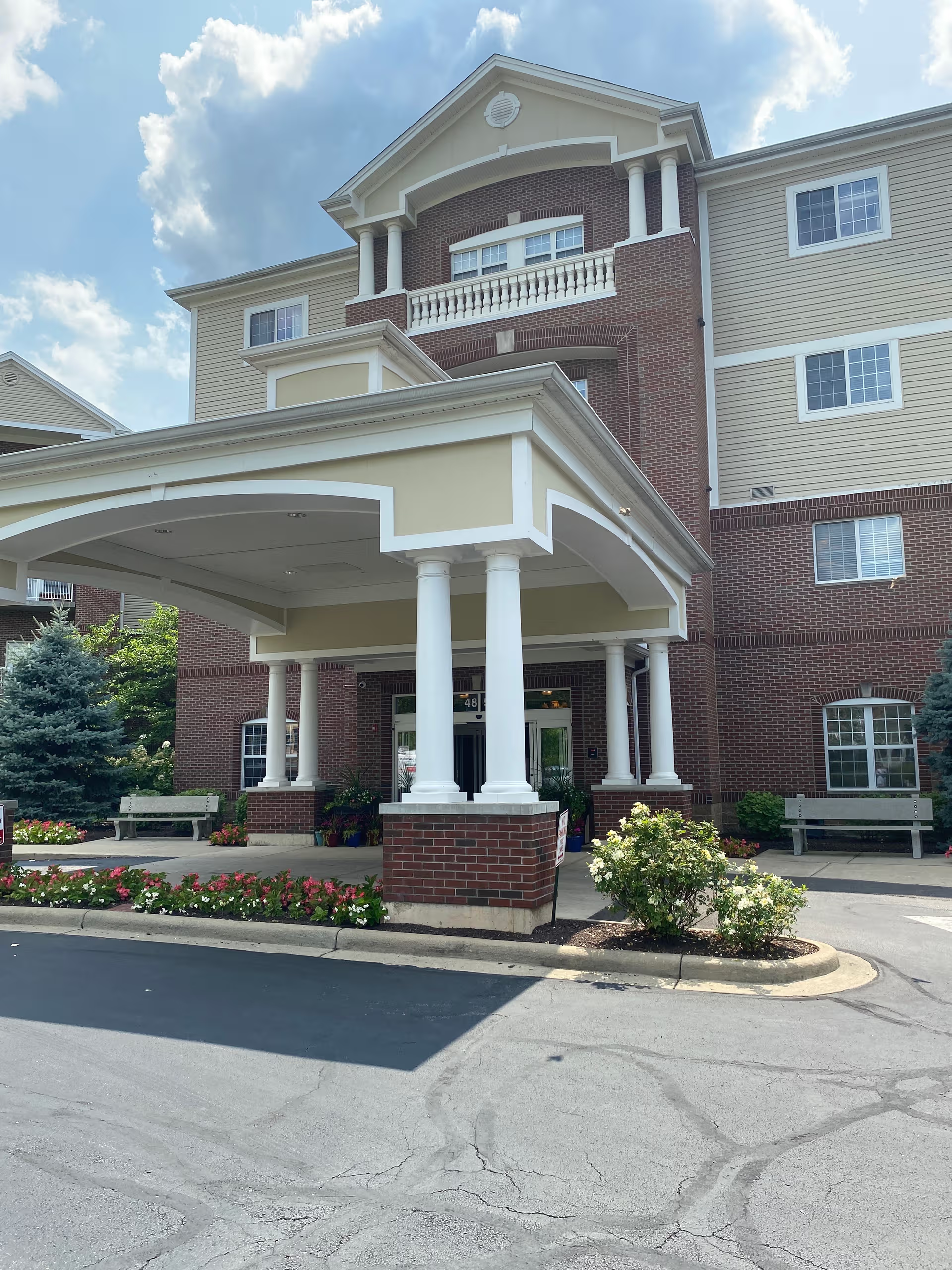
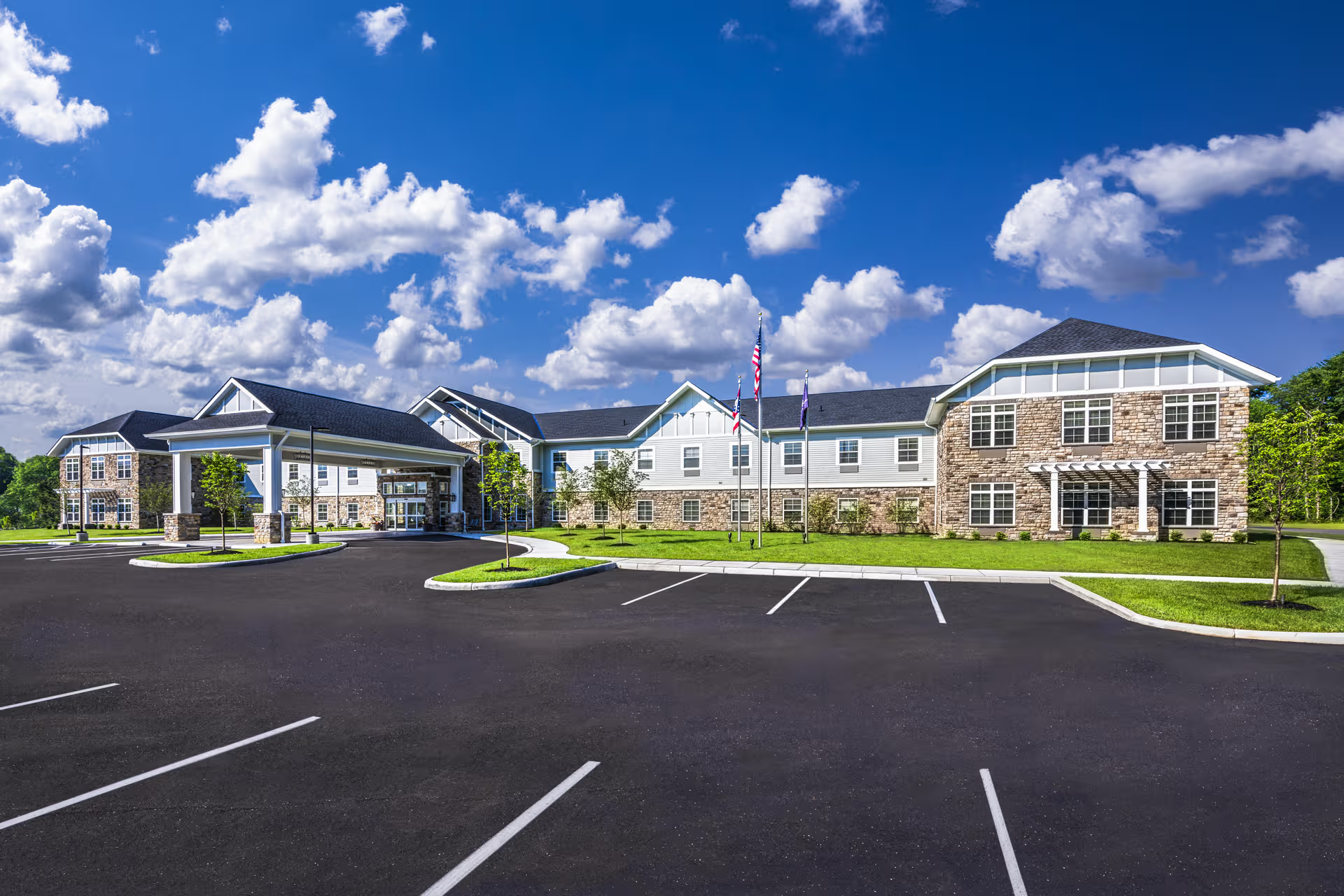
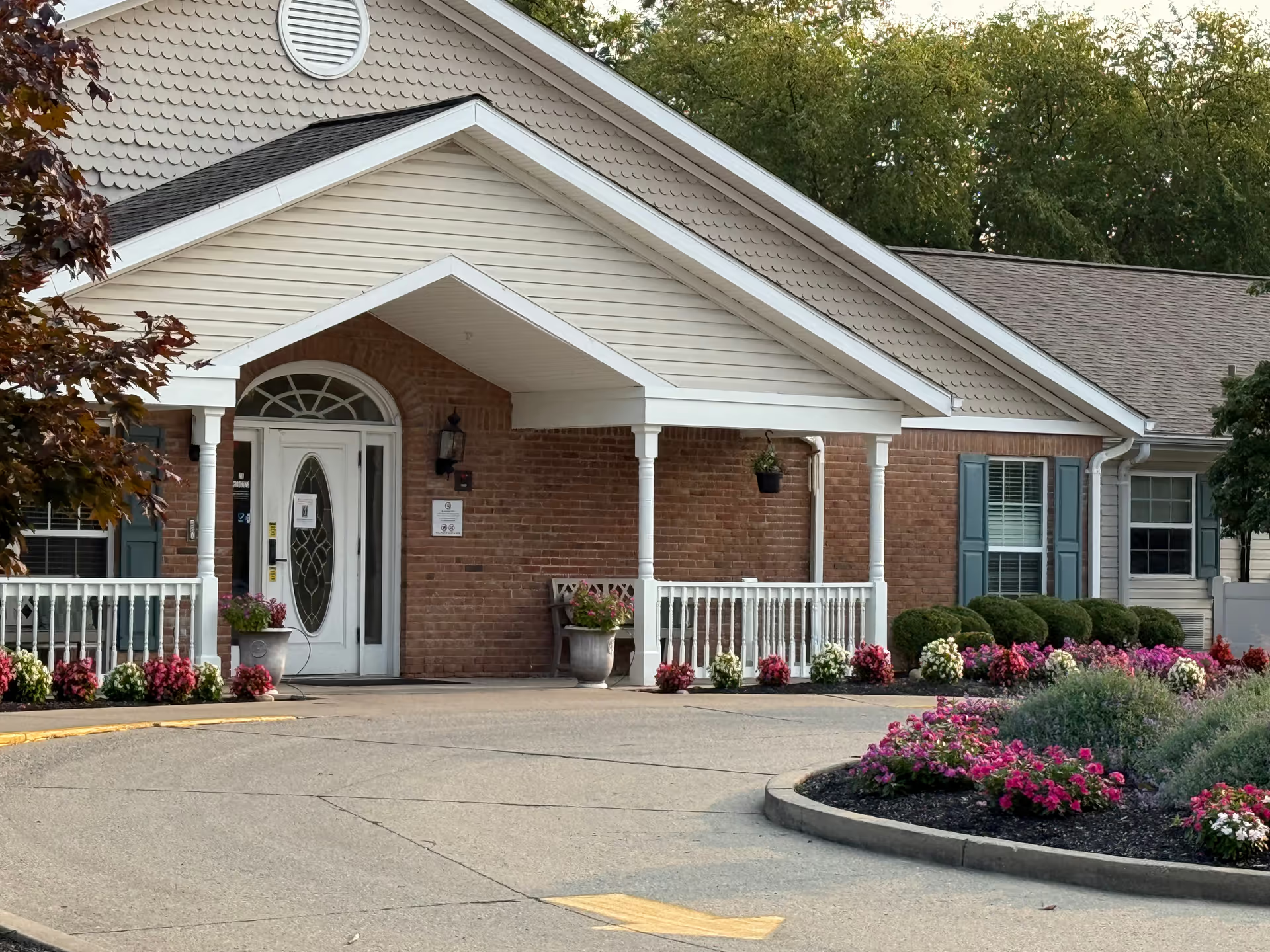
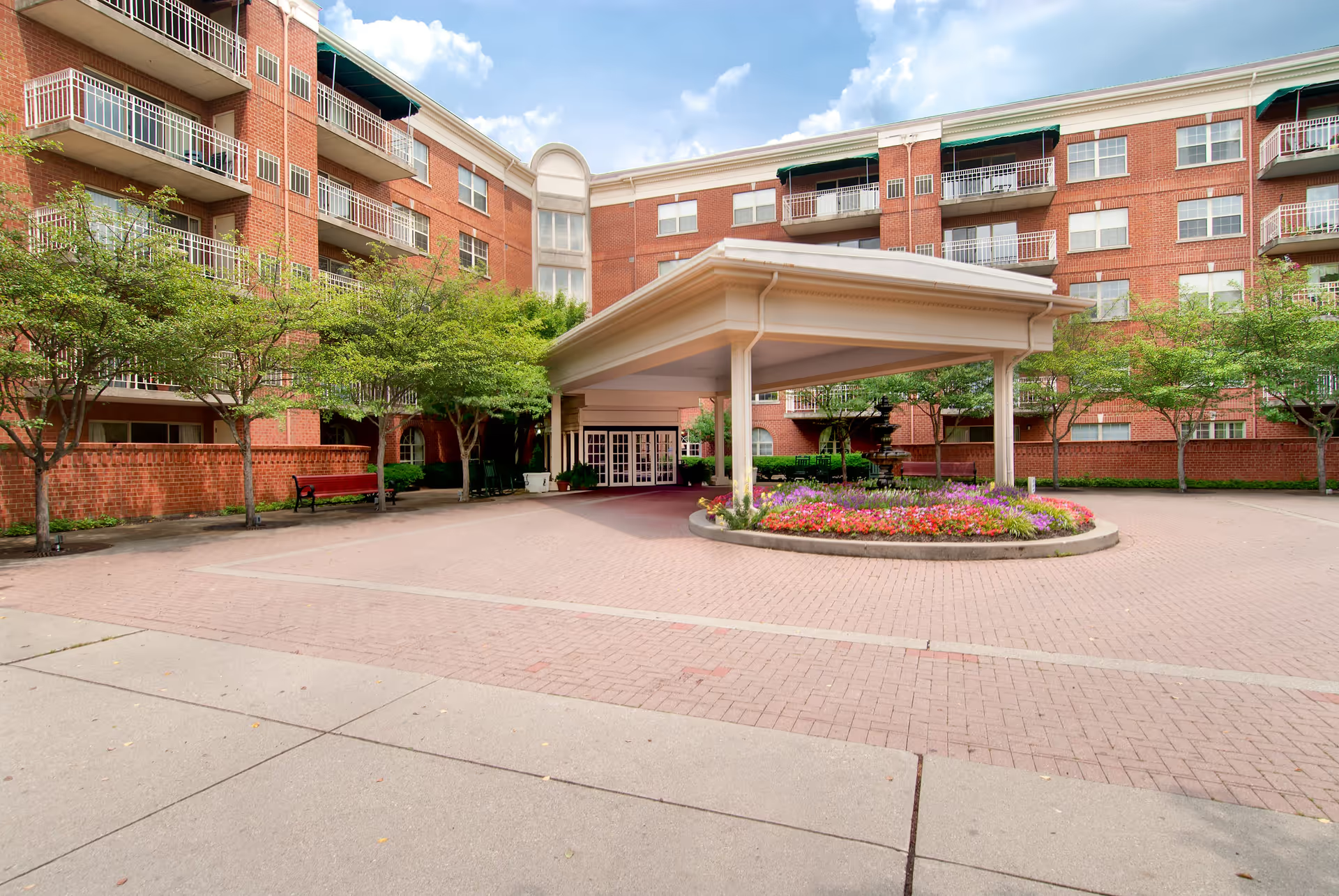
Facilities and management The physical plant is generally viewed favorably: clean, well-maintained rooms and communal areas, plus outdoor spaces such as a dog park. Management is frequently described as proactive and accessible; several reviewers named leaders positively for facilitating smooth memory-care transitions. Noted operational weaknesses include occasional marketing or site-photo discrepancies that may create different expectations for prospective families, and comments about costs increasing as care needs progress.
Notable patterns and guidance for prospective families The dominant pattern is strong, resident-focused caregiving anchored by active programming and management involvement. Prospective families should weigh the positive culture and memory-care strengths against operational considerations: ask about weekend staffing plans and aide consistency, clarify current dining offerings and recent chef changes, request an up-to-date tour of the areas shown online, and get a clear fee schedule that illustrates how costs change with higher care needs. Those steps will help determine whether the community’s overall strengths align with a given resident’s needs and expectations.