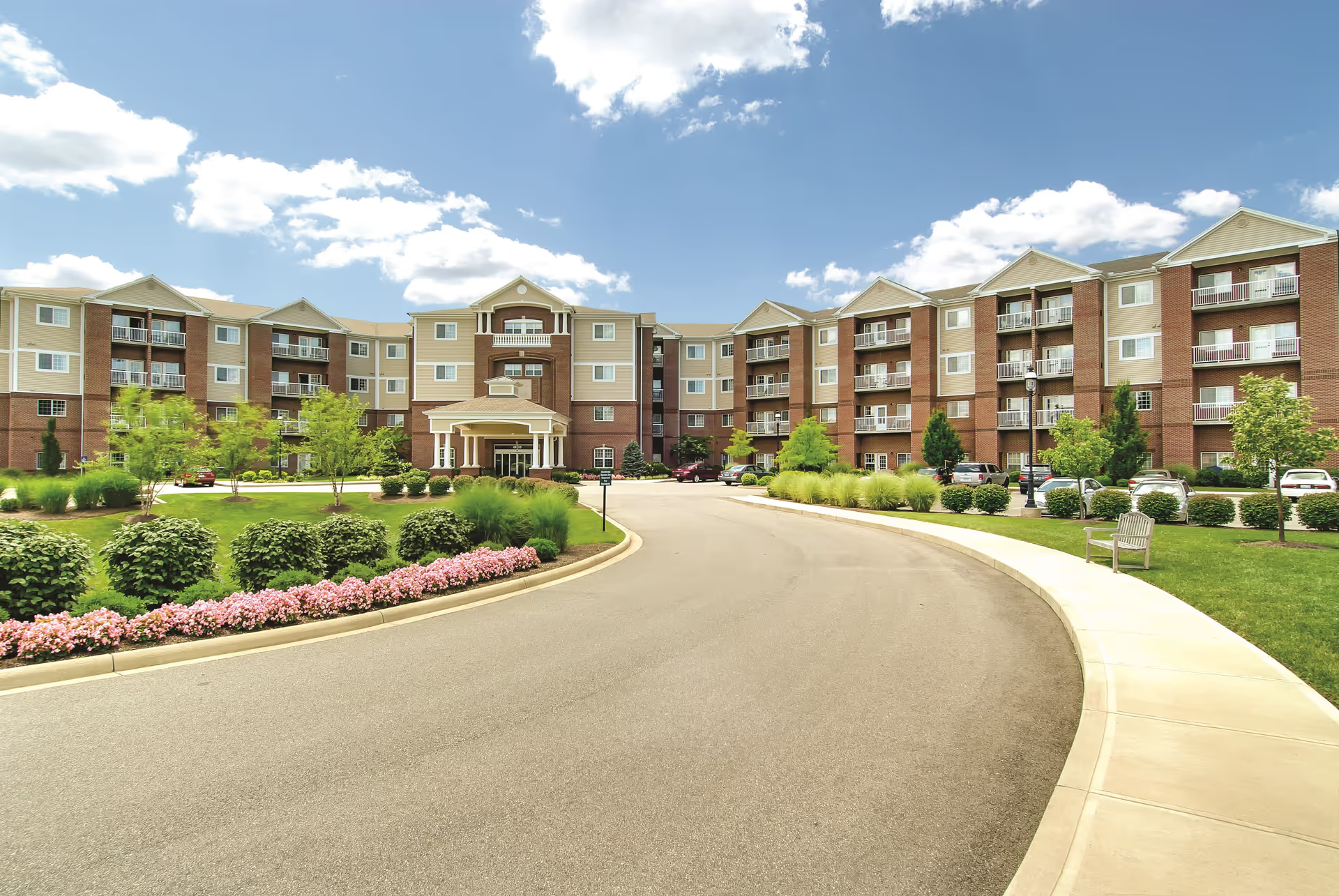
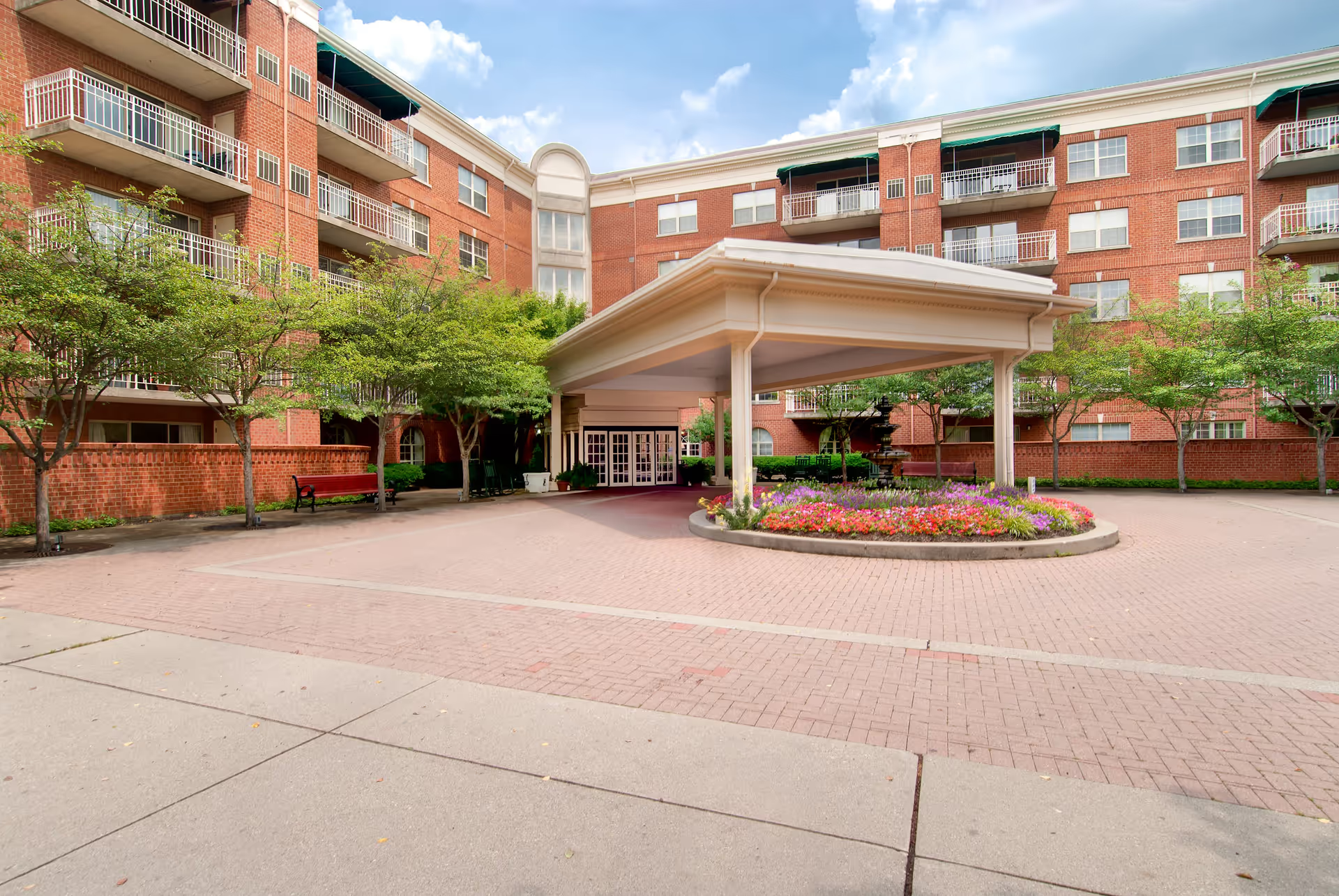
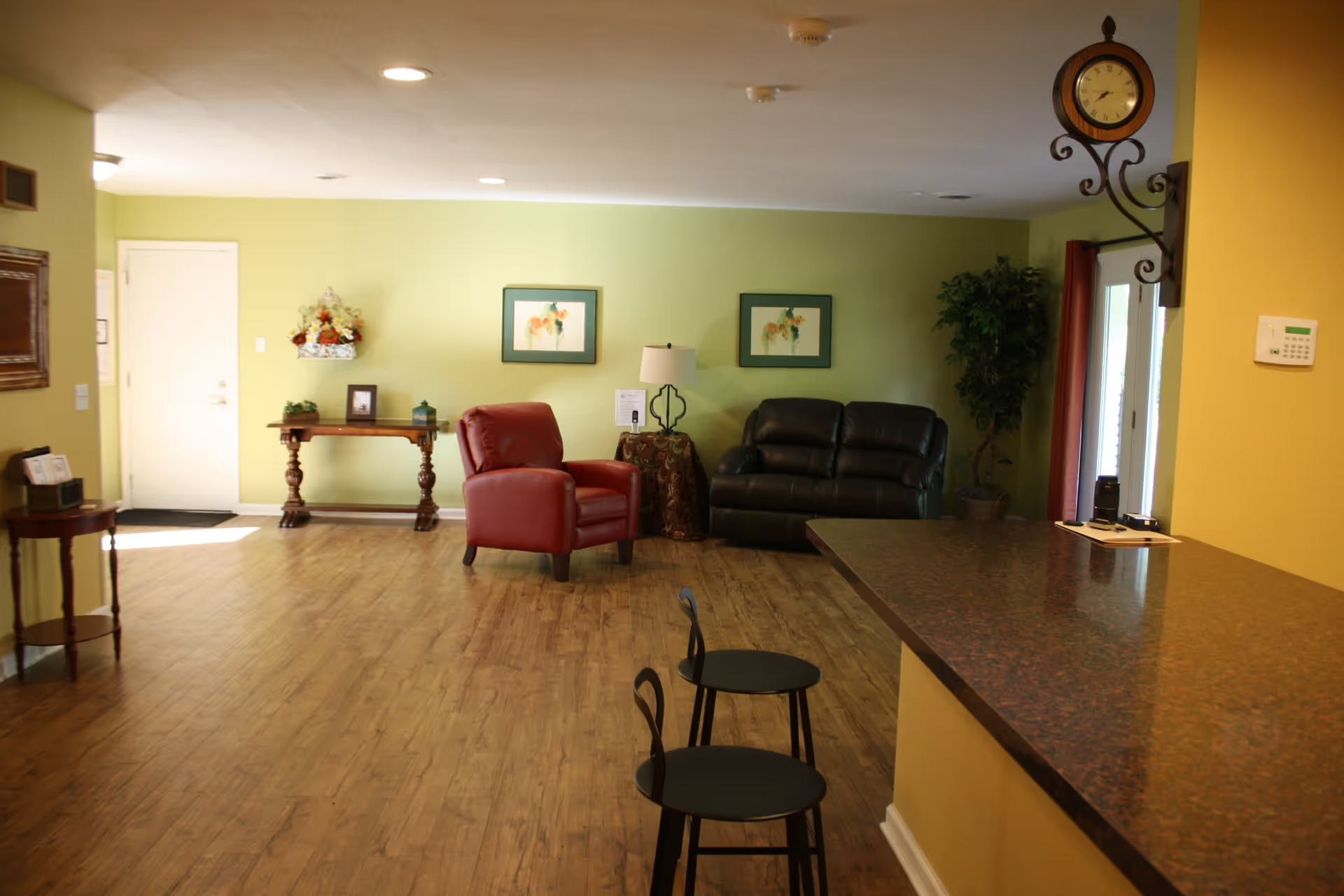
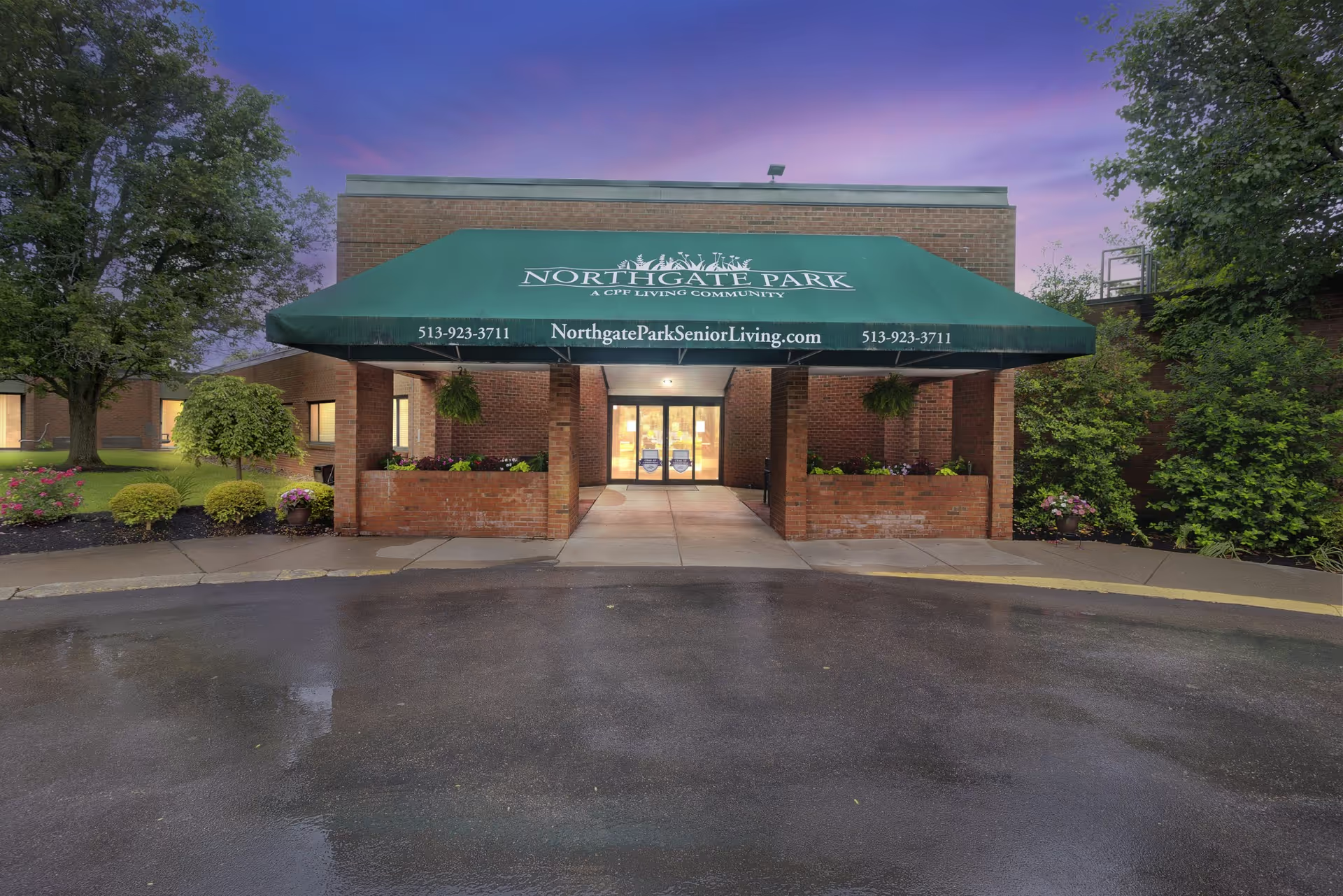
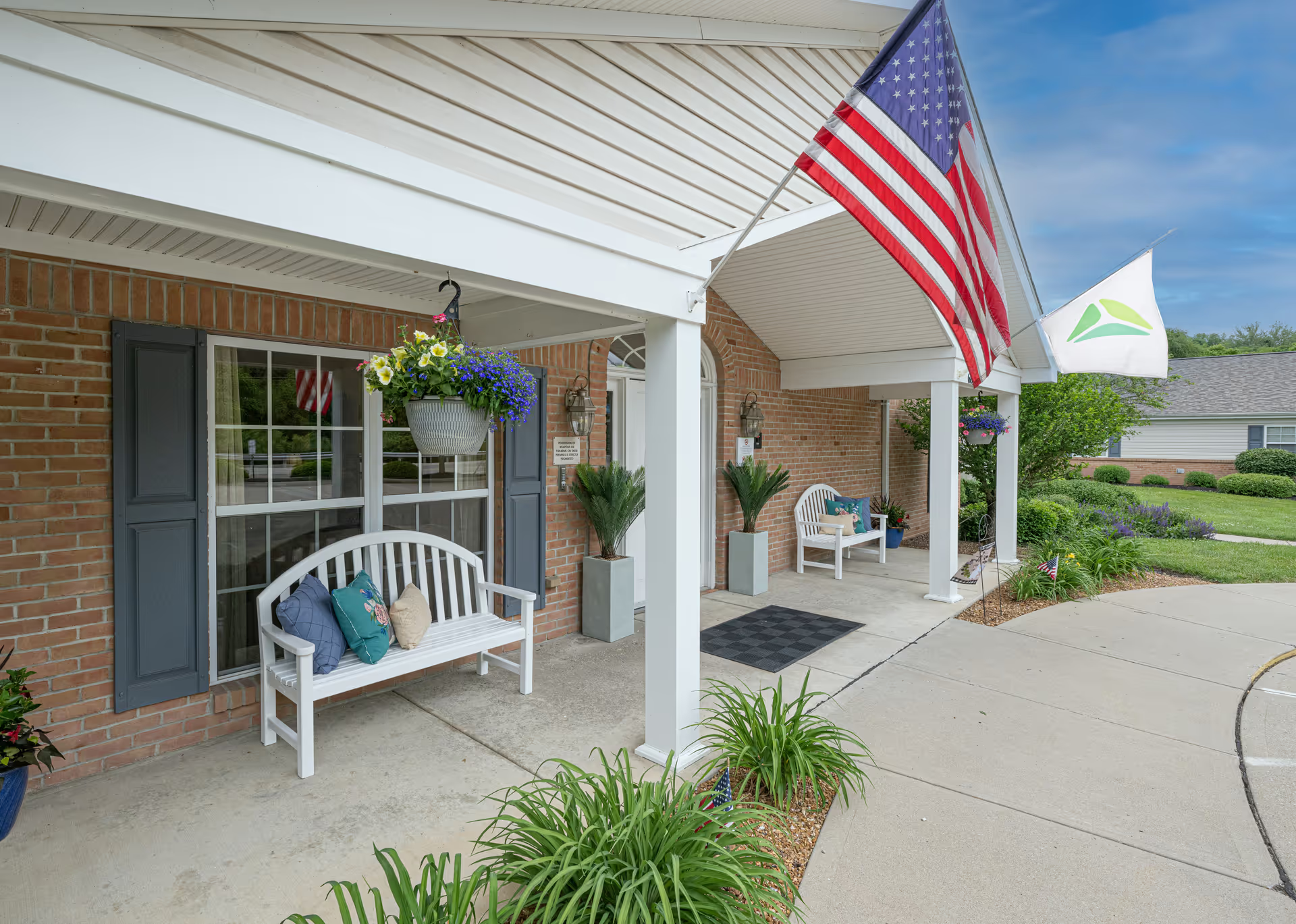
Reviews of Harmony Court Rehab and Nursing show a clear divide between the facility’s human resources strengths and several facility-level operational weaknesses. Many families and residents consistently praise the direct-care workforce — aides, therapists, some nurses, and front‑desk staff — for being compassionate, attentive, and accommodating. Therapy services (PT/OT/Speech) and activity programming receive strong, repeated praise for producing positive rehabilitation outcomes and fostering social engagement. The property’s lobby, foyer, landscaped grounds, and some private rooms are described as pleasant and comfortable, and there are reports of successful short-term rehab discharges back to home.
Clinical care quality appears to be variable. While reviewers highlight skilled therapists and committed caregivers who provide individualized attention, others raise concerns about inconsistent clinical responsiveness, particularly during nights or high-acuity events. There are documented gaps in medication and dialysis coordination and in timely clinical incident response and family communication. Staffing shortages are described as a recurring operational issue that contributes to delayed assistance, inconsistent monitoring, and uneven care delivery across shifts.
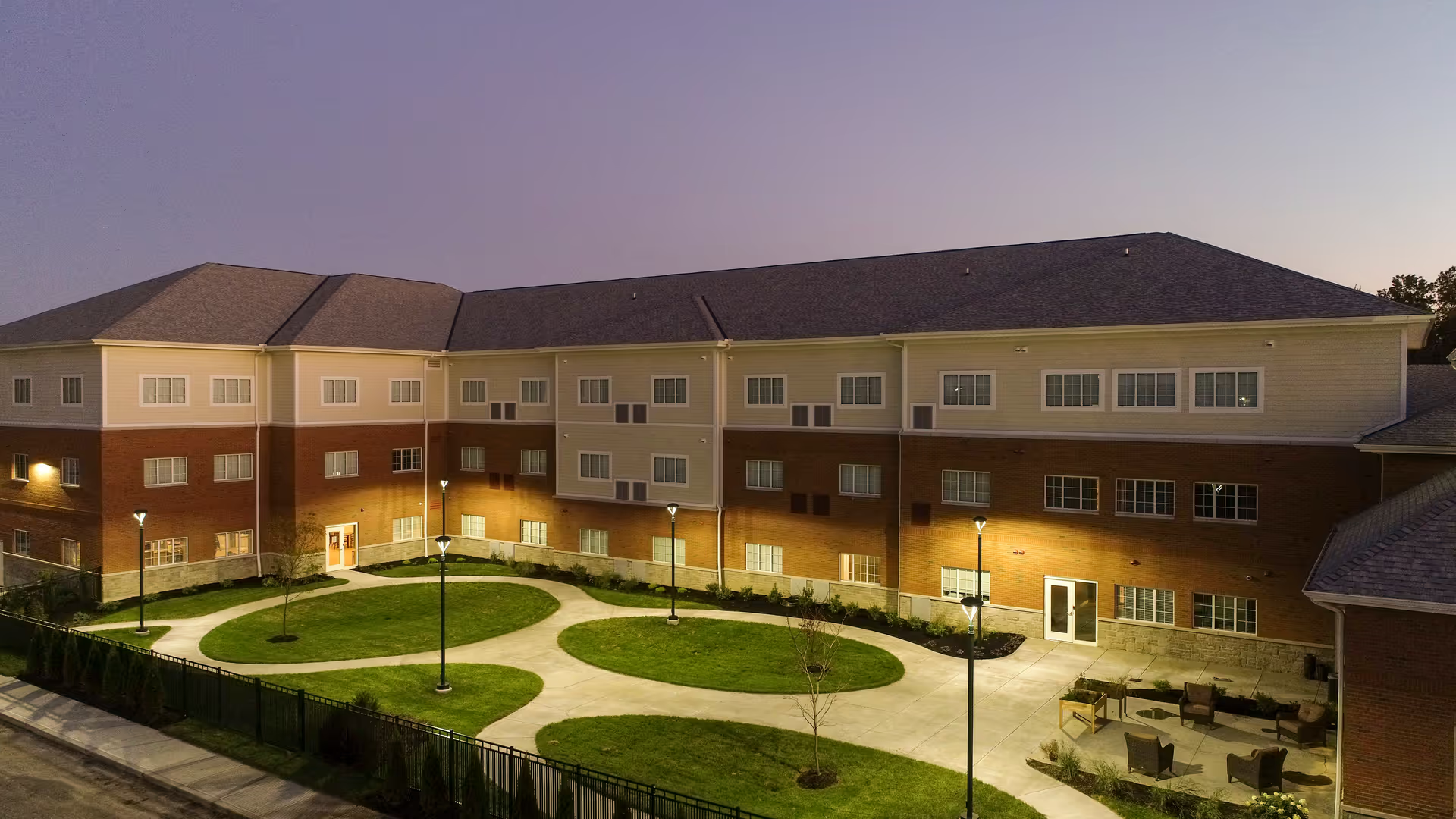
Dining and housekeeping feedback is mixed. Several accounts praise homemade-style meals and attentive housekeeping and laundry personnel; conversely, other accounts describe unbalanced menus, poor meal quality, and lapses in room cleanliness. Related facility issues include odor concerns, pest-control problems, and sanitation concerns in some resident rooms and common areas. Multiple reviewers also describe building maintenance deficits — mildew/mold, torn flooring, exposed wiring, and general need for renovation — with an observation that recent capital improvements have tended to focus on public spaces (lobby/foyer) while some resident rooms and the courtyard remain in need of attention.
Management and communication receive mixed evaluations. Some families commend proactive administrators and a helpful reception team, but others describe slow return of calls, difficult interactions with leadership, and perceived declines in management effectiveness. Security and access-control have been questioned in a few accounts. Overall, the pattern suggests a facility with strong frontline caregivers and therapy programming but operational inconsistencies that affect the resident experience and, in some cases, clinical continuity. Prospective residents and families should weigh the facility’s rehabilitation and activity strengths against reports of cleanliness, maintenance, staffing variability, and care-coordination gaps; asking targeted questions about staffing levels, infection-control practices, medication/dialysis processes, and a tour of resident rooms (not only public spaces) is advisable prior to placement.