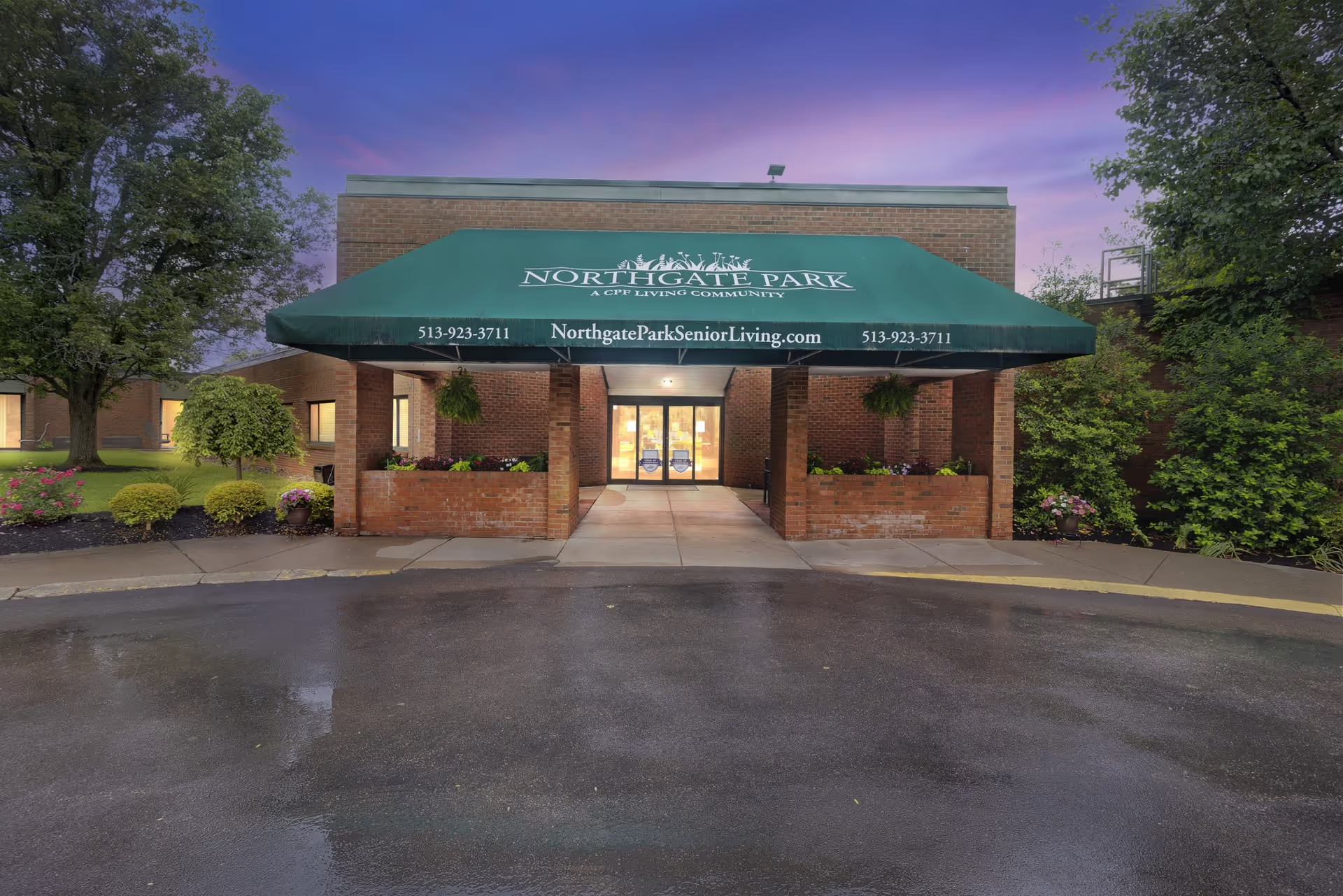
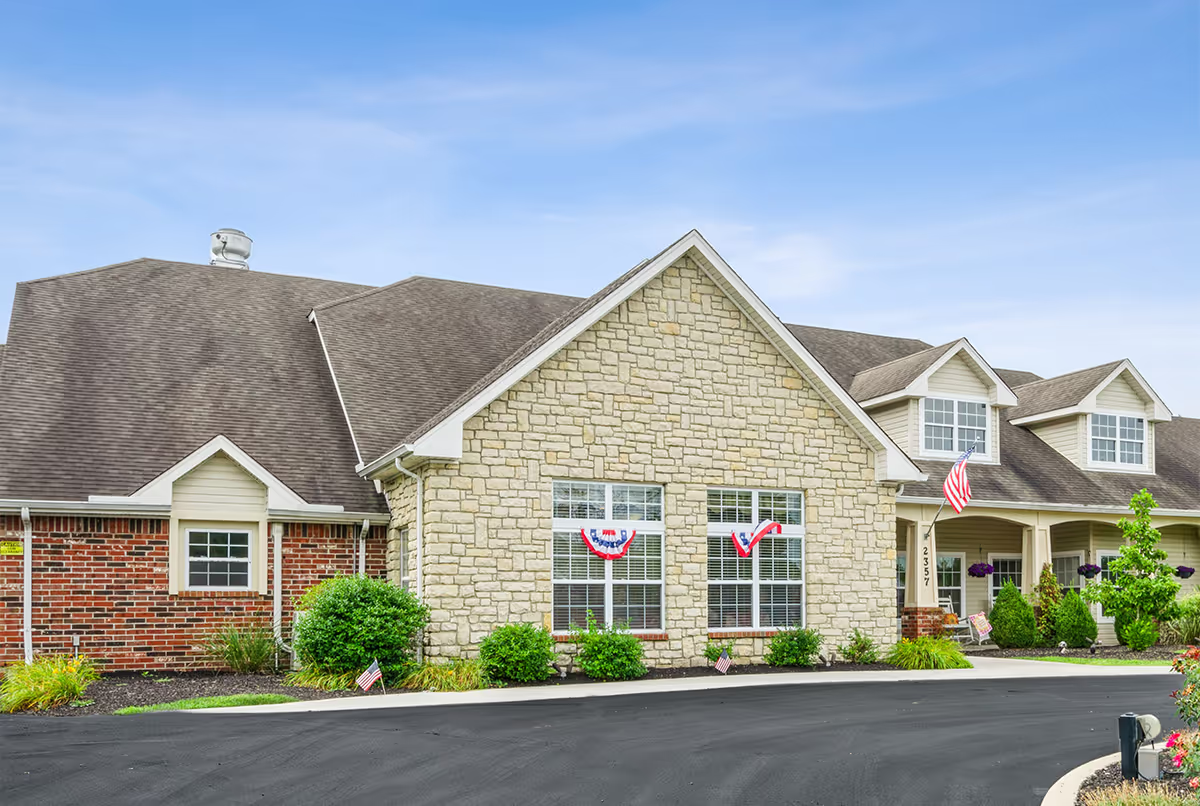
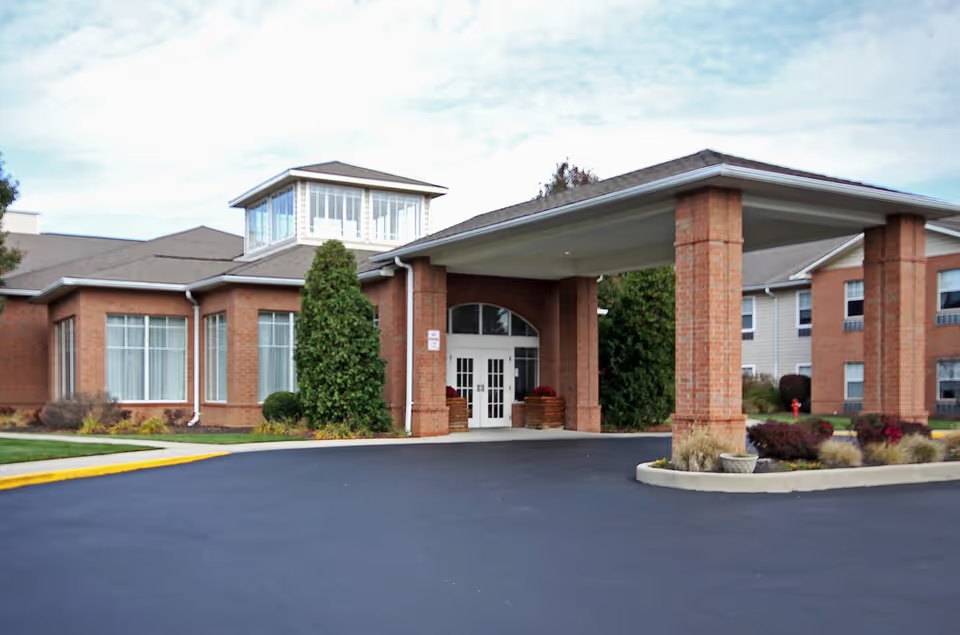
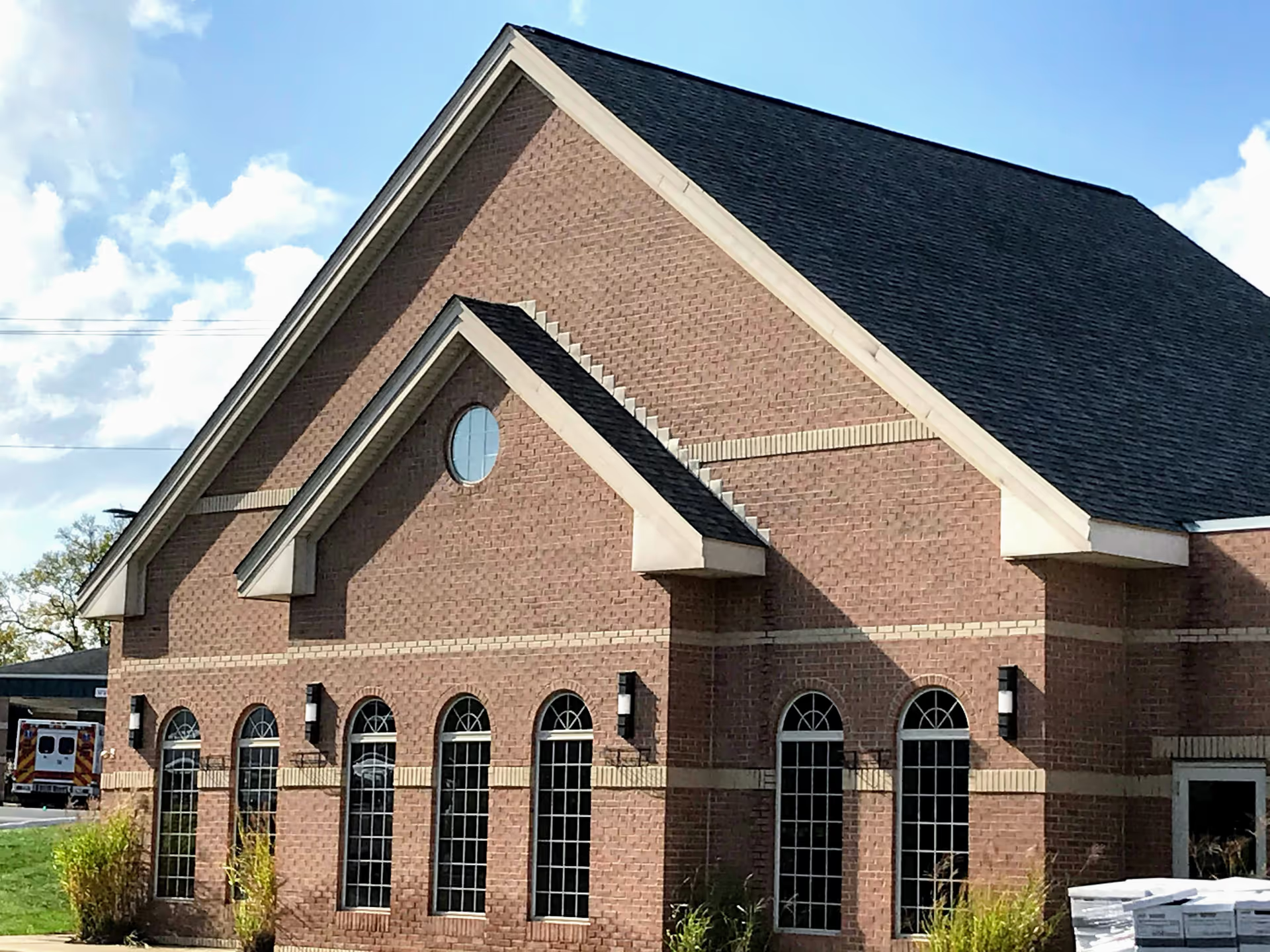
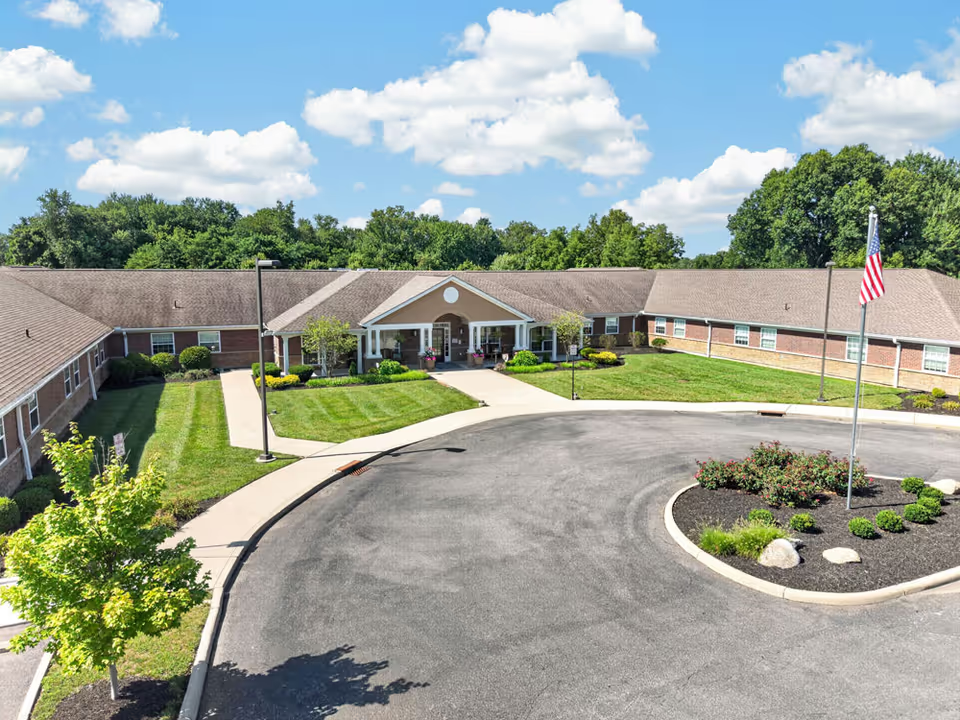
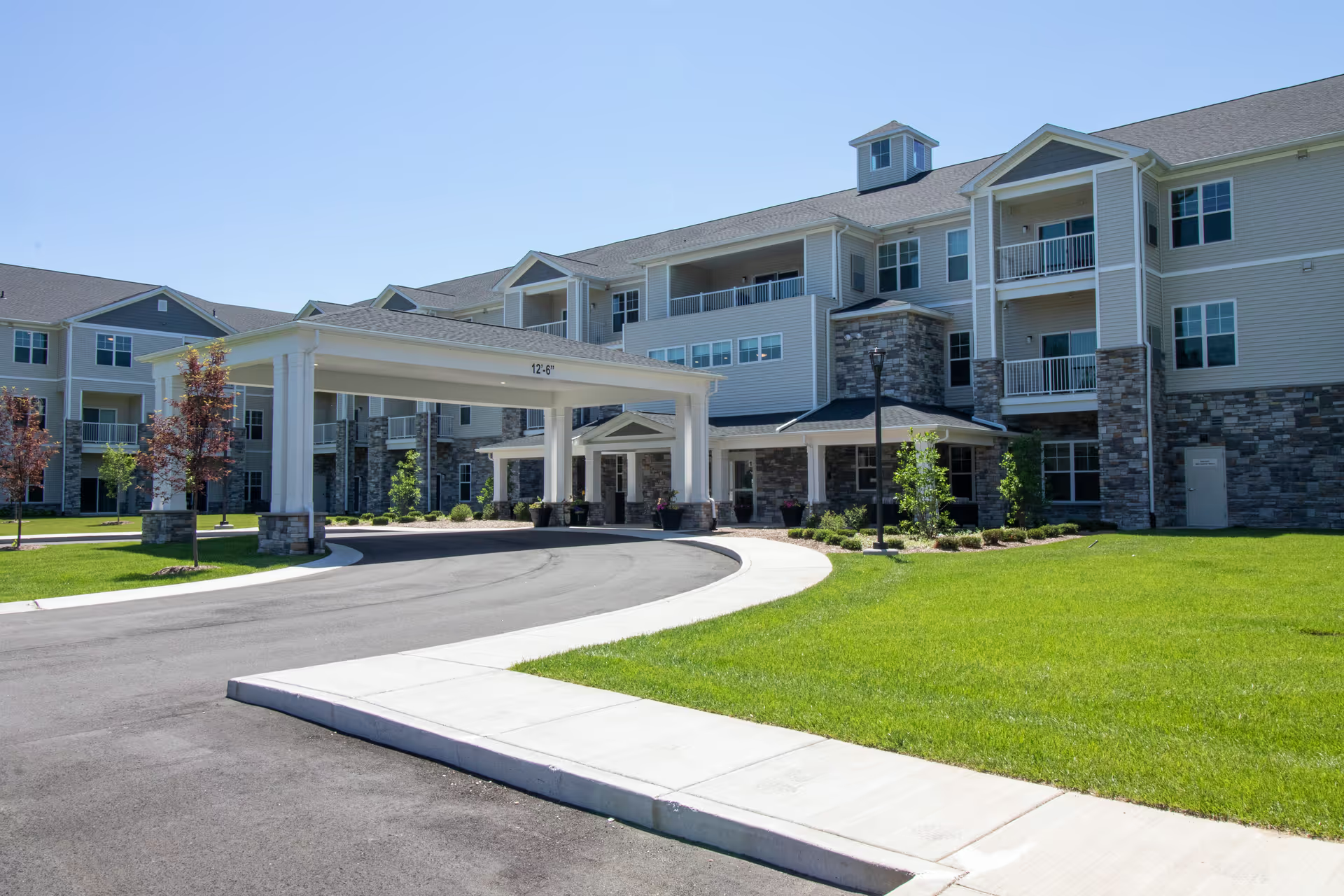
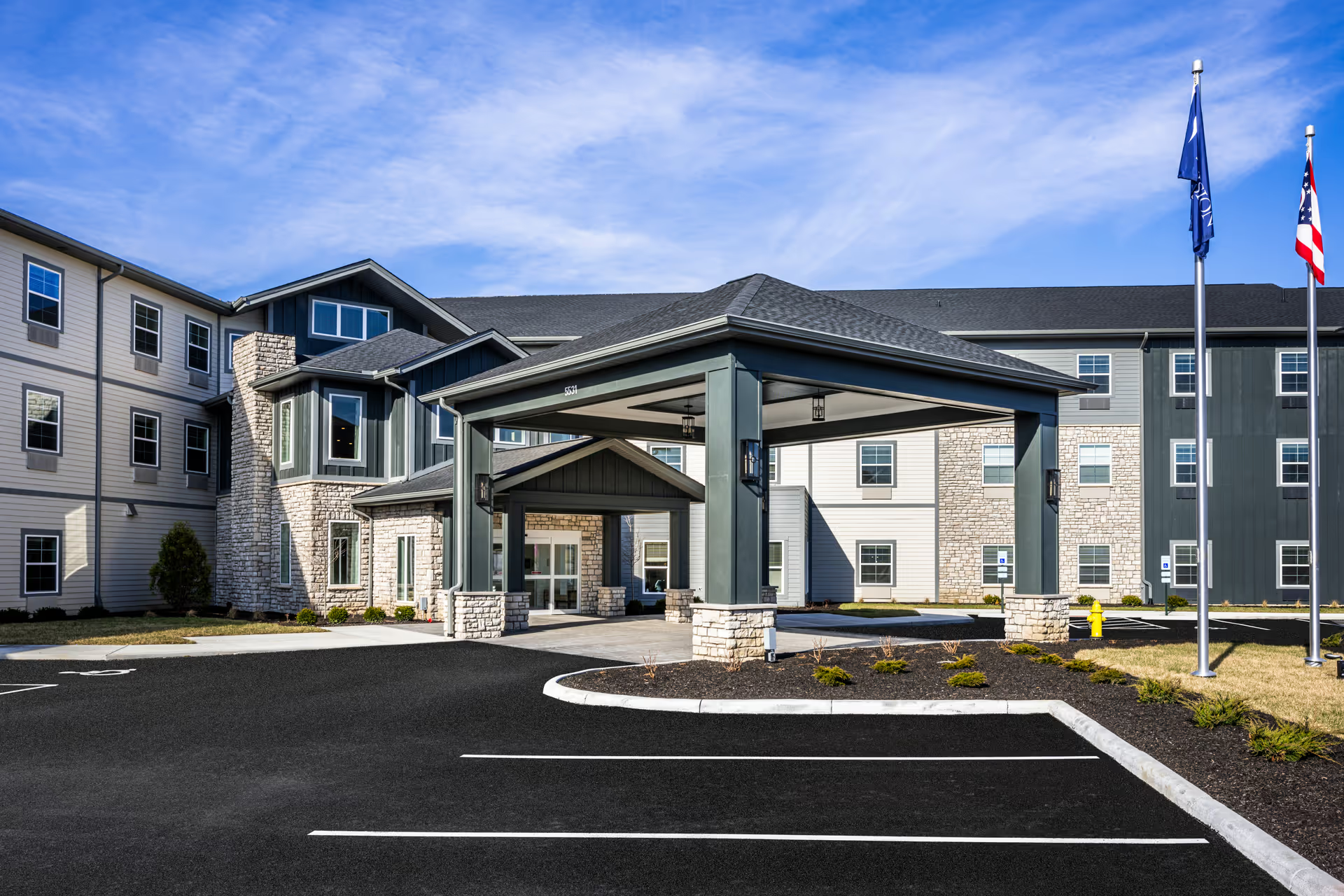
Home at Taylor's Pointe elicits sharply mixed impressions across reviewers. Many families and residents describe warm, compassionate caregivers, an engaged therapy team, and a generally pleasant, well-kept facility atmosphere. Positive accounts emphasize proactive nursing leadership, an accommodating admissions team, effective dementia care, and a variety of activities that contribute to a family-like community. When staffing and communication are functioning, reviewers report confidence in day-to-day care, timely therapy, and consistently clean rooms and communal areas.
Conversely, a substantial set of reviews describe operational weaknesses that materially affect care quality. The most recurrent themes are inconsistent staffing levels (notably overnight and on weekends), delays in medication administration or difficulty obtaining essential medications, and gaps in admission/transfer logistics such as unavailable mobility equipment or rooms not being ready. Several reviews raise sanitation concerns in specific common areas and note inconsistent laundry and personal-property handling. Reviewers also describe episodes suggesting uneven adherence to infection-control practices and hand-hygiene or PPE use.
Communication and administrative practices are additional focal points. Families cite both strong, proactive communication from nursing leadership and, in other cases, poor responsiveness from staff and phones, confusing billing statements, and difficult interactions with human-resources or office personnel. There are also concerning descriptions of access barriers for external clinicians and hospice providers, and at least one set of comments asserts limitations on hospice-provider choice; those comments suggest potential compliance risks that families should clarify directly with the facility.
Dining and nutrition feedback is mixed: some families praise the food and dining environment, while others describe missed meal delivery or nutritional lapses that could present increased risk for residents with conditions like diabetes. Activity programming and the therapy department receive consistently favorable remarks when staffed and led well, but outcomes appear variable for some residents. Management impressions diverge as well — several reviewers note improvement under new leadership and attentive oversight, while others perceive cost-driven priorities or inadequate follow-through on complaints.
For prospective residents and families: the facility shows capacity for high-quality, compassionate care and a pleasant physical environment when staffing and management practices are operating well. However, the pattern of divergent experiences suggests the facility has variability in operational consistency. Before placement, families should verify current staffing levels for intended shift coverage, medication-administration processes (including after-hours access), hospice-provider policies and contractual arrangements, linen and laundry procedures, and the facility's recent state inspection or deficiency history. Those verifications will help determine whether the facility's strengths align with an individual resident's clinical and safety needs.