Overall impression: Reviews of Indianspring Skilled Nursing Facility are highly polarized. The facility is frequently praised for its rehabilitation program, activities, admissions team, and attractive physical environment. At the same time, recurring operational weaknesses—most notably staffing shortages and inconsistent clinical oversight—appear repeatedly and have produced adverse family experiences. Prospective residents and families may encounter either a largely positive transition focused on therapy and social engagement or a set of operational shortfalls that affect day-to-day care.
Care quality and clinical oversight: Physical and occupational therapy are consistently described as strong points; reviewers credit therapists with measurable functional gains and good communication. In contrast, skilled nursing and clinical oversight are uneven. Families report delayed responses to calls, medication timing issues, inconsistent wound and incision checks, and sporadic physician or advanced-practice provider presence. These patterns have been associated with transfers to acute care and infection concerns in individual accounts. The operational theme is variability in clinical follow-through rather than uniform clinical failure.
Staffing and staff conduct: Many individual staff members receive direct praise—particularly rehabilitation staff, certain aides, and some nurses—for compassion and professionalism. Admissions staff and specific administrators are also frequently commended for responsiveness and helpful transitions. However, reviewers repeatedly cite chronic understaffing, staffing gaps after hours, and variable staff tone or conduct. These staffing issues are linked to slow call responses, missed personal-care tasks, and inconsistent resident supervision.
Dining and nutrition: Dining and the kitchen receive mixed feedback. Several reviewers applaud the chef and describe meals as fresh and enjoyable; others report cold meals, limited menu selection, and high-sodium preparation. There are also concerns about nutrition communication and monitoring (including reported high blood sugars attributed to meal/nutrition management), indicating inconsistent alignment between dietary planning and clinical needs.
Activities and social environment: The activities program is a clear strength for many families. Coordinated social programs, holiday events, and creative solutions for virtual visitation (e.g., FaceTime during COVID) are highlighted as improving resident morale and family connection. Residents and families who focused on social engagement and therapy tended to report better overall satisfaction.
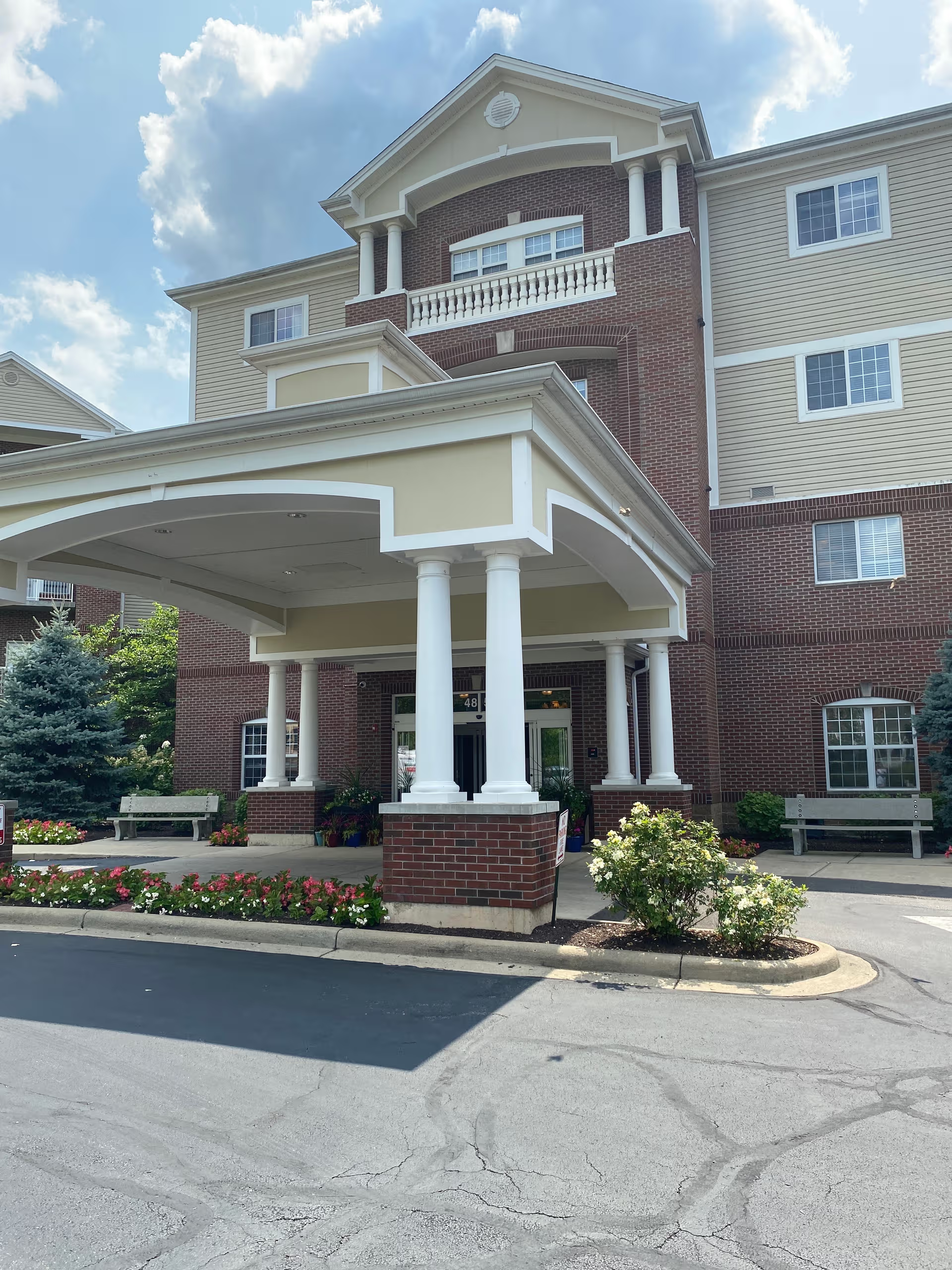
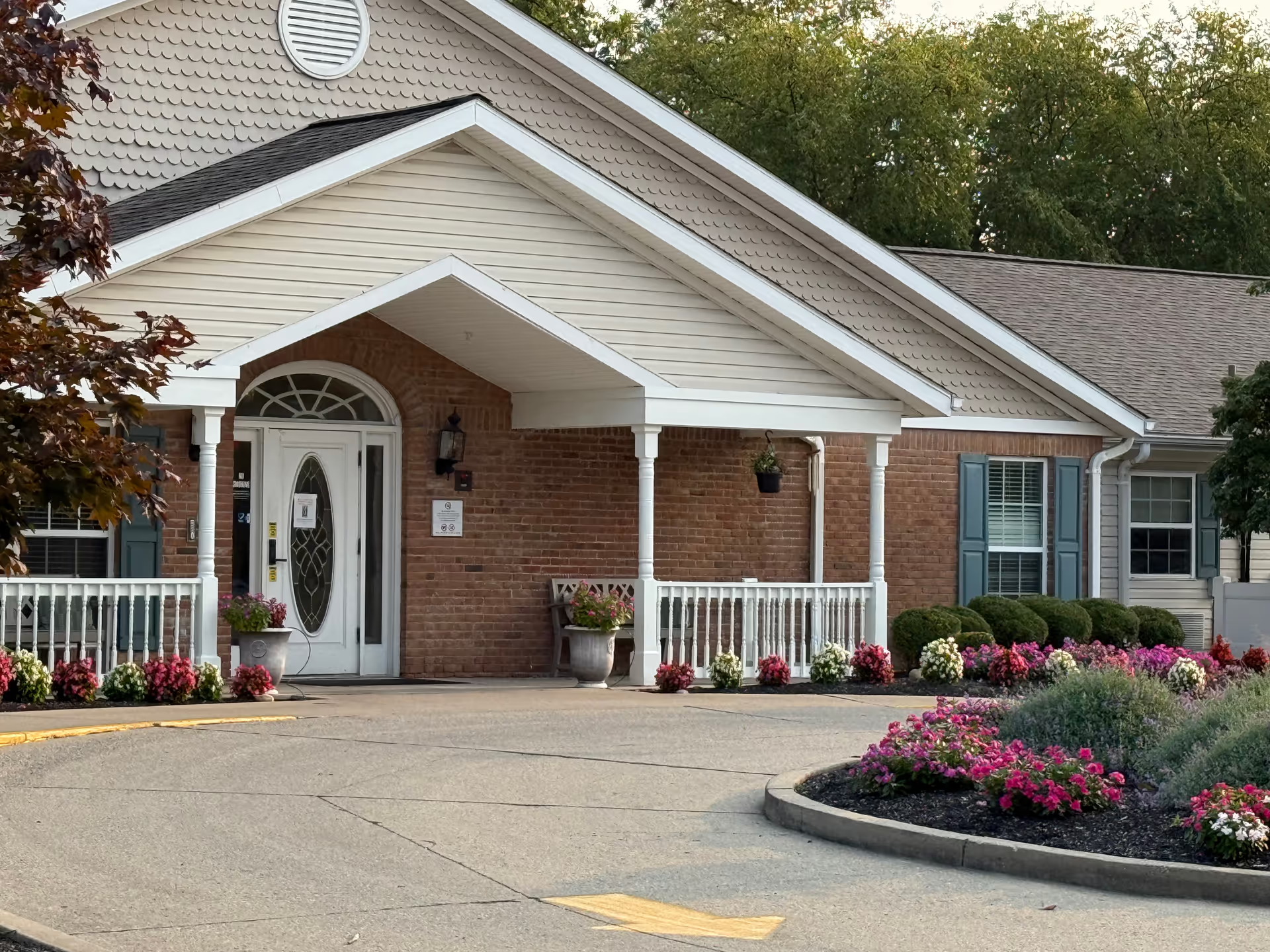
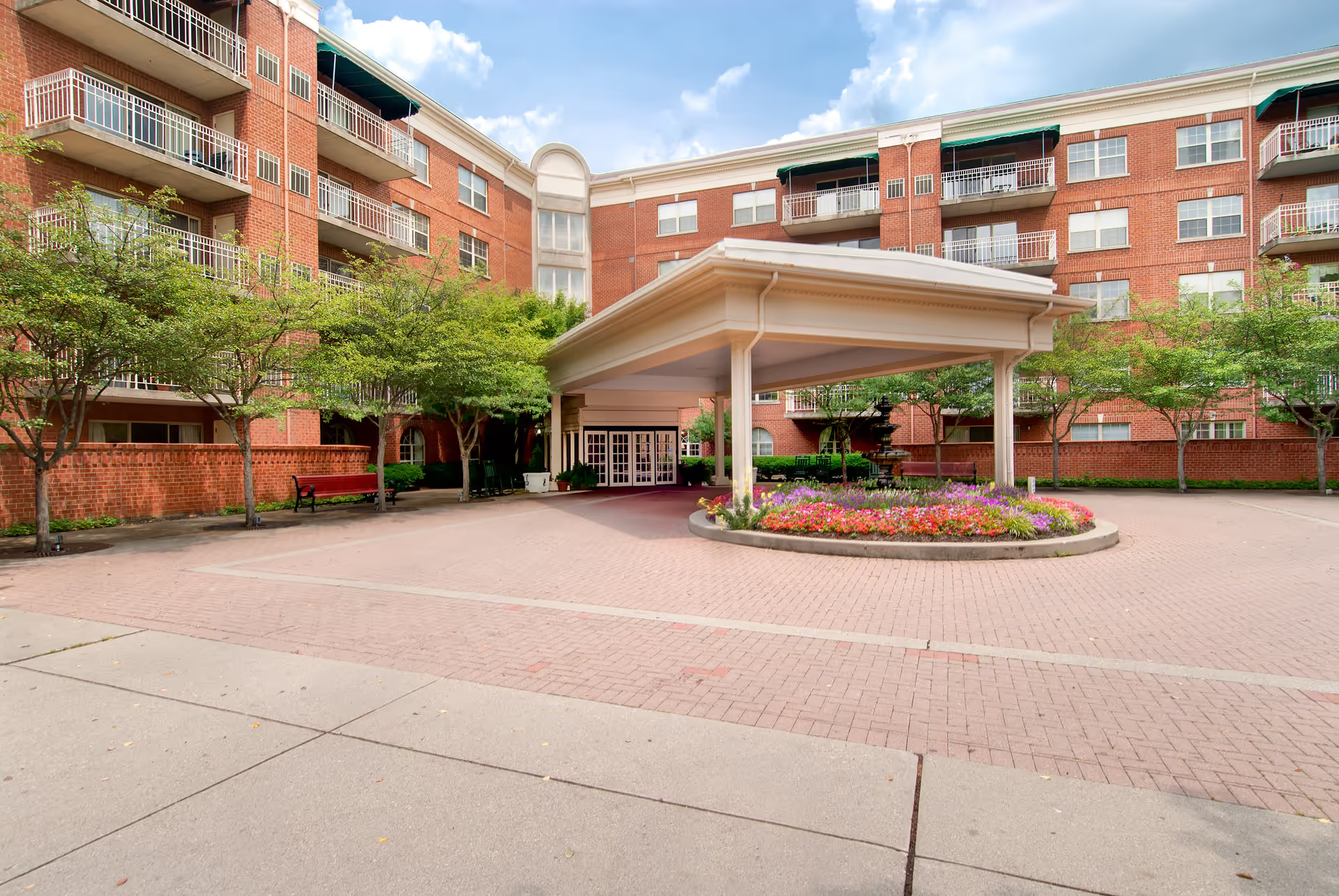
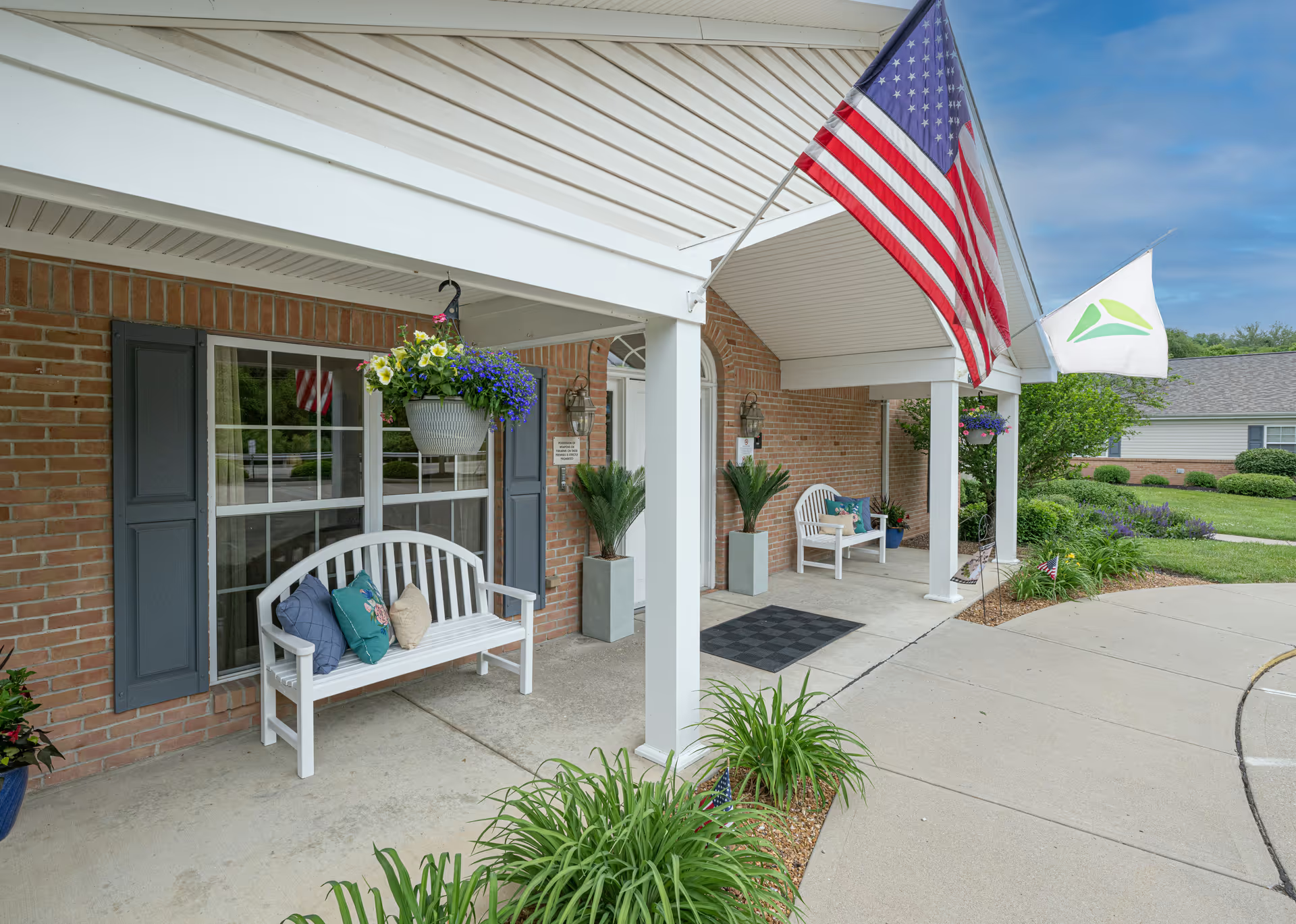
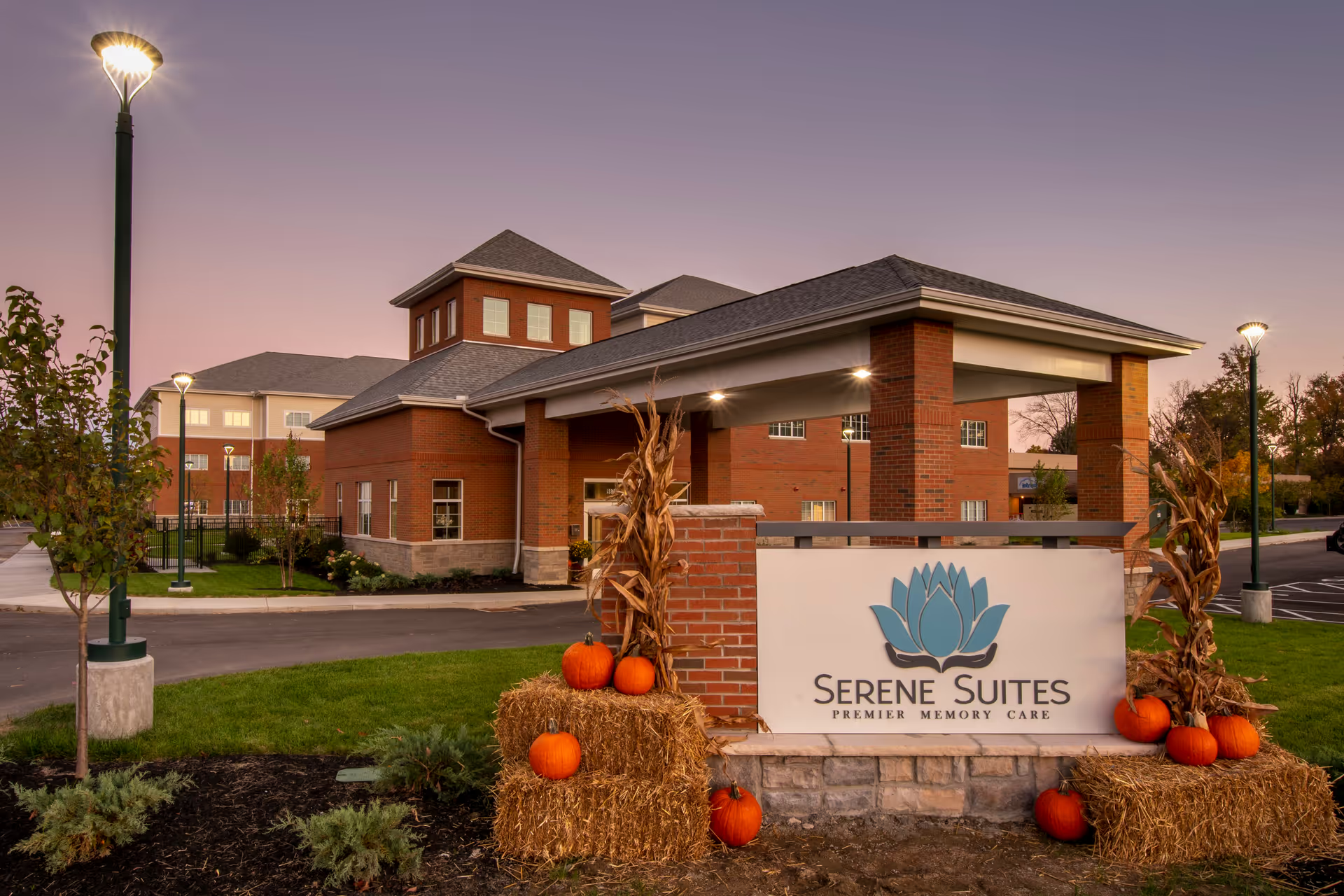
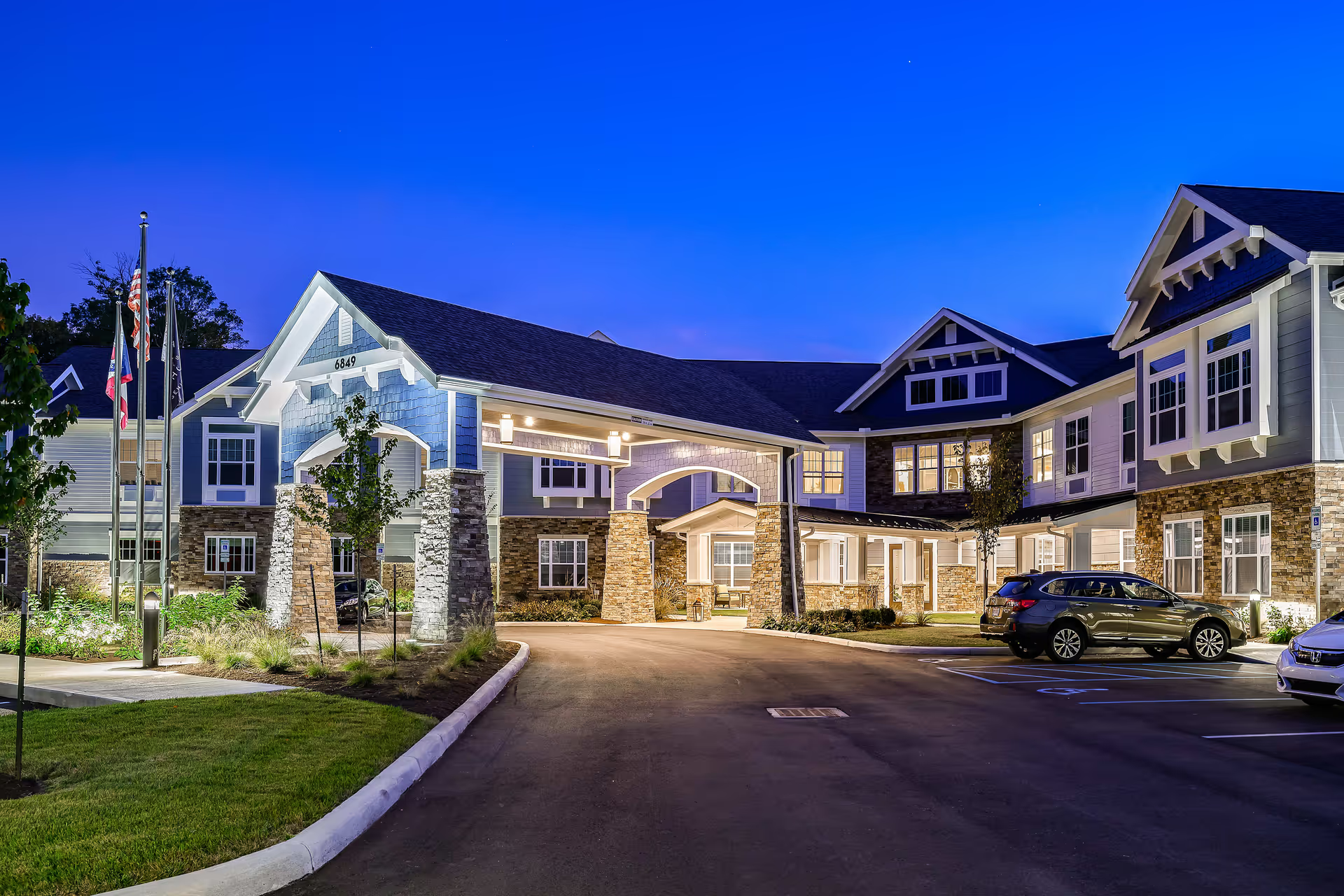
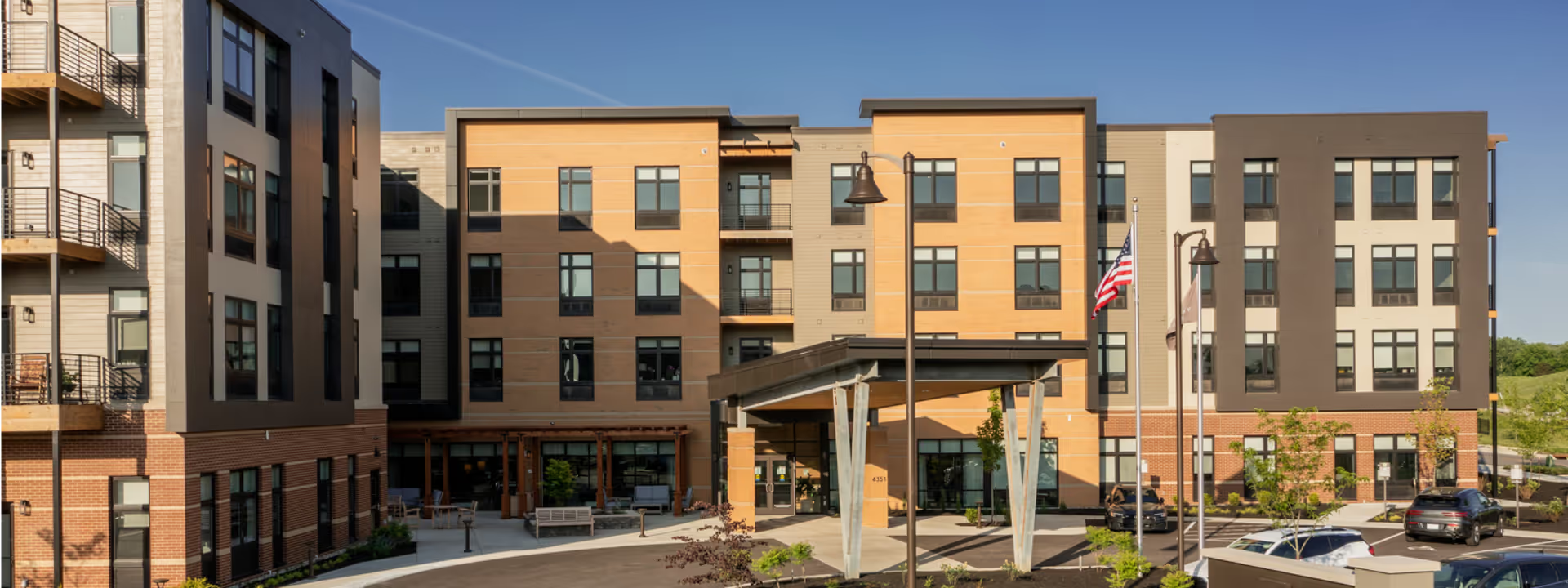
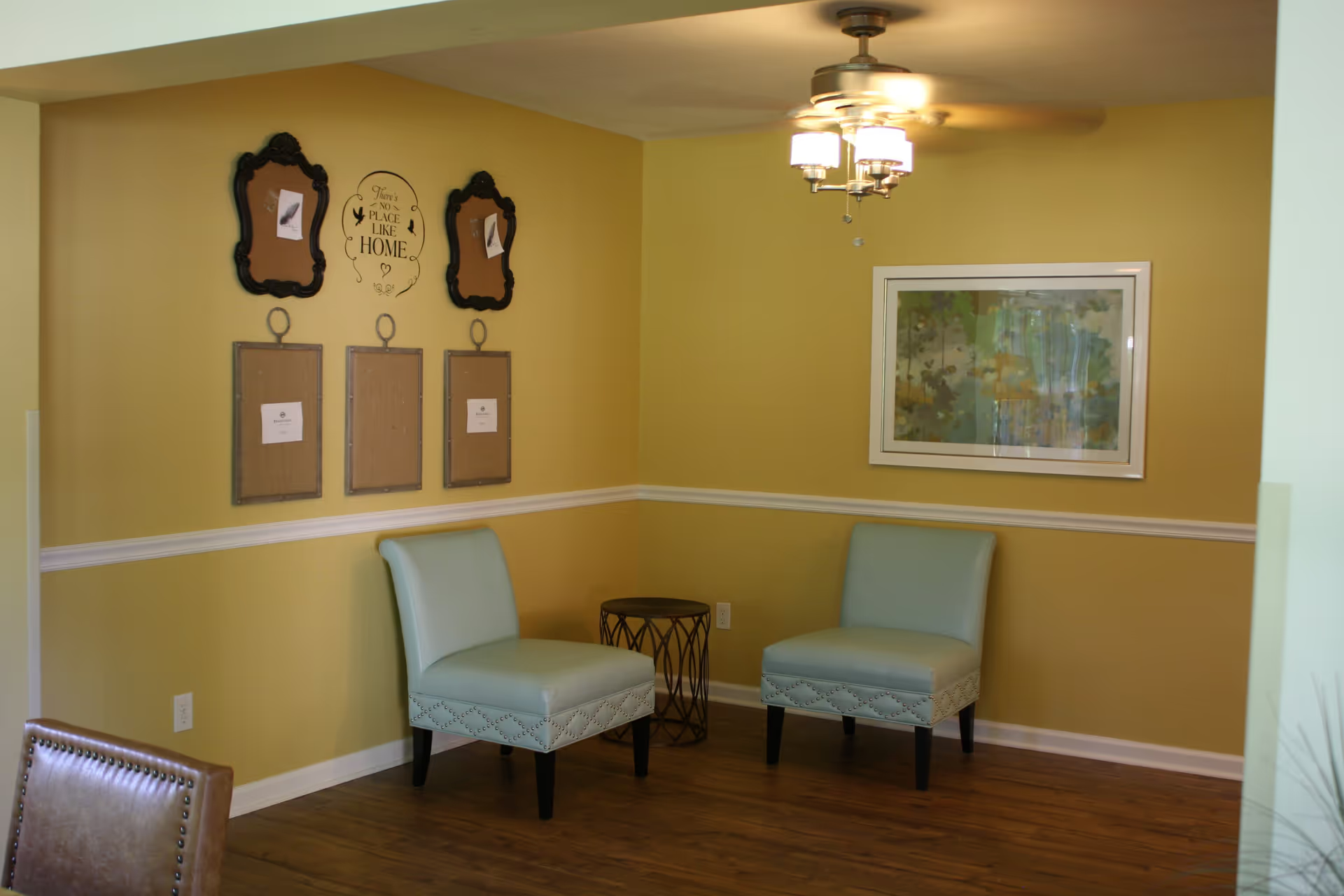
Facilities and operations: The building and resident rooms are frequently described as clean, modern, and well kept. At the same time, users report localized sanitation and odor concerns on specific units, broken equipment or furniture, inconsistent room cleaning frequency, and problems with laundry and lost personal items. Transportation logistics and fees for off-site appointments were also described as a recurring operational friction point.
Management, accountability, and serious allegations: Management response is mixed—some families describe prompt, helpful administrators who facilitate transitions and communication; others report weak follow-up on clinical orders and poor responsiveness to complaints. There are also serious allegations in reviewer comments, including concerns following a resident's death and claims of financial mismanagement and theft; these items suggest that some complaints may have escalated beyond standard grievance channels and could warrant regulatory attention.
Notable patterns and recommendations for families: The dominant pattern across reviews is variability by unit, shift, and staff assignment. Rehabilitation and activities are reliable strengths; clinical nursing coverage, medication administration, personal-care routines, and after-hours communication are the most frequent operational liabilities. Families considering Indianspring should perform an in-person visit across multiple times of day, ask about staffing ratios and after-hours clinical coverage, review medication-administration and wound-care protocols, request documentation of nursing and therapy oversight, clarify laundry and billing policies, and inquire about any regulatory actions or formal complaints. This approach will help identify whether the facility’s strengths align with the specific needs of a prospective resident.