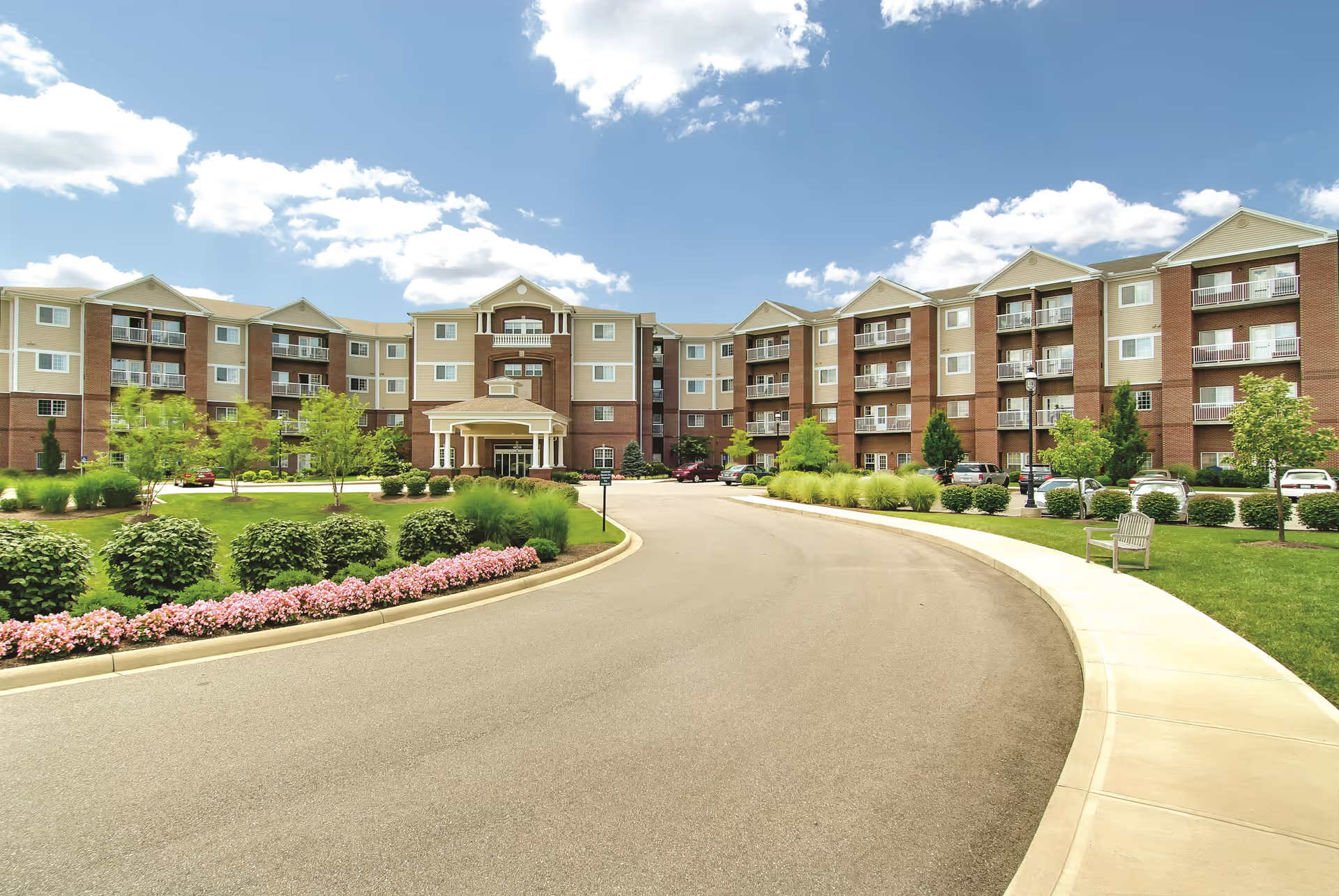
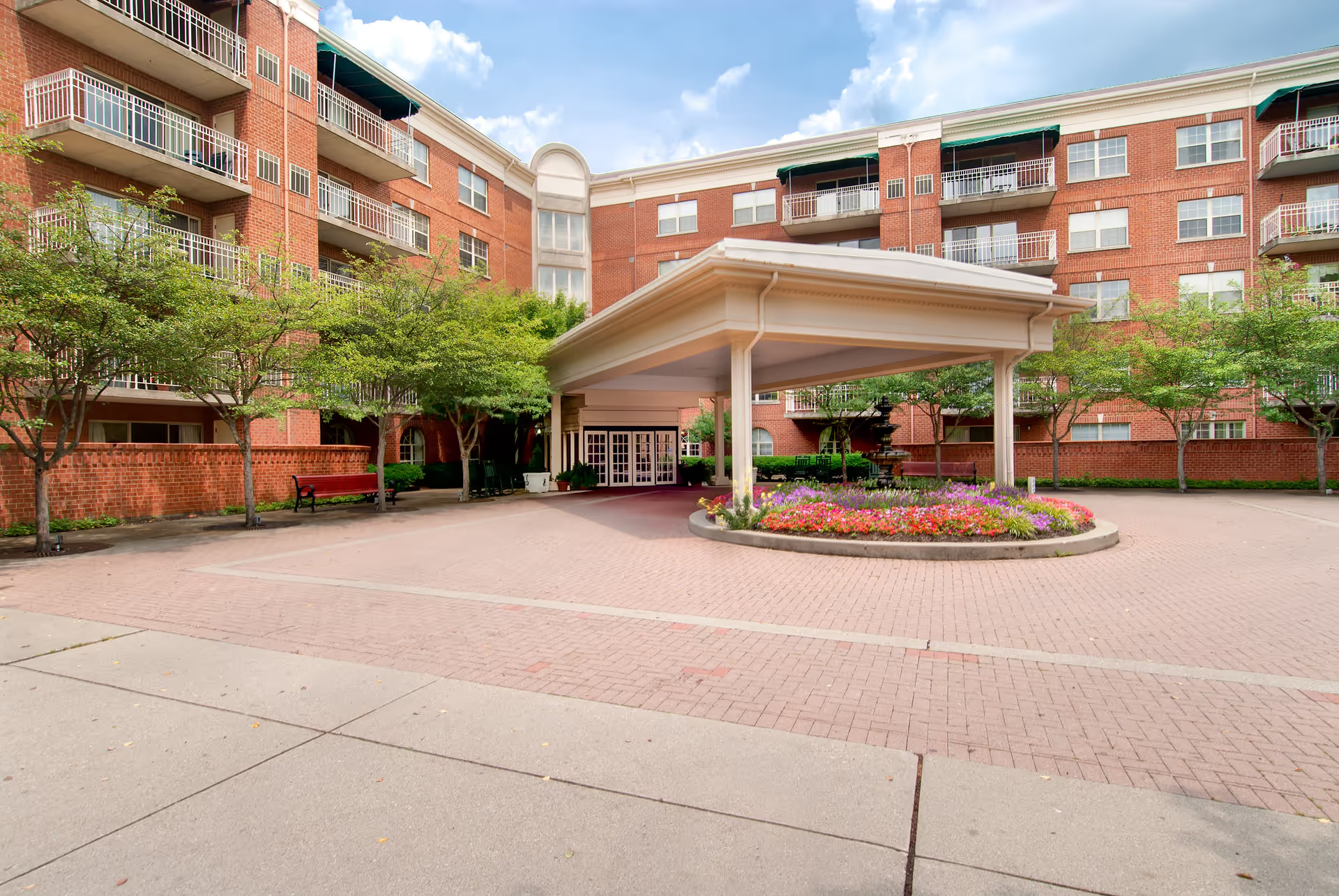
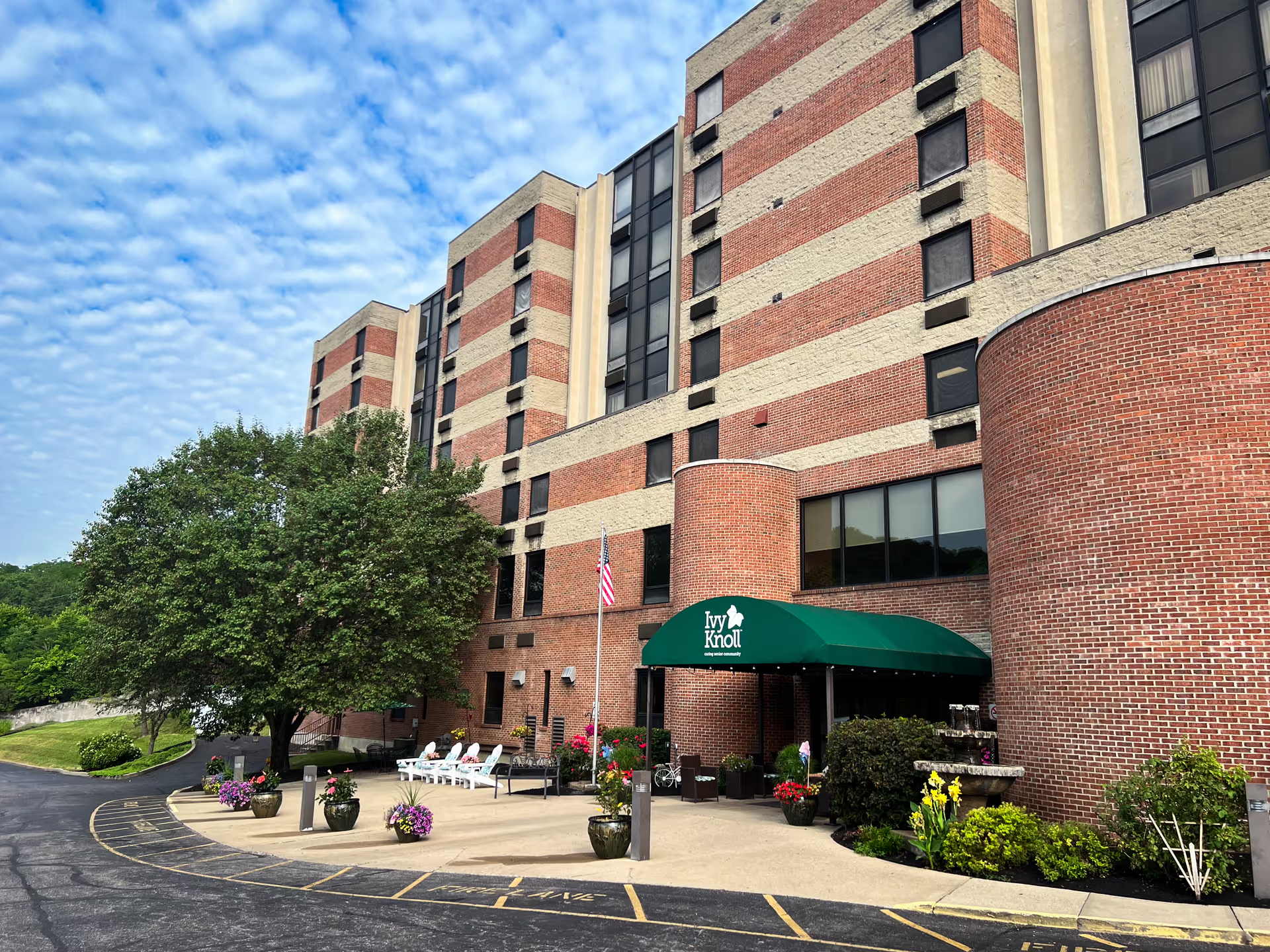
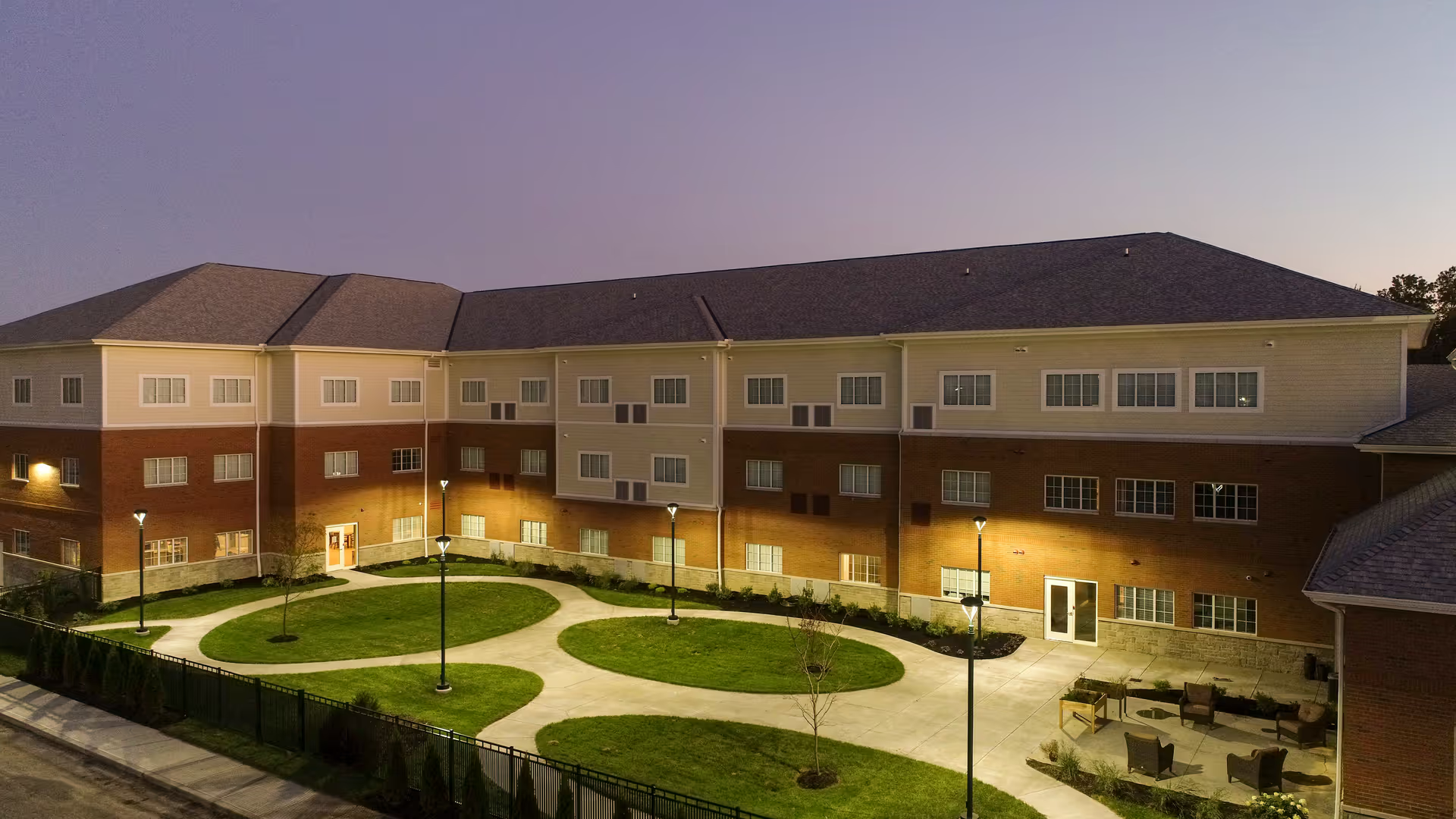
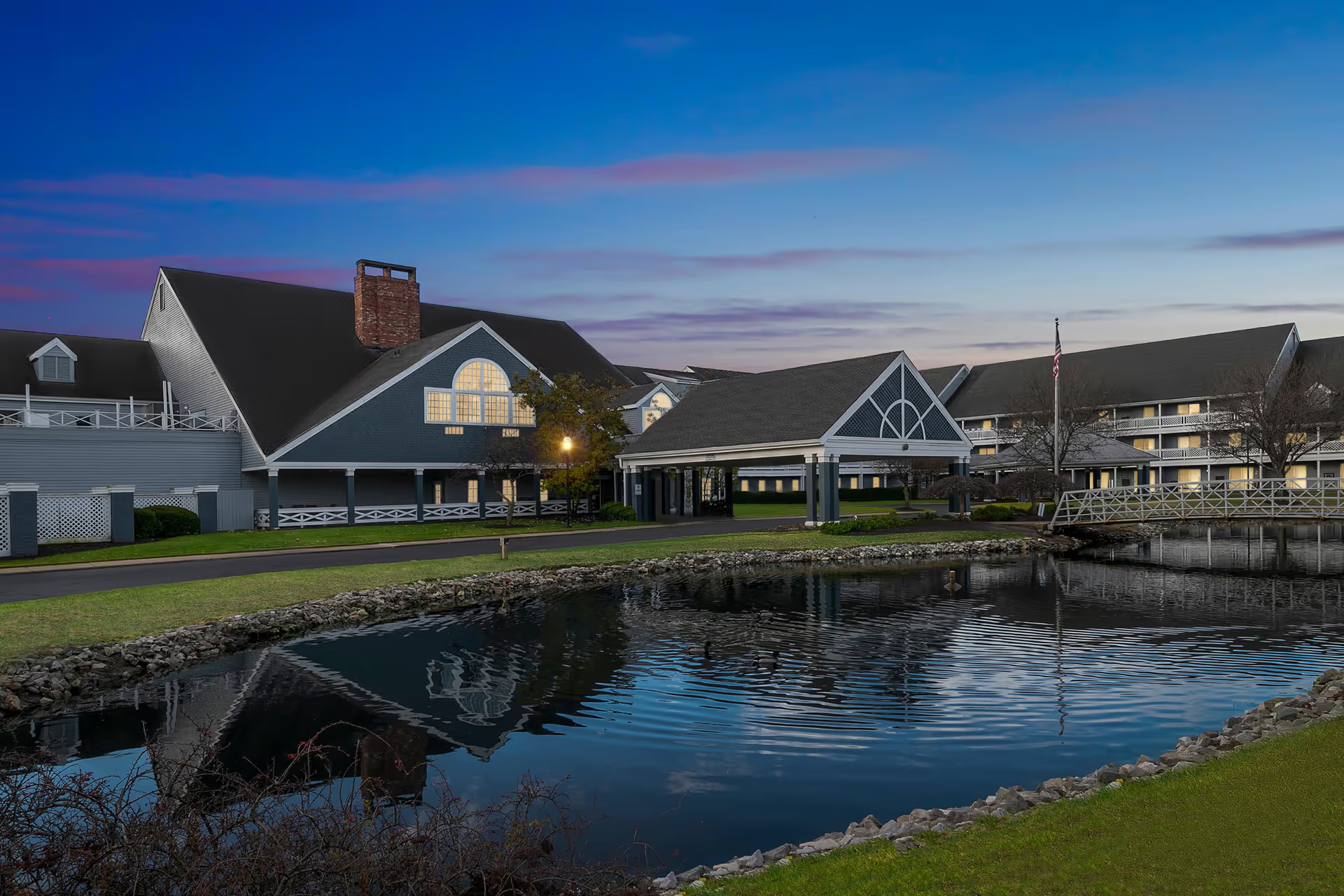
Marjorie P. Lee Retirement Community presents a mixture of clear strengths and notable operational inconsistencies. On the positive side, the campus is frequently described as attractive and well cared for, with maintained gardens, spacious apartments (many with patios or garden views), and a suite of on-site amenities including a pool, fitness area, and rehabilitation services. Several accounts emphasize effective therapy and recovery support. The community atmosphere, programming, and end-of-life care are often highlighted: reviewers note attentive, compassionate aides and nurses, personalized clinical attention, and a range of daily activities that provide emotional and mental stimulation and a strong sense of community.
Care and staffing appear mixed. Many families commend the empathy, professionalism, and advocacy of direct-care staff and nursing teams, and some describe positive outcomes following rehabilitation and during end-of-life transitions. However, other accounts describe concerns about clinical consistency: medication-administration problems and pain-management issues are cited, along with delays in responding to resident needs. There are also recurring concerns about staff conduct and communication tone, including instances of dismissive or unresponsive interactions and use of personal devices on shift. These items point to variability in how care standards are applied across shifts or teams.
Dining and housekeeping receive uneven feedback. Multiple reviewers praise pleasant dining spaces and satisfying meals, while others describe dry or disappointing food items and variable meal quality. Similarly, the facility is characterized as generally clean and nicely decorated, but there are complaints about inconsistent housekeeping, laundry service lapses, and misplacement of personal items. These operational inconsistencies can affect daily living comfort and trust in routine services.
Facilities and operations show both strengths and weaknesses. The physical plant is attractive and centrally located, yet some reviewers raised safety and maintenance concerns—specifically structural or balcony-support issues and slow or incomplete responses to maintenance requests. Property-handling and claims processes (for resident belongings and vehicle valet damage) have been described as unsatisfactory by some families, indicating gaps in how the community resolves incidents. There are also reports of unclear facility status or name/ownership changes that contributed to confusion during tours and move-in.
Management and organizational patterns merit attention. Positive reports cite well-organized, resident-prioritizing teams and a family-like culture. Conversely, several reviewers described management communication gaps, inconsistent follow-through on commitments, and staffing-policy decisions that affected employee morale (including scheduling and holiday-work practices). Taken together, the pattern is one of a facility with strong programmatic assets and many caring staff, but with operational variability that has created significant differences in resident and family experiences. Prospective residents and families would be advised to tour the community at different times of day, ask specific questions about medication and pain-management protocols, housekeeping and laundry procedures, maintenance response times, and the facility’s process for handling property claims and staff scheduling policies to assess consistency and fit.