Overview: Reviews of Pleasant Ridge Healthcare Center show a clear contrast between frontline caregiving and broader operational performance. Many families and residents praised individual caregivers for compassion, responsiveness and hands-on assistance, and some reviewers singled out particular employees for excellent care. At the same time, recurring operational and environmental issues create variability in the resident experience.
Care and clinical oversight: Direct-care quality appears inconsistent. Numerous accounts praise nursing and caregiving staff for attentive bedside care, but there are also substantive concerns about medication management, missed or delayed medications, and gaps in clinical oversight. There are reports of events with serious consequences, and families describe instances that suggest systemic weaknesses in medication-administration controls and follow-up. Personal-care scheduling and assistance (bathing, toileting, laundry handling) were described as unreliable in some cases, creating additional family concern about day-to-day care continuity.
Staff and culture: Staffing is a prominent theme. Reviewers describe frequent turnover and periods of understaffing that lead to overworked caregivers and variable attention to residents. Despite this, many comments emphasize a familial or supportive culture among certain front-line employees; some families noted that staff could be very caring and responsive. New management presence was mentioned as a positive step by some reviewers, though others felt organizational leadership remained ineffective or slow to resolve operational problems.
Dining and services: Meal quality and meal-service reliability were commonly criticized. Complaints include poor food quality, shortages, and pricing concerns. Dietary checks and continuity of service were described as inconsistent, contributing to dissatisfaction with the dining program.
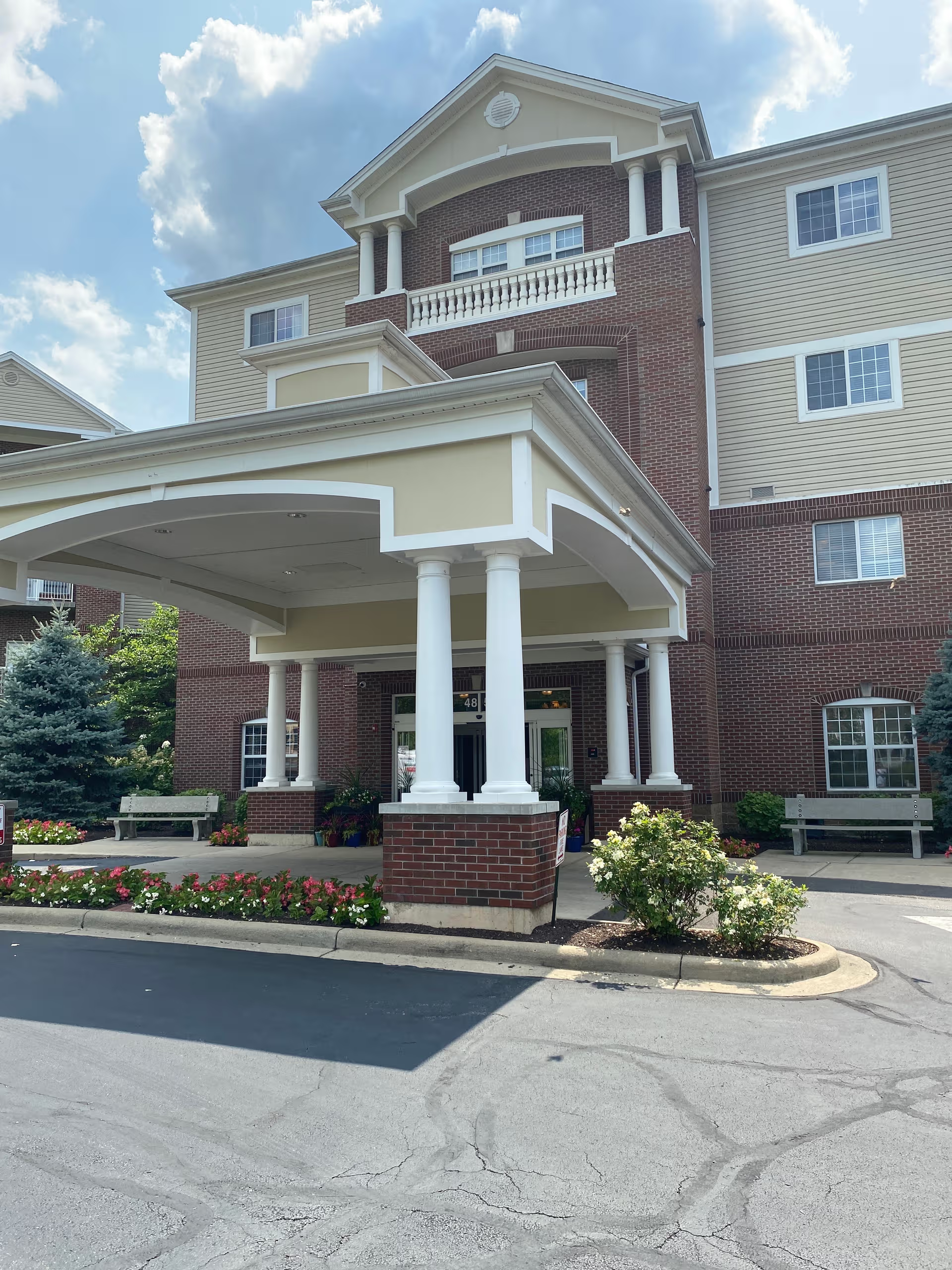
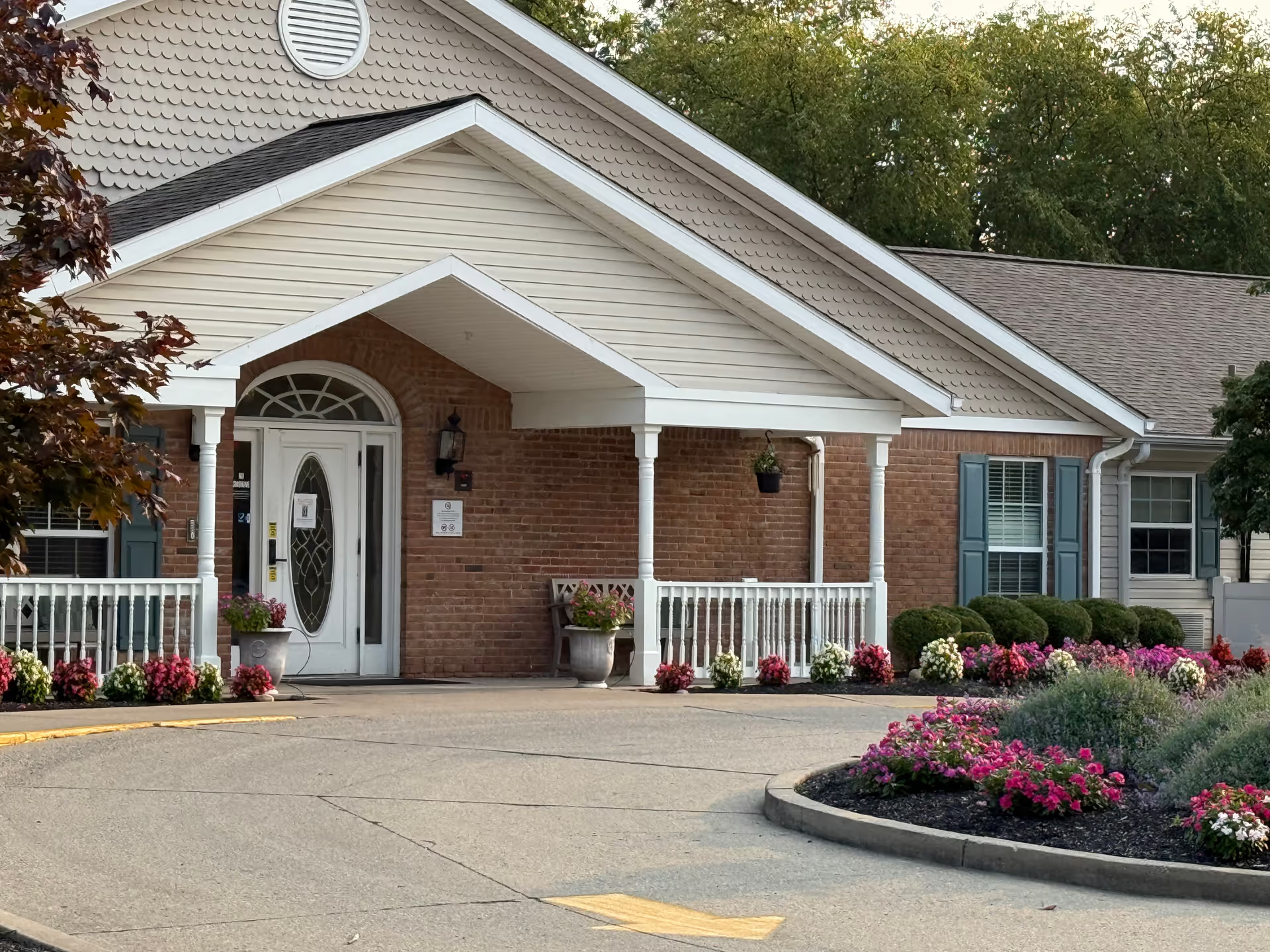
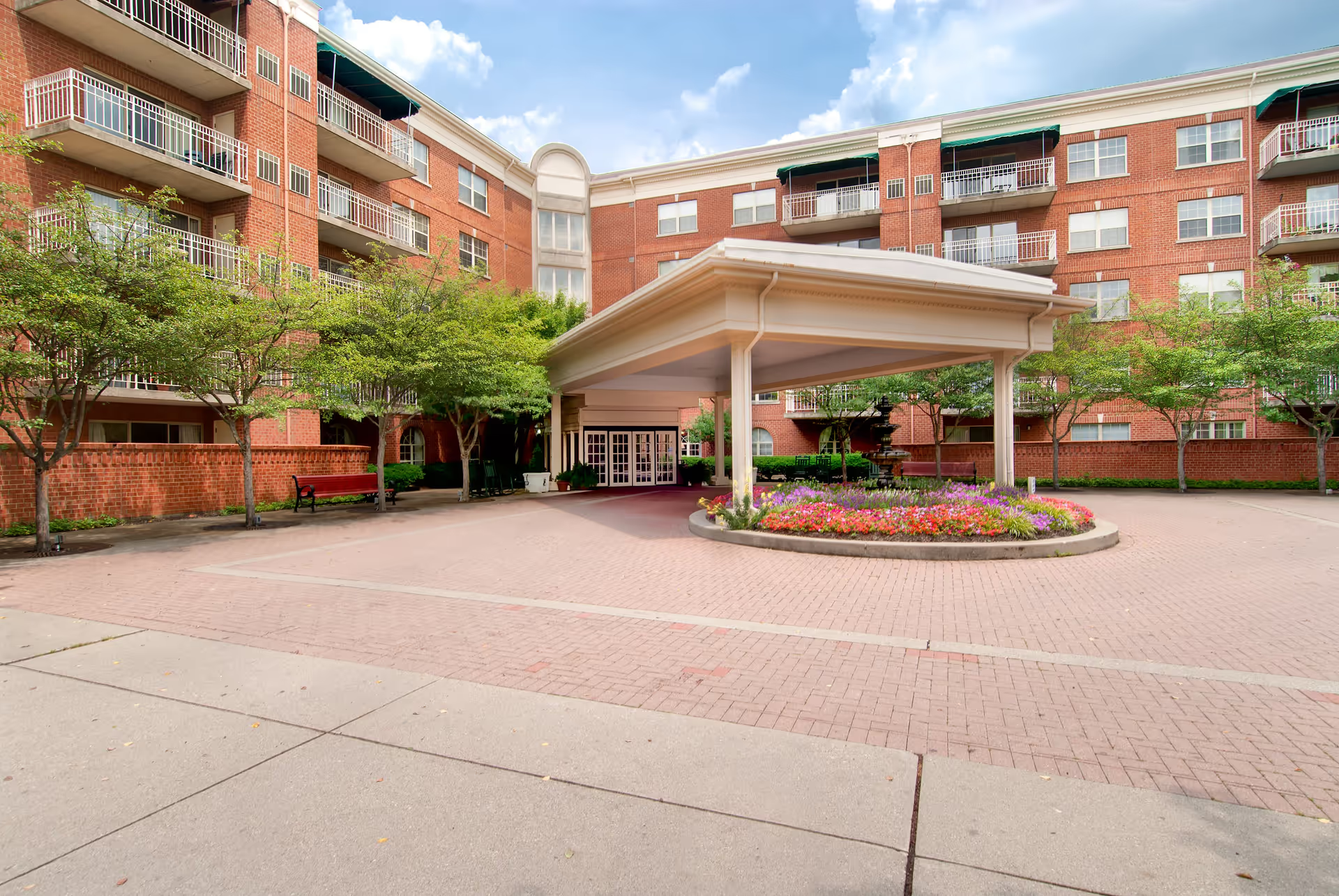
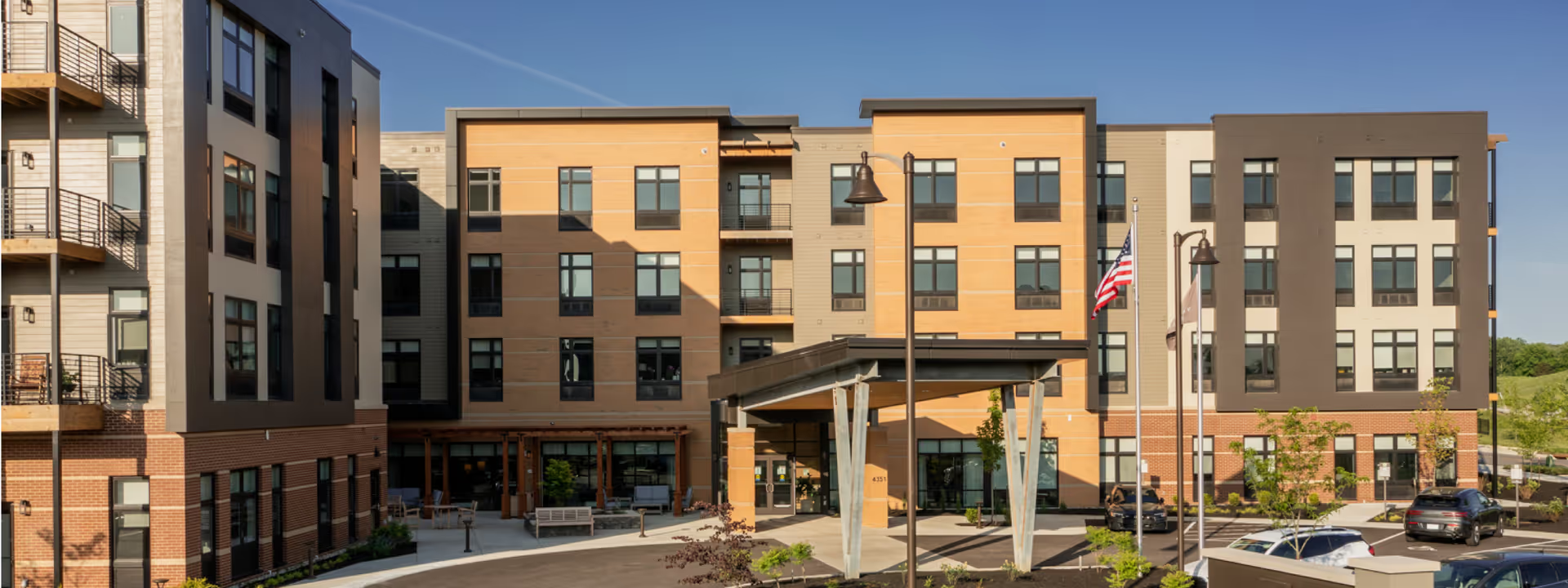
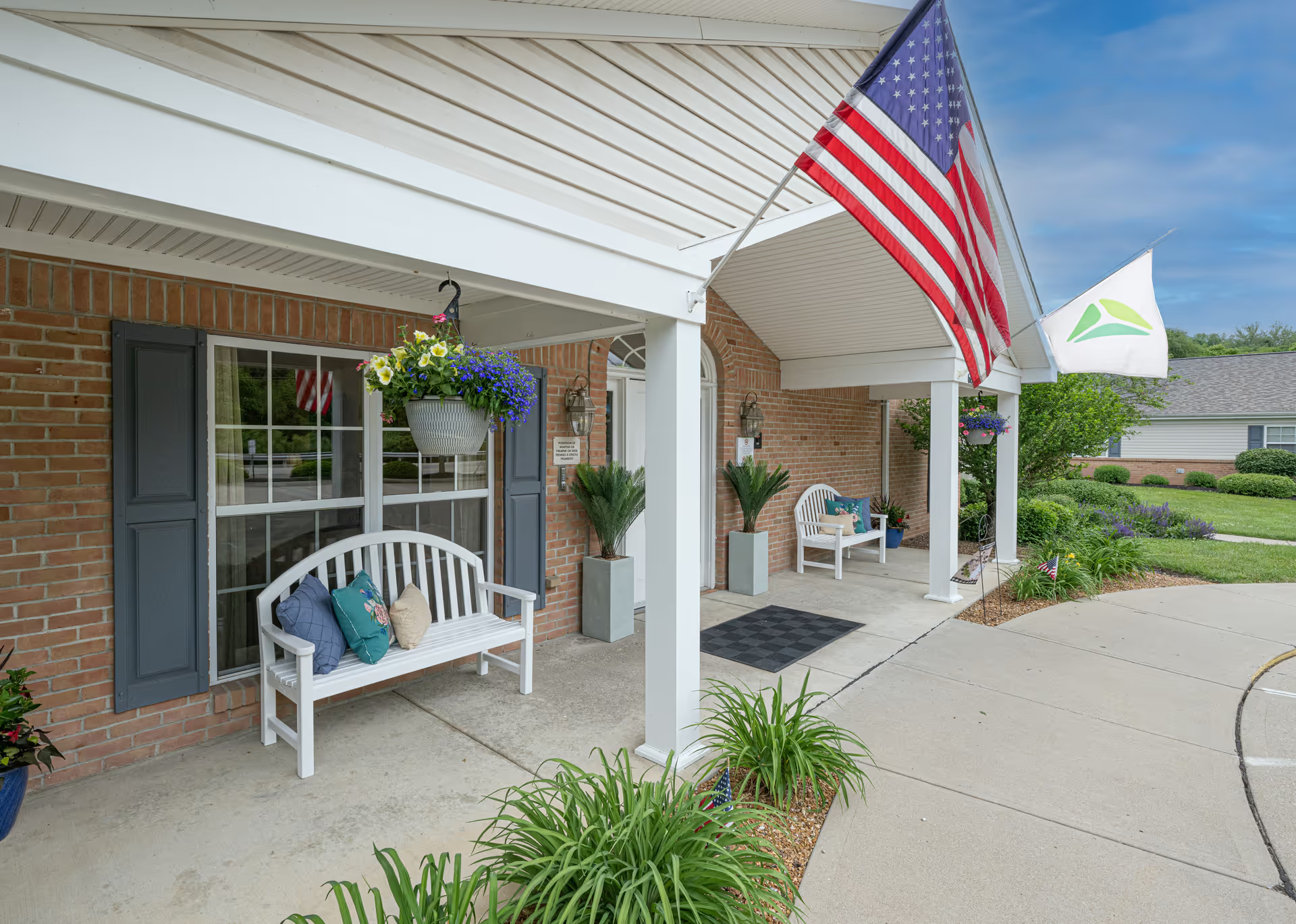
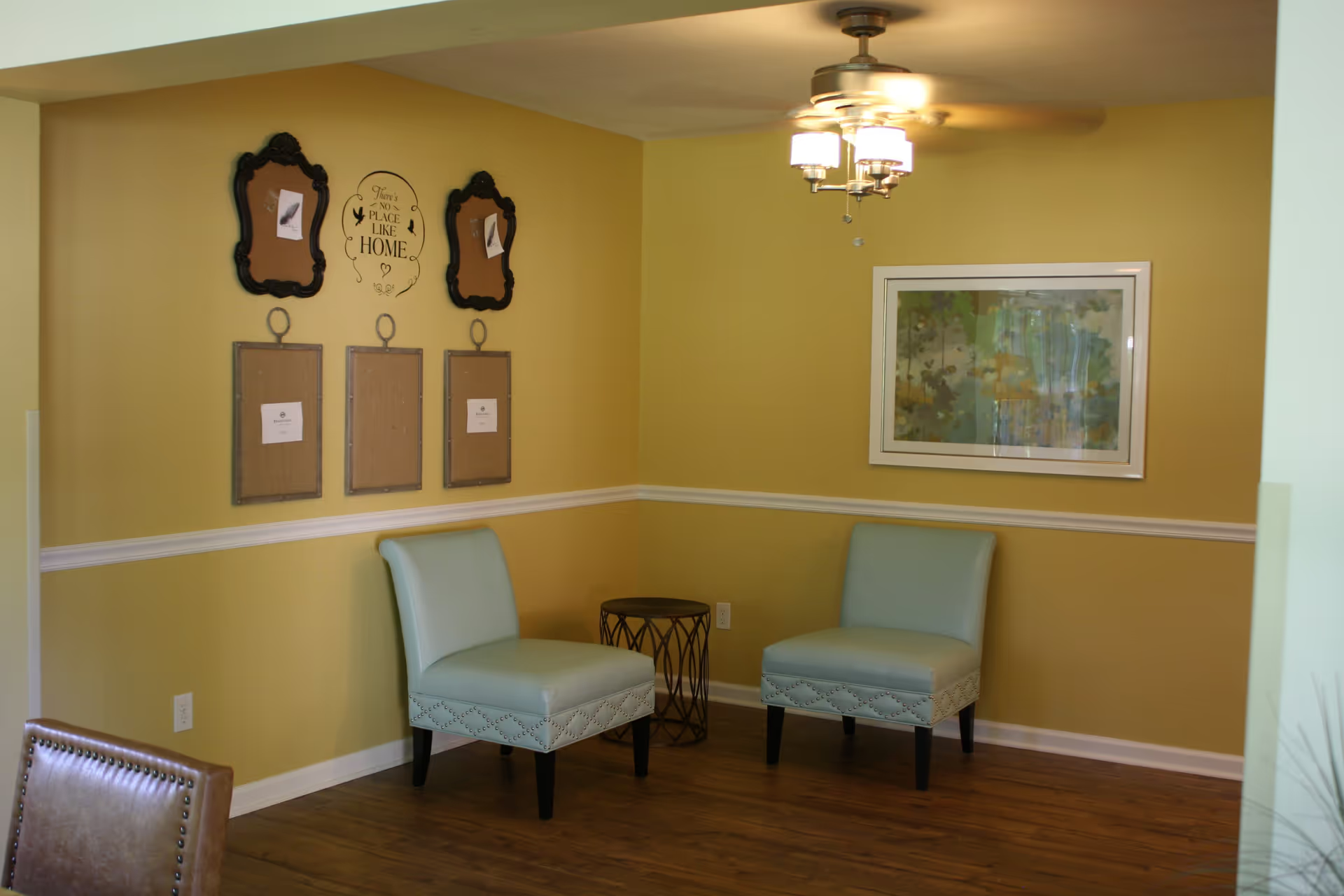
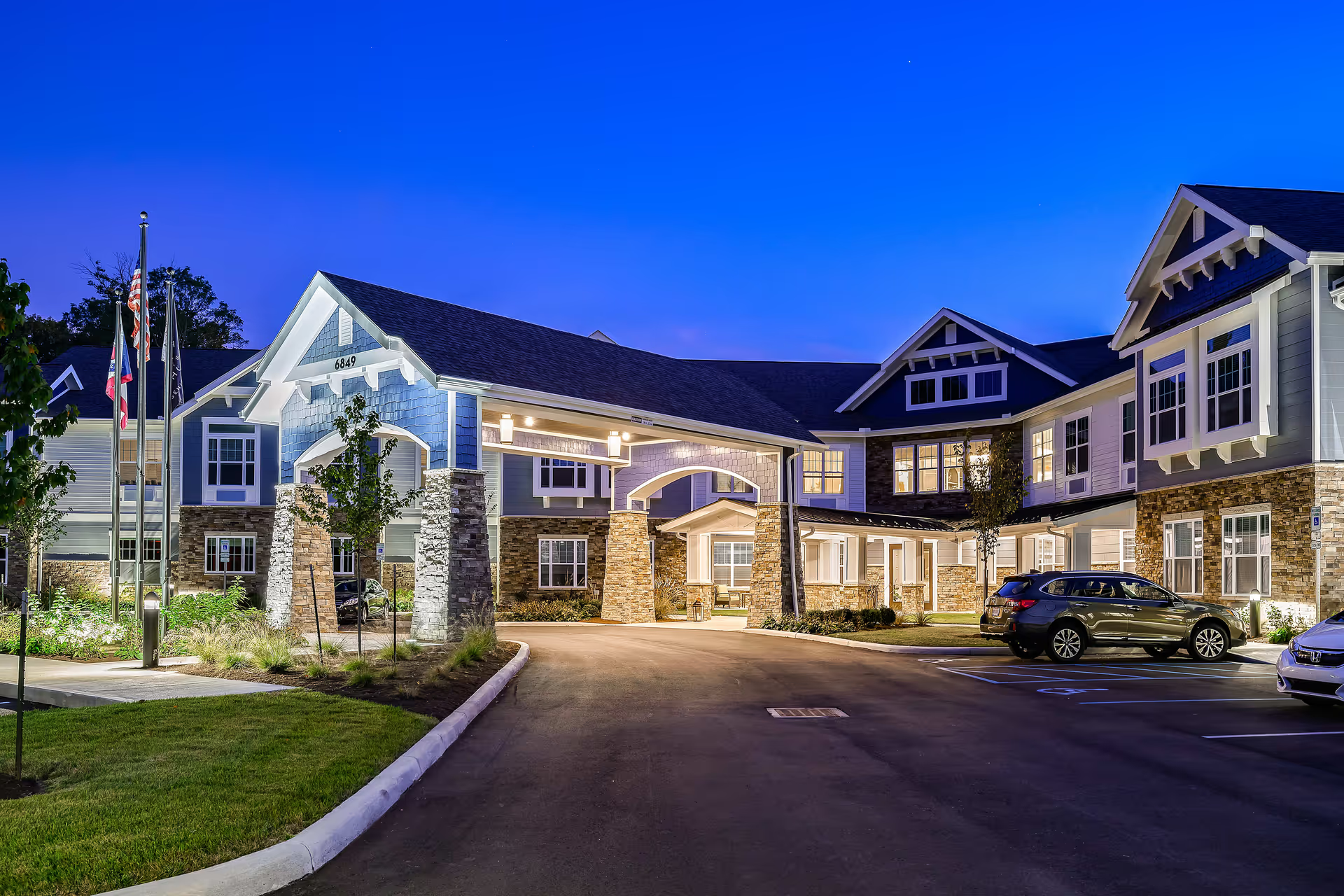
Facilities and environment: The building and physical plant are repeatedly described as dated and in need of repair. Specific concerns include water intrusion and ceiling leaks, small resident rooms, and an overall gloomy or outdated interior that reviewers felt required remodeling. Multiple comments raised pest-control concerns and odor concerns in some areas. Laundry-management and property-security weaknesses were also cited, with allegations of missing items creating trust issues for families.
Management, communication and safety: Communication with administration and social-work services was often characterized as inadequate: voicemail-only contact, unreturned calls, and perceived unavailability of key staff were frequent points of frustration. Several reviewers expressed concerns about on-premises substance use and general safety and security lapses; there were also allegations of theft and concerns following a resident's death that families wanted addressed. While some families reported that new leadership had begun to tackle issues, others felt changes had not yet produced consistent improvements.
Notable patterns and recommendation guidance: The dominant pattern in these reviews is a split between positively regarded front-line caregivers and systemic operational problems that affect reliability, cleanliness, and safety. Prospective residents and families should weigh the strong personal connections and compassionate staff reports against recurring concerns about medication controls, staffing stability, facility maintenance, dining, and administrative communication. Visiting during different shifts, asking for current staffing and maintenance plans, and discussing medication-safety and property-security protocols may help families evaluate whether the facility's current trajectory meets their needs.