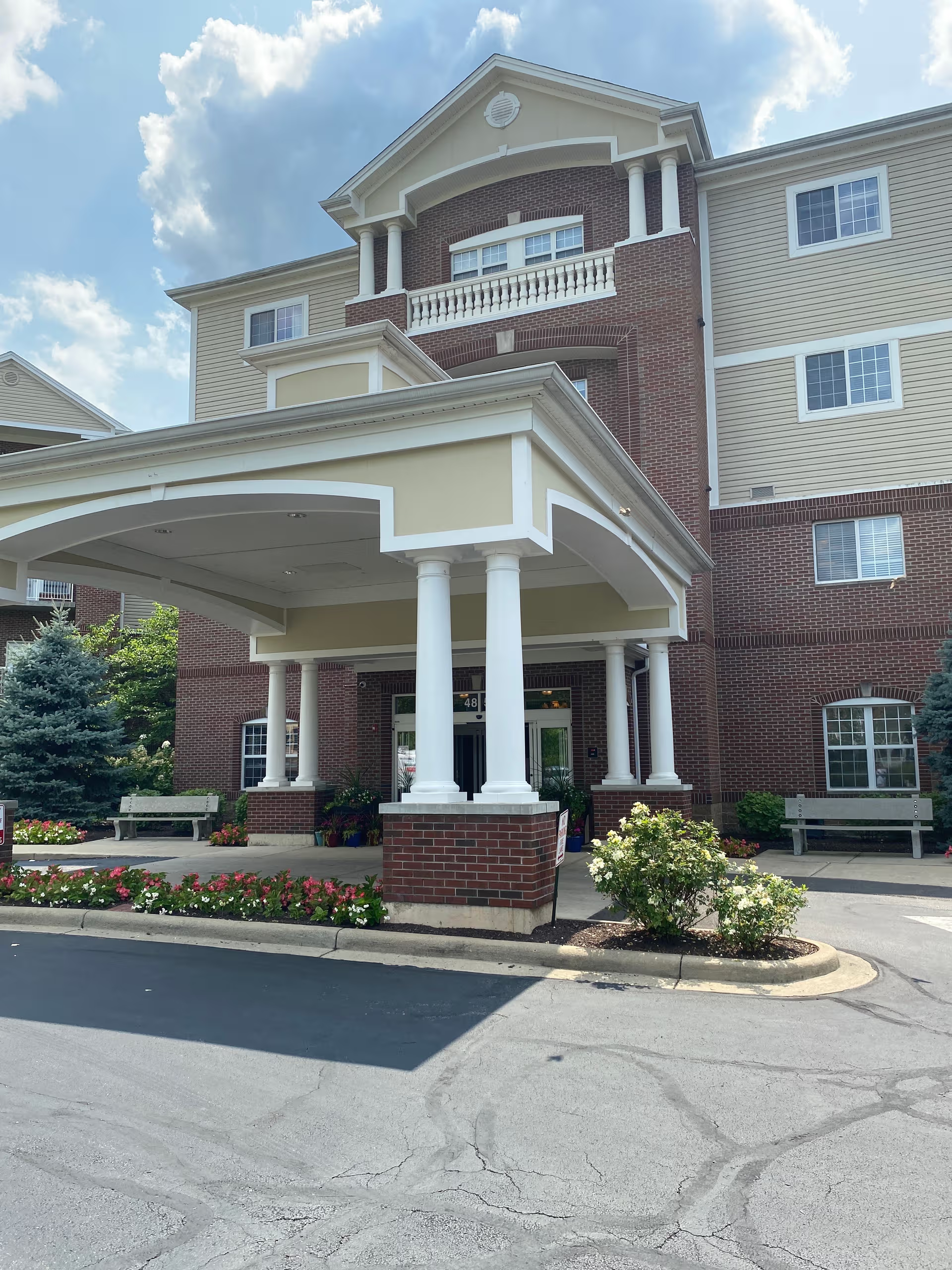
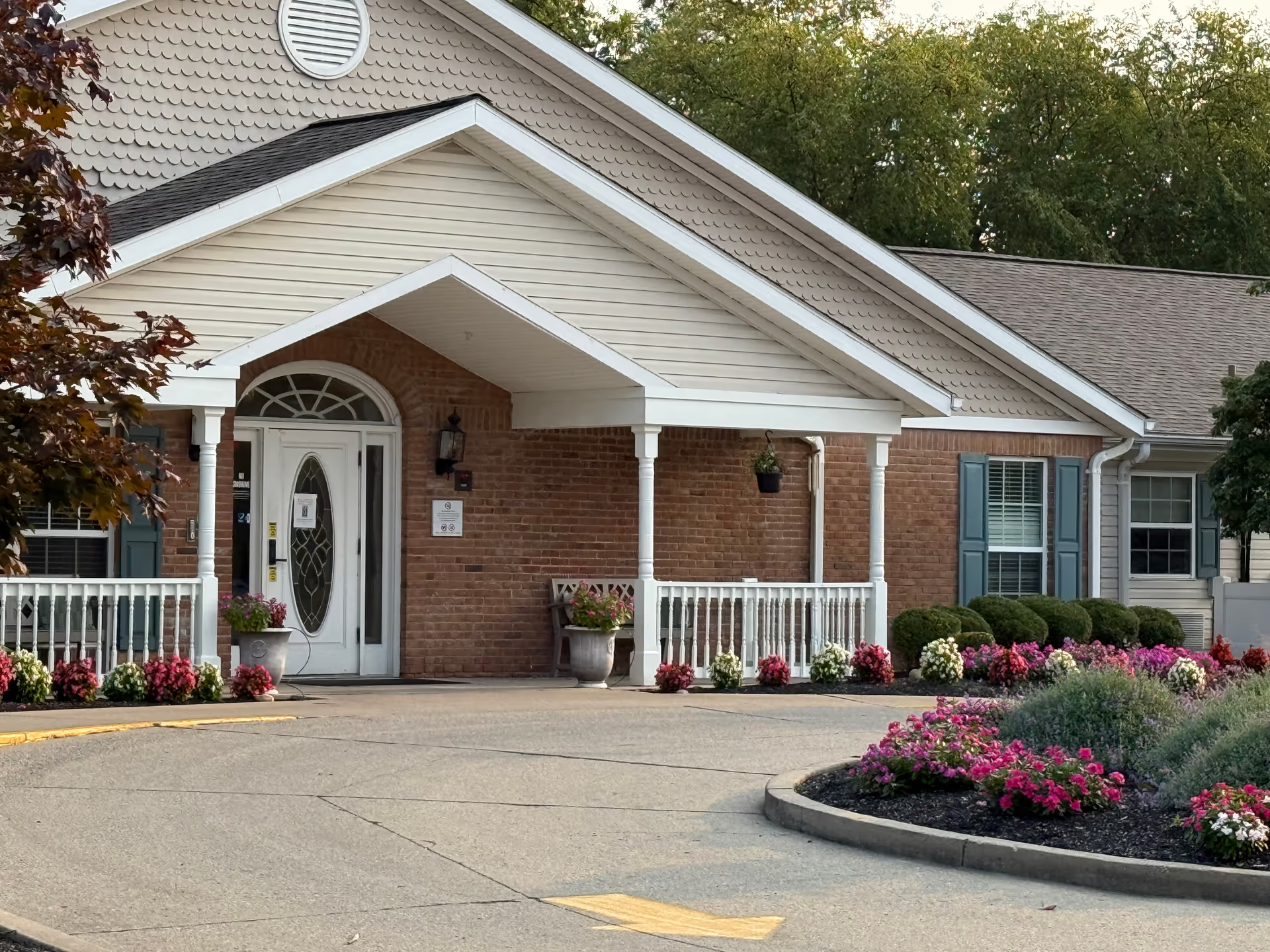
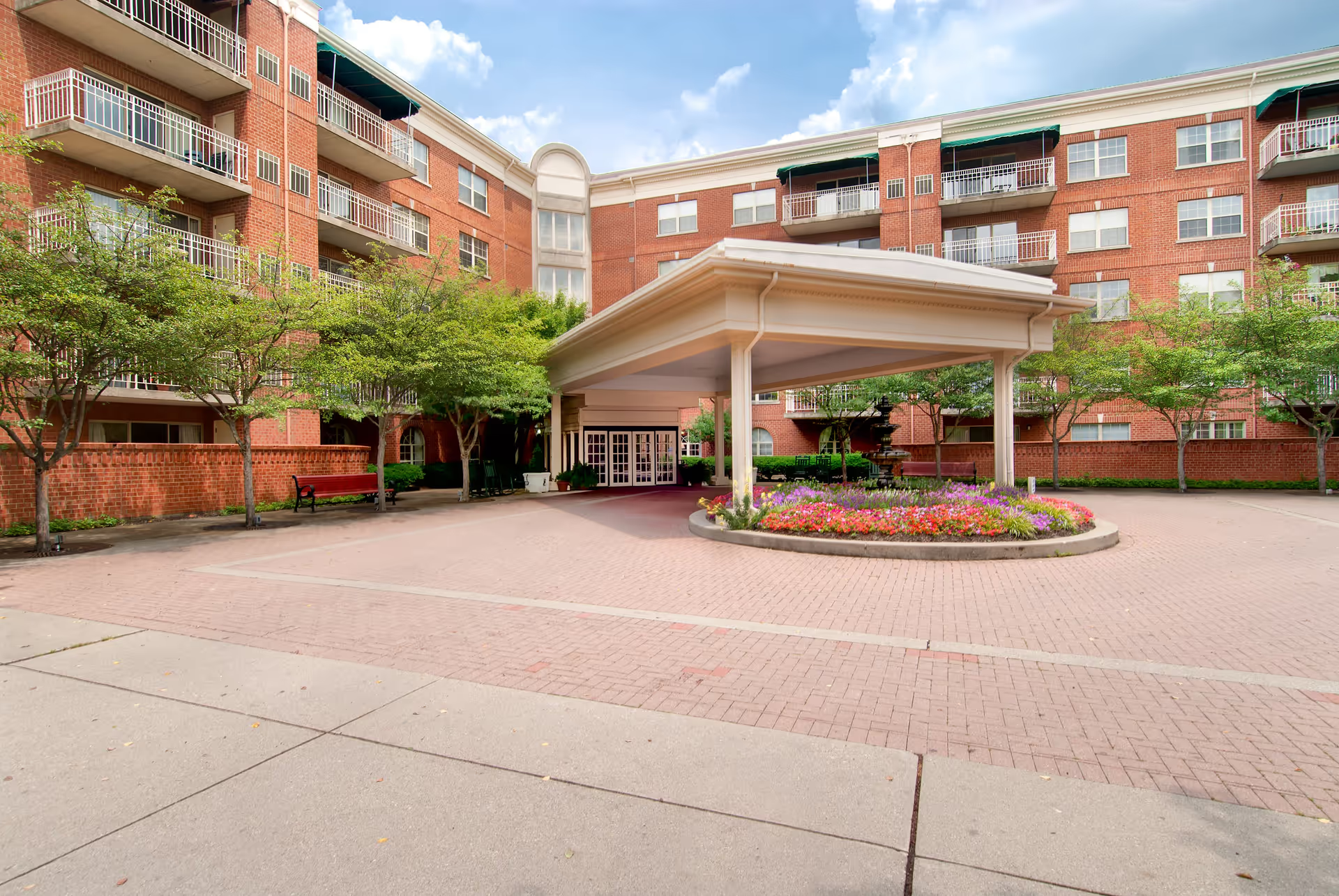
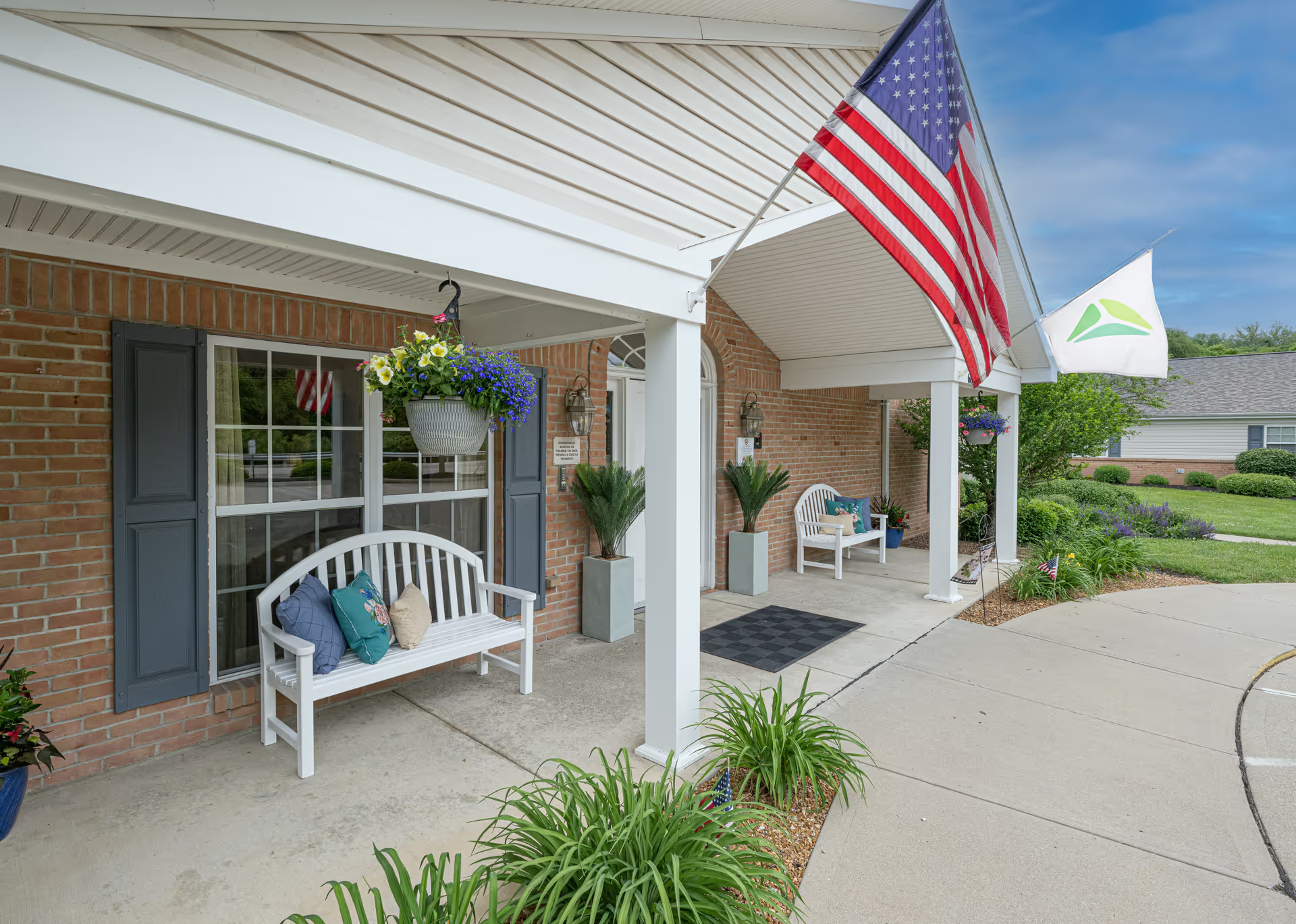
Overall impression: Reviews describe St. Paul Village as a well-maintained, community-oriented independent-living community with consistently positive commentary about staff attitude, property upkeep, and social opportunities. Many accounts emphasize friendly, caring staff, a welcoming social environment, and a range of group and indoor activities that support resident engagement. The campus landscaping, gardening opportunities and proximity to shopping and transportation are repeatedly noted as strengths.
Care and staff: Staff are frequently characterized as kind, attentive, and helpful, contributing to a home-like atmosphere. Maintenance and housekeeping are praised for keeping buildings clean and grounds attractive. At the same time, several narratives raise concerns about inconsistent communication from management and about how some resident issues are handled; these point to variability in responsiveness and resident-relations practices rather than uniform clinical-care failures.
Activities and social life: The community appears to offer ample programming and social opportunities; reviewers highlight group activities, indoor options, and chances to form new friendships. The environment overall is described as family-oriented and supportive, with neighbors and managers often portrayed as friendly and welcoming.
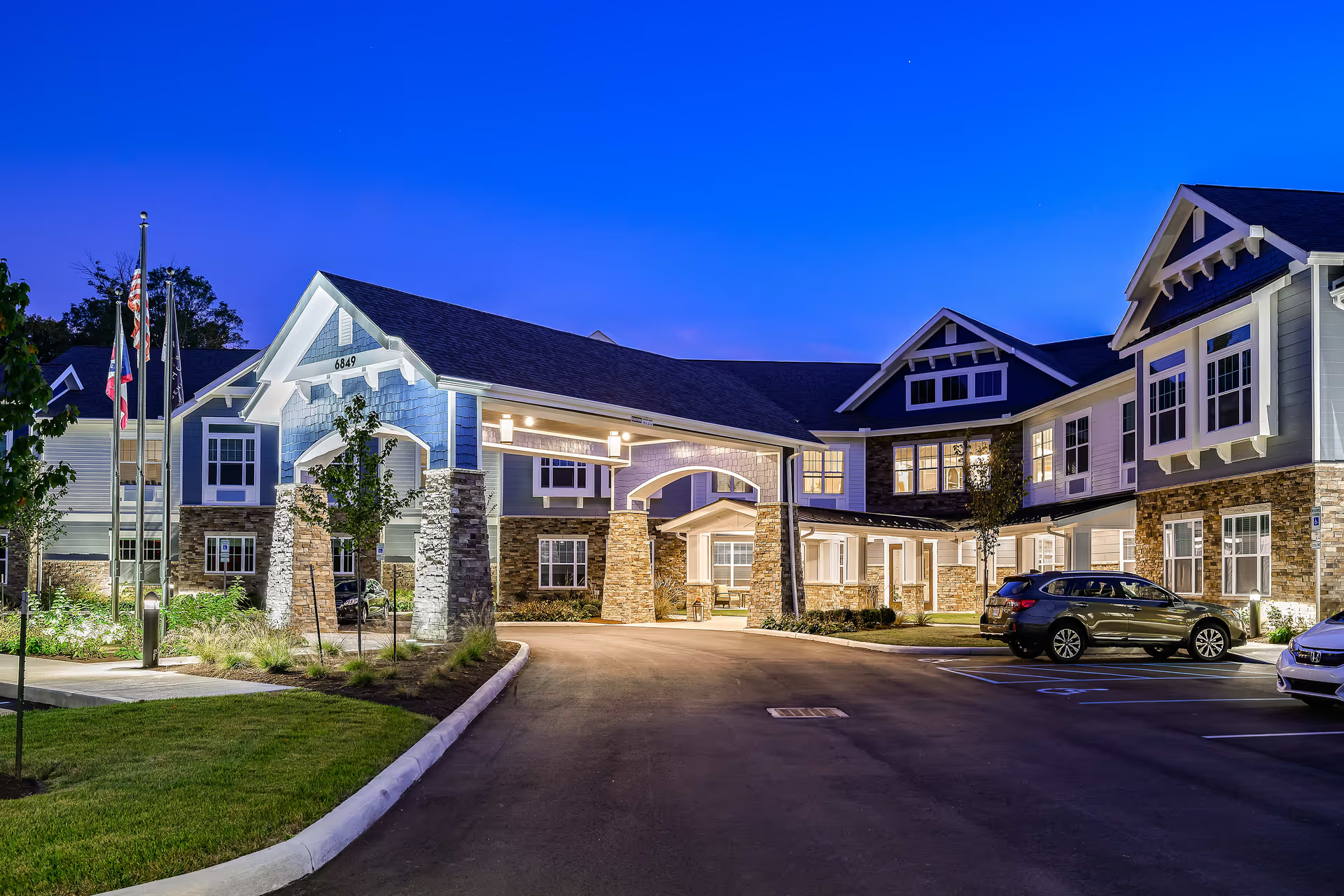
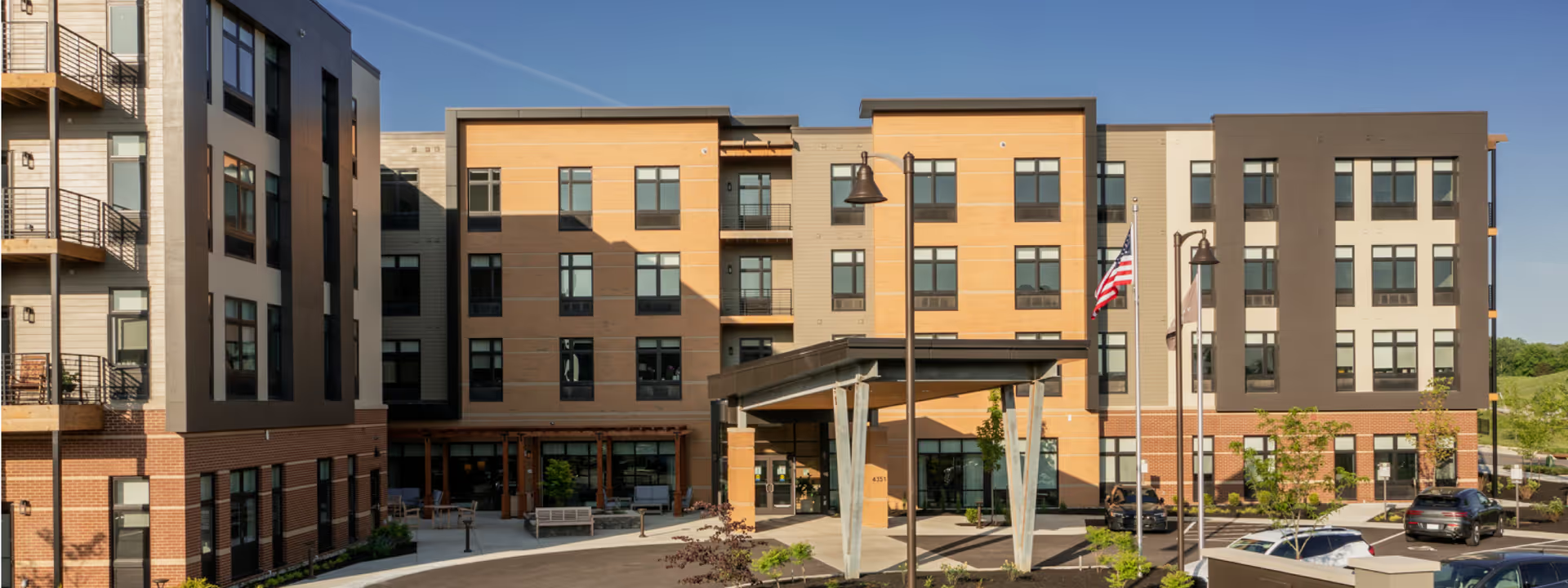
Facilities and location: Physically, the property is described as well-kept, remodeled in places, and set on pleasant grounds with mature trees and birdlife. Units in newer sections are presented more favorably; however, the older buildings contain smaller apartments that some residents found cramped. The location is convenient to highways and shopping, and parking is adequate.
Dining and services: Direct commentary about dining is limited in the available summaries. General service elements—maintenance, cleanliness, and staff helpfulness—receive positive mentions; prospective residents should ask for current menus, meal-service processes, and sample dining options during a tour.
Management and notable patterns: Several reviews describe operational problems that prospective residents and families should evaluate further. These include administrative complexity related to HUD/voucher residency rules, instances of relocation or displacement logistics after facility incidents, and gaps in emergency-preparedness and post-event relocation planning. There are also accounts indicating inconsistent enforcement of pet policies and concerns about how medical documentation and accommodation requests are handled. Some narratives raise serious concerns about equitable treatment; there are allegations in a few accounts that merit careful inquiry. Additionally, a small number of comments point to billing or financial-administration issues.
Recommendation for families: The facility’s strengths are its social environment, upkeep, and attentive frontline staff. Prioritize asking about unit sizes (especially in older buildings), HUD or voucher administration processes, emergency relocation plans, pet-policy specifics, how medical accommodation requests are documented and honored, and how the community handles resident grievances and billing. A site visit and direct conversations with current residents and the management team will be useful to confirm operational consistency and to assess fit for a prospective resident.