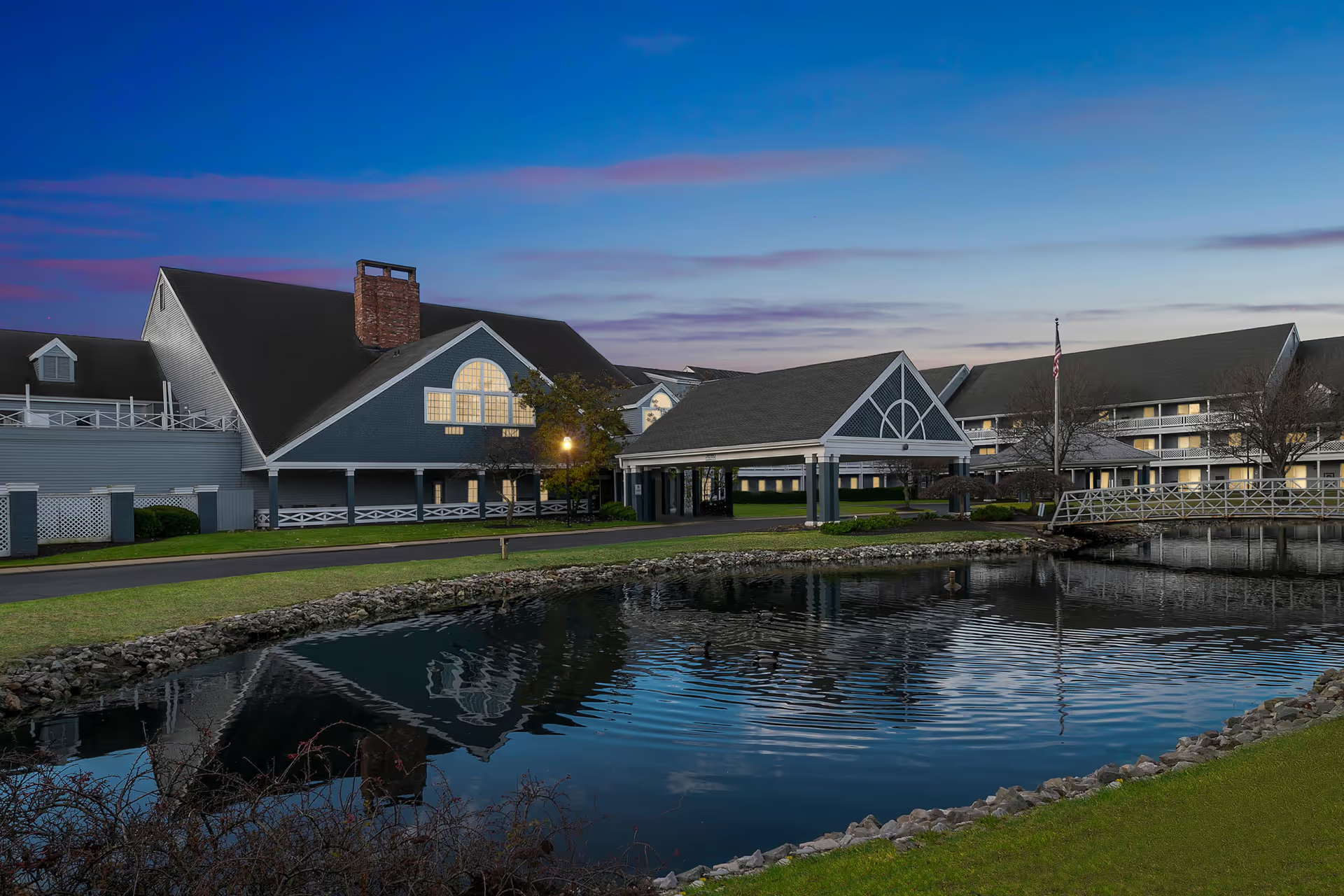
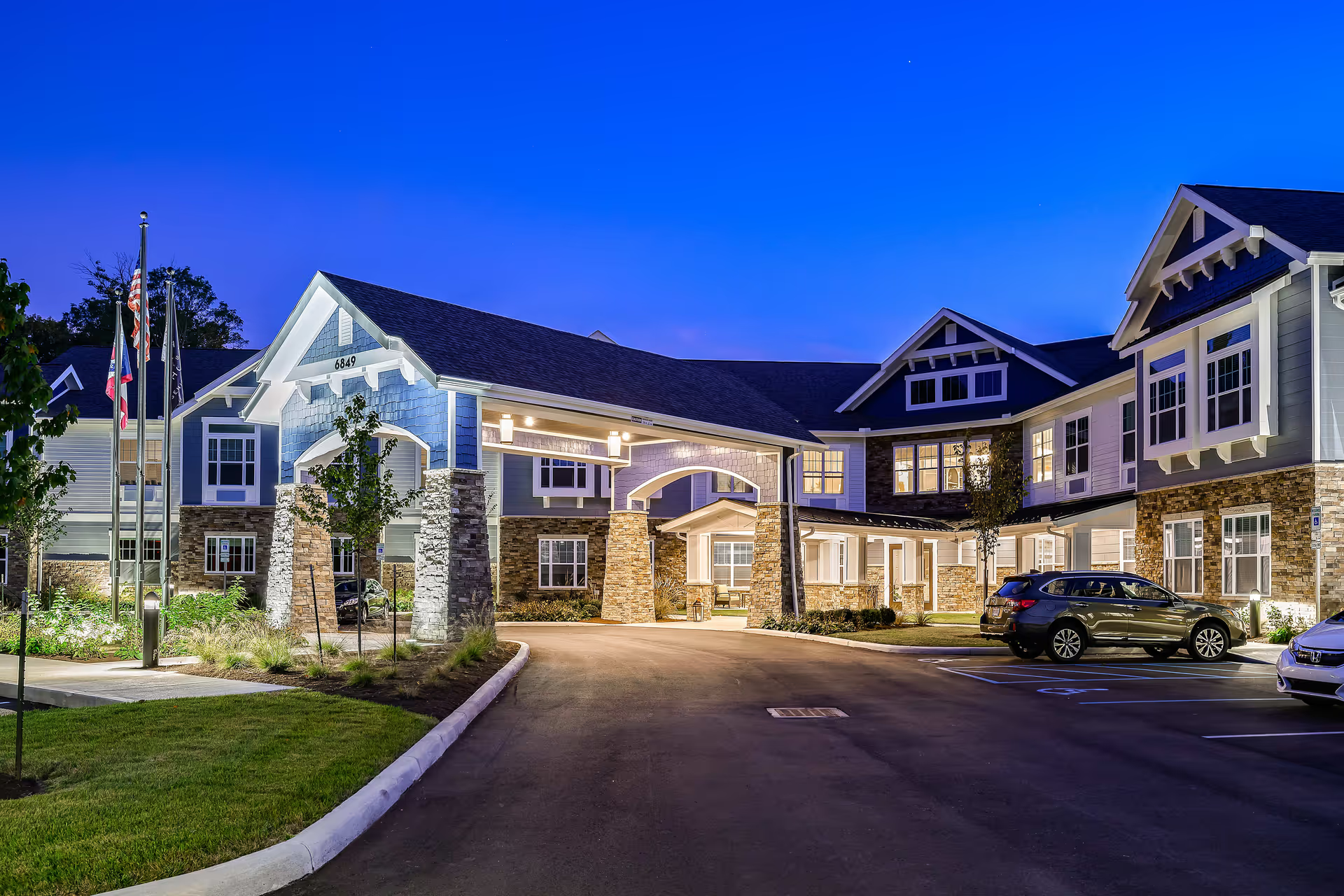
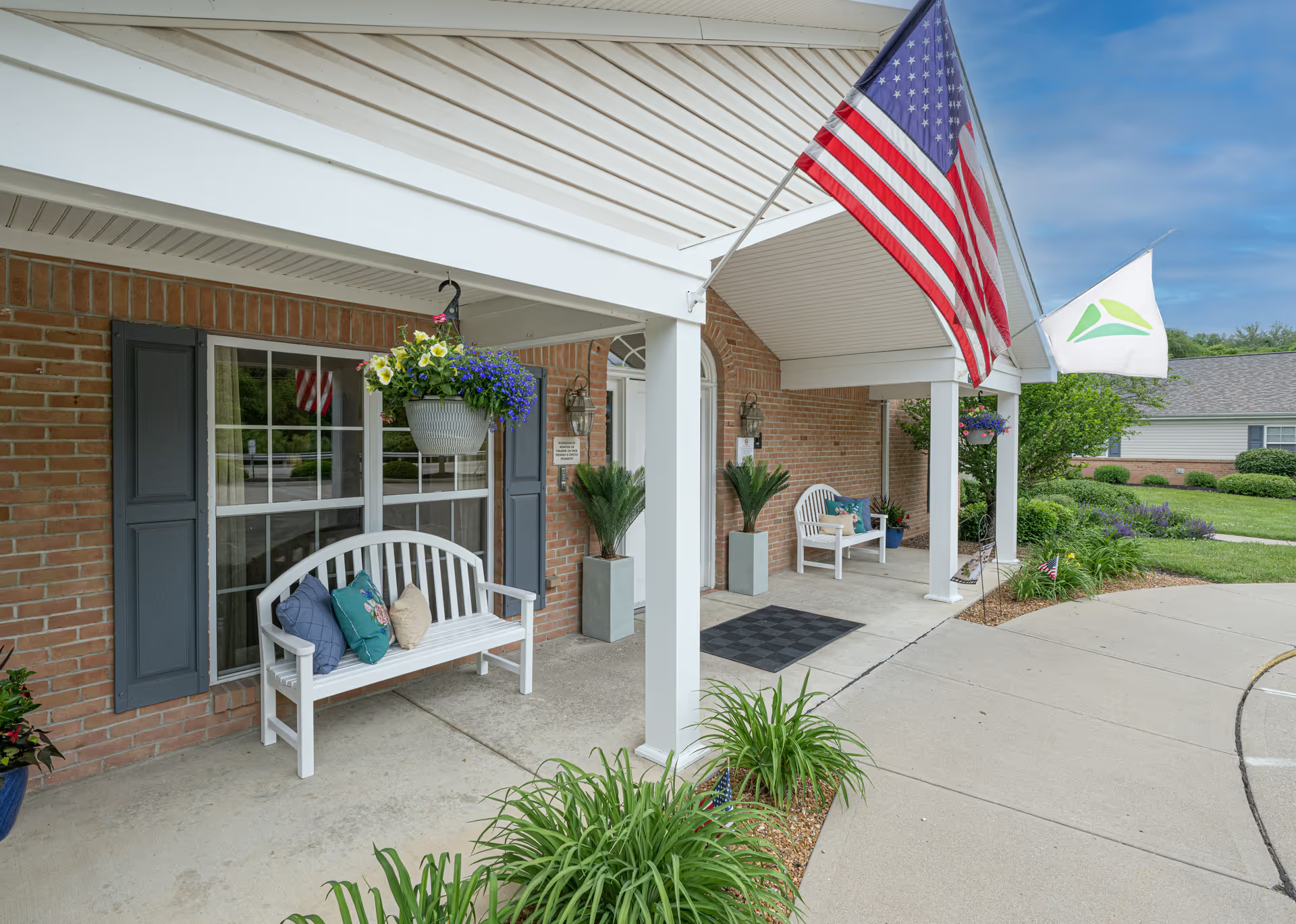
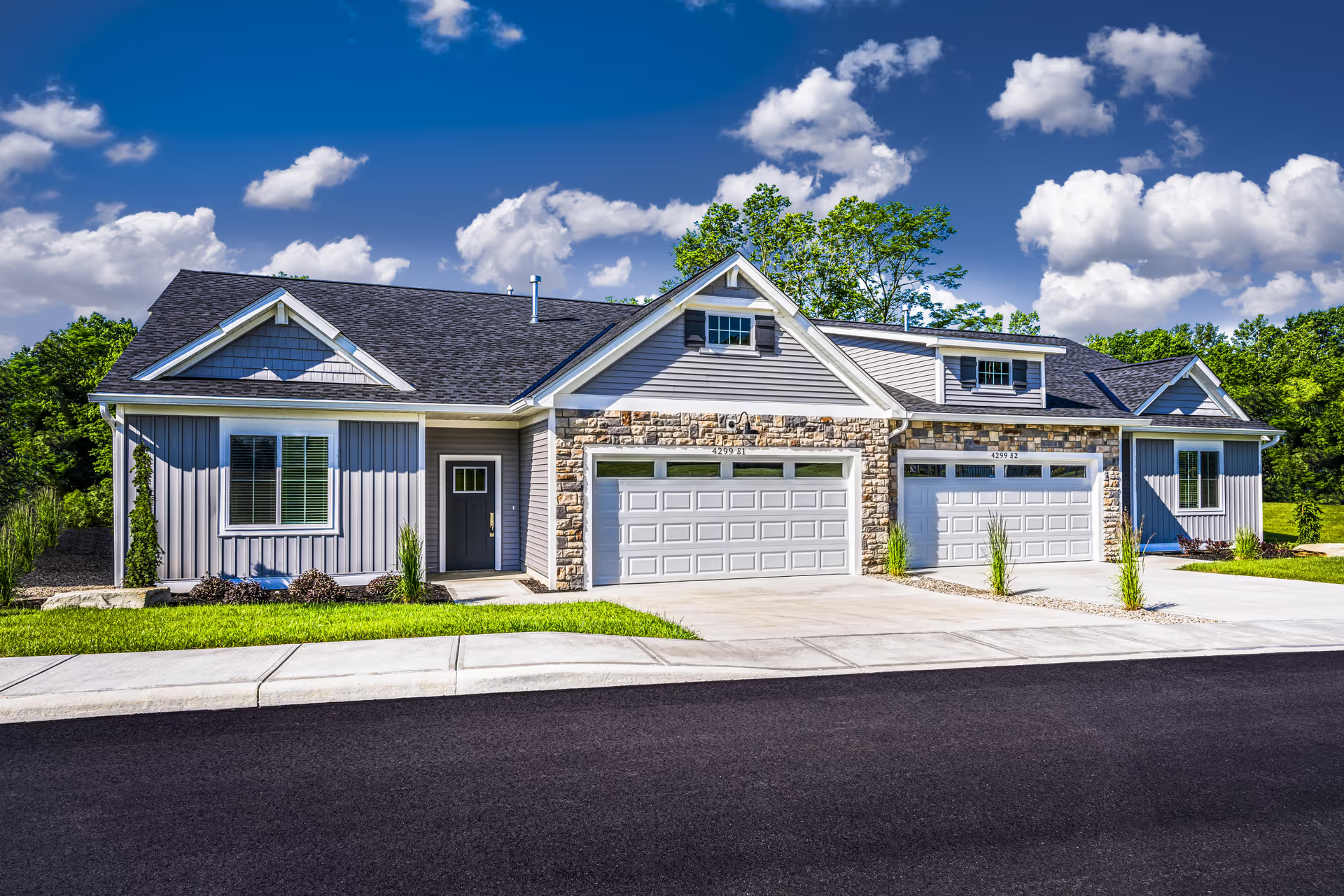
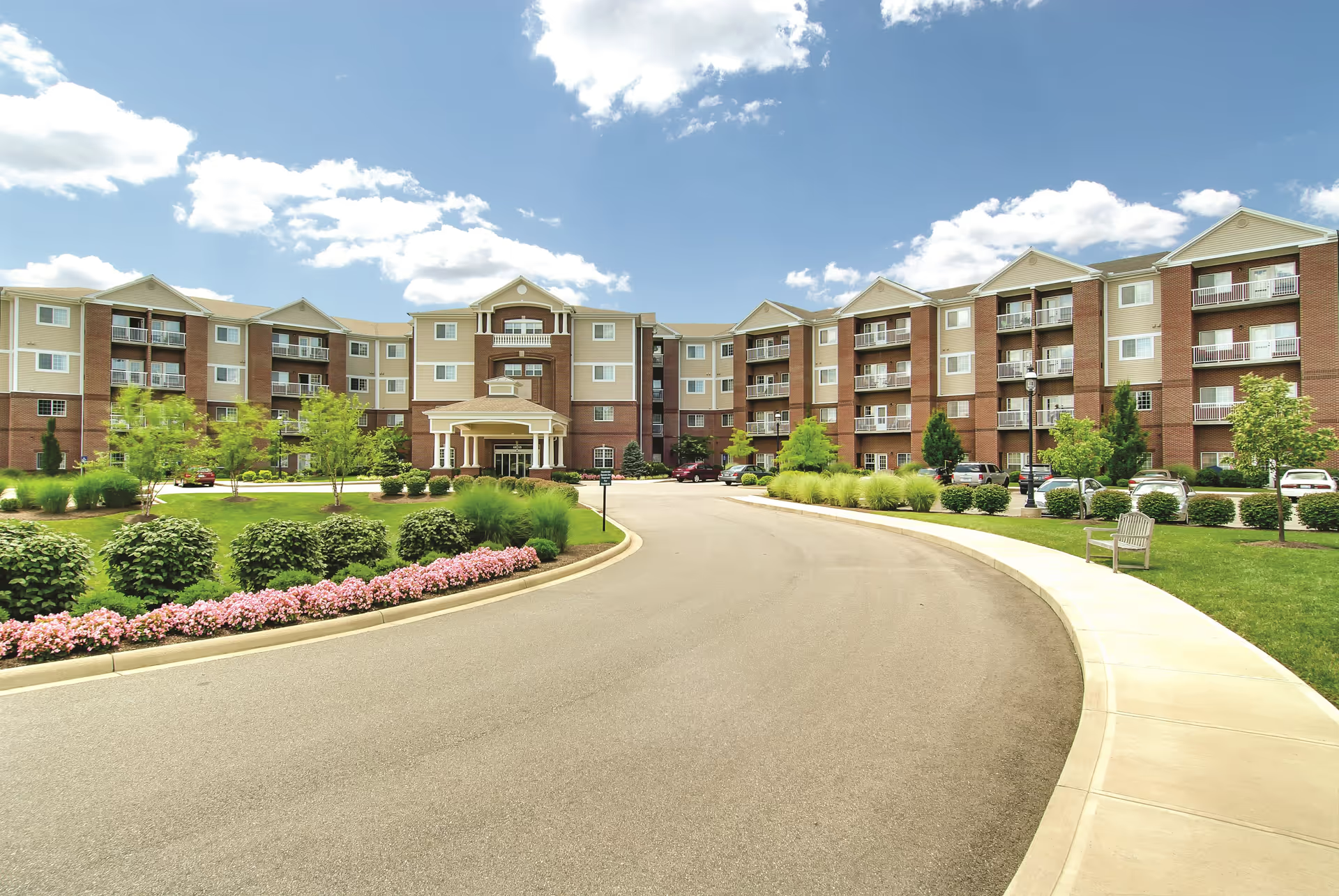
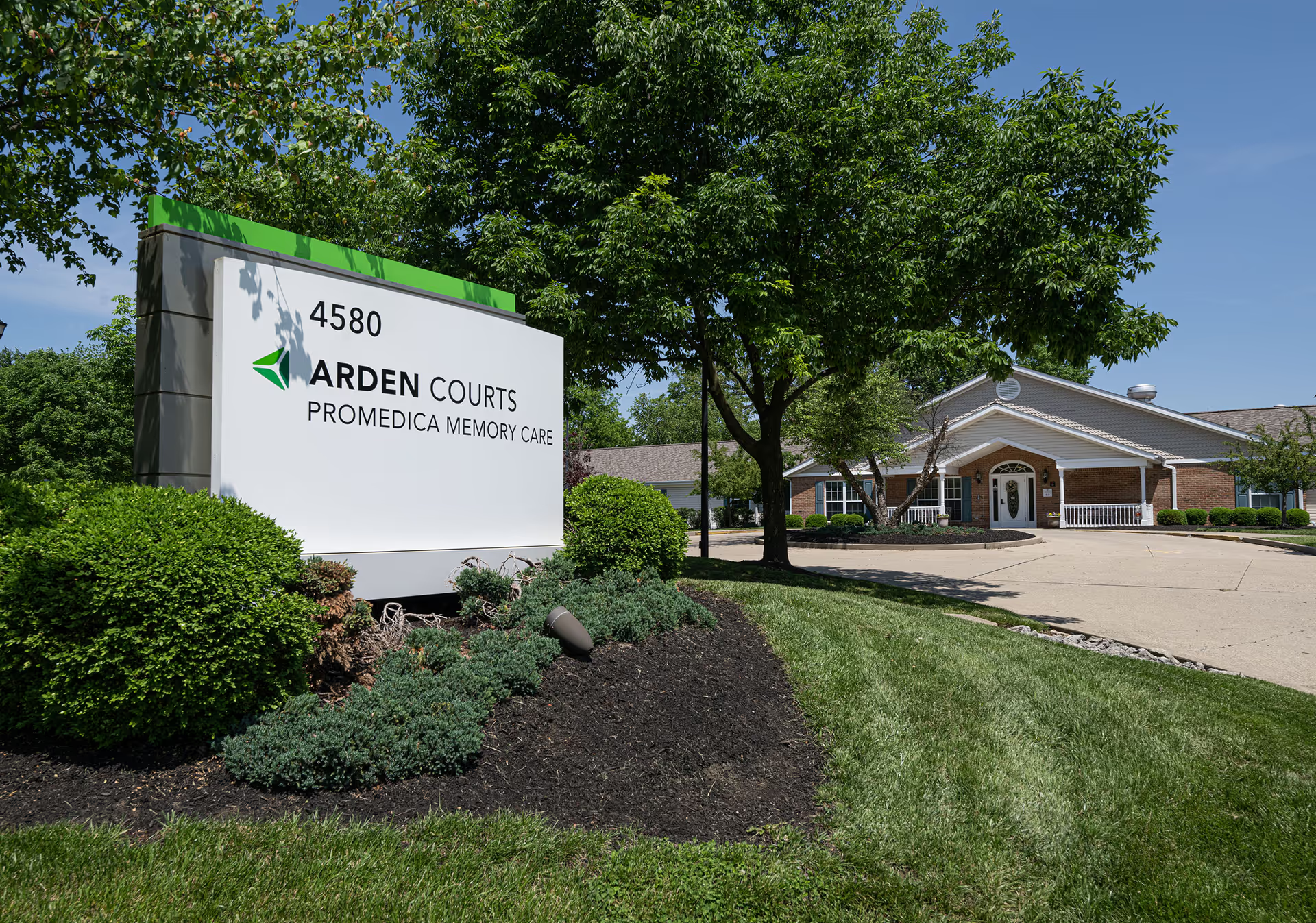
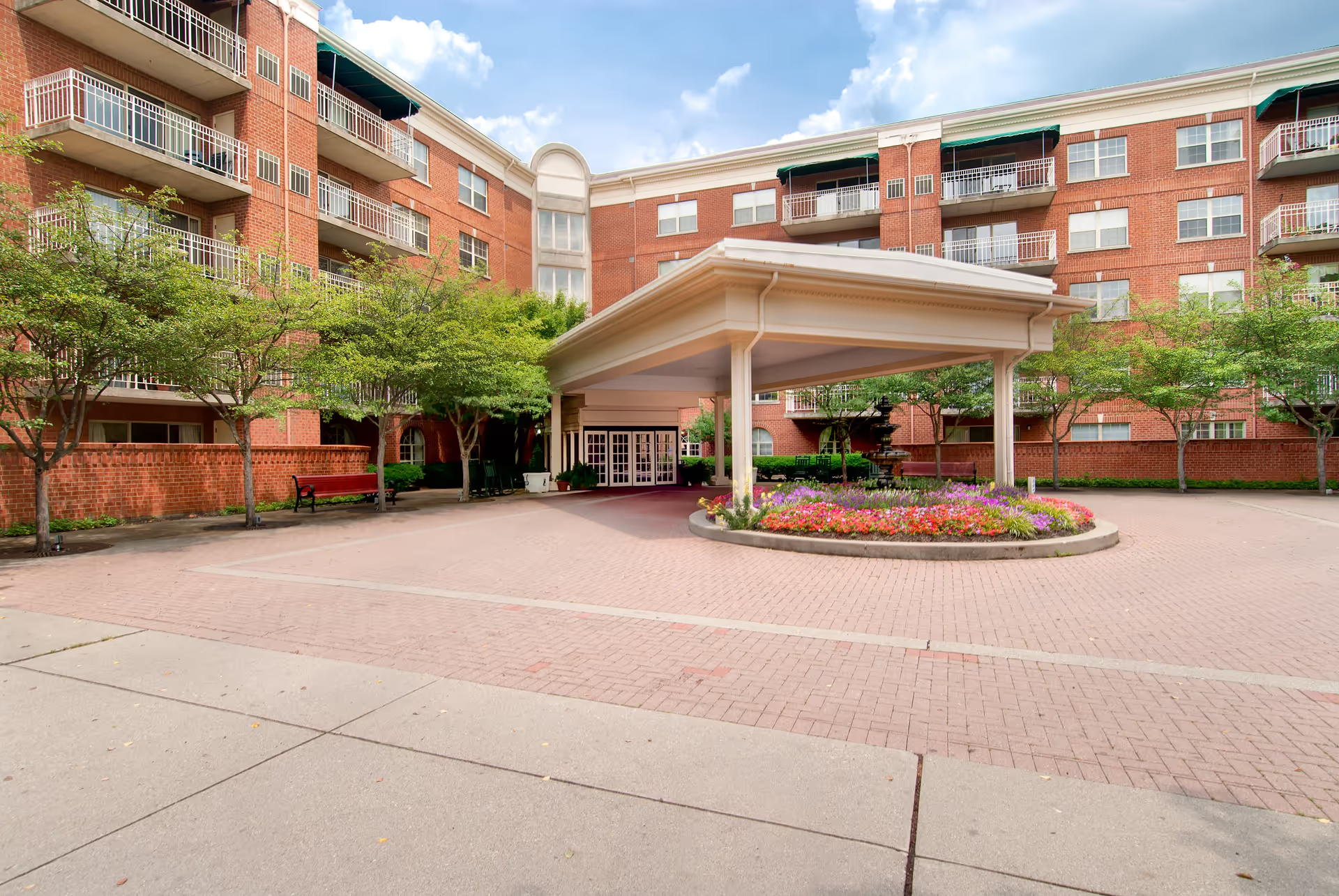
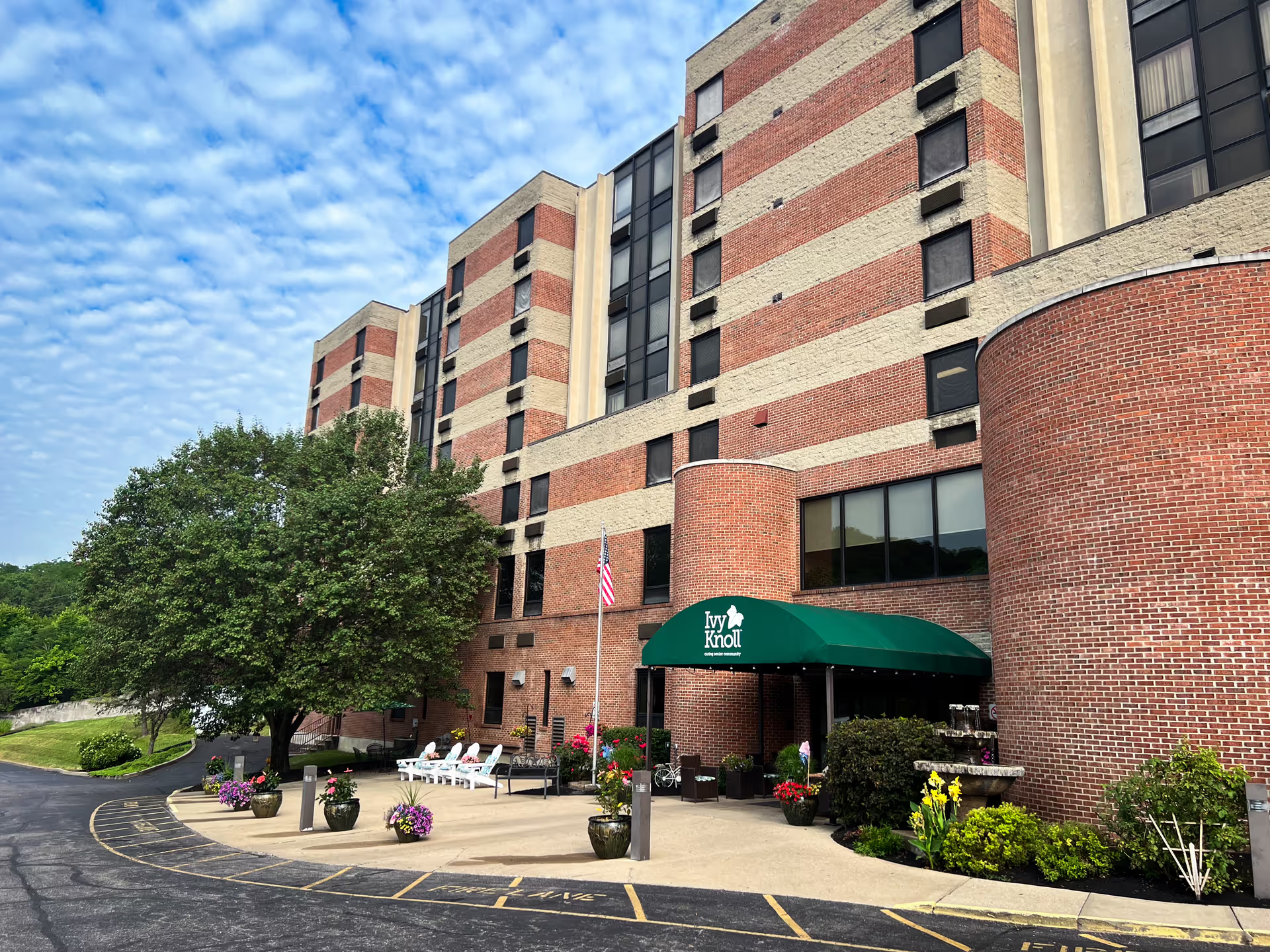
The Anderson Nursing and Rehabilitation Center receives considerable praise for its frontline caregiving and rehabilitation services. Many families describe nurses, aides, therapists, and activity staff as compassionate, personable, and effective — staff often learn residents’ names and deliver individualized attention. The facility’s physical- and occupational-therapy programs are frequently cited as a strength, with measurable progress, timely discharge readiness, and personalized therapy plans. Common areas are described as pleasant and homelike (patios, library, fenced backyard, aquariums/birds), private rooms allow personalization and temperature control, and ancillary services such as an on-site hair salon, laundry service, chaplaincy, and respite stays add convenience for families.
Activity programming is a consistent positive: a dedicated activities director, varied offerings (bingo, music, holiday events, exercises), and social opportunities are noted to increase resident engagement and interaction. Multiple accounts highlight successful short-term rehabilitation stays and outcomes following procedures such as joint replacement. Cleanliness and general maintenance receive positive comments from many families, contributing to an overall welcoming atmosphere.
At the same time, reviews reveal operational weaknesses that prospective families should weigh. Staffing stability and professionalism are inconsistent: while many staff members are praised, others are described as rude, inattentive, or inadequately responsive—particularly during off-hours. Several accounts point to high turnover and concerns about caregiver compensation that may contribute to variability in day-to-day care. Related clinical concerns include gaps in after-hours nursing coverage, delays in responding to urgent issues, and inconsistent documentation and communication with families about incidents and medications. There are also noted instances that suggest weaknesses in care planning and supervision protocols, including an elopement-related regulatory citation by the state health department and episodes of delayed assessment following adverse events.
Dining and food service are another mixed area. Some reviewers describe excellent meals, while others report inconsistent meal quality and problems with substitutions and service continuity (for example, needing to call early to request alternate breakfasts). Facility infrastructure is serviceable but shows its age: reviewers cite limited lighting and outlet availability in rooms and at least one example of diagnostic equipment or maintenance shortfalls. Finally, management impressions are mixed — some families find administration responsive and helpful, while others describe poor communication and limited follow-through.
Overall, Anderson appears well suited for residents who will benefit from strong therapy, active programming, and visible daily engagement from caring staff, especially when families are involved in oversight and advocacy. However, families of higher-acuity residents should be aware of operational variability in supervision, after-hours coverage, medication communication, and facility maintenance; these areas may warrant direct questions and specific assurances during a tour or care-planning discussion.