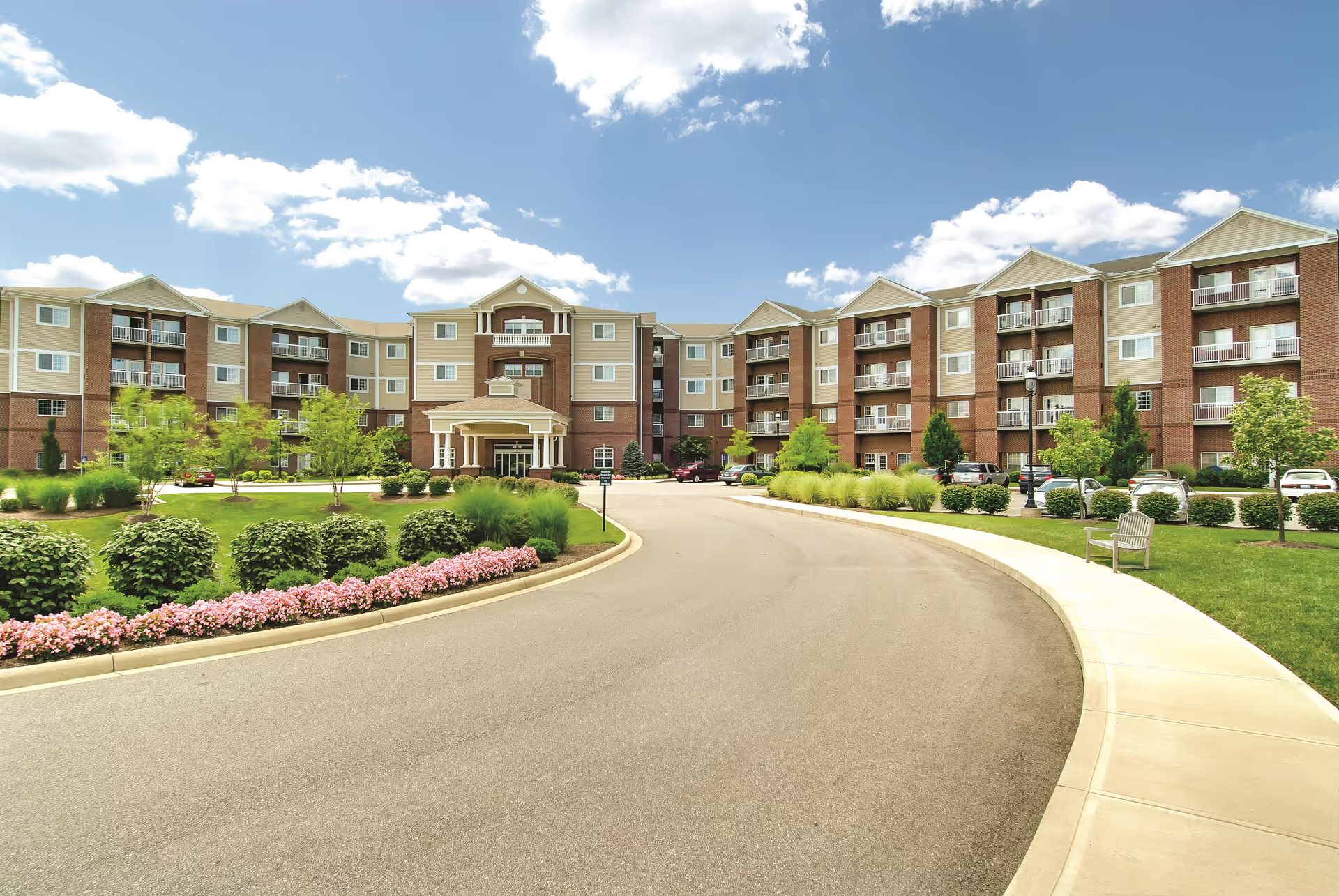
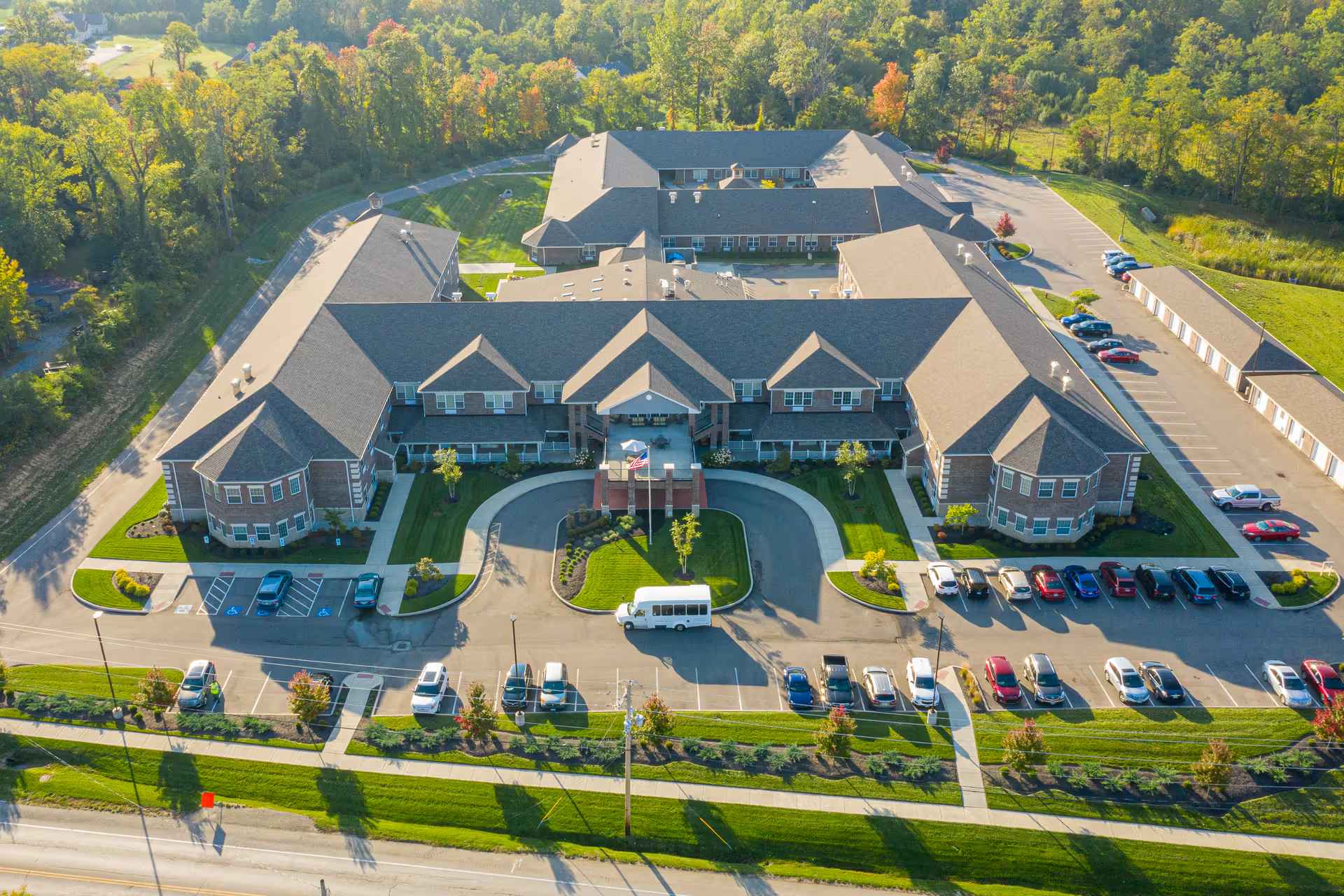
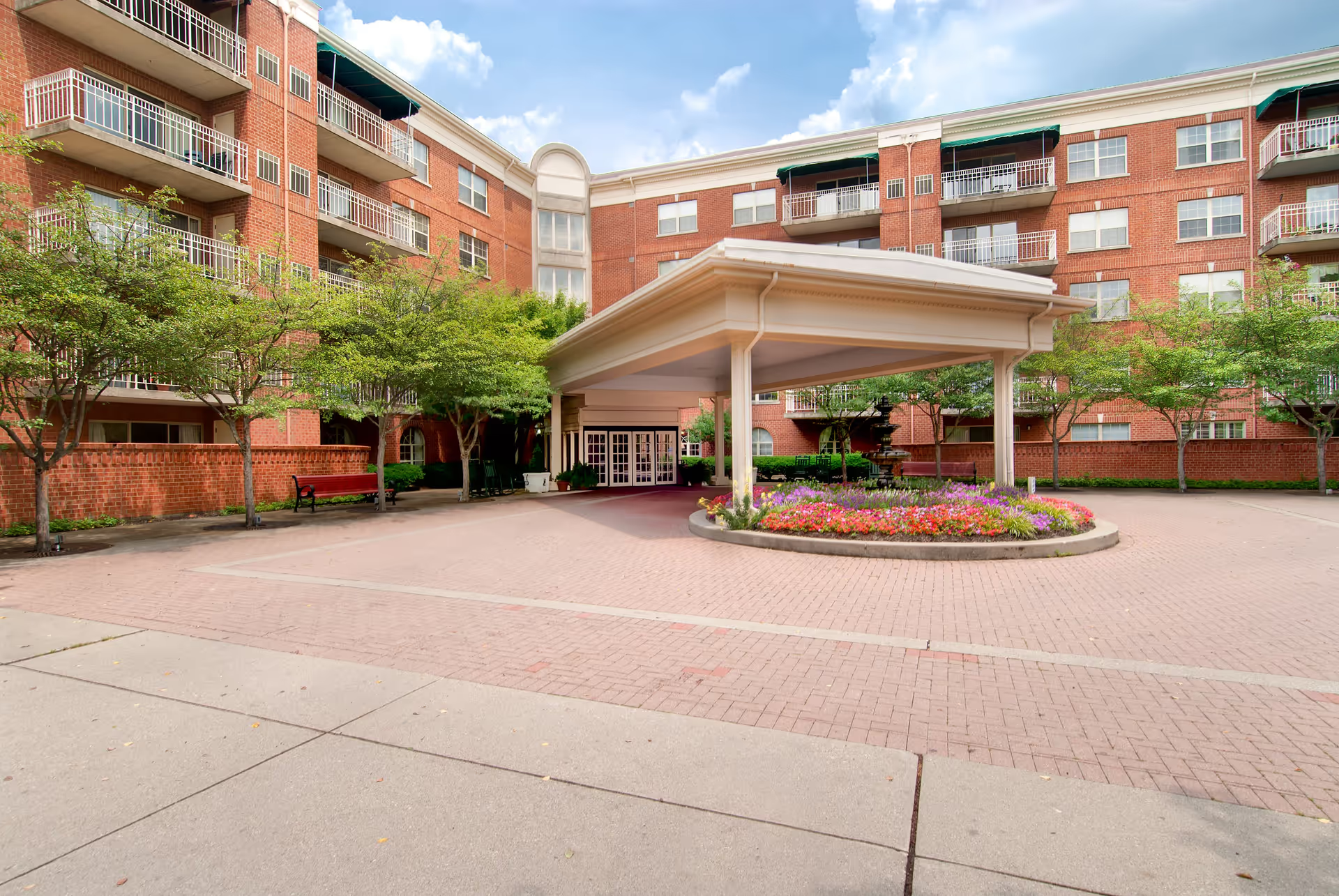
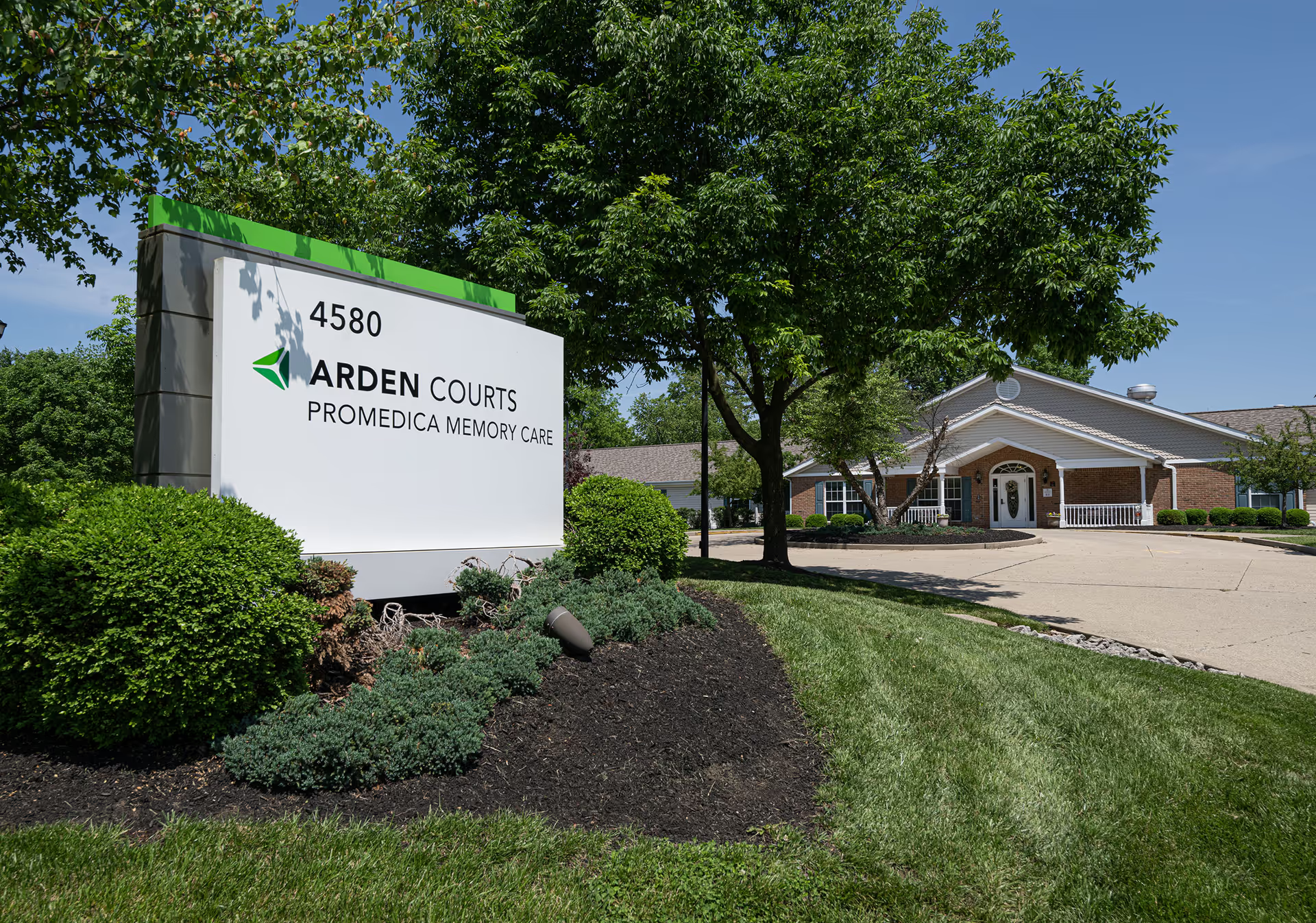
The Glen elicits a mixed but strongly polarized set of experiences. Many families and residents describe a clean, attractive building with accessible rooms and a range of on-site services — including skilled nursing, rehabilitation therapy, salon and barber services, dining venues, and transportation. Positive accounts emphasize compassionate, attentive nursing and therapy teams, proactive care conferences, and clear family communication. Several reviewers highlighted successful transitions into assisted living or short-term respite stays, effective physical therapy, and generous dining offerings (including special-event meals and large portions).
Care-quality impressions vary. On the positive side, therapy and nursing teams are frequently praised for individualized care, timely incident response, and attentive support for residents with complex needs. However, a number of reviews describe operational gaps that affect clinical consistency: concerns about medication management, delays in attending to continence or skin-care needs, and variability in staff competence and training. There are also isolated but serious allegations of problematic staff conduct; these accounts are not the dominant theme but are significant enough to recommend verification through licensing, inspection reports, and direct questioning during a tour.
Dining and activities present a similar mixed picture. Many residents enjoy diverse menus, on-site coffee and snack options, upscale event dining, and social gatherings such as happy hour and music. The activities program includes gardening, crafts, movie showings, and group exercise, which contribute to a lively atmosphere for engaged residents. At the same time, some families reported inconsistent food quality and reductions in outings or entertainment programming — trends attributed in part to COVID-related restrictions and staffing pressures. Prospective residents who prioritize an active lifestyle should confirm current program schedules and frequency of outings.
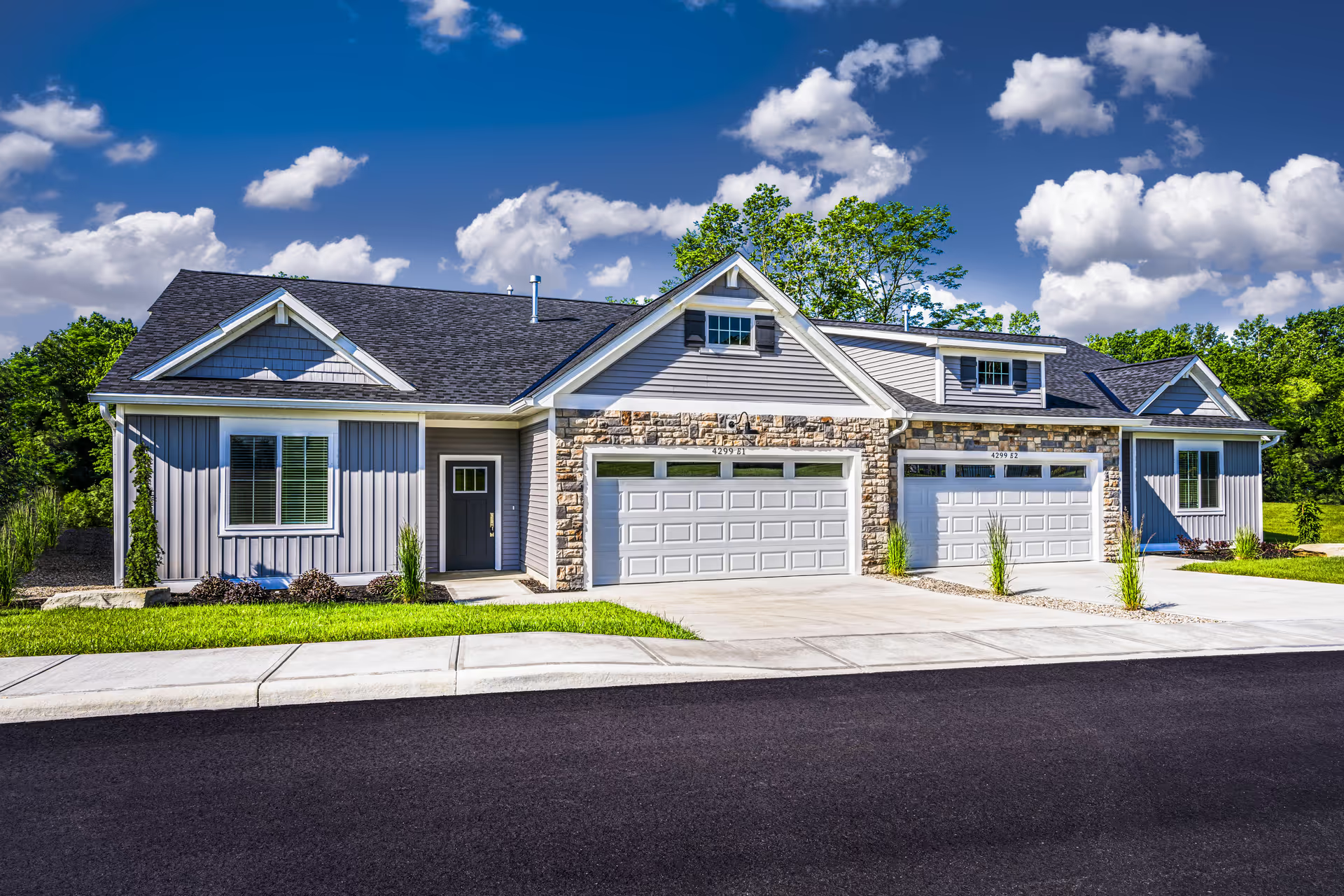
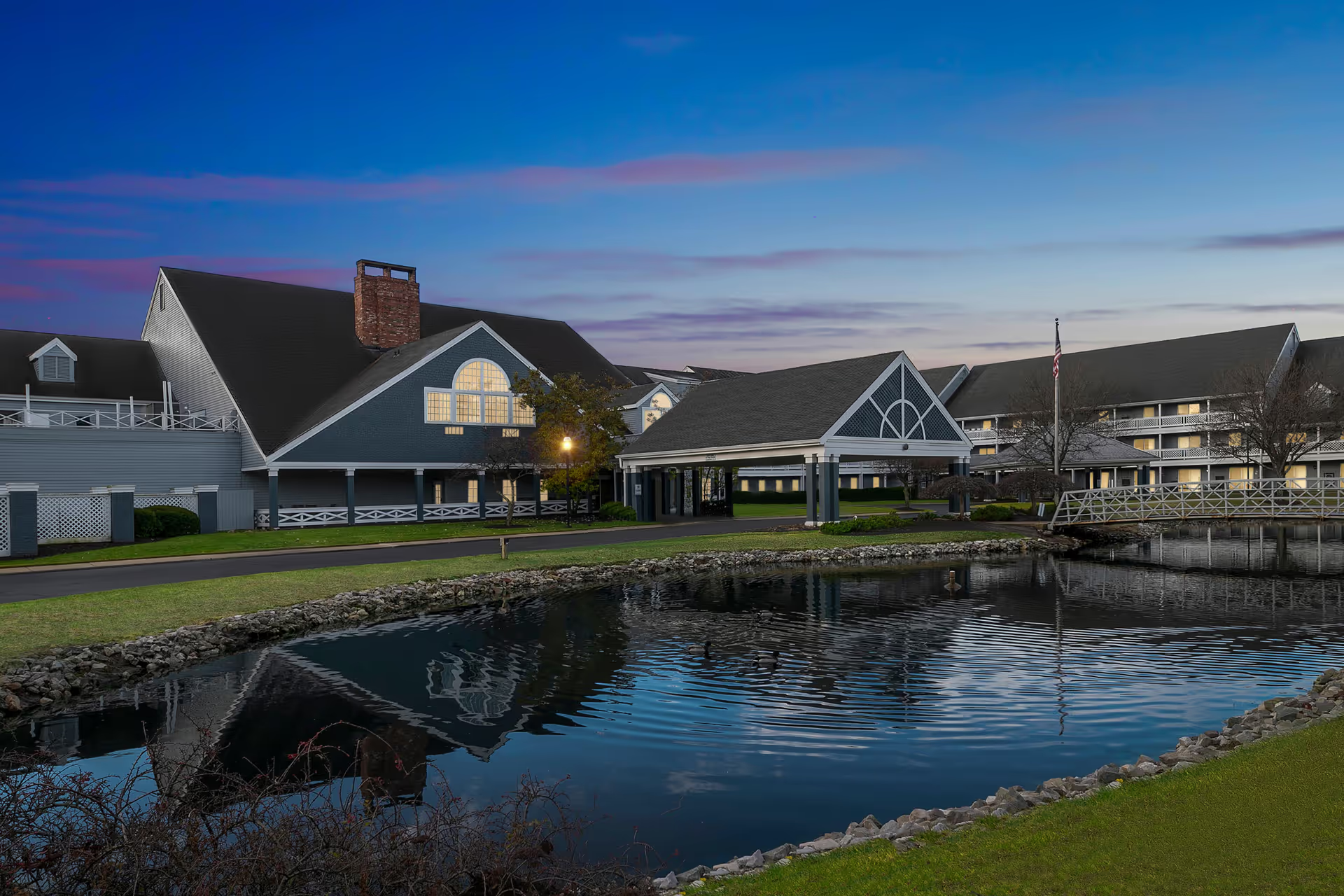
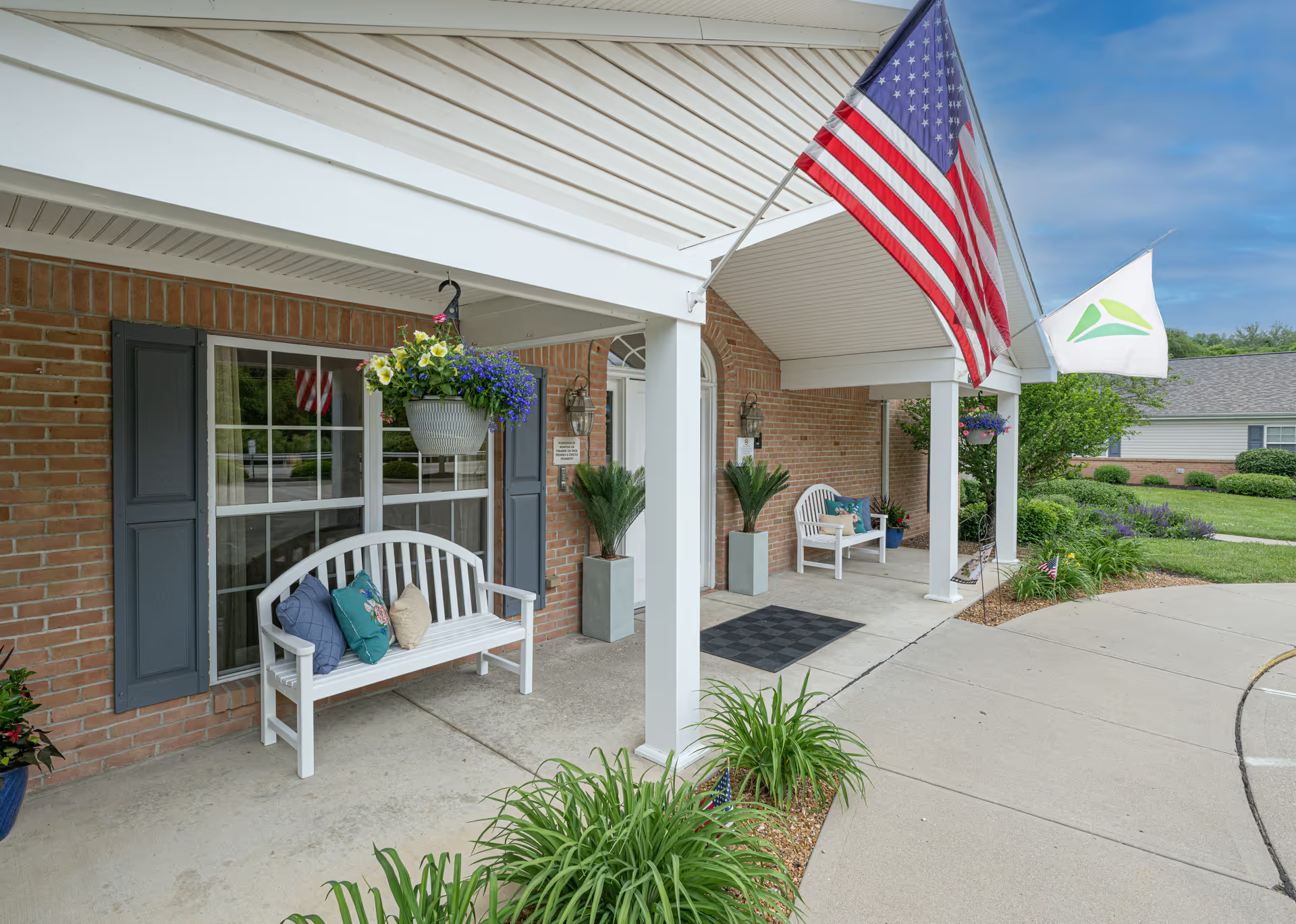
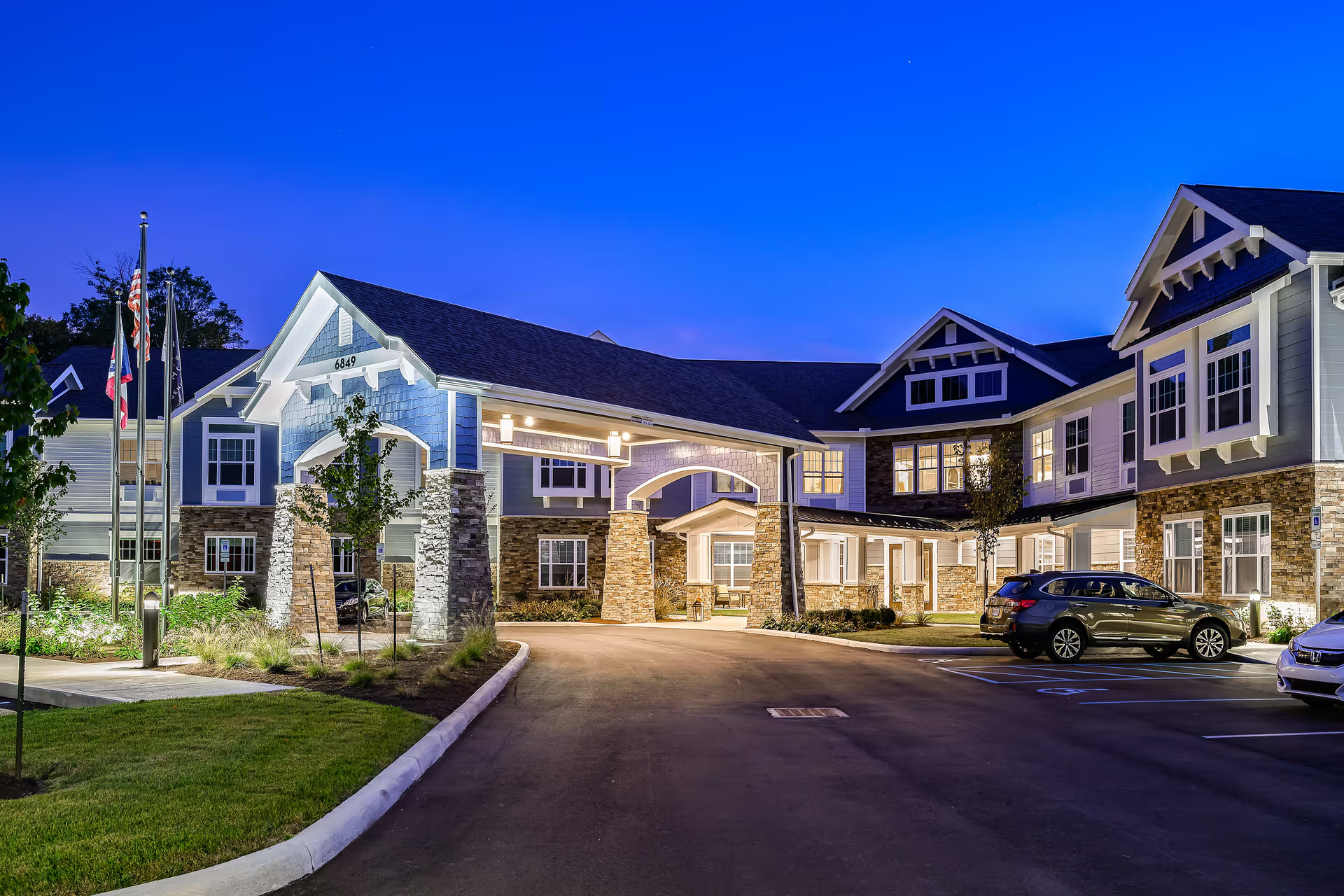
Facility upkeep and amenities are generally seen as strengths: reviewers mention well-kept common spaces, wheelchair-friendly layouts, and studio apartments with kitchenettes. Operational weaknesses raised across reviews include administrative follow-through (for example, placement coordination, room-change commitments, and waitlist management) and occasional shortages of available rooms for respite care. Financial transparency and billing practices were flagged by a subset of families, so clear conversations about charges and level-of-care billing are advisable.
Management and staffing policies appear to be a key driver of the divergent experiences. Where staff levels are adequate and leadership communicates proactively, families report high satisfaction. Where staffing is inconsistent or management resists supplemental staffing solutions, care continuity and activity programming have suffered. Infection-control communication and testing procedures were also noted as an area for clarification.
Recommendation: The Glen offers substantial on-site clinical and lifestyle resources and receives many strong endorsements for staff compassion and facility quality. At the same time, there are recurring operational themes—staffing consistency, clinical-practice gaps, administrative follow-through, and occasional serious conduct allegations—that warrant careful vetting. Prospective residents and families should tour during meal and activity times, request recent inspection and staffing-ratio information, ask about current activity schedules and respite-bed availability, and get clear, written answers about billing and placement procedures before committing.