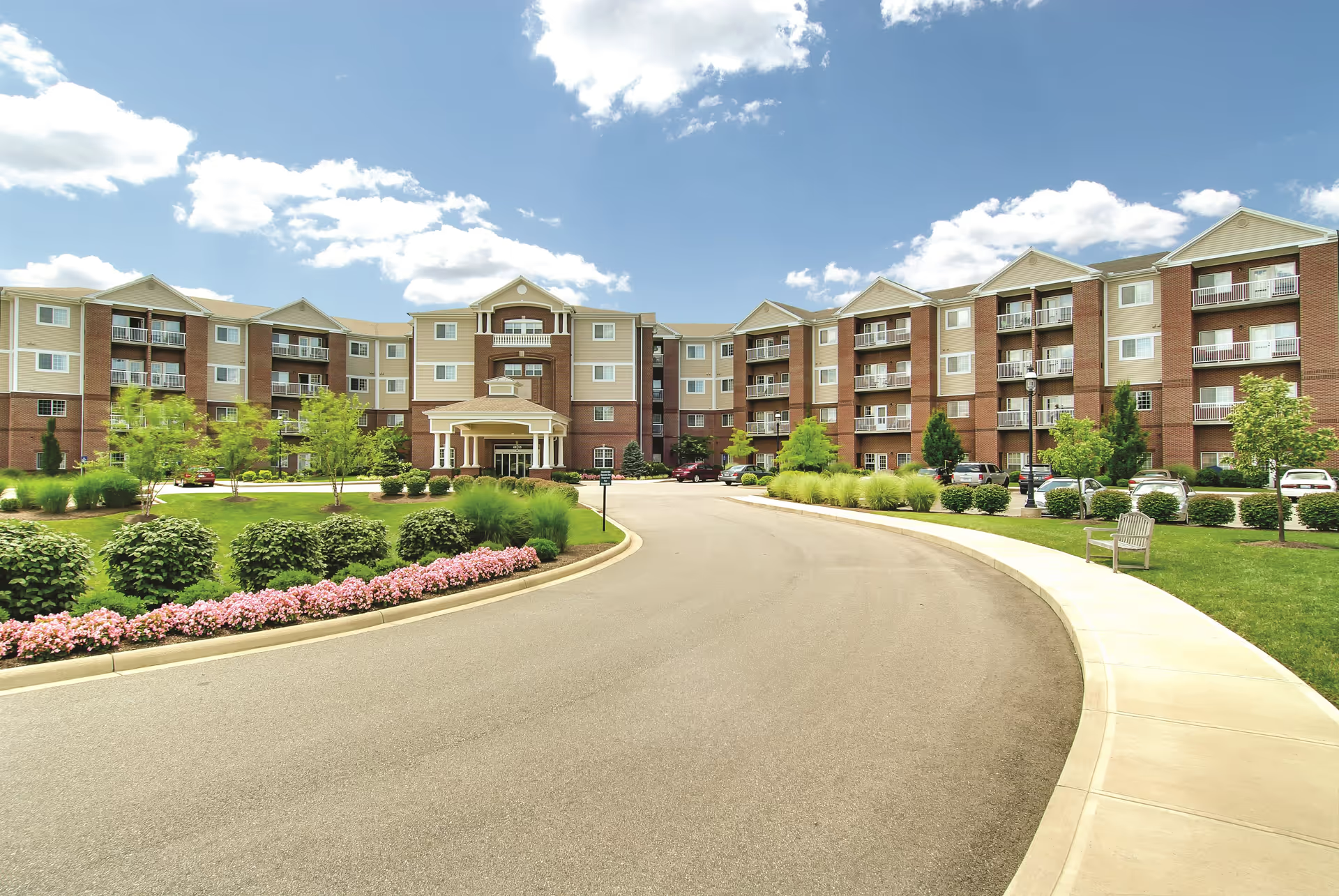
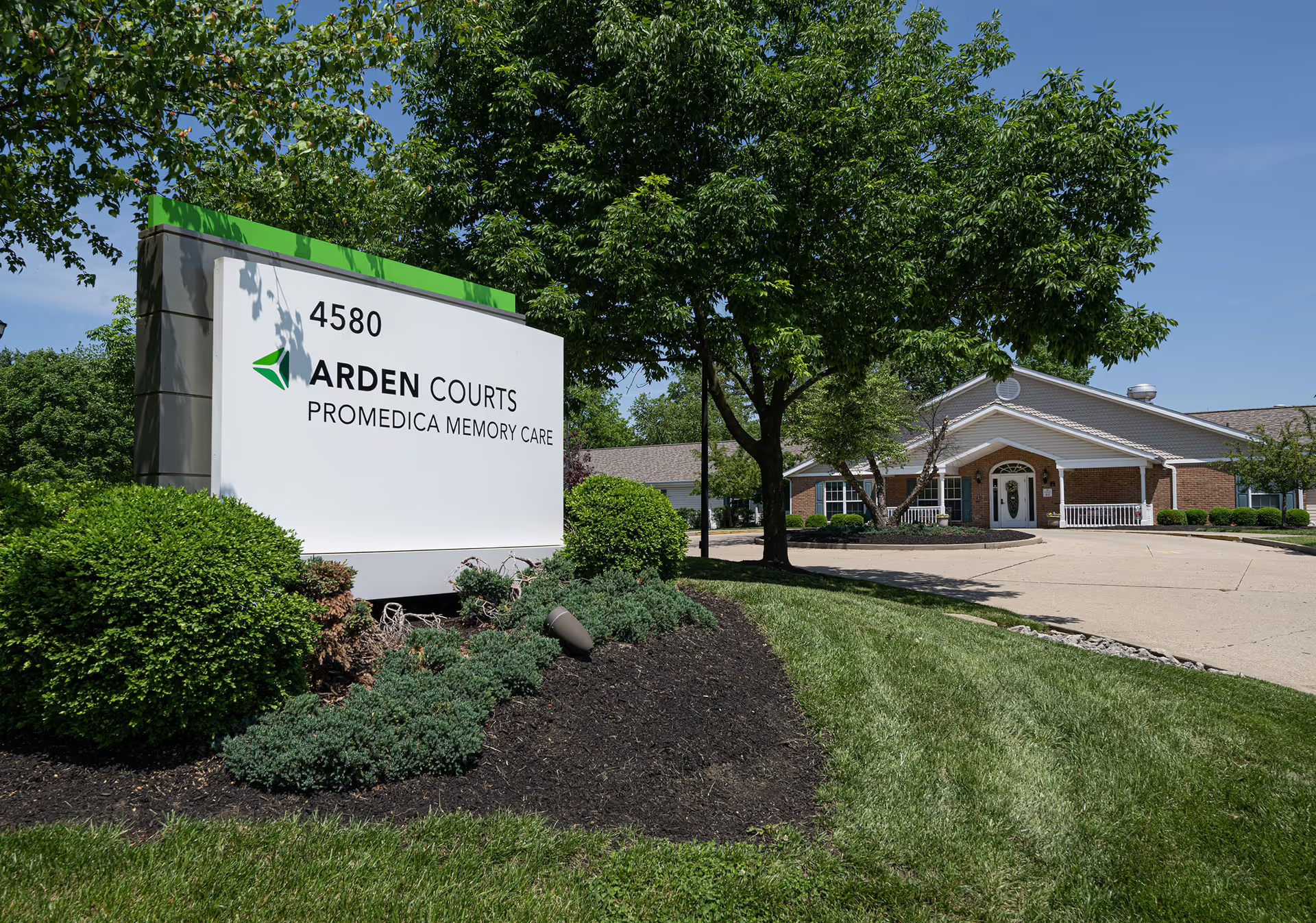
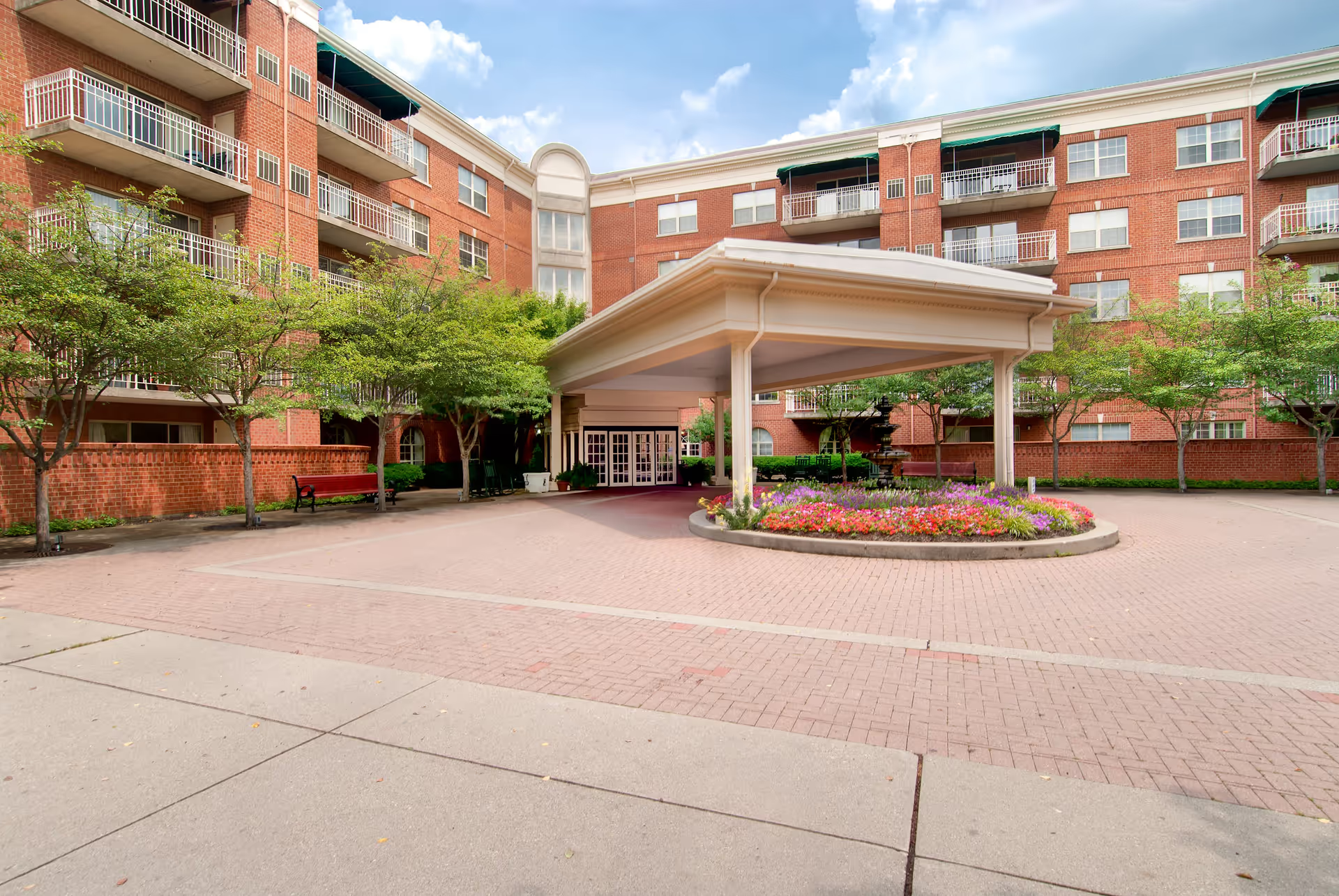
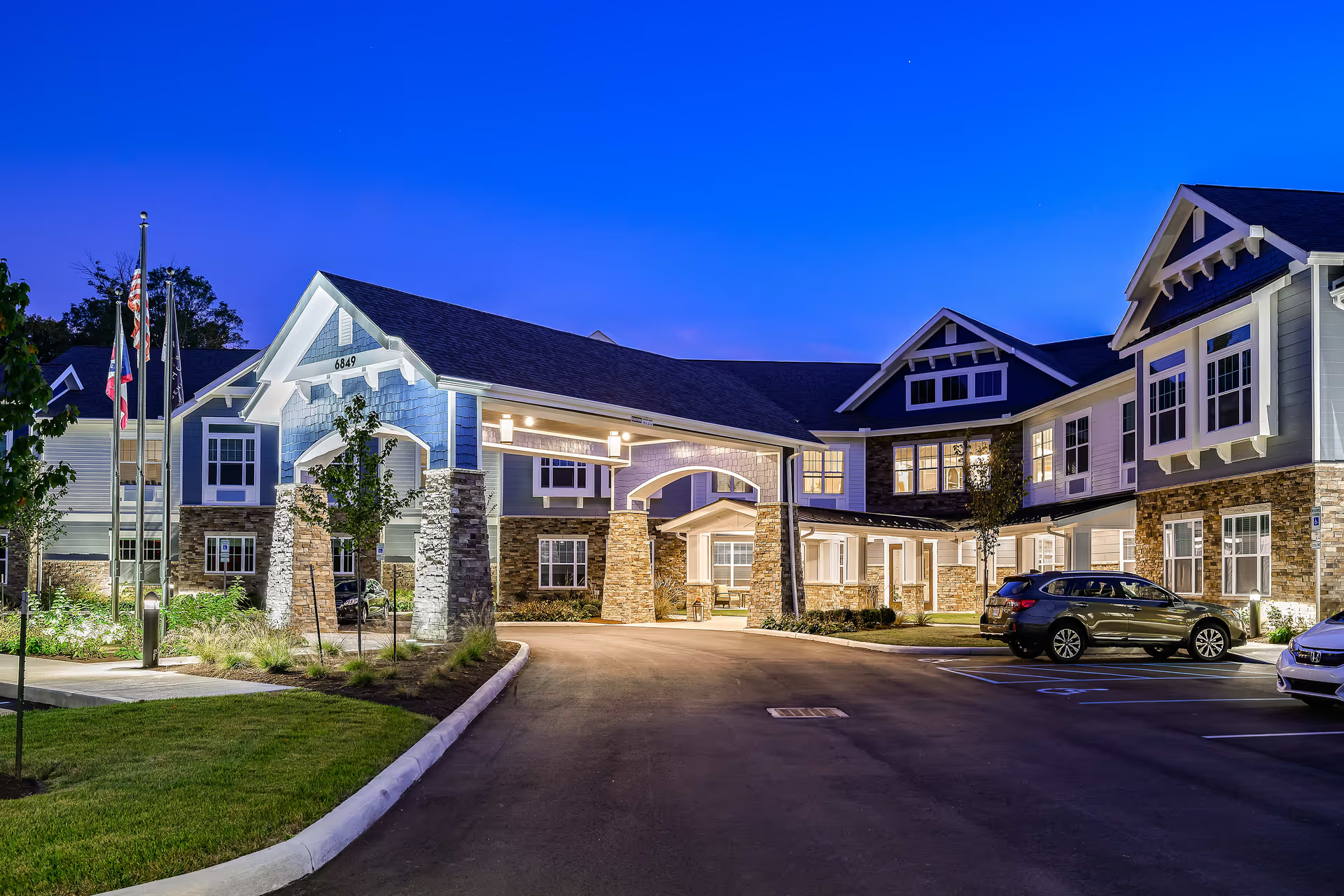
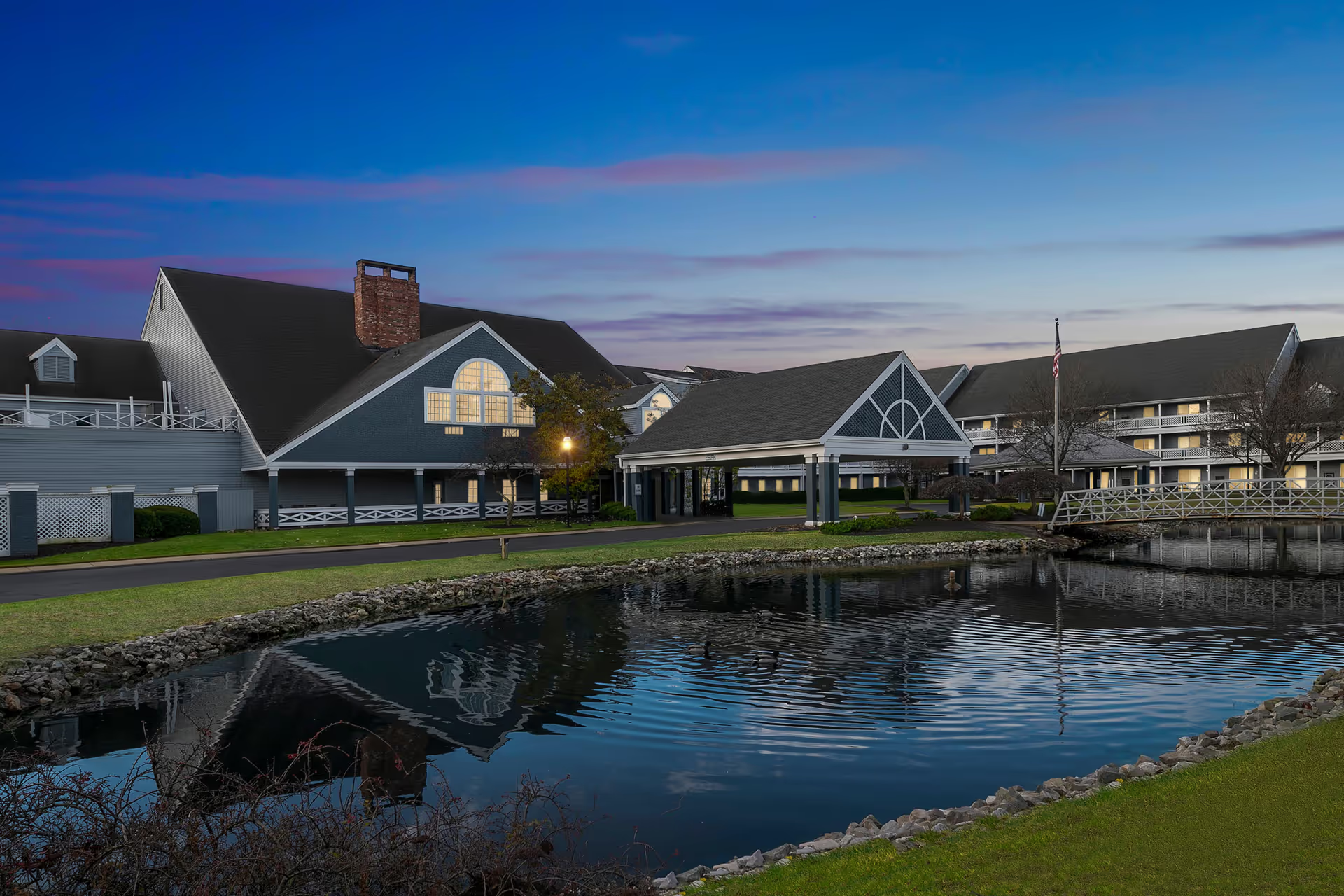
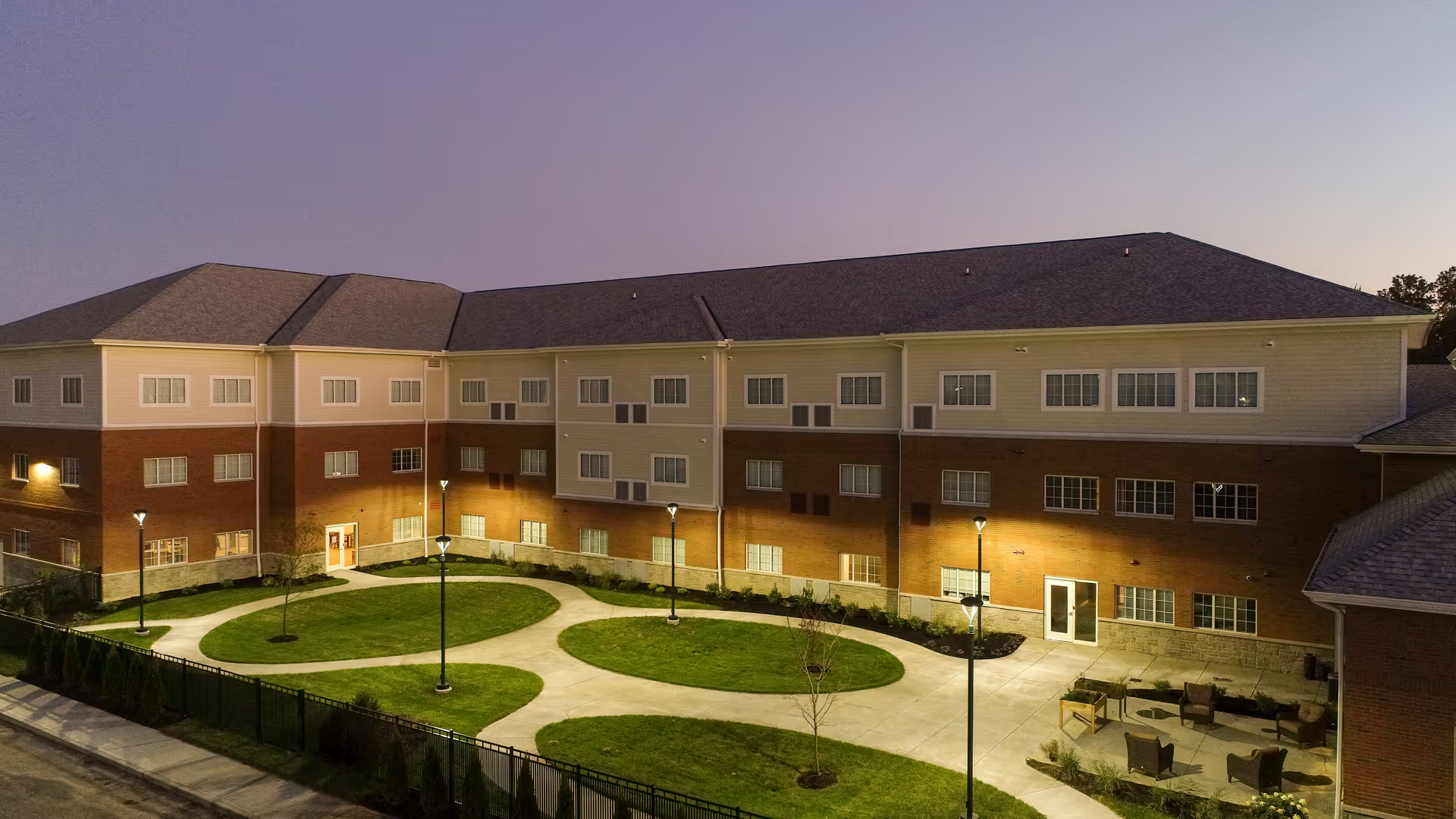
Reviews of the facility present a strongly mixed picture. Many families and former residents praise the care team for being kind, attentive, and collaborative; physical and occupational therapy services are repeatedly described as effective, and the facility’s rehab program receives consistent positive mention. The campus appeals to some because of its large rooms, pleasant views, central location, multi-level care options (assisted living, memory care, skilled nursing), active events calendar, and an admissions/marketing team that several people found helpful and responsive. Several accounts also note positive changes under newer management and planned renovations intended to modernize the historic building.
At the same time, recurring operational weaknesses appear across reviews. Staffing levels and consistency are a frequent concern: reviewers described shortages, variable performance among CNAs and nurses, and limitations in night staffing that can delay responses to resident needs. Related clinical concerns include inconsistent medication-pass timing, gaps in wound and pressure‑injury care, and examples of slow or incomplete toileting and bathing assistance. These items together suggest variability in day-to-day care reliability despite the presence of dedicated staff members praised elsewhere.
Food service and communication are additional mixed areas. Several families praised balanced, appetizing meals and adequate portions, while others described incorrect orders, ignored dietary requests, and an expectation that residents must initiate meal choices. Communication gaps were also noted — limited phone access in rooms, difficulty reaching staff, and uneven family updates — which compounds worries when clinical issues arise. Environmental and facility items were similarly variable: some reviewers described a well-maintained, clean environment and proactive COVID measures, while others raised sanitation and pest-control concerns, inconsistent room cleaning and linen changes, and infrastructure problems such as outdated rooms or unreliable climate control.
Management and oversight emerge as a differentiator in many accounts. Positive reviews credit engaged leadership, collaborative care planning, and improvements after management changes. Negative reviews point to perceived lack of transparency, weak incident-response documentation, and concerns about resident financial security. A small number of reviews include serious allegations (for example, staff substance use on premises) and specific safety or theft concerns; these items merit targeted inquiry during any evaluation.
Recommendation: prospective residents and families should arrange an in-person visit and ask focused questions about staffing ratios by shift, med-pass schedules and medication safety protocols, wound‑care and toileting procedures, recent survey or inspection findings, pest-control measures, night-time supervision, and how the facility handles meal ordering and special diets. Consider speaking with current families about recent management changes and observing staffing and cleanliness during different shifts to form a balanced assessment of whether the facility’s strengths align with your priorities.