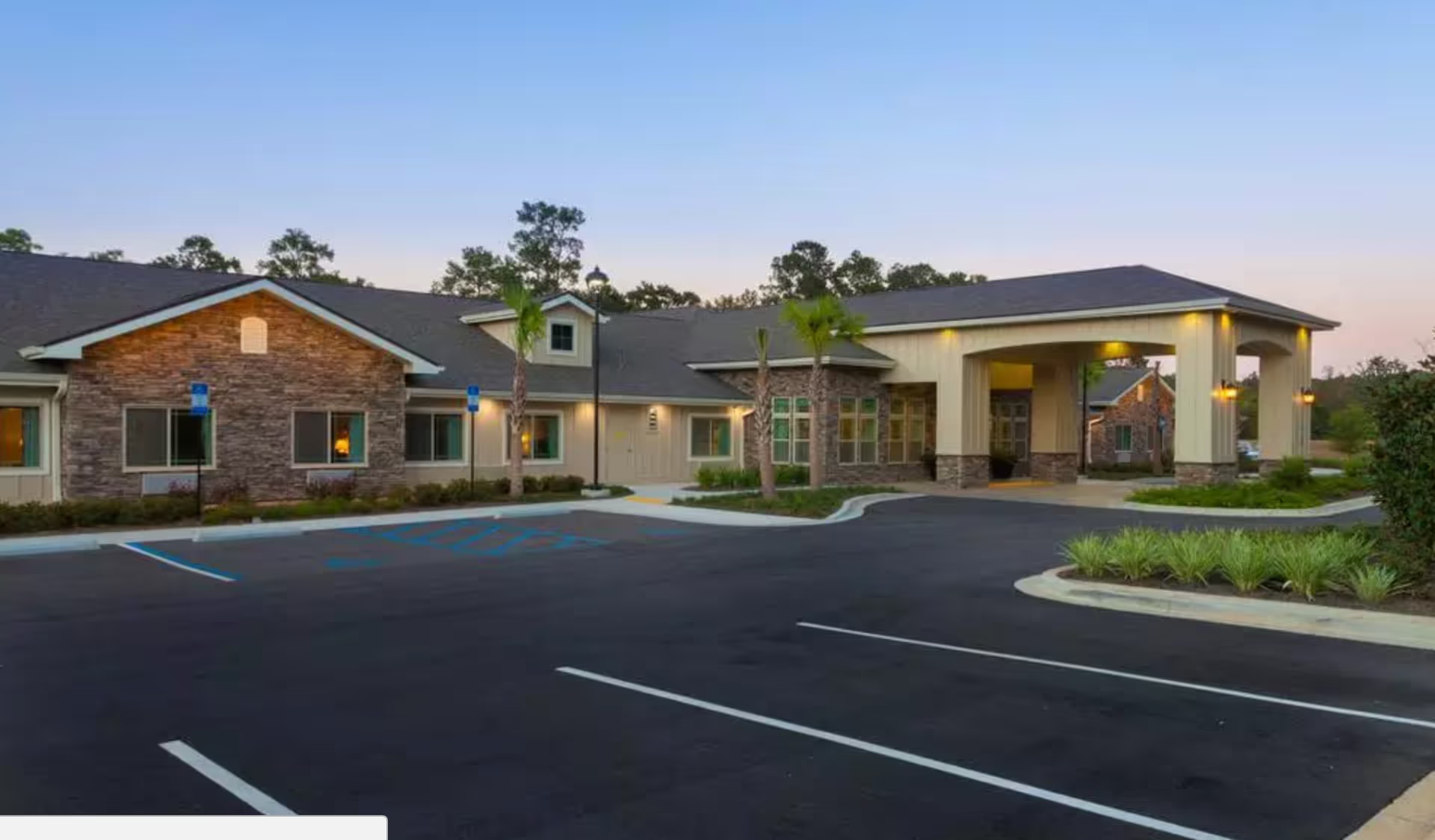
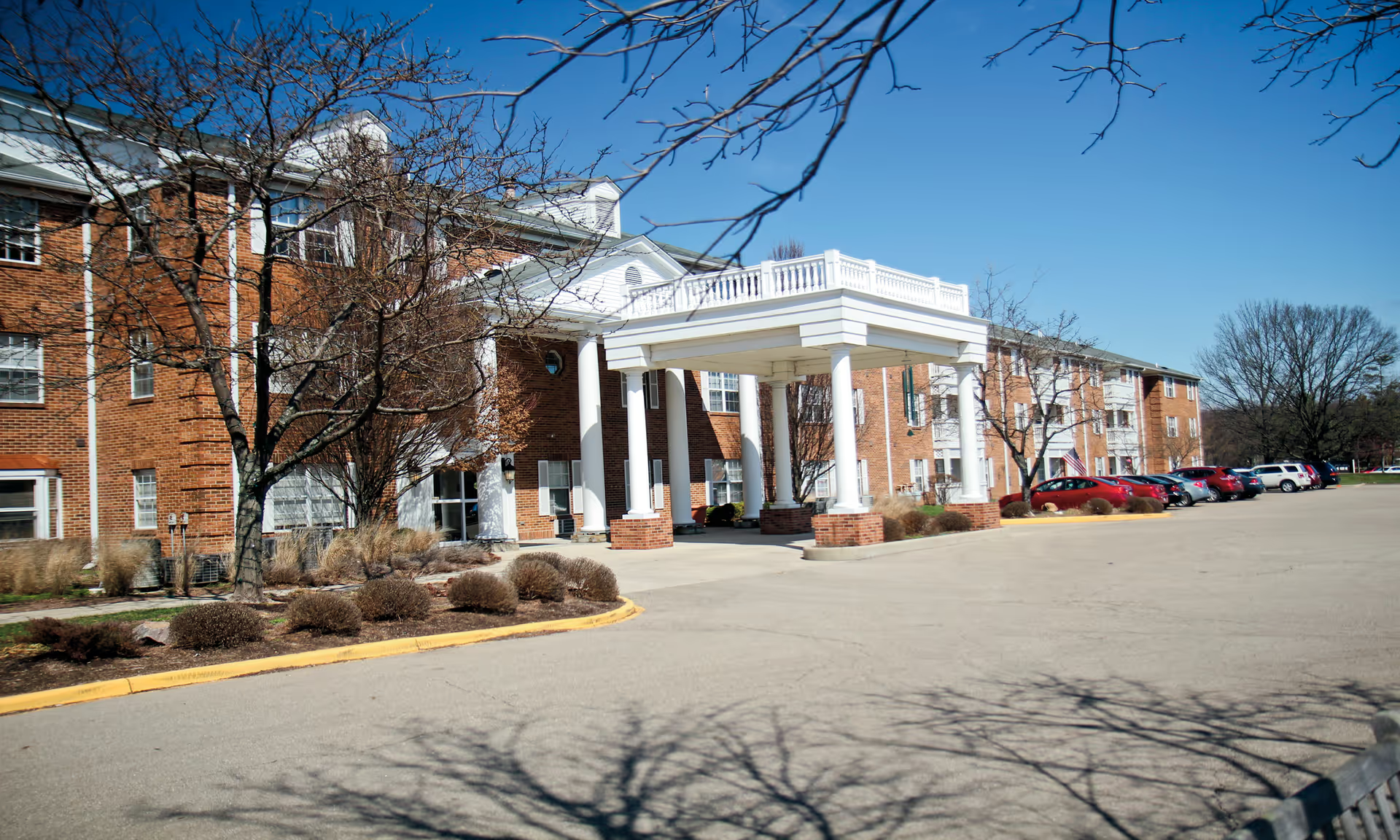
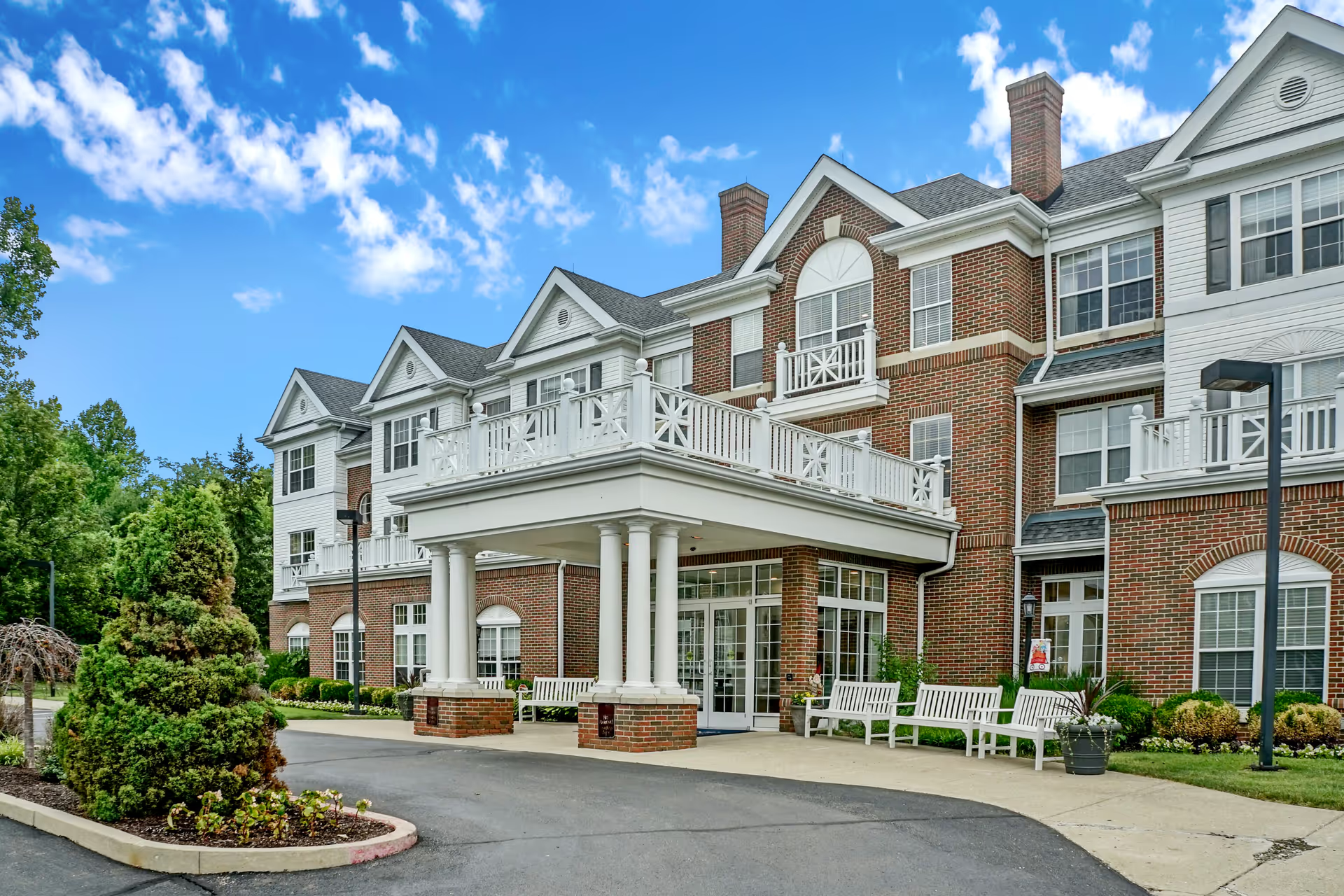
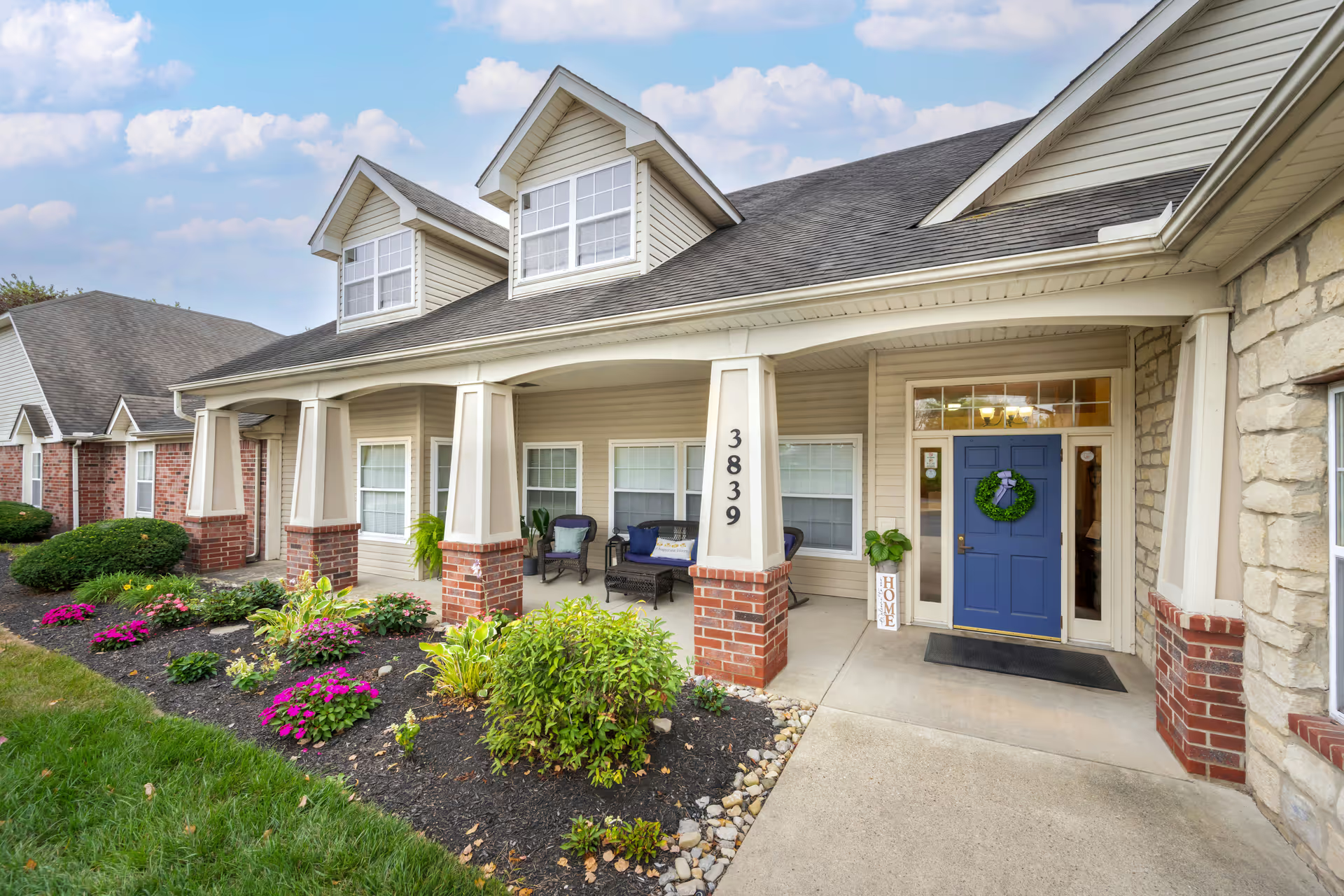
CareCore at Mary Scott elicits strongly polarized impressions. Positive accounts emphasize a warm, family-like culture and a number of consistently praised individuals and teams: dedicated nurses and STNAs, attentive housekeeping (with named staff singled out for exceptional effort), engaged activity coordinators, and rehabilitation staff who support short-term recovery goals. Several long-term residents and families describe continuity of care, meaningful social programming, nutritious meals, well-kept grounds, and infection-control practices that helped maintain COVID-free periods. The facility has also invested in updates to the building and ongoing clinical trainings, which multiple families cited as beneficial to care quality.
Counterbalancing those positive impressions are persistent operational concerns that affect care reliability. Staffing levels and shift coverage are described as inconsistent, with multiple accounts of long delays responding to call lights and urgent clinical needs. These delays are frequently tied to family frustration about slow attention to pain or emergent issues. Reviewers also describe gaps in routine personal-care and grooming assistance, variability in access to physical therapy, and uneven medication oversight — all of which point to inconsistent clinical processes rather than a single isolated failure.
Communication and management practices show similar variability. Many families praise staff who are available for questions and who execute requests promptly; others report limited updates about cognitively impaired residents and unclear coordination of physician appointments. There are also allegations of serious individual incidents, including an allegation of improper airway management and concerns following a resident's death, and mentions of regulatory citations and outdated equipment. These claims highlight areas where incident-response, clinical oversight, and transparency need particular attention.
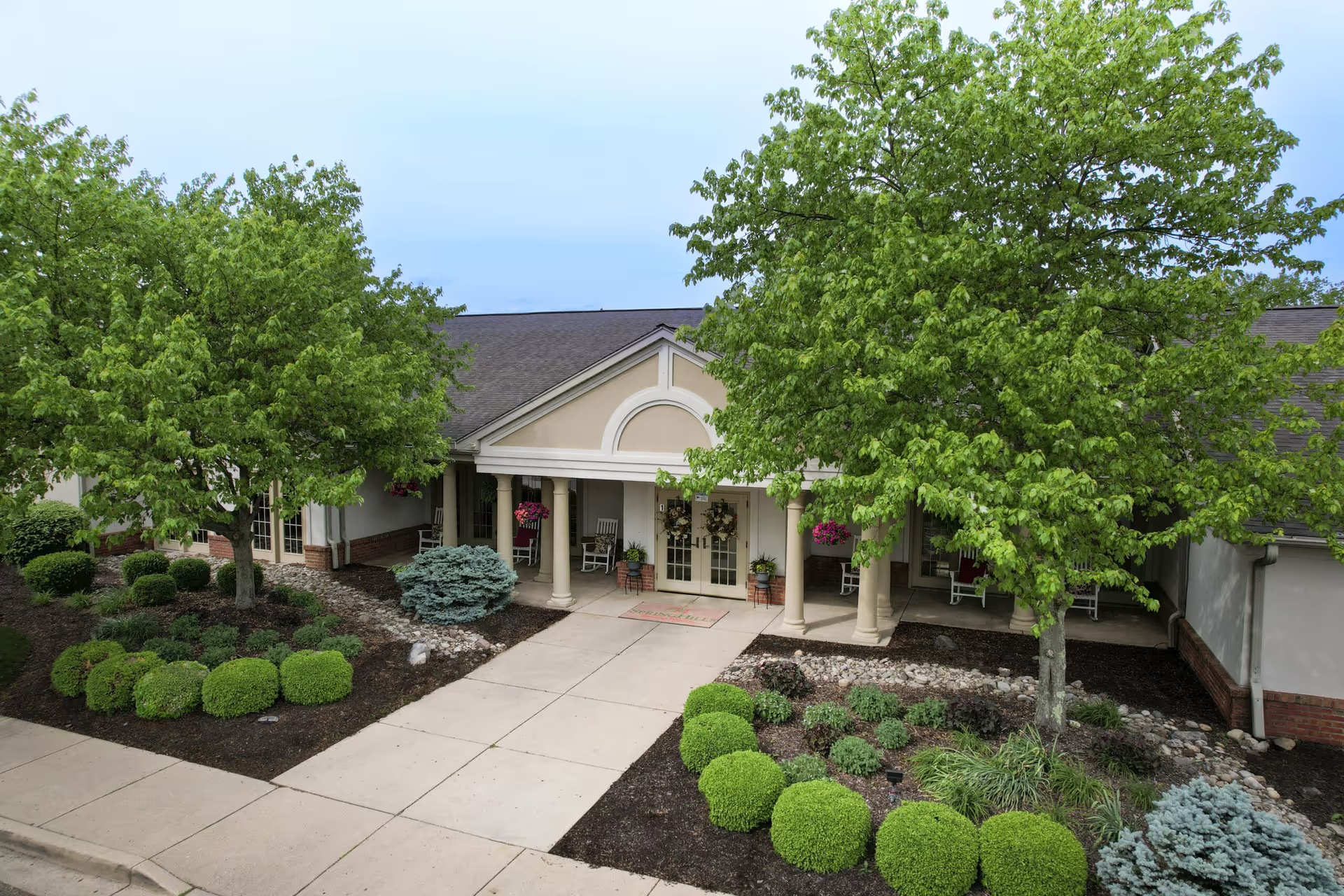
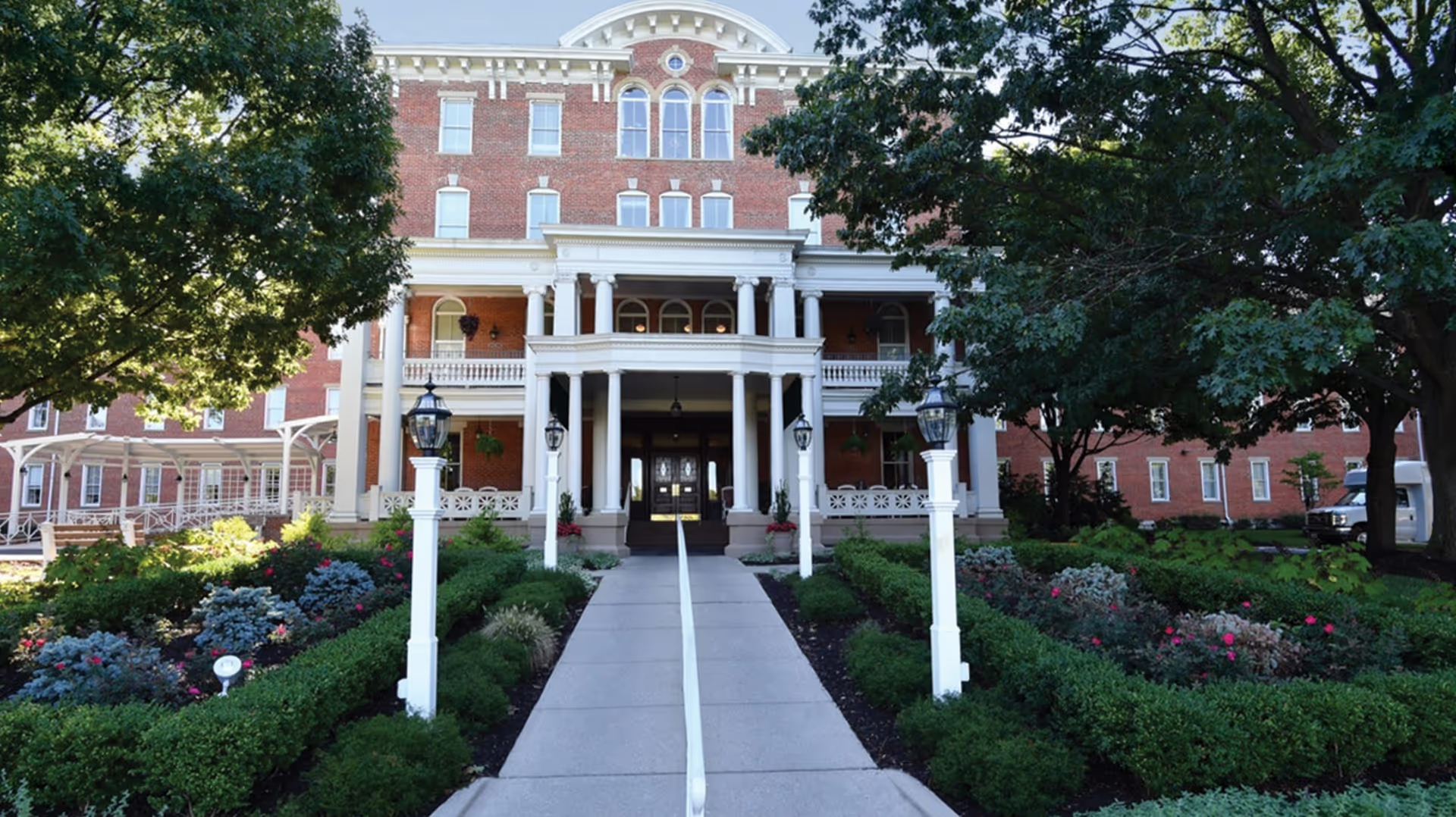
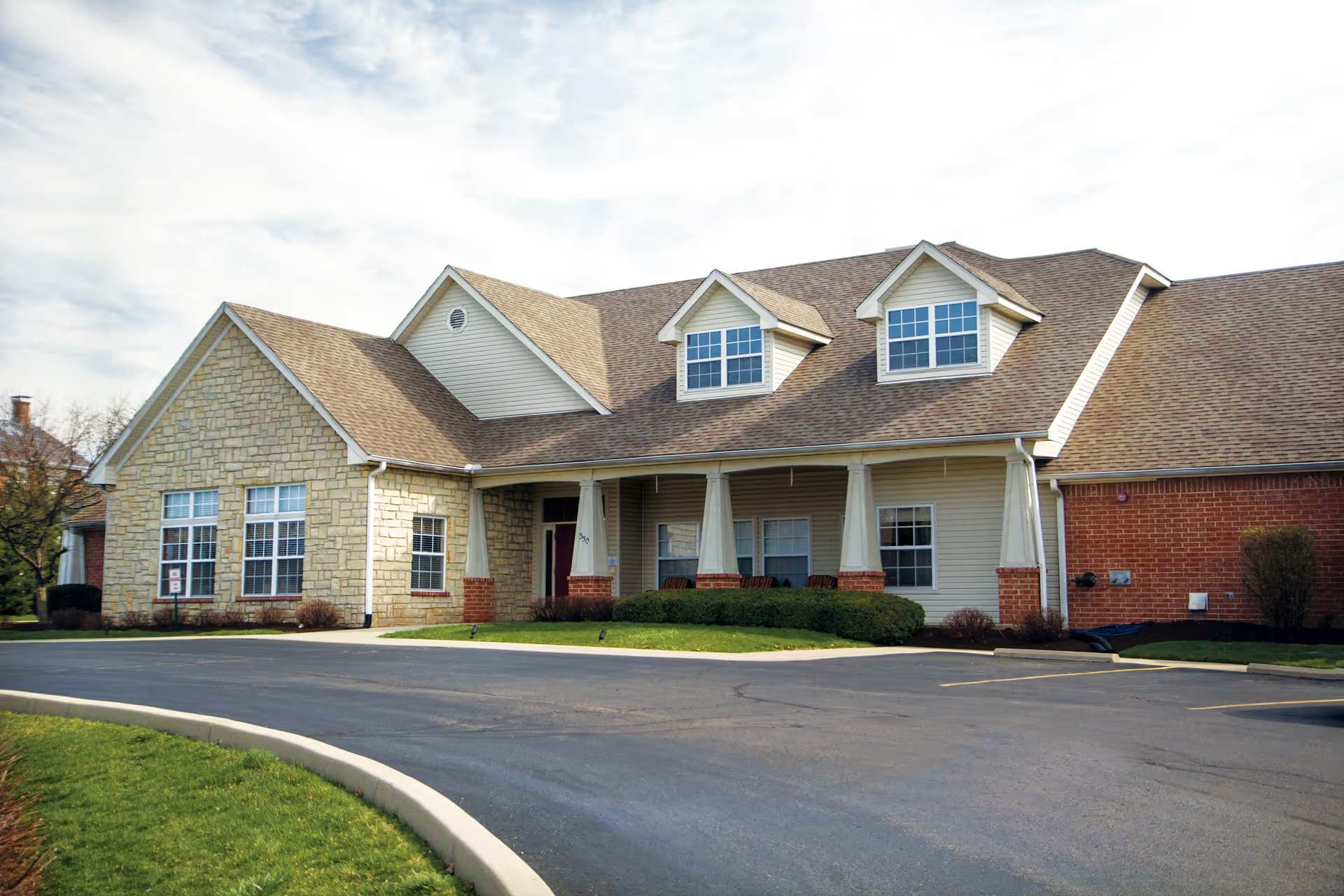
Facility-level environment and operations are mixed. Positive remarks note a clean, pleasant atmosphere, attractive grounds, and ongoing facility improvements. At the same time, sanitation and maintenance issues are flagged in certain units, and noise-control (for example, late-night vehicle noise) has been mentioned as disruptive. Finally, the online feedback is strongly polarized — many 5-star endorsements coexist with strongly negative narratives, and at least one review raised concerns about the authenticity of public reviews. Prospective residents and families should weigh both the strength of the caring staff and community atmosphere against recurring operational weaknesses (staffing consistency, responsiveness, communication, and quality-control processes). A site visit that focuses on staffing levels at relevant shift times, evidence of clinical oversight, therapy scheduling, and examples of family communication practices would help clarify how the facility’s strengths and weaknesses align with a particular resident’s needs.