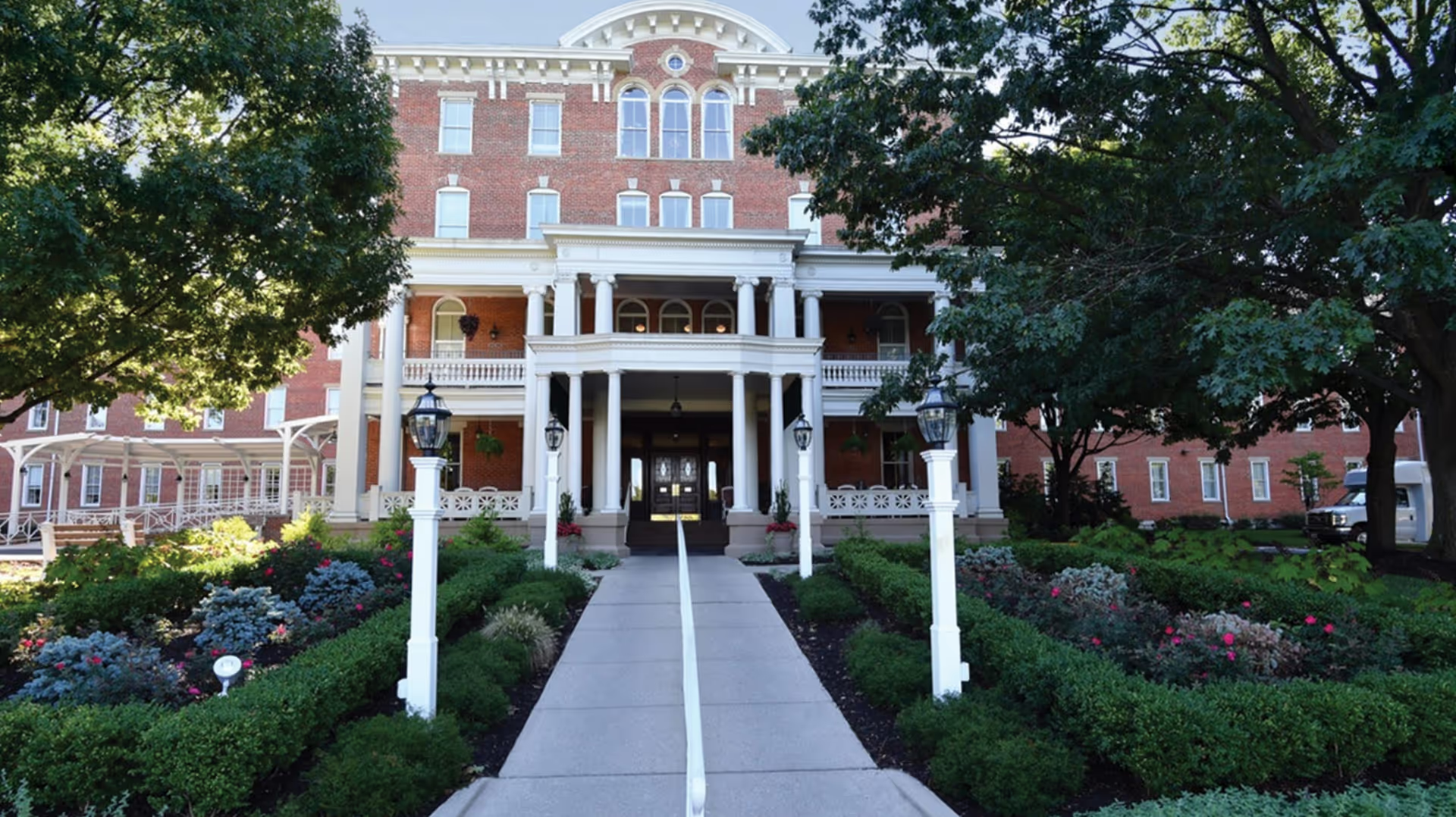
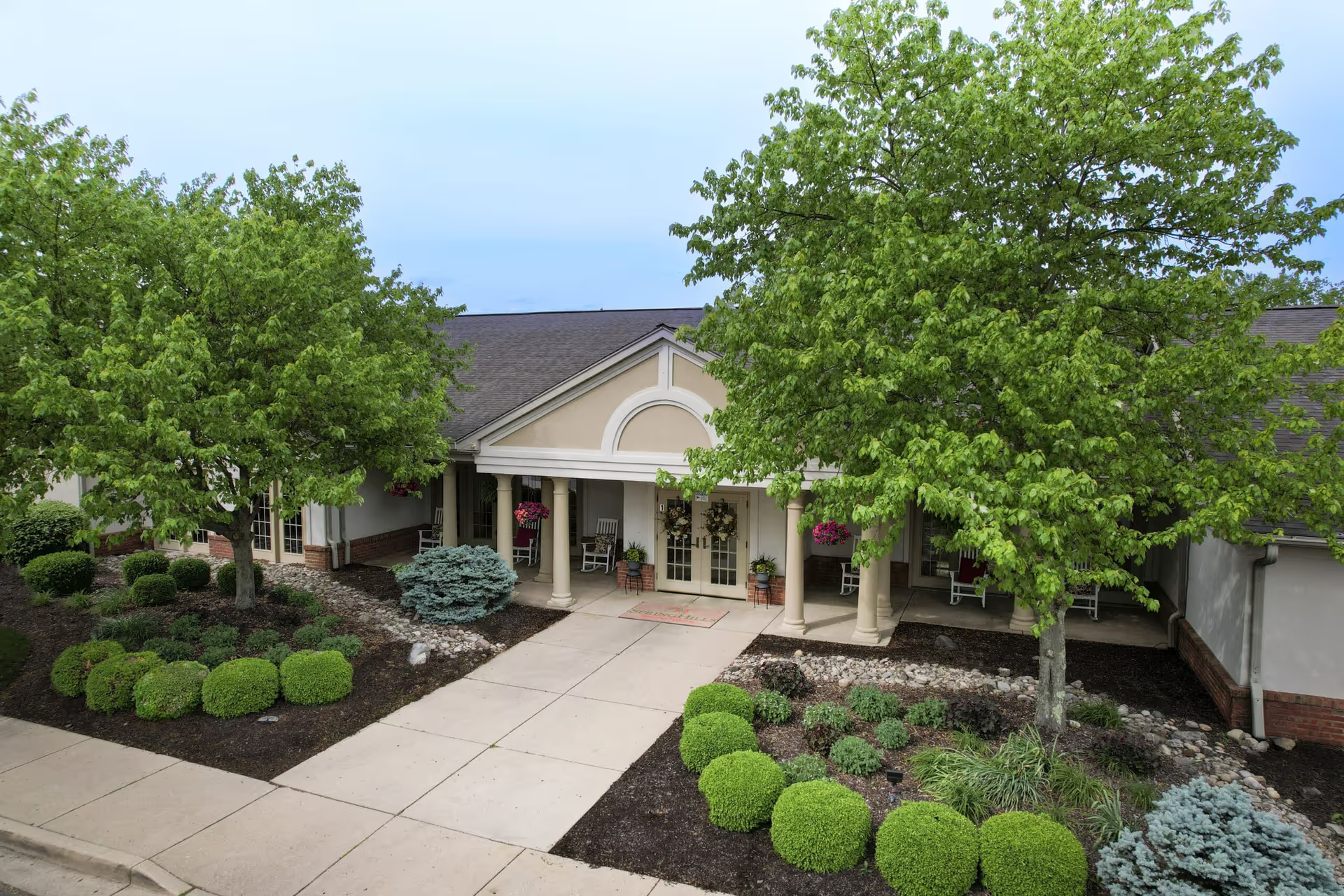
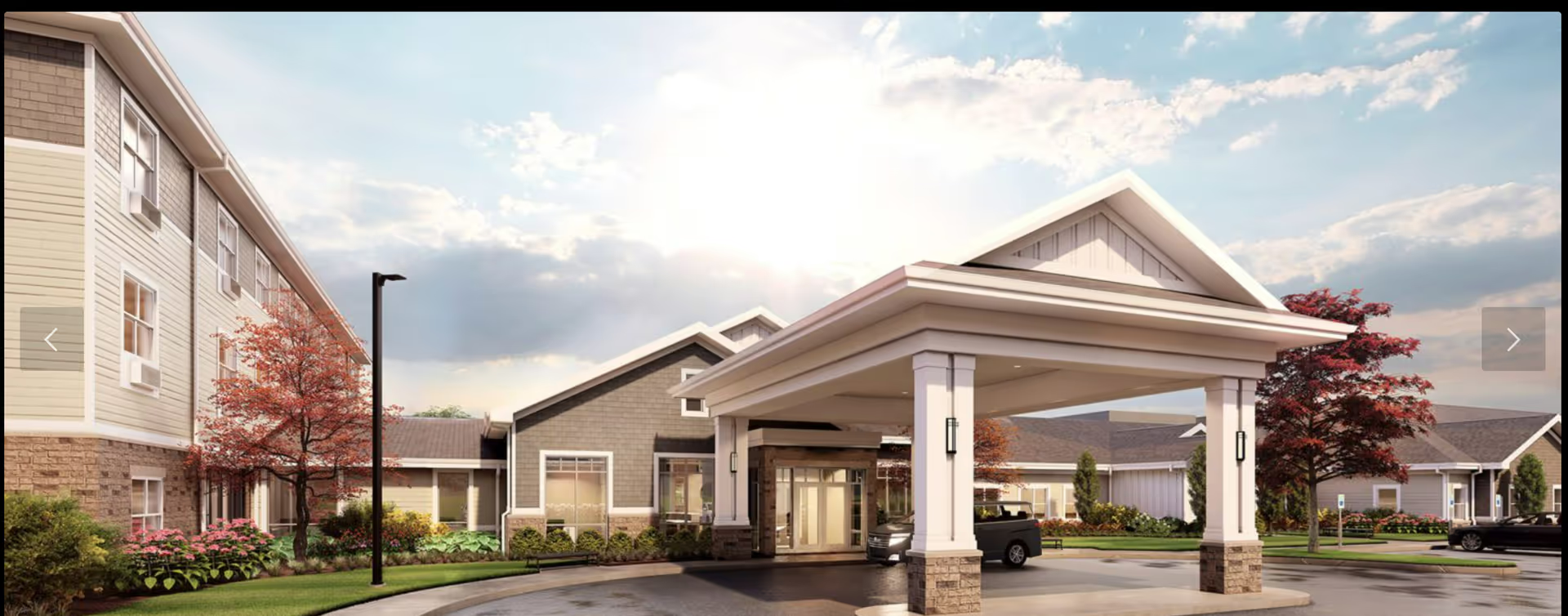
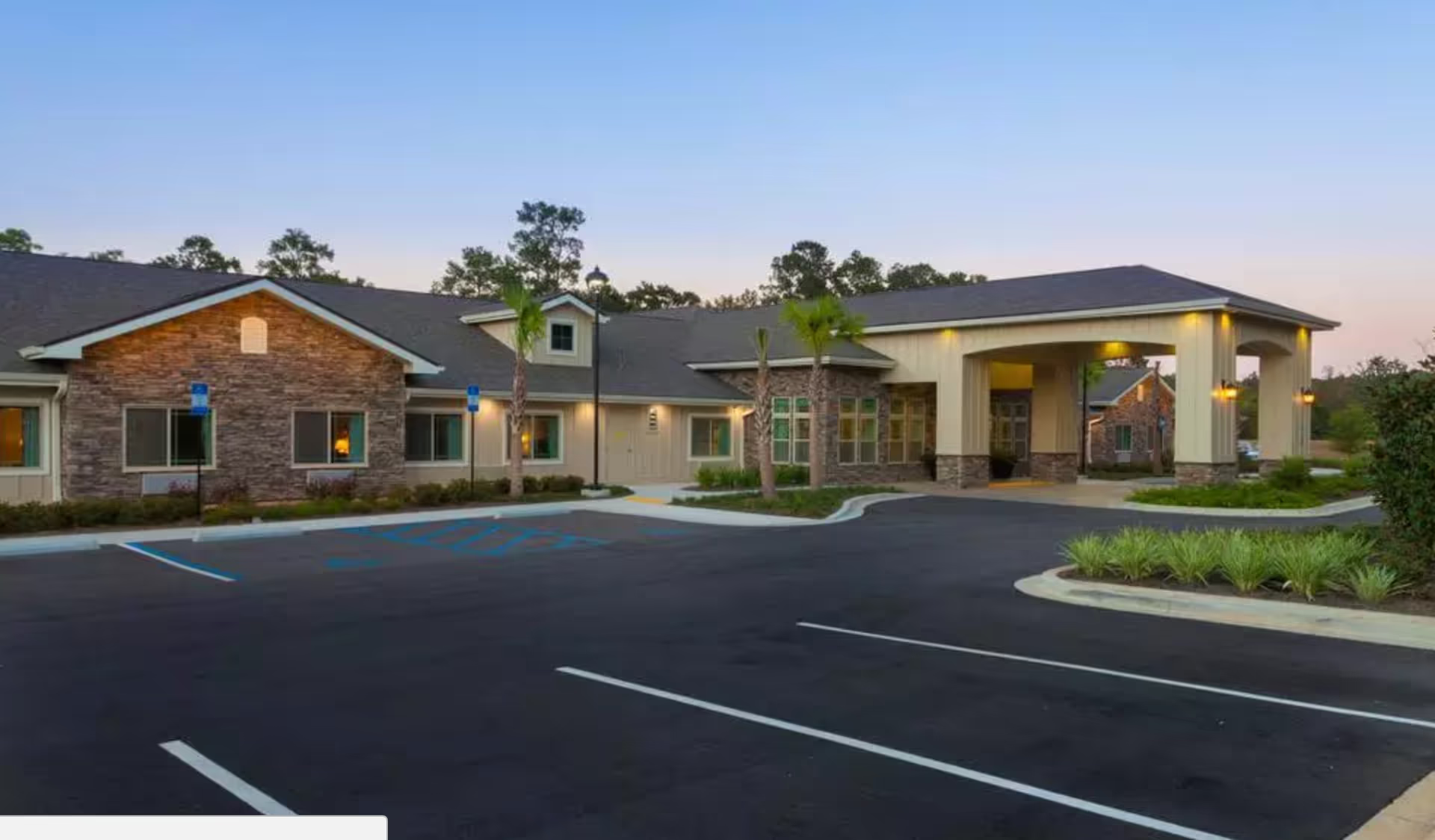
Grafton Oaks presents a mixed but distinct set of characteristics: many reviewers praise the facility for strong clinical rehabilitation, compassionate caregiving, and a home-like environment, while a separate cluster of accounts raises operational and communication concerns. The facility's therapy programs (PT/OT) and rehabilitation services receive consistently high marks — reviewers describe motivated therapists, measurable mobility and cognitive improvements, and successful discharge outcomes. Nursing staff are frequently characterized as caring, attentive, and willing to go above and beyond; social work and case-management services are also highlighted as effective supports for families.
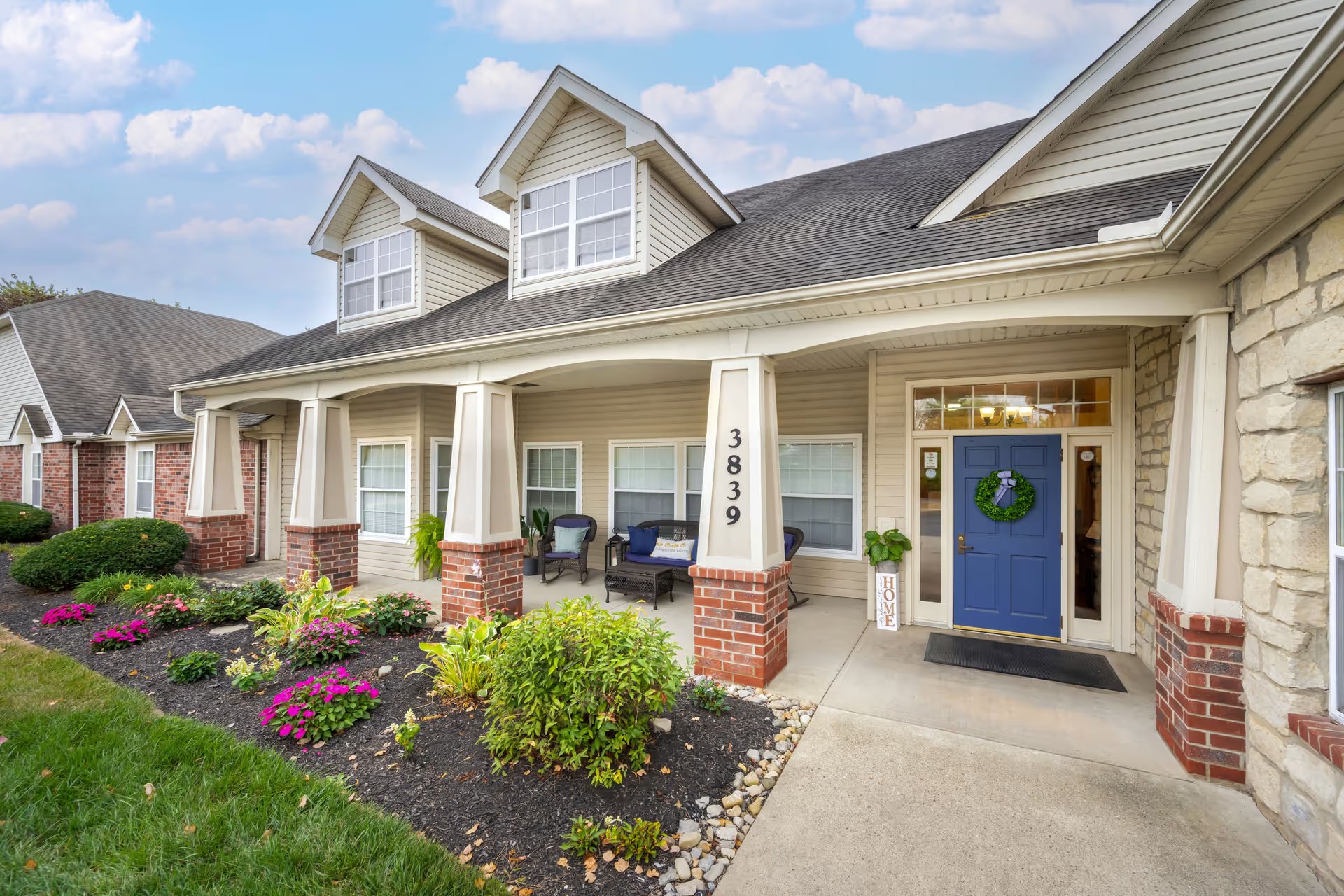
Dining and activities are commonly described as strengths. Several families note good food, cookouts, lively activities, and programming that promotes resident engagement and socialization. Common areas and lounge spaces are often described as cozy and welcoming, contributing to an overall home-like atmosphere that residents and visitors appreciate.
At the same time, there are recurring operational concerns that prospective families should consider. Multiple accounts point to inconsistent cleanliness and sanitation practices in some areas and variability in room upkeep — examples include worn furnishings, nonworking TVs, and missing equipment or linens. Laundry and personal-item management also emerge as operational weak spots. Staffing levels appear uneven at times; reviewers cite short staffing or variable coverage that can affect responsiveness and care routines.
Clinical-safety and administrative processes show mixed performance. Several reviewers describe medication-administration problems and mis-timed medication events, alongside concerns about delays in family notification after clinical incidents. There are also serious allegations around financial-security failures in personal accounts, characterized here as weaknesses in financial-security controls. Communication during organizational transitions (mergers or management changes) is another recurring theme: some families praise proactive and responsive leadership, while others describe opaque communication, perceived favoritism, or retaliatory responses to staff who raise concerns.
In summary, Grafton Oaks appears to deliver strong rehabilitative care and compassionate day-to-day caregiving in many cases, supported by engaged therapy staff, social services, and activities that enhance resident quality of life. However, variability in housekeeping, maintenance, staffing consistency, medication processes, and organizational transparency has been reported enough times to warrant careful inquiry during a tour. Families considering the facility should weigh the noted clinical strengths against the operational weaknesses, ask specific questions about staffing ratios, medication-safety protocols, laundry and maintenance procedures, and financial-security safeguards, and, where possible, speak with current families about recent management practices and communication during care incidents.