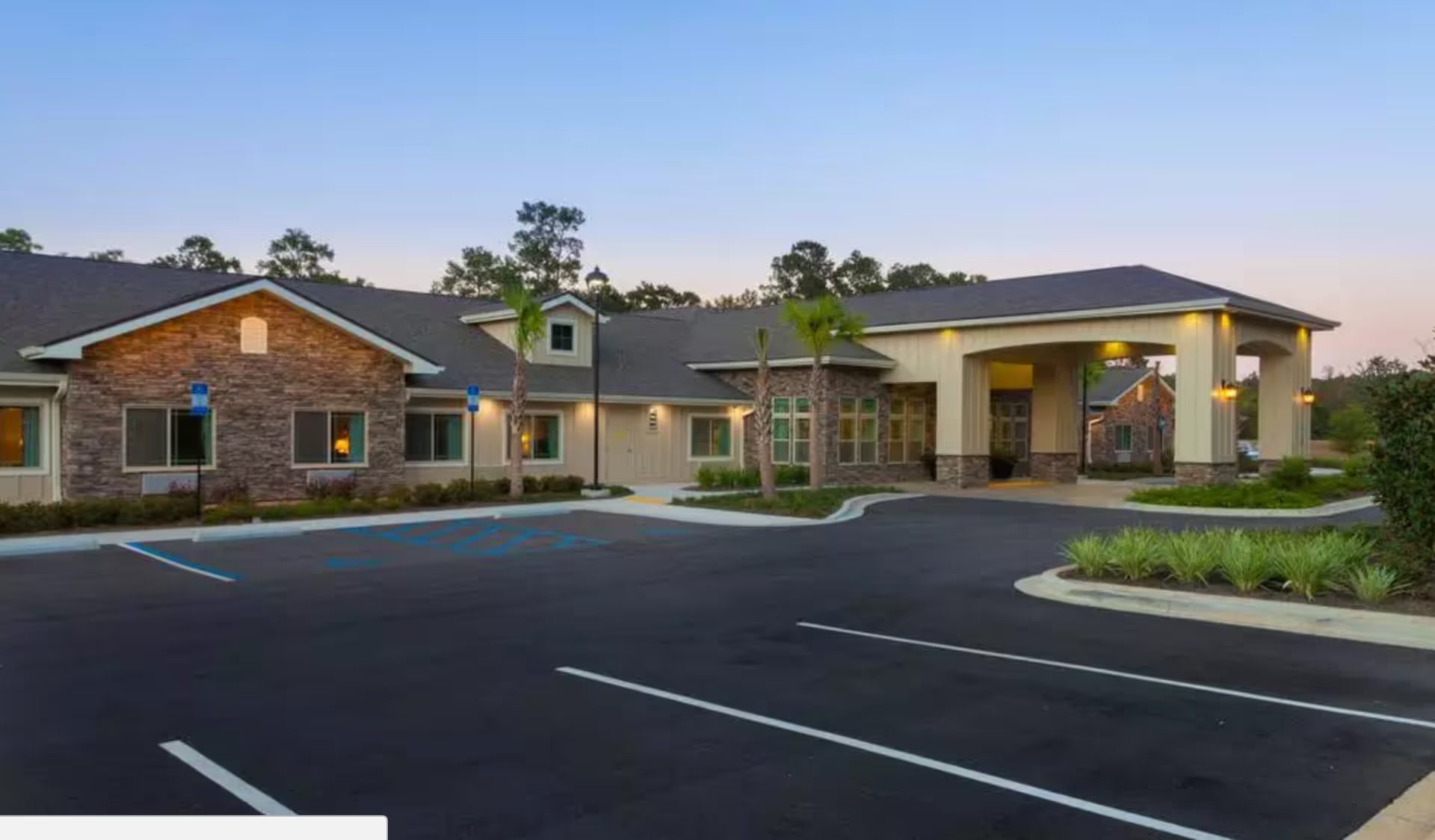
Dayspring presents a mixed profile: the facility is frequently described as clean, modern, and well maintained with pleasant common areas, a courtyard, and on-site specialty services. Its rehabilitation and therapy programs — physical and occupational therapy — are a consistent strength; reviewers cite knowledgeable therapists, capable rehab outcomes, and well-equipped therapy spaces. The activities program and dining/café amenities are also noted as positive contributors to resident quality of life.
Care-quality accounts vary considerably. Positive accounts emphasize compassionate, attentive caregivers and nursing staff who provide individualized medication adjustments and professional clinical care. However, a substantial number of comments point to systemic staffing pressures. Chronic understaffing and heavy workloads are frequently linked to long call-response times, delays in medication or pain relief, inconsistent assistance with toileting and bathing, and variability in daily personal-care practices. These operational limitations are also associated with concerns about falls, transfer safety, and wound/incontinence-related monitoring.
Dining and activities are generally well regarded: many families praise the dining room, on-site café, and the variety of social and recreational programs. Meal quality and the presence of specialty outpatient services are strengths, though reviewers also describe intermittent order errors and dietary-adherence gaps for residents with specific nutritional needs. The facility’s environment — newer building, pleasant landscaping, and accessible common areas — is consistently cited as a positive factor.
Management and communication emerge as recurring concerns. Families describe uneven communication around clinical changes, discharge planning, and test or medication updates. There are multiple mentions of administrative issues such as billing disputes, belongings management, and coordination problems during transitions of care. Infection-control measures and visitation policies (particularly during pandemic-related restrictions) prompted frustration for some families who perceived limited flexibility or insufficient family access. A few reviewers raised serious concerns following adverse outcomes; these are presented here as concerns about end-of-life coordination and clinical oversight rather than as isolated characterization.
Overall pattern: Dayspring performs well as a rehabilitation-focused facility with strong therapy services, a clean environment, and engaging activities. Prospective residents and families seeking short‑term rehab or therapy may find the therapy department’s capabilities particularly valuable. At the same time, persistent operational issues — especially staffing levels, responsiveness to call lights, consistency of personal-care, and administrative communication — are important considerations. Families considering Dayspring should ask targeted questions about staffing ratios, call-response expectations, belongings handling, medication protocols, and bedside-care schedules; when possible, arrange in-person visits and clear documentation of discharge and billing plans to mitigate known operational risks.