The reviews present a polarized picture of this facility: many families and former staff describe a warm, clinically capable environment — particularly for pulmonary, respiratory, and rehabilitation needs — while others raise operational and safety concerns. Strengths most frequently cited include a strong pulmonary program with on-site respiratory therapists, robust PT/rehabilitation offerings (including individualized, frequent sessions), and active nutrition support that extends to complex needs such as G-tube management. A dedicated social worker and discharge coordination services are noted as helpful for transitions and family communication when processes function as intended.
Daily care quality appears uneven. Numerous accounts praise compassionate, attentive aides, nurses, therapists, and ancillary staff who create a family-like atmosphere and provide reassuring interactions in dementia and end-of-life situations. At the same time, there are repeated concerns about limited physician presence, delays in follow-up care and laboratory work, and incidents in which medication or basic care tasks were delayed. These issues suggest variability in clinical oversight and continuity of care: when core clinical coordination is present, families report positive outcomes; when it is not, families describe significant distress and escalations requiring hospital transfer.
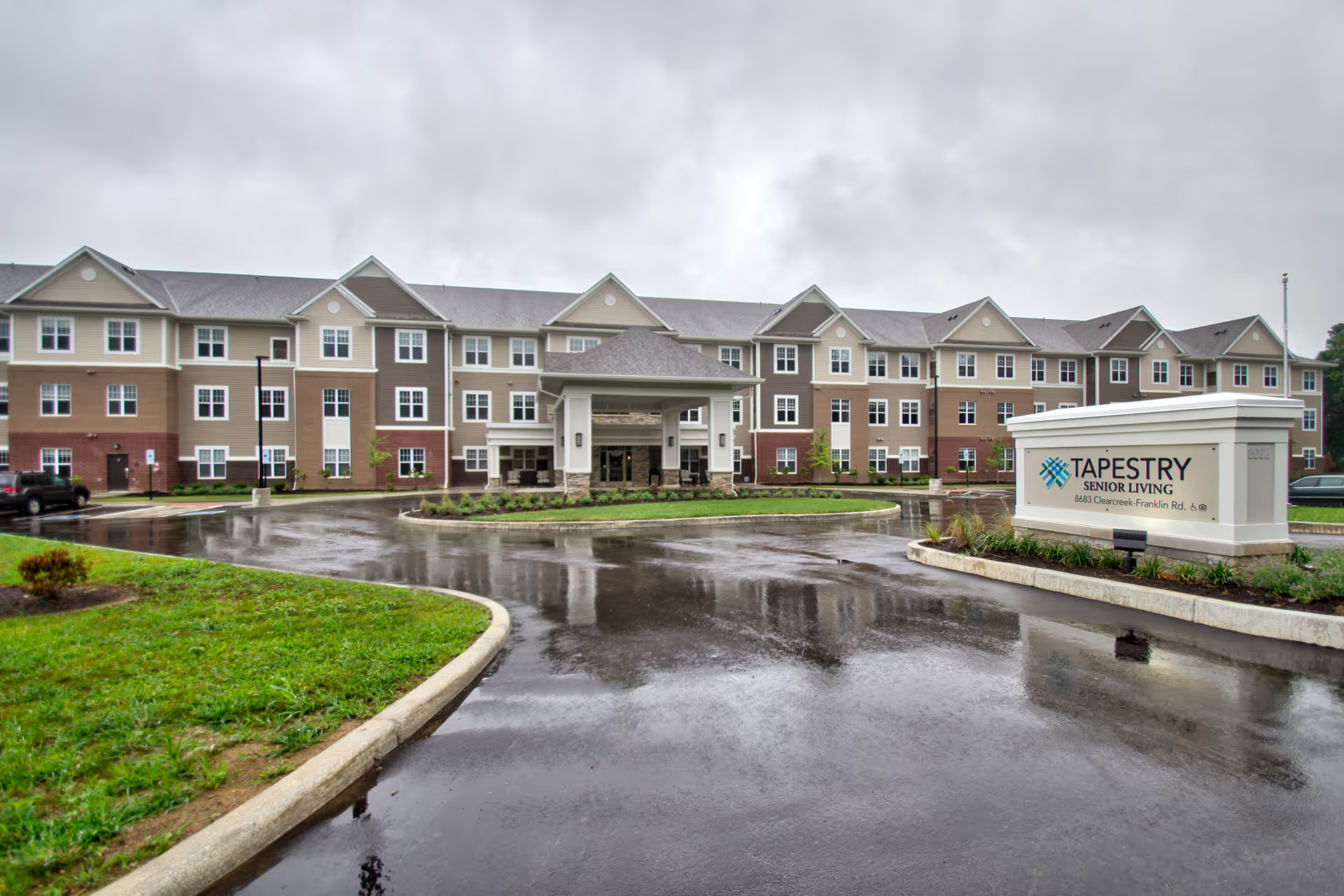
Dining, activities, and the physical plant receive generally positive remarks. Several reviewers highlight good food, holiday meals, and an engaging dining program, along with a clean and well-maintained facility and well-equipped rooms. The facility also maintains a locked Alzheimer/Dementia unit with staff experienced in that population. However, these strengths coexist with reports of sanitation inconsistencies, occasional housekeeping lapses, and service interruptions tied to staffing patterns.
Management, communication, and administrative practices are a prominent source of variability. Positive comments note supportive leadership and effective administrators, but a substantial number of accounts describe poor phone responsiveness, difficulty reaching corporate, erratic leadership changes, and concerns about billing transparency. There are also assertions raising the level of concern beyond routine operational problems, including allegations of serious misconduct and possible financial irregularities; these claims warrant independent verification through regulatory records.
In summary, the facility demonstrates notable clinical capabilities — especially in respiratory care, rehabilitation, and dementia services — and many families report compassionate staff and satisfactory daily living experiences. Concurrently, there are recurring operational weaknesses: inconsistent staffing (notably nights), gaps in physician and clinical follow-up, variable incident reporting and family communication, and managerial responsiveness concerns. Prospective residents and families should verify current leadership and staffing patterns, review recent state inspection reports, confirm physician and therapy coverage for specific clinical needs, and obtain written care and medication plans before admission.