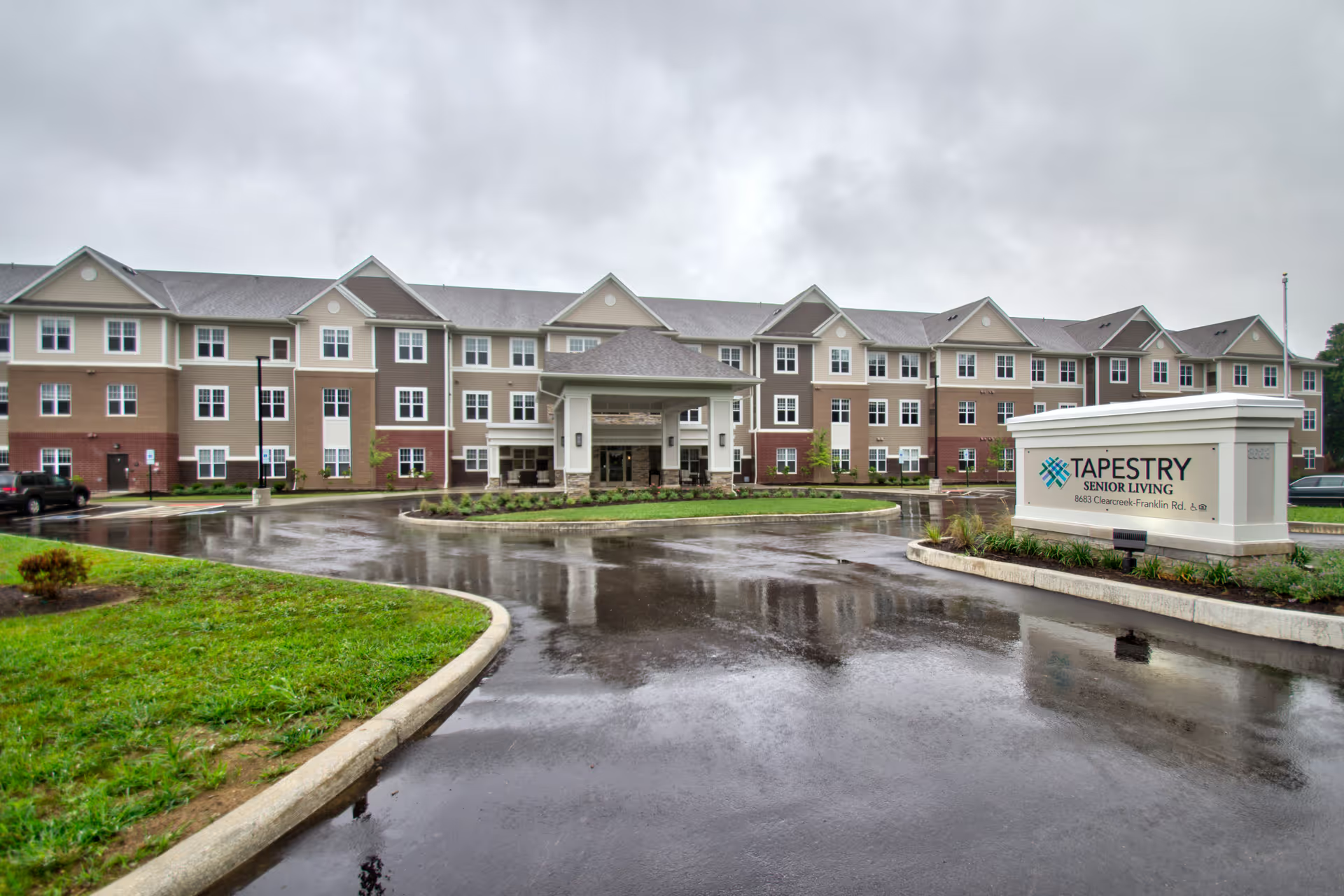
Traditions of Lebanon is described by families and visitors as a modern, well‑appointed senior community with many strengths in staff engagement, programming, and facility amenities. Reviewers consistently highlight compassionate, family‑style interactions: staff often know residents and family members by name, provide attentive medication oversight, and offer individualized support during transitions. The community hosts a range of living options from independent villas to assisted‑living apartments and a structured Varietas memory‑care program; many families praised the memory‑care staff and the sense of safety and belonging these programs can provide.
Activities and social life are prominent assets. The activities team receives frequent positive mention for creative crafts, outings, Bible study, bingo and other regularly scheduled programming that supports social engagement and mood improvement. Residents described becoming more socially active and forming friendships. The physical plant — described as clean, modern, and bright — includes many desirable amenities (courtyard seating, salon, gym, cinema room, dog park, transportation services, garages and porches in some units) and apartment features such as walk‑in closets, kitchenettes or full kitchens in independent units, and ample storage.
Dining and clinical care present a mixed picture. Some reviewers praised restaurant‑quality meals and an attentive dining staff, while others noted fluctuations in food quality and menu variety, partly attributed to culinary staff turnover. Dining‑area sanitation and table‑clearance practices were mentioned as areas needing attention. Clinical staff are generally characterized as caring and competent, with examples of compassionate end‑of‑life support and attentive medication management; however, reviewers also described intermittent care gaps, particularly when staffing is light, that can affect assistance with activities of daily living such as dressing and bed maintenance.
Operational and management themes include a responsive admissions and administrative team that helps with paperwork and transitions, and examples where leadership addressed family concerns directly. At the same time, reviewers noted operational weaknesses that recur: inconsistent housekeeping and laundry processes, periodic phone‑system and communication issues, and occasional room‑ or floor‑level sanitation lapses. Cost is another consistent consideration; the community is seen as upscale and correspondingly costly, with some families questioning long‑term value despite availability of Medicaid beds or partial coverage through long‑term care policies.
In sum, Traditions of Lebanon offers a well‑maintained campus with strong person‑centered staff interactions, robust activities, and a respected memory‑care program. Prospective residents and families should weigh those strengths against operational variability in dining, housekeeping, and staffing levels, and should discuss current culinary leadership, laundry/housekeeping protocols, and staffing ratios during tours to assess fit and value relative to cost.