Overall impression: The facility is consistently described as a small, family-oriented residential setting with a strong emphasis on personalized, memory-focused care. Its small census (commonly cited as 6–12 residents) and long-tenured staff contribute to continuity of care and a home-like atmosphere. Many families highlight attentive caregivers, one-on-one supervision, and engaged leadership as drivers of a reassuring environment for residents with dementia or Alzheimer’s disease.
Care and staff: Care quality is most often characterized by compassionate, responsive staff and experienced leadership. The presence of long-tenured caregivers, a daytime RN, and 24/7 direct-care aides is presented as supporting individualized attention and care coordination. Reviewers note low usage of temporary agency staff, which appears to aid continuity. That said, there are recurring mentions of delayed responses to resident needs; this suggests variability in timeliness of direct-care assistance that prospective families should clarify during a visit.
Dining and activities: Dining is a clear strength: reviewers describe cook-from-scratch meals, appealing menus, and healthy, flavorful food. Pricing is described as comfortable relative to perceived value. Social programming and activities are present and appreciated, with examples of engaged activity staff and meaningful offerings. However, several comments indicate that activity availability can depend on staff availability and scheduling, meaning the breadth and consistency of programming may be constrained by the facility’s small scale.
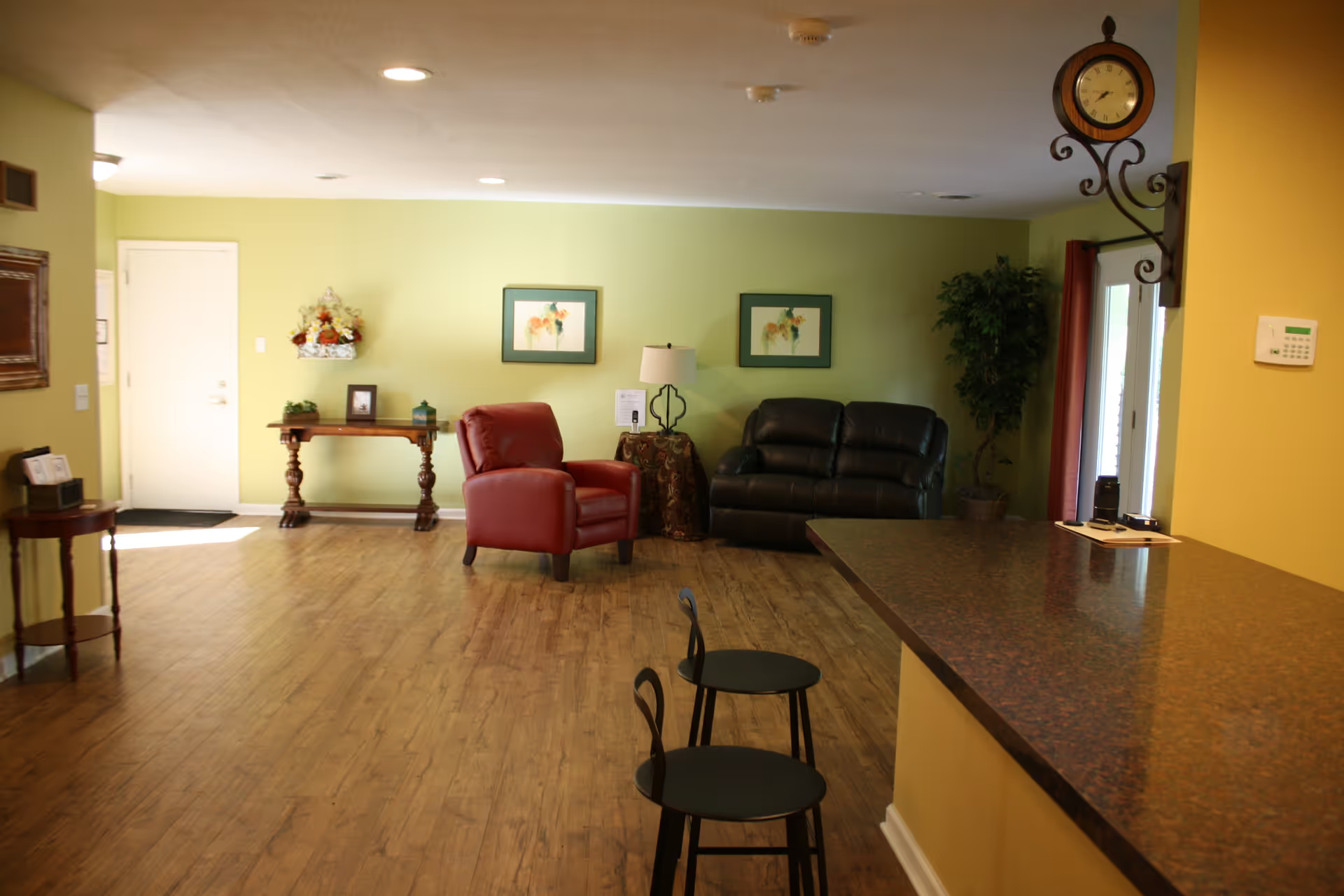
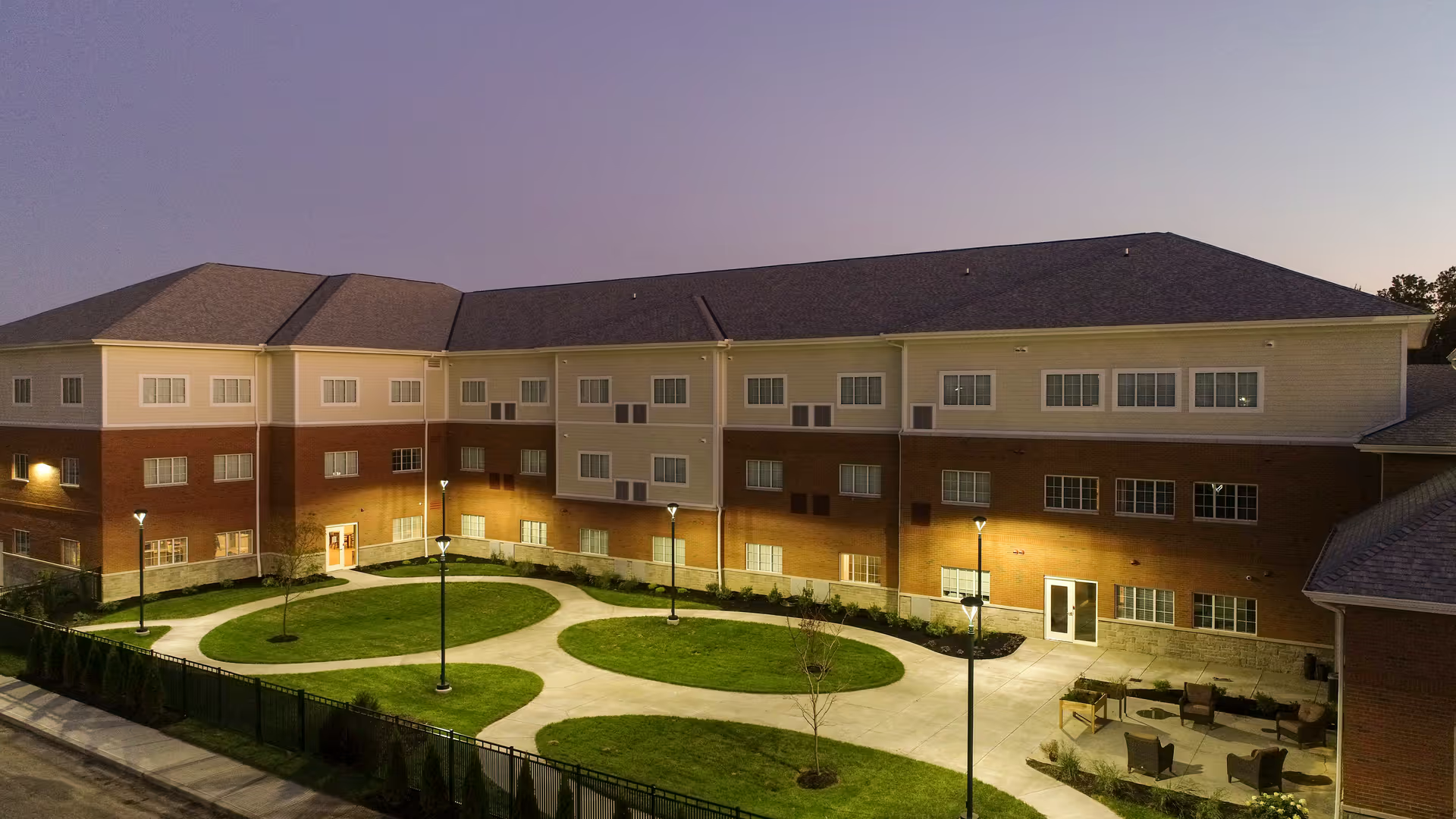
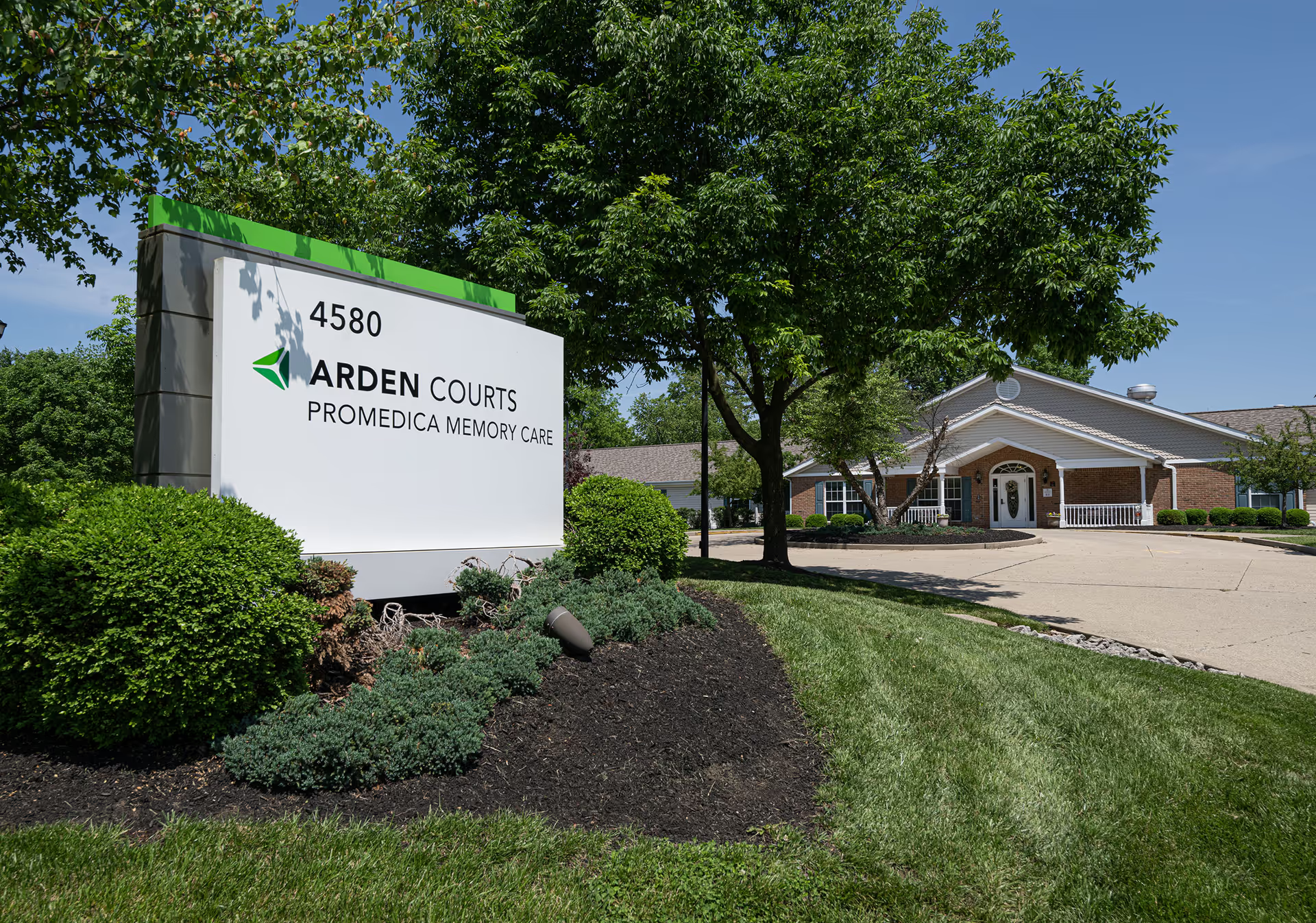
Facilities and amenities: The physical environment is described as ranch-style with a central shared living area, private bedrooms with en-suite baths, and outdoor amenities such as a large patio, grassy area, and covered porch. The building is frequently described as clean and recently updated, contributing to a welcoming atmosphere. A minority of impressions referenced a more institutional or “hospital-like” feel for certain residents, suggesting that perceived ambiance may vary by individual preference and needs.
Management and regulatory notes: Many families report hands-on, present ownership and a knowledgeable director who participate in care coordination, which supports family communication and operational oversight. Conversely, a few families expressed concerns about management’s interpersonal approach; these accounts point to variability in family experiences with leadership. Additionally, at least one reviewer raised questions about the facility’s state licensure status. Prospective residents and families should confirm current licensing and regulatory compliance directly with the facility and the appropriate state agency.
Suitability and caveats: The facility’s small size and memory-care focus make it well-suited for residents who benefit from personalized attention and a homelike setting. Those requiring higher-acuity medical services or broader clinical offerings may find the setting less appropriate. Visitors should verify response-time expectations, licensure, and the facility’s capacity to meet specific clinical needs during an in-person tour and through direct questions to management. Overall, the dominant pattern across summaries is positive regarding staff quality, personalized care, dining, and cleanliness, balanced by operational caveats about timeliness, programming limits, and regulatory clarity.