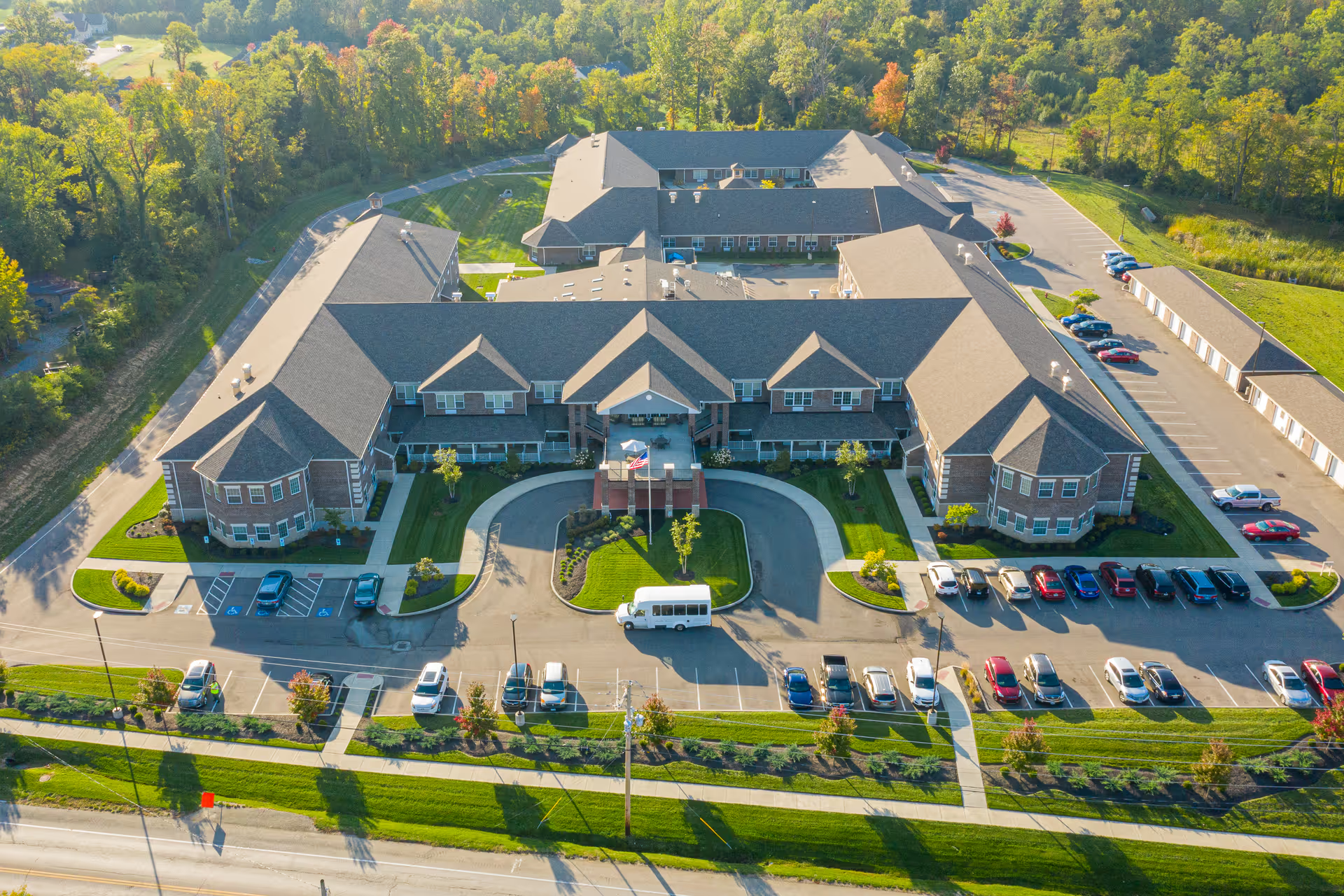
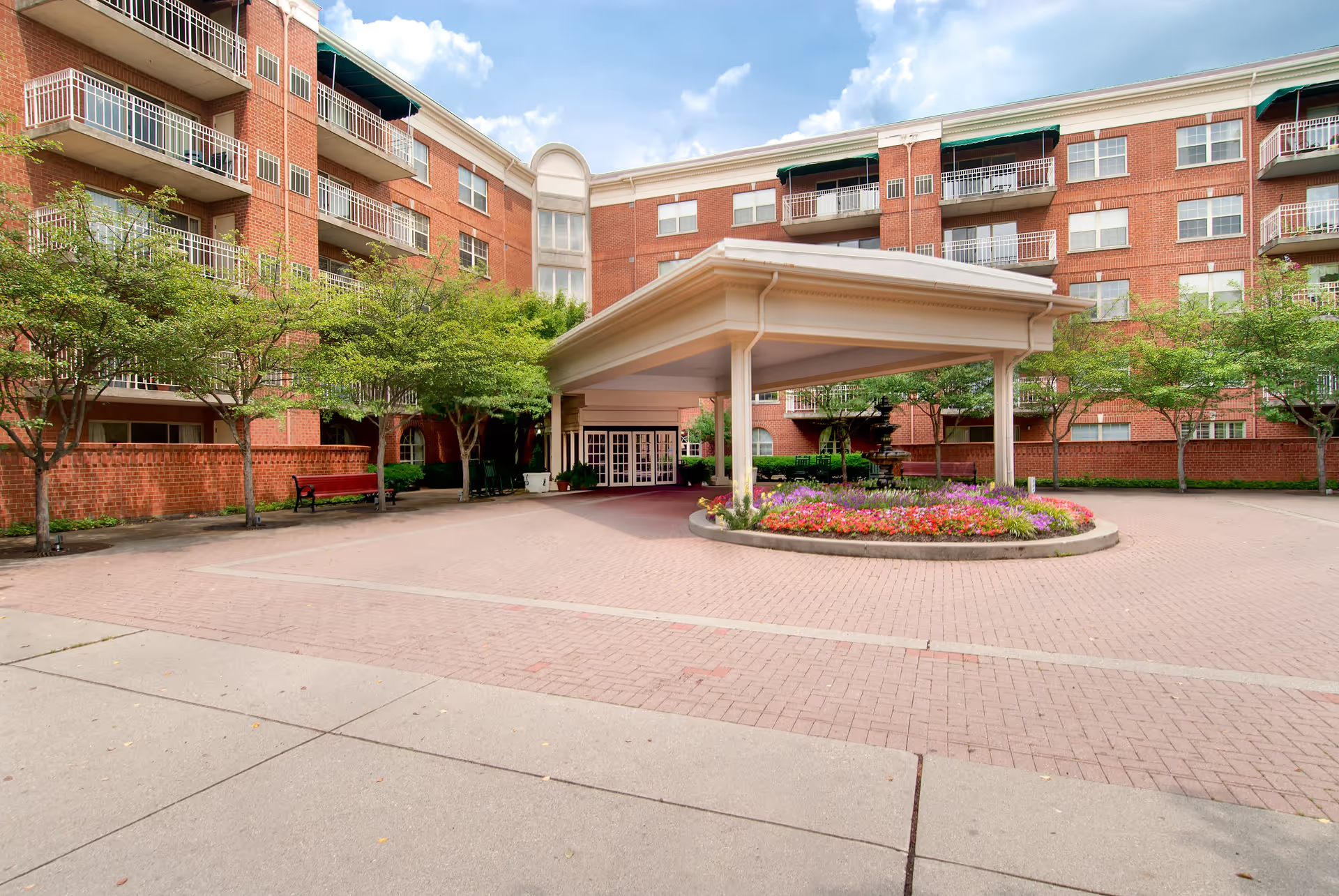
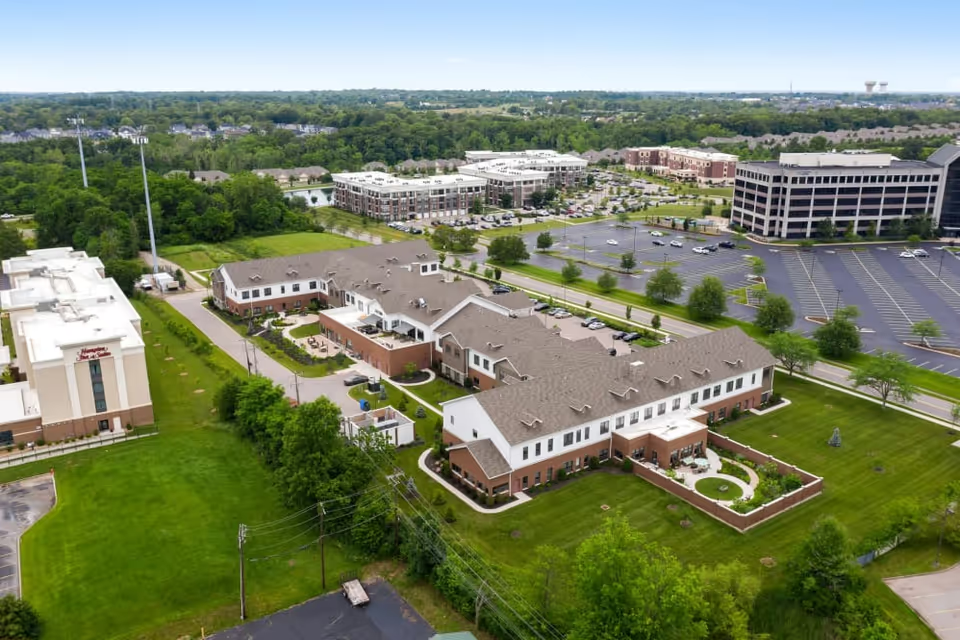
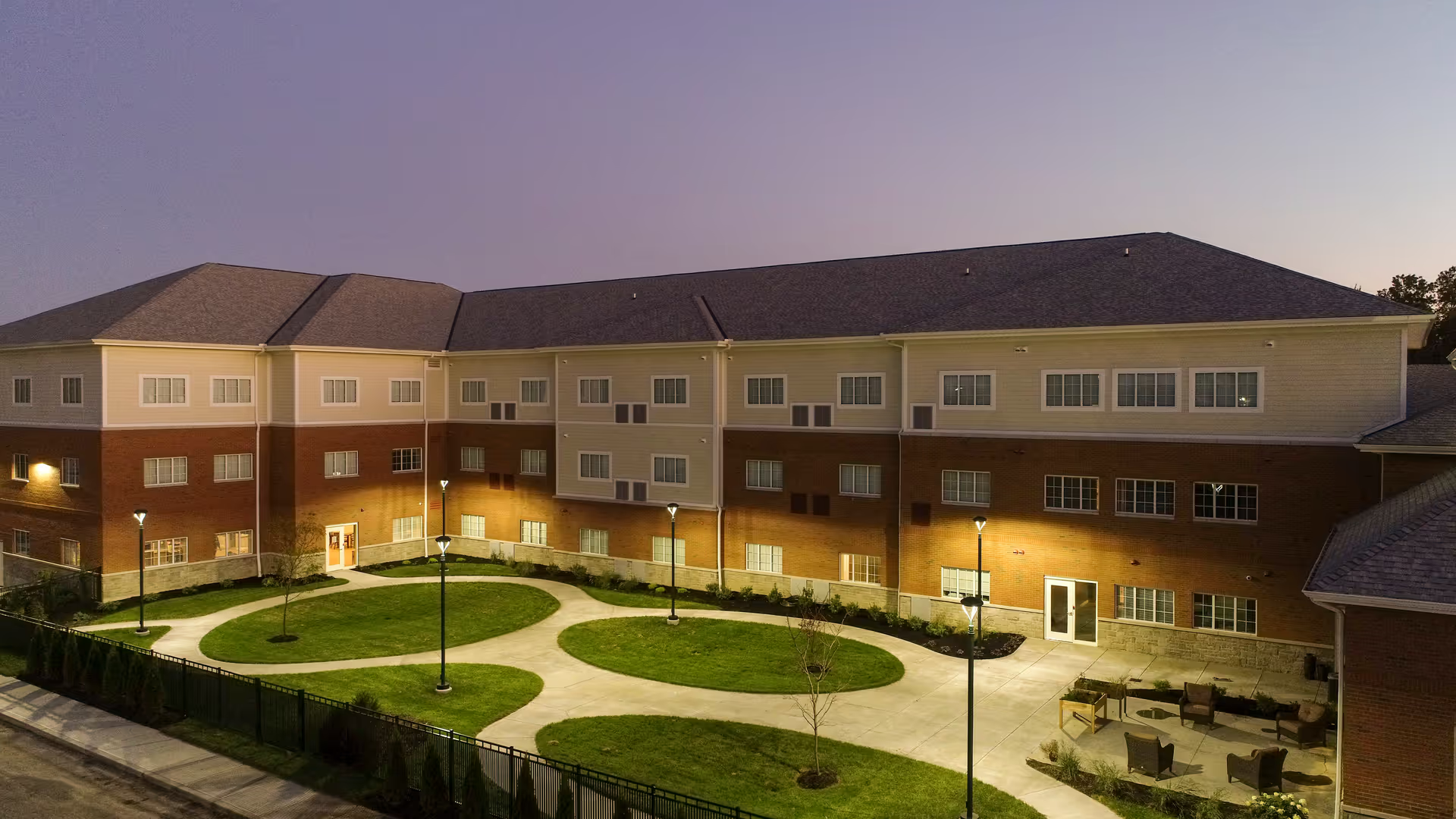
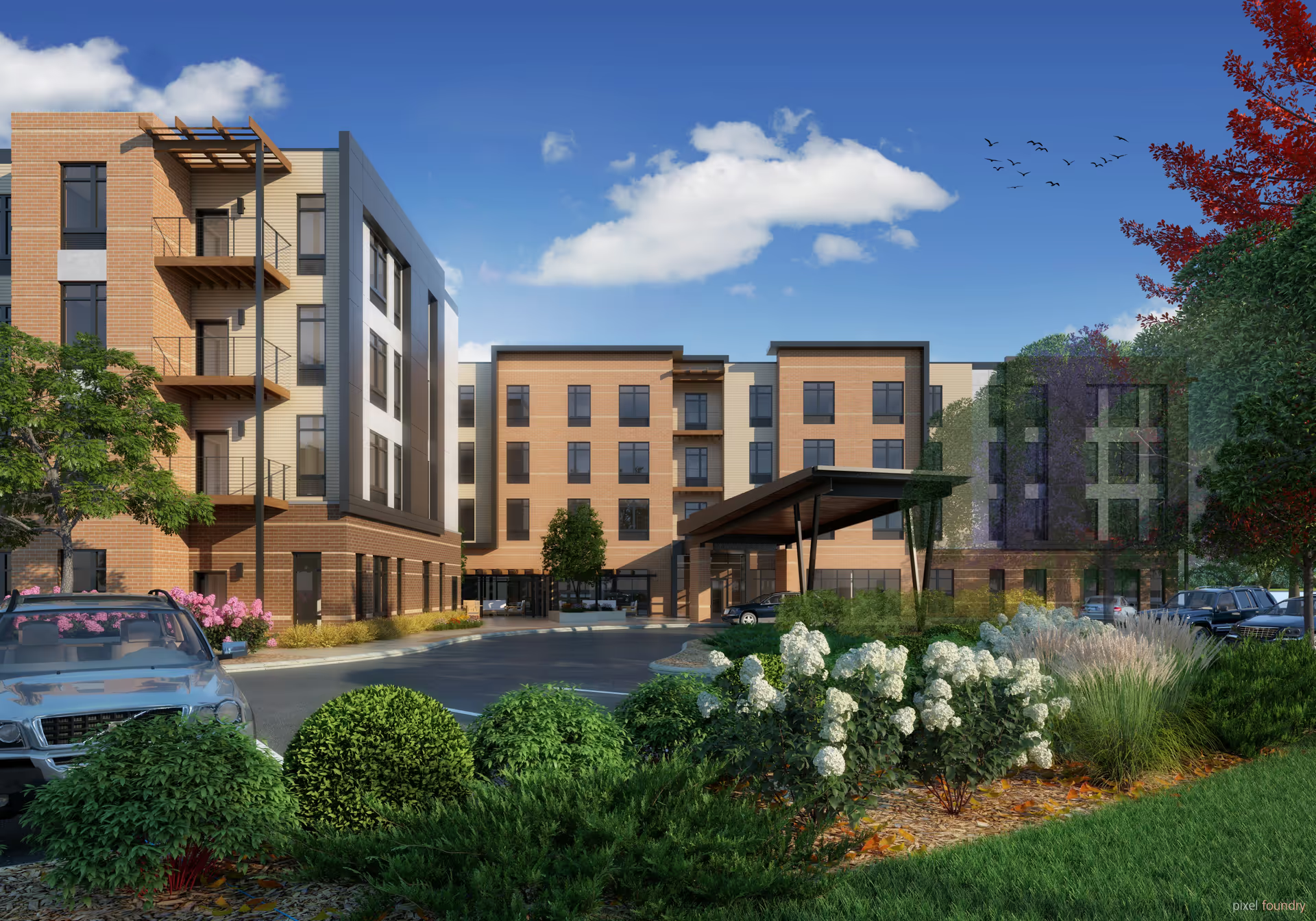
Overall impression: Otterbein Loveland SeniorLife Neighborhood presents as a modern, well-appointed senior living and rehabilitation environment with many strengths in person-centered care and facility design. Reviewers consistently highlighted the facility's new architecture, spacious and accessible rooms, attractive common areas, and a home-like feel that encourages social interaction. Many families praised direct-care staff, therapists, and specific employees for compassionate attention, personalized interactions, and visible acts of kindness that contributed to residents’ sense of dignity and connection.
Care quality and staff: The facility receives substantial positive comment for the warmth and dedication of its nursing assistants, therapists, and certain nursing staff. Several accounts emphasize attentive one-on-one engagement, companion programming, and staff who go beyond routine tasks to support residents emotionally and socially. At the same time, there are recurring concerns about inconsistent responsiveness to resident requests and call bells, variable supervision, and instances where clinical needs (for example, medication administration or timely assistance with mobility) were not met promptly. These reports suggest variability in frontline staffing reliability or in staff deployment during certain shifts.
Dining and nutrition: Dining experiences are mixed. Some families described wonderful, flexible meal preparation and pleasant dining spaces that feel close to doors and family-style. Others reported insufficient meal portions, dietary restrictions not consistently followed, and lower-quality service at times (missing supplies, limited menu options). The pattern indicates that while the kitchen can provide high-quality, individualized meals, consistency and adherence to specific dietary plans may be uneven.
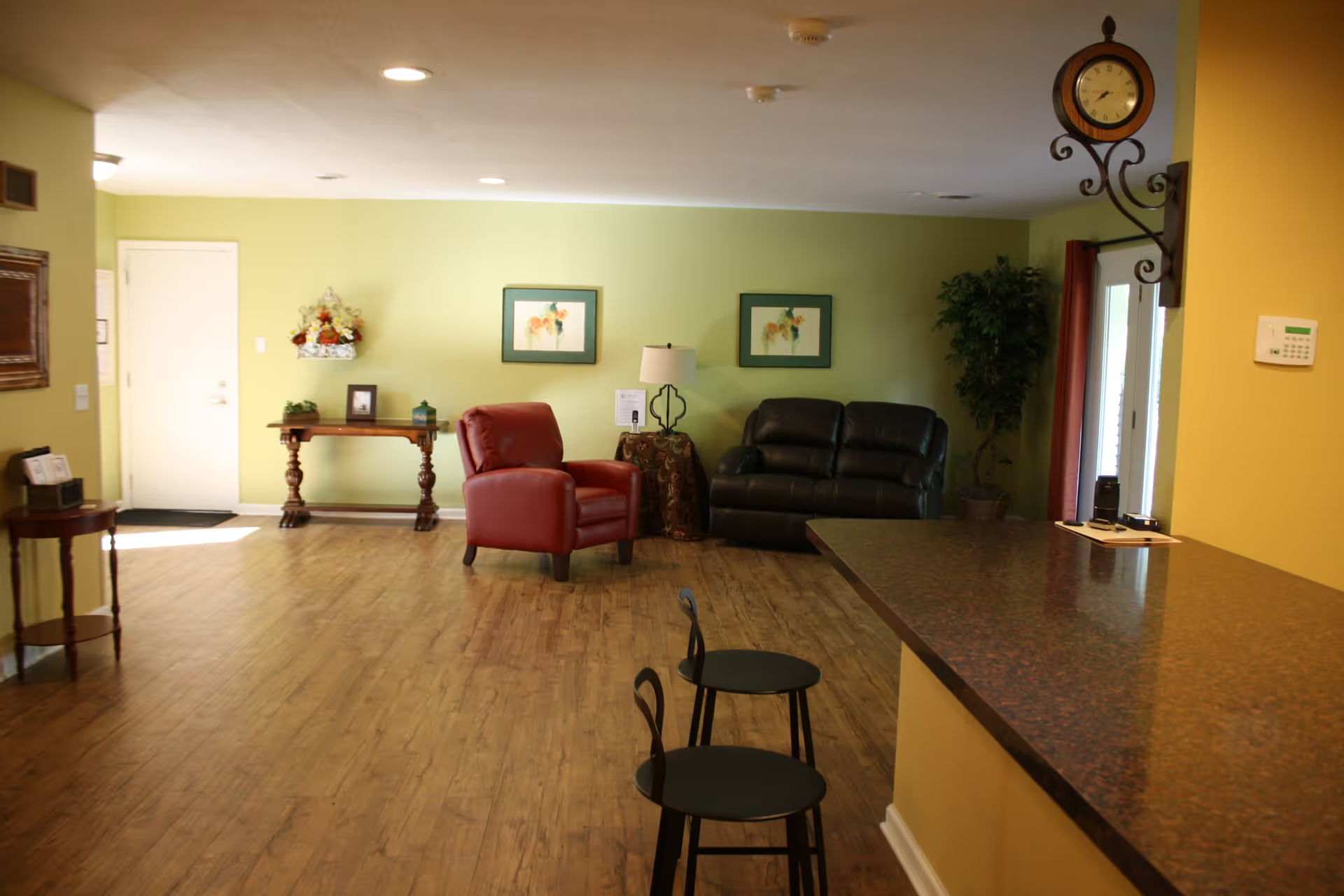
Activities and social environment: The facility’s design and programming generally support social engagement and recovery. Well-designed common areas, kitchens, and social programming were noted as facilitators of friendships and interaction. Reviewers praised staff who encouraged residents to participate and helped them feel included, contributing to an overall family-like atmosphere.
Facilities and maintenance: Physical plant strengths include modern construction, large rooms with windows and accessible bathrooms, and a generally clean, secure environment. Maintenance staff received positive remarks for responsiveness and helpfulness. However, there are isolated sanitation and mold concerns in certain units and reports of equipment or in-room system failures (nonworking call buttons, missing room phones, broken seating) that point to gaps in environmental monitoring and preventative maintenance.
Management and communication: Feedback about leadership is mixed. Several reviewers commended administrators for responsiveness, advocacy, and problem resolution. Others described communication breakdowns, lost physician orders, or management action that did not fully resolve clinical or operational issues. Combined with reports of a point system for staffing attendance and variable shift coverage, these comments indicate that administrative policies and frontline implementation are not always aligned.
Notable patterns and guidance for families: The dominant positive theme is strong, compassionate direct-care staff and a facility environment designed for social engagement and rehabilitation. Dominant concerns are operational: inconsistent staff responsiveness, medication and pharmacy delivery delays, uneven dining/dietary management, episodic sanitation or mold issues, and intermittent failures in in-room systems. Prospective residents and families may want to ask the community specific questions about medication administration workflows and pharmacy partnerships, staffing ratios and response-time metrics for call bells, dietary accommodation processes, sanitation and mold remediation protocols, discharge planning and therapy continuity, and the reliability of in-room call systems and phones. These targeted inquiries can help determine whether the facility’s strong interpersonal culture is matched by consistent operational execution for the resident’s particular needs.