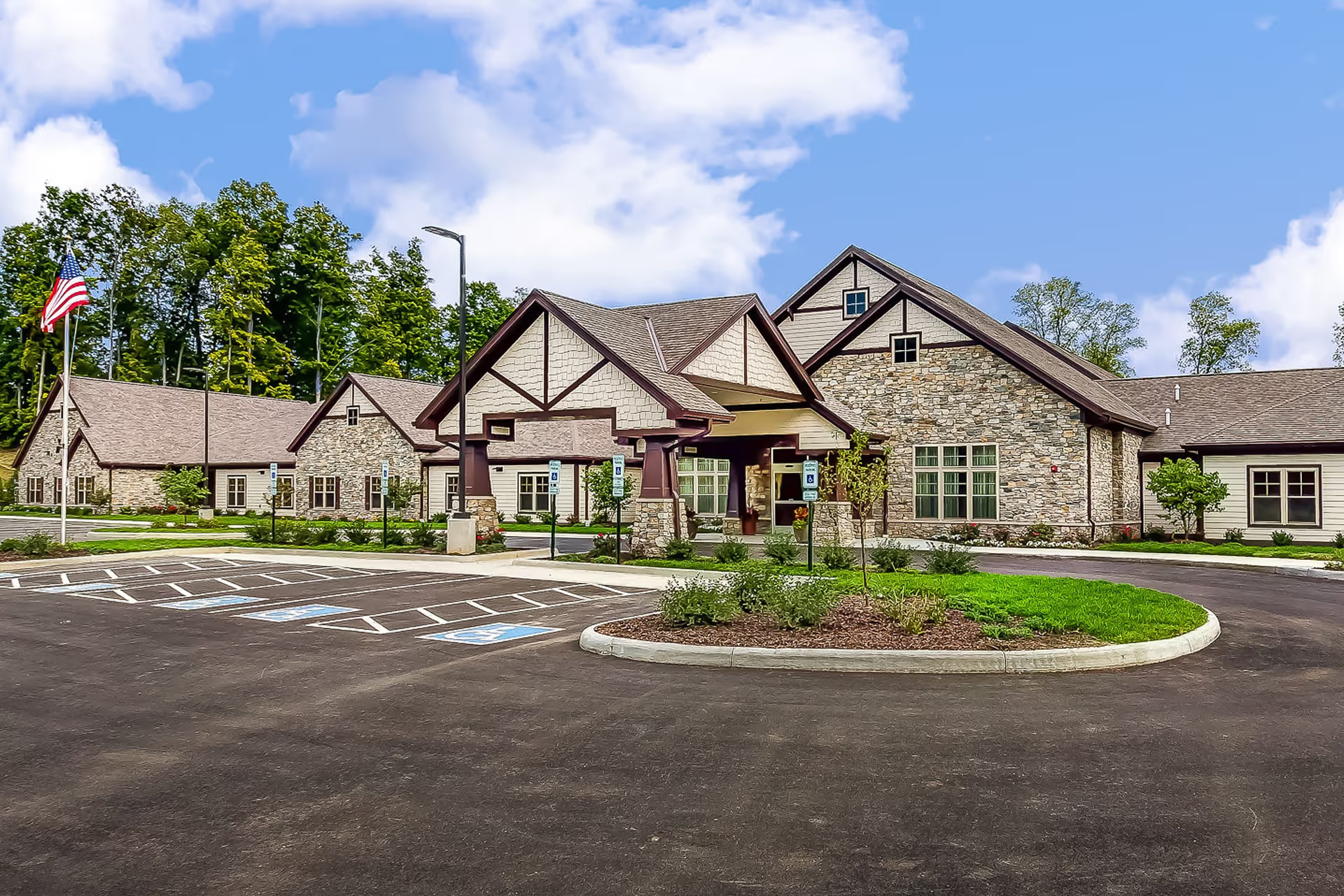
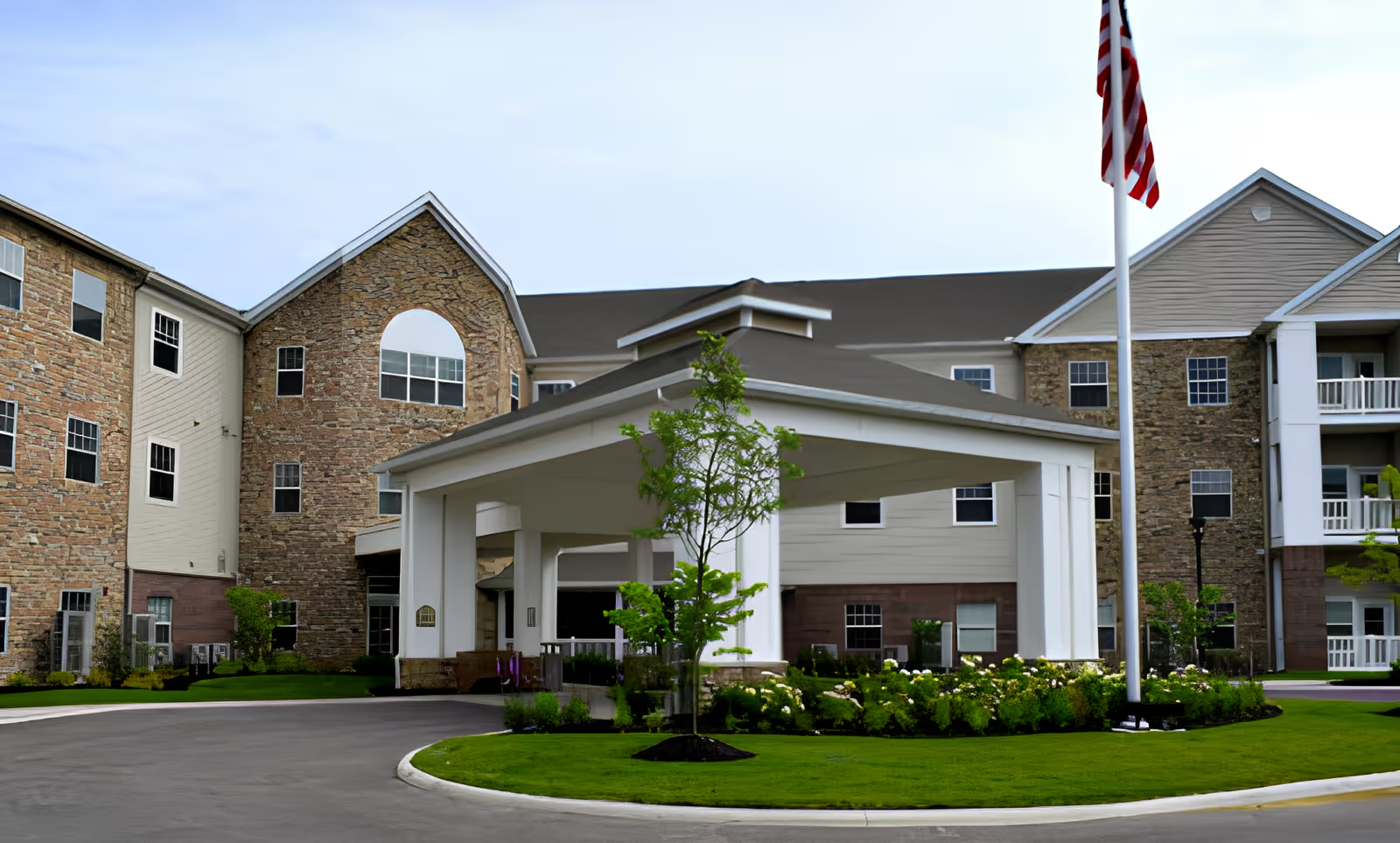
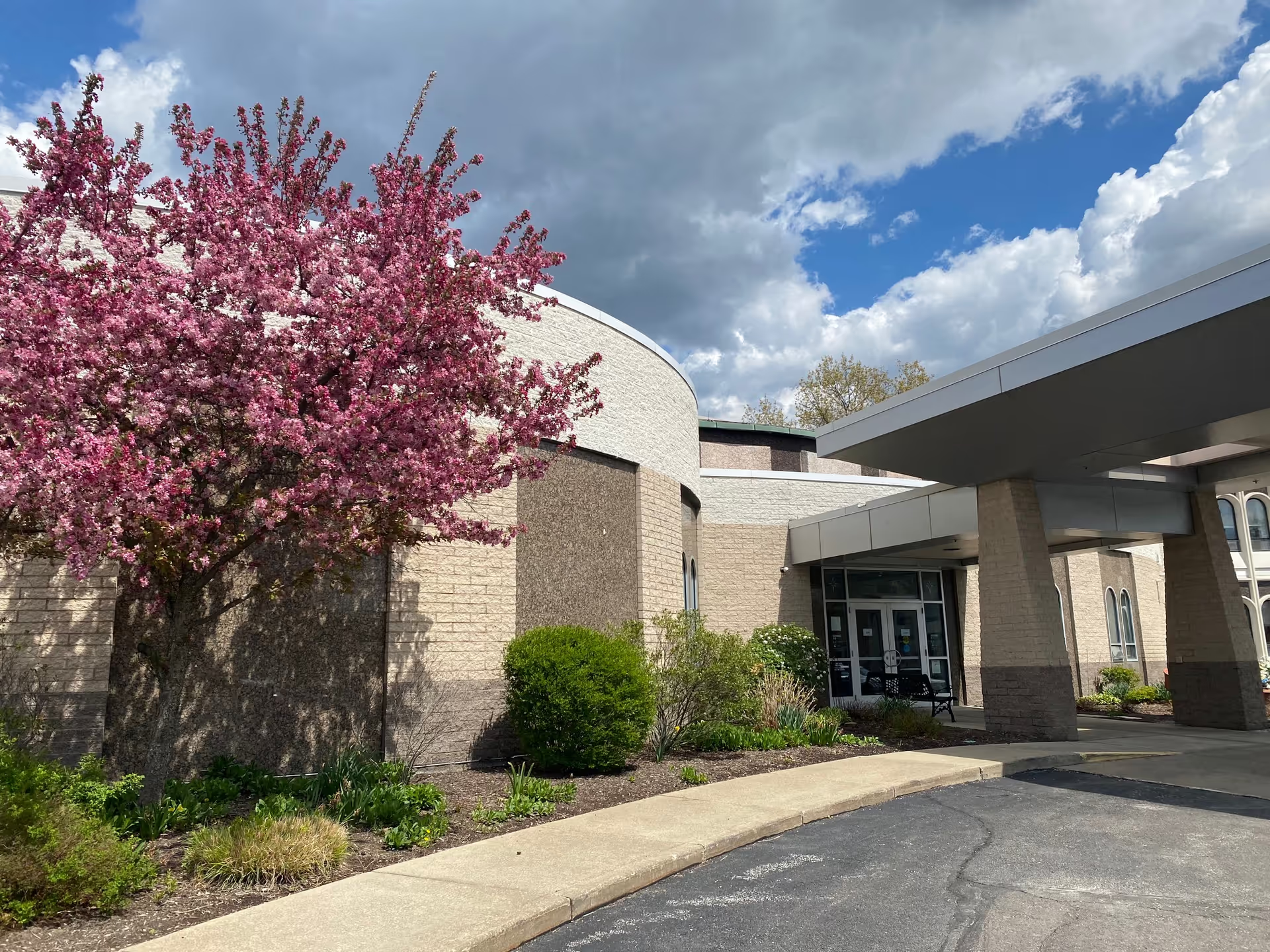
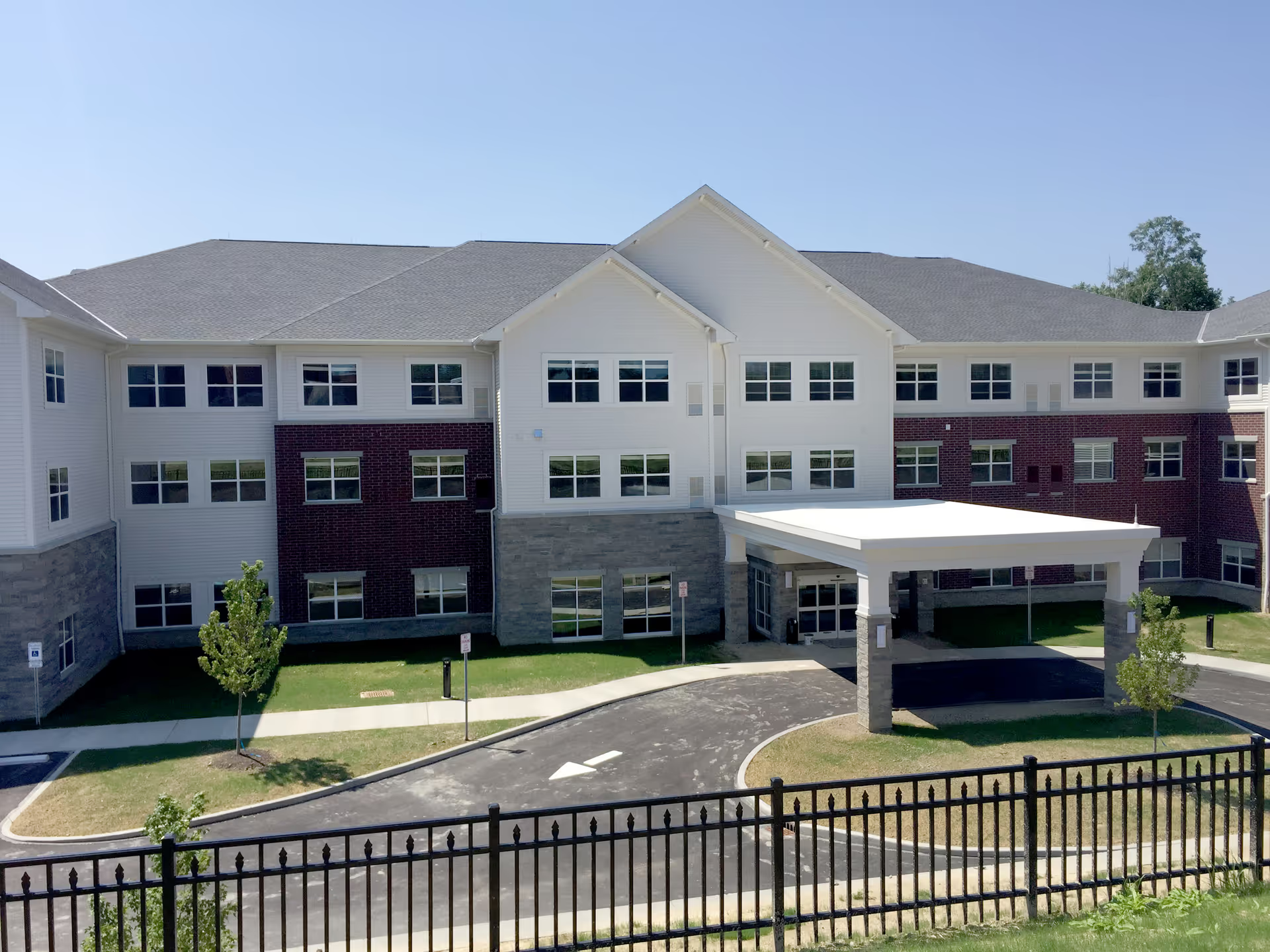
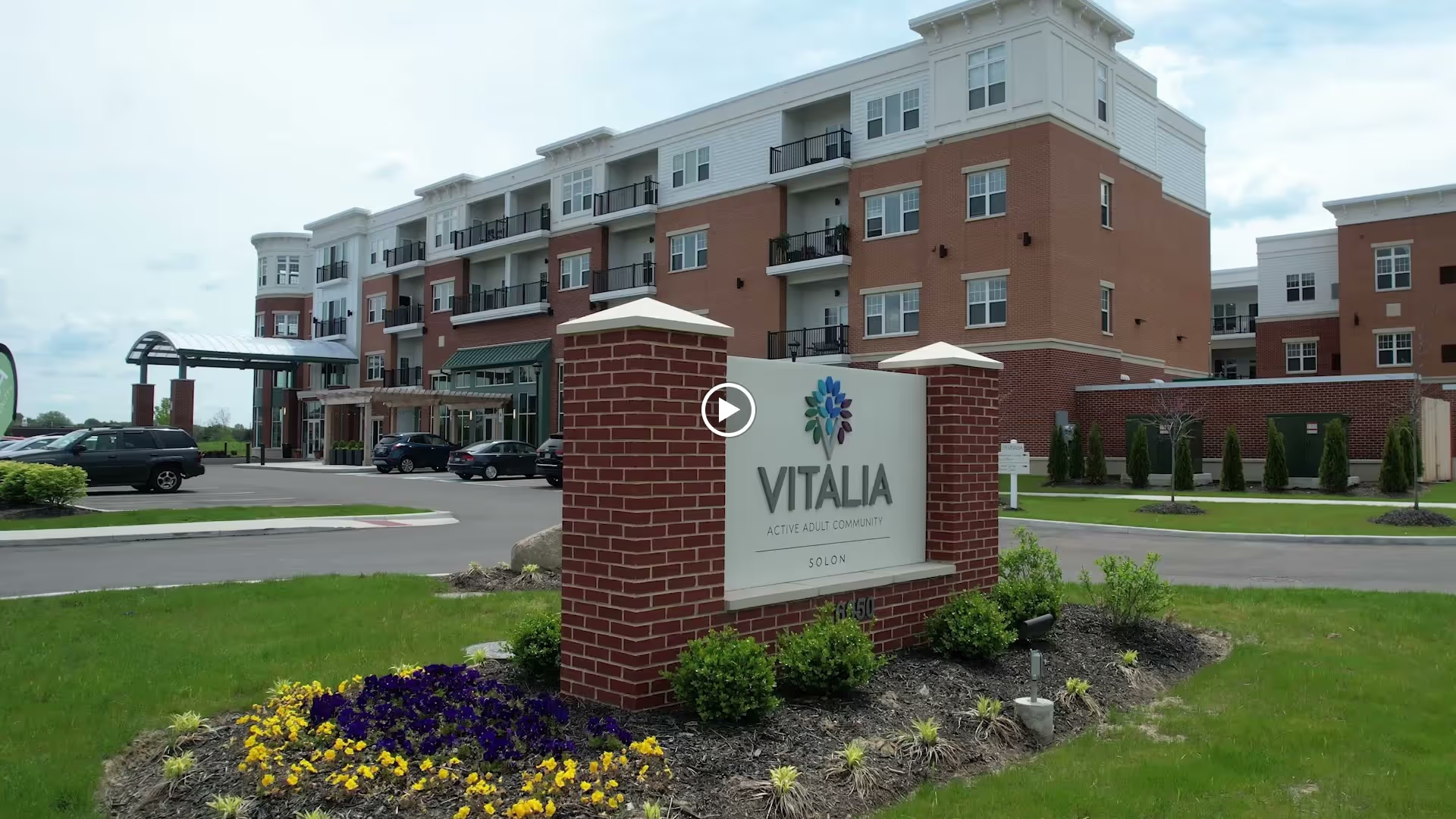
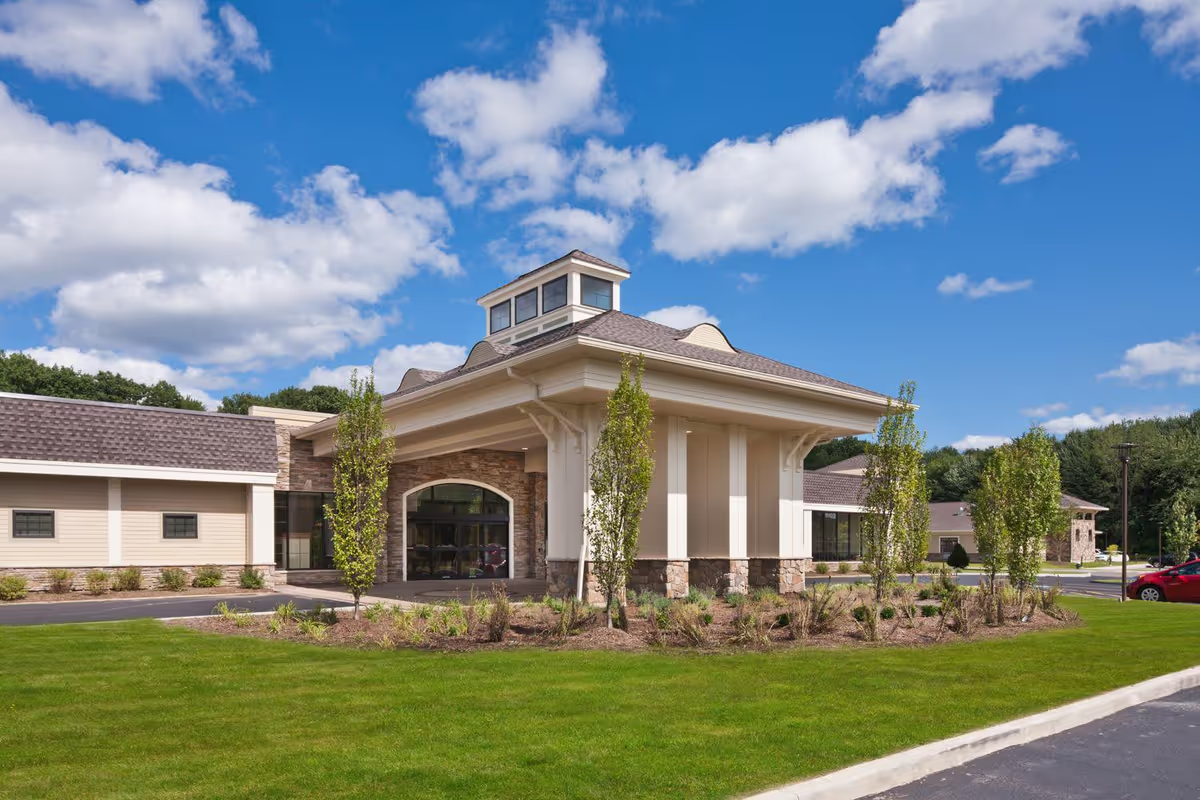
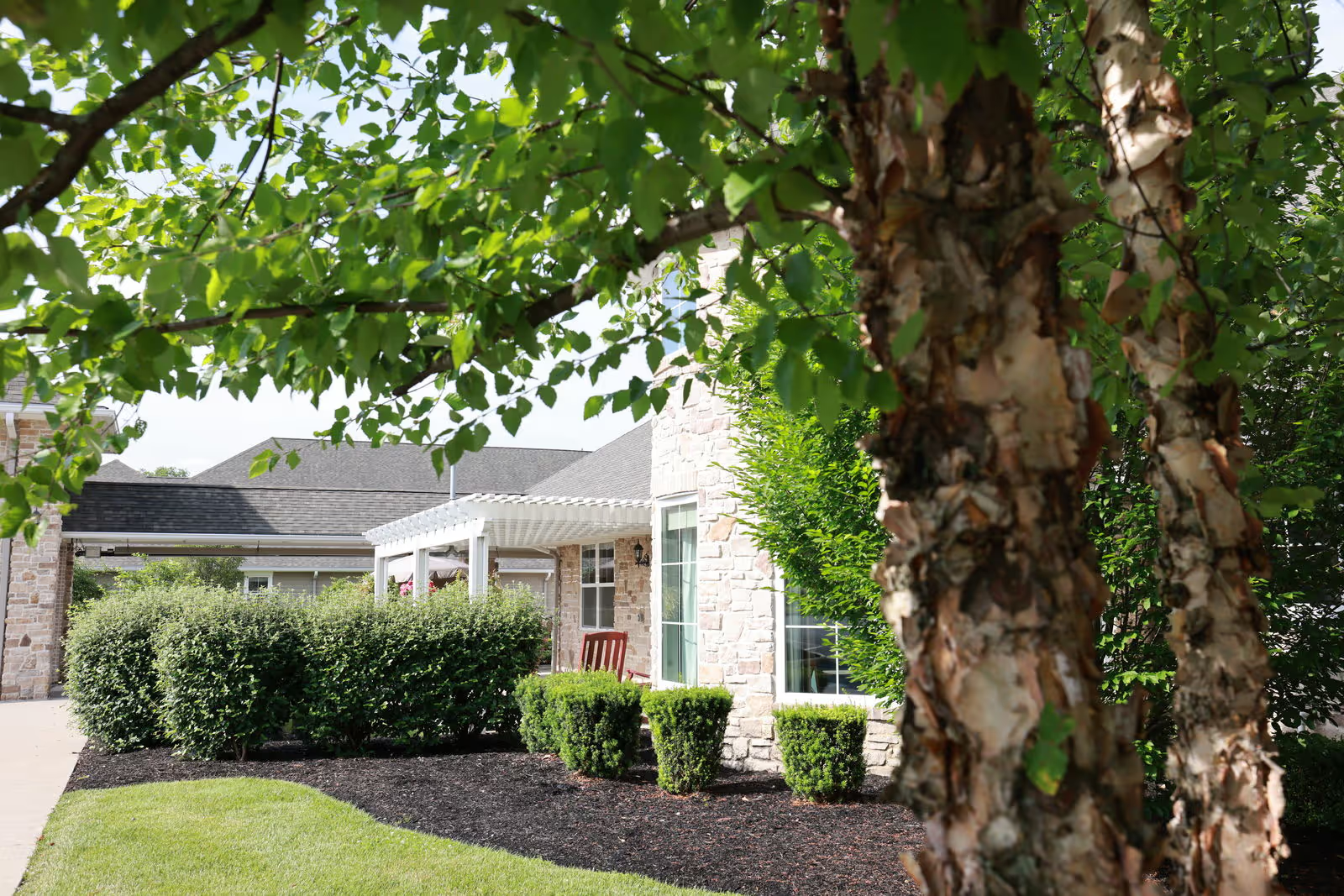
The reviews portray Avenue at Macedonia Care and Rehabilitation Center as a facility with strong physical plant attributes and notable strengths in therapy and resident engagement, combined with recurring operational inconsistencies. Many families and visitors praise the building’s hotel-like appearance, private rooms, well-equipped therapy spaces, and positive short-term rehabilitation outcomes. Frontline staff—nurses, aides, and activity personnel—are often described as warm, caring, and engaged, and several admissions and administrative individuals received specific positive mention for being helpful and professional.
Quality of care descriptions are mixed. Positive accounts highlight attentive aides, successful therapy progress, and respectful memory-care interactions. Conversely, a substantial set of critiques centers on inconsistent day-to-day care: delays attending to basic needs, uneven bathing and continence assistance, and concerns about medication timing and administration. Several families raised alarms about delays in medical response and escalation of clinical issues; a subset of these incidents prompted complaints to the ombudsman and mention of potential legal action. These serious allegations suggest variability in clinical oversight and responsiveness across shifts or units.
Dining and activities present a split picture. Activities programming and staff-led events receive consistent praise for engagement and quality. Dining experience is more uneven: reviewers report intermittent cold meals, limited menu options, and weight-loss concerns tied to dietary management. Therapy teams and rehabilitation services are frequently cited as a facility strength, though some families experienced irregular therapy frequency or scheduling shortfalls.
Operational and management themes recur across reviews. Positive reports note helpful admissions staff and responsive administrative contacts; other reviews describe high staff turnover, unstable management, and slow or inconsistent administrative follow-up (including billing and placement communications). Housekeeping and room-maintenance show variability: many describe clean common areas and well-kept rooms, while others report sanitation concerns, missing items from rooms, and lapses in routine cleaning or privacy practices.
Notable patterns: the facility appears capable of delivering high-quality rehab and person-centered interactions under the right staffing conditions, yet it also exhibits operational fragility—particularly around staffing continuity, clinical escalation processes, and consistent daily personal care. Prospective residents and families should weigh the strong therapy and activity programs and the facility’s physical environment against the reports of inconsistent staffing, communication gaps, and variable daily-care execution. When considering admission, ask for current staffing ratios, written care and escalation protocols, medication-administration safeguards, meal plans, and references from recent families; consider observing multiple shifts and speaking directly with the unit charge nurse and the administrator about any concerns prior to admission.