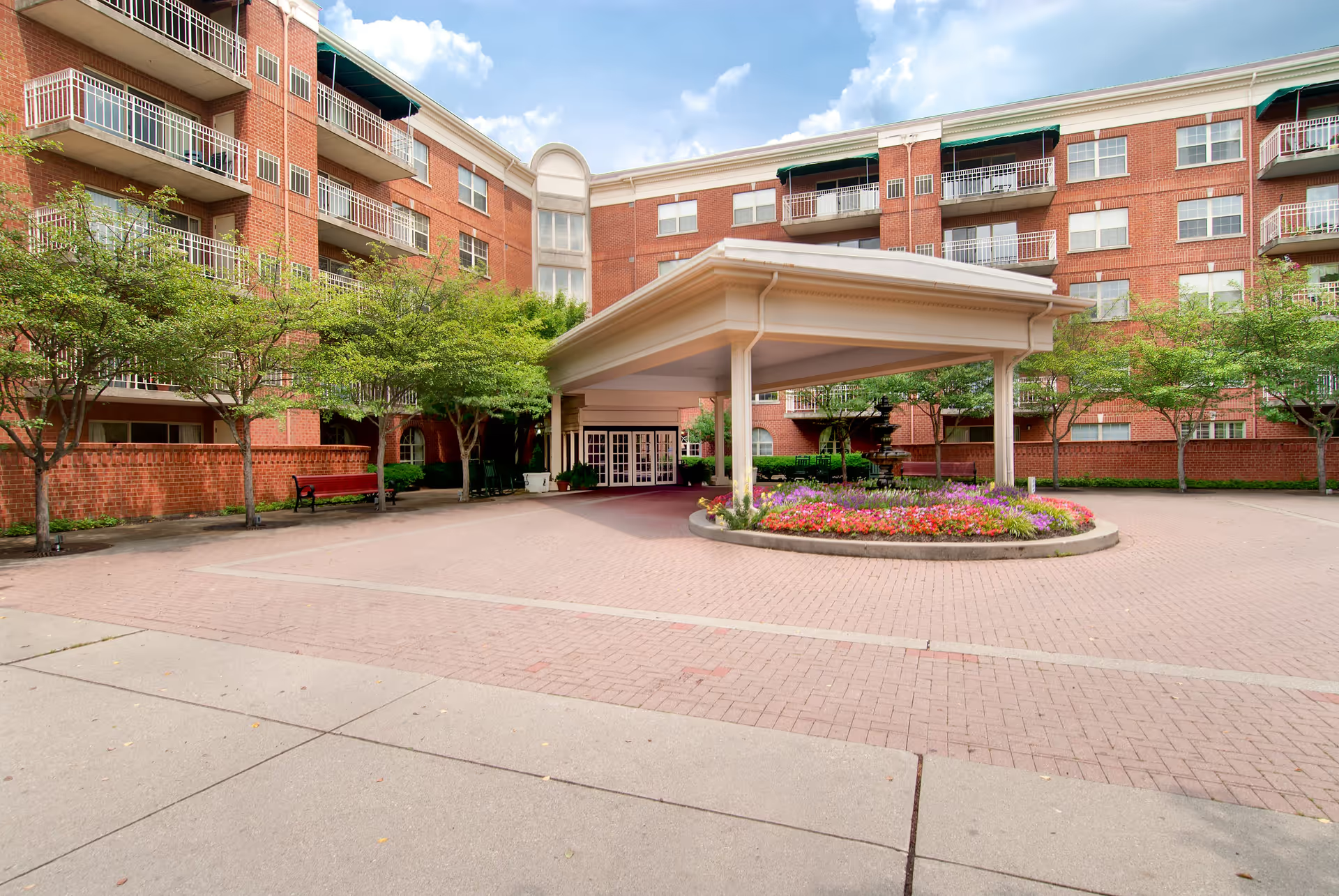
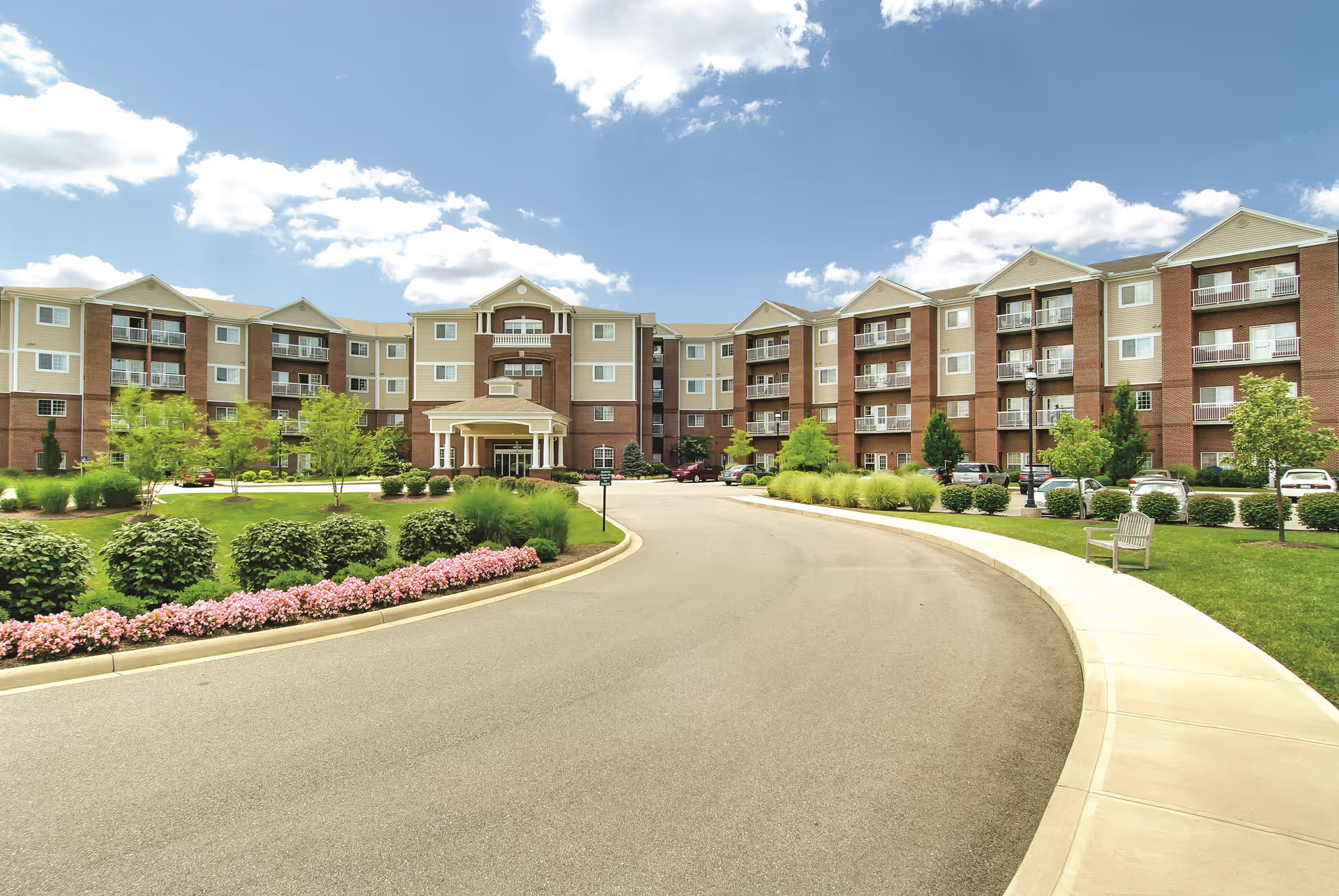
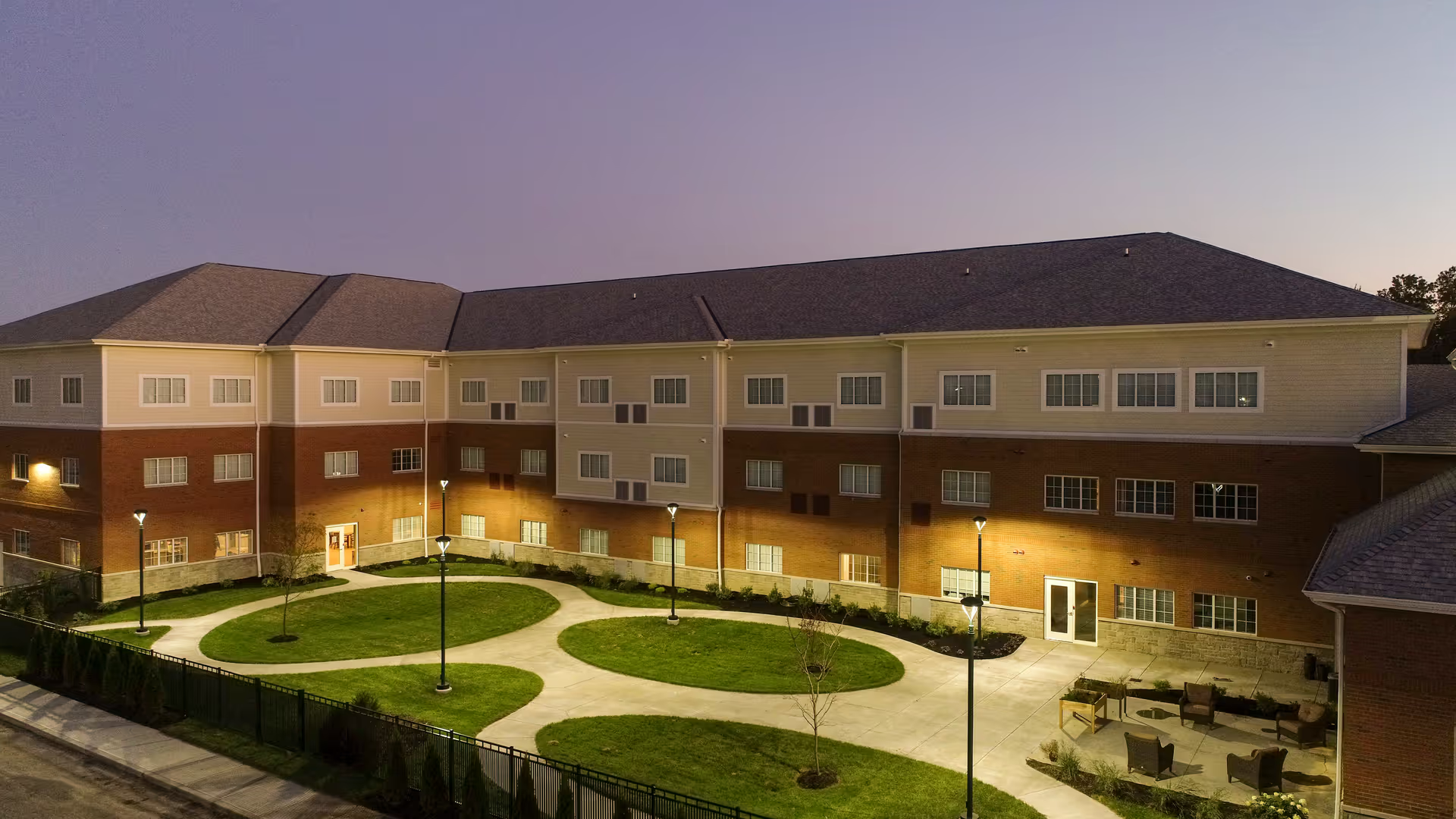
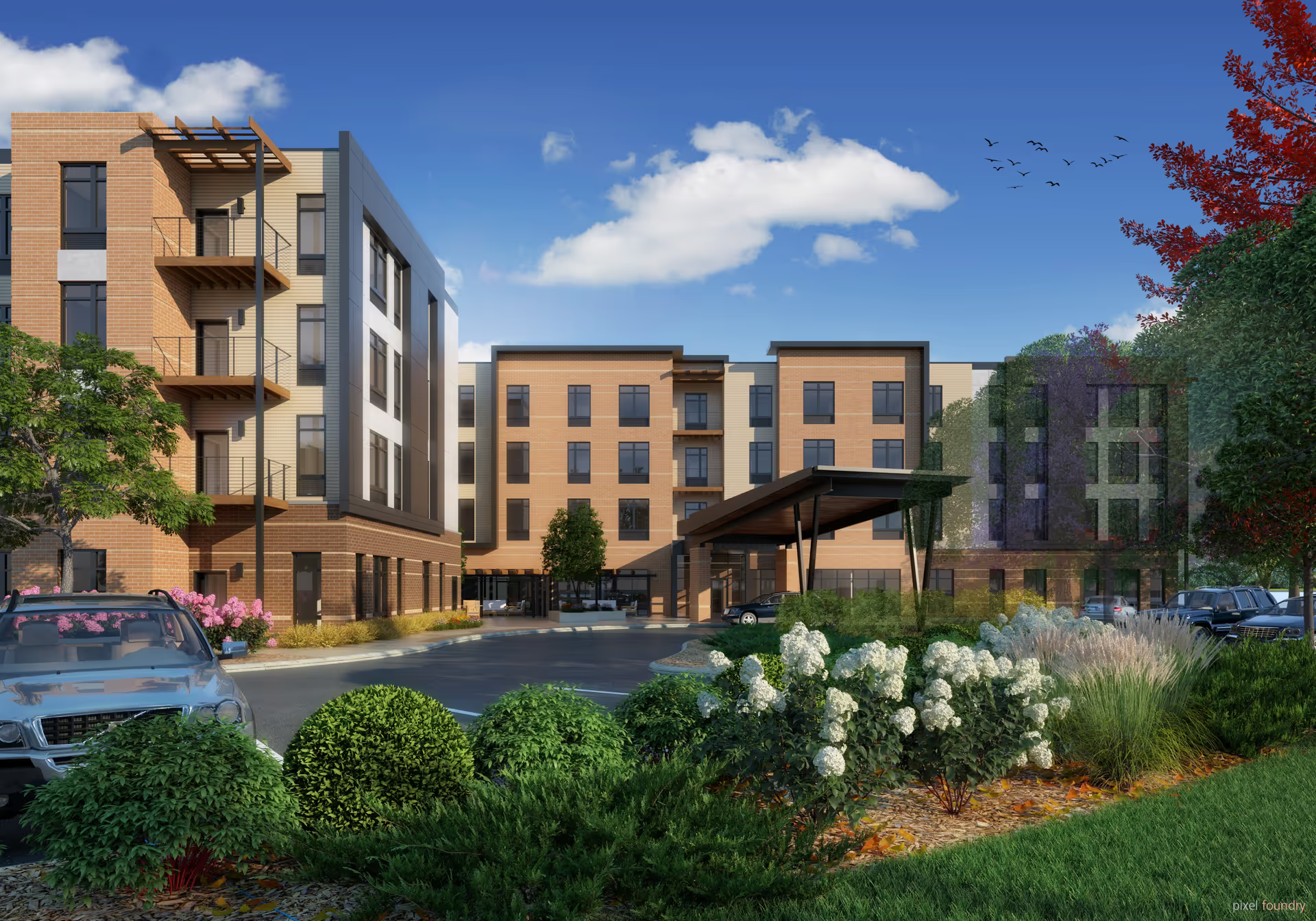
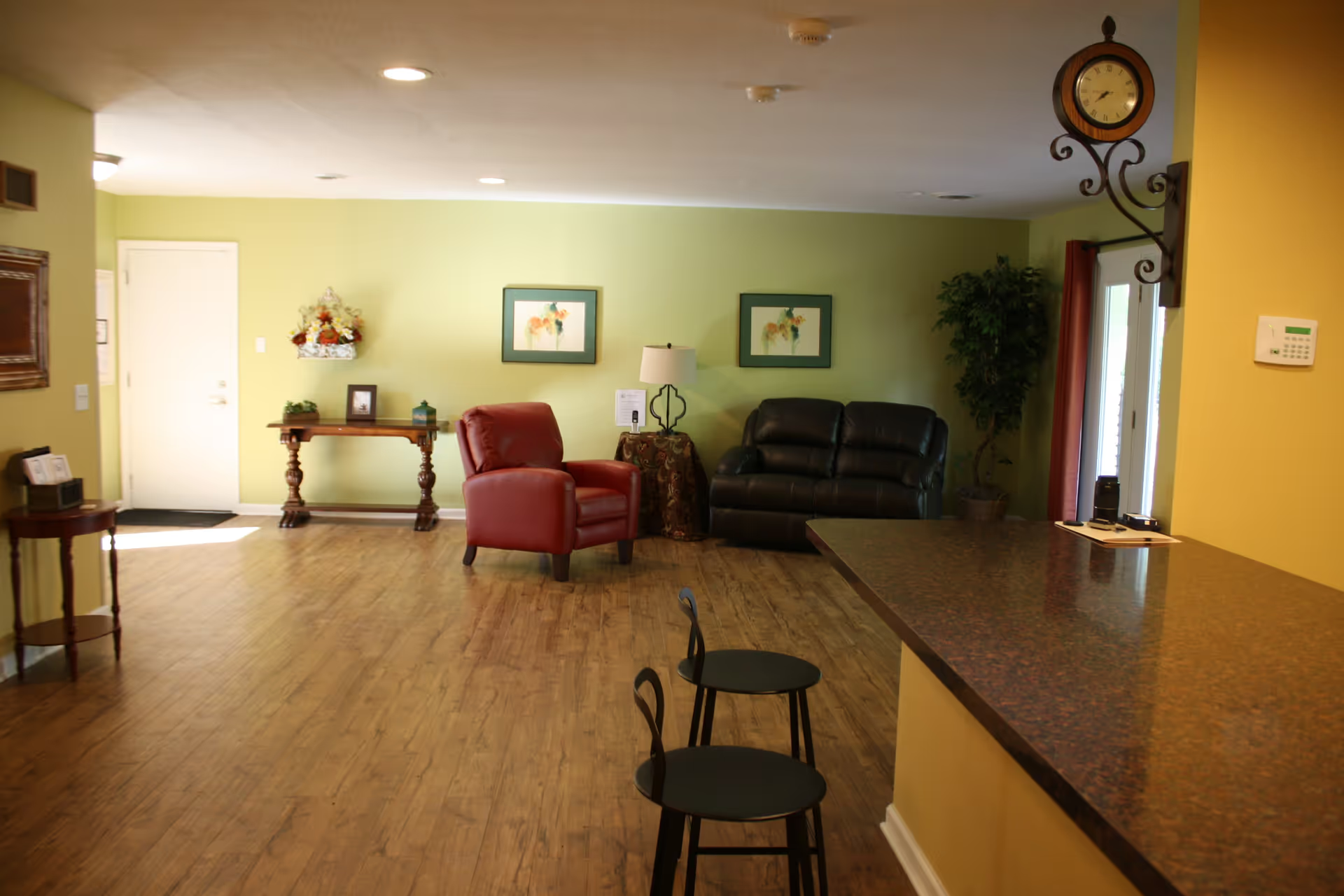
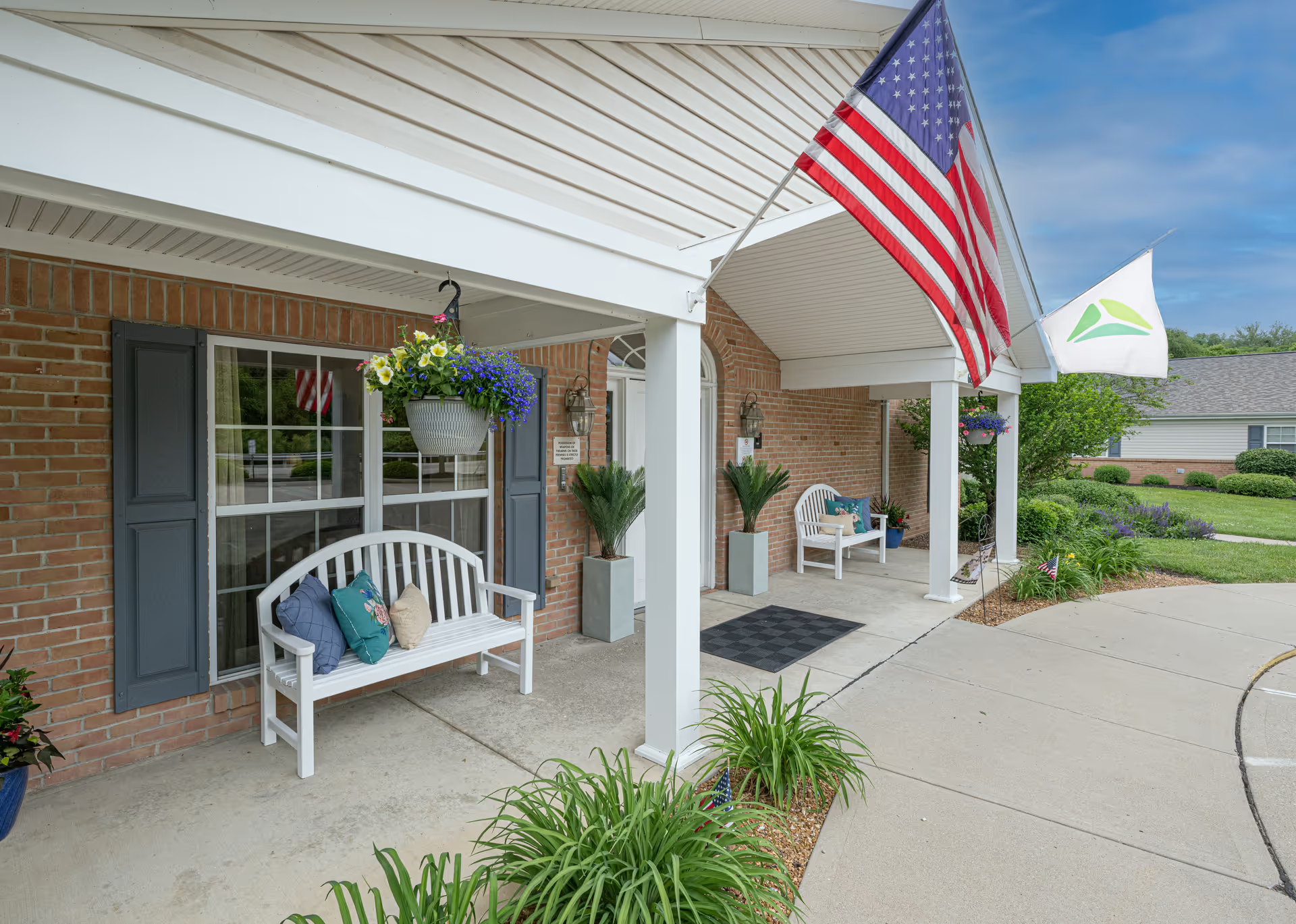
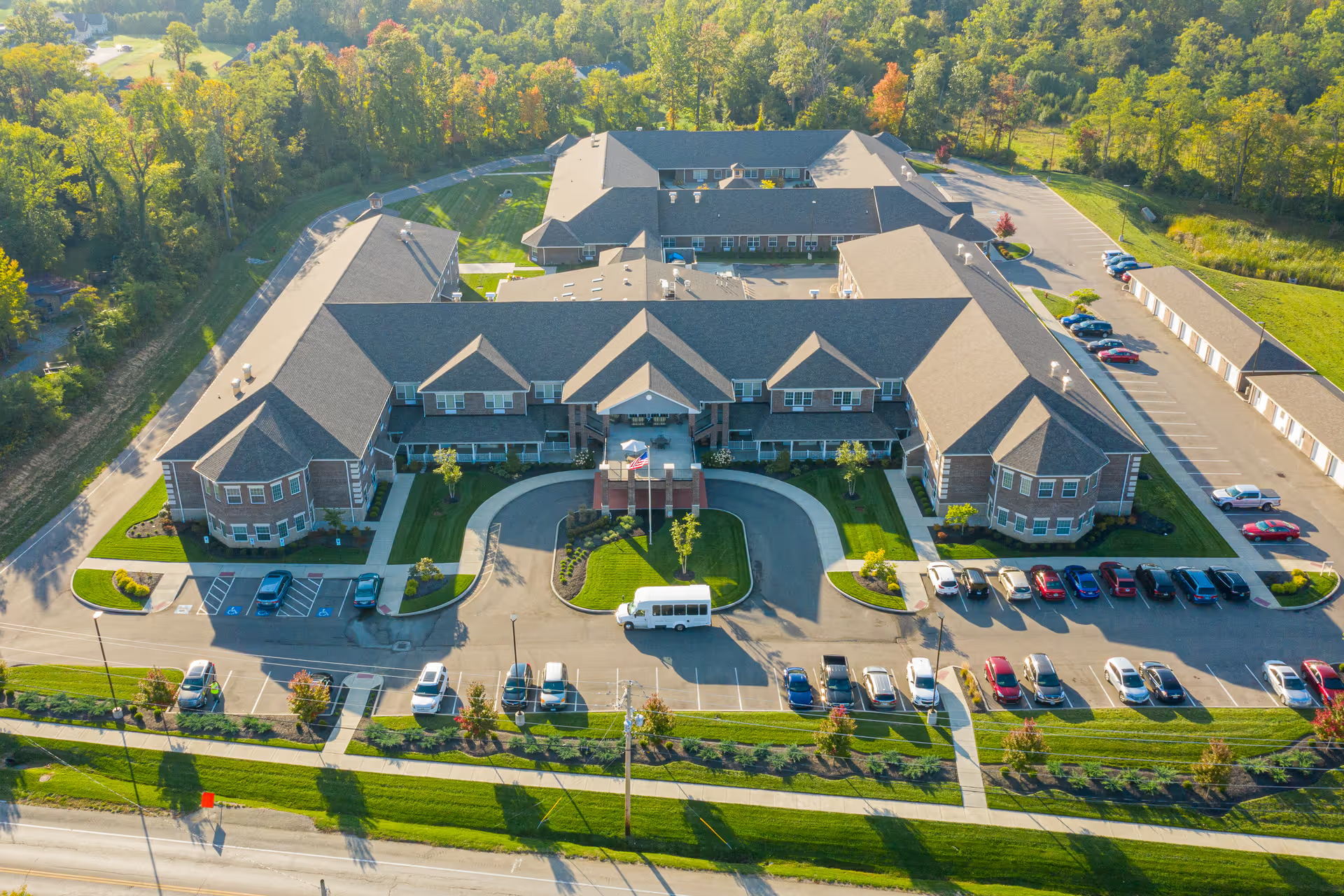
Traditions at Camargo elicits strongly mixed impressions. Many families and residents praise the physical environment and social programming: the community is frequently described as new, bright, and well appointed with spacious, light-filled apartments and attractive common areas. The activities program, led by engaged directors, is a consistent strength — reviewers cite frequent, varied offerings (happy hours, outings, arts/crafts, games, and theater) that support social engagement. Dining is also commonly cited as a positive, with an on-site chef, convenient dining hours, and generally well-regarded meals and service. Several reviewers also emphasized helpful move-in support, coordinated discharge planning and therapy arrangements, and a welcoming front-desk and community-relations team.
Care and staffing portray a more complex picture. Positive accounts describe compassionate nurses and aides who are attentive, respectful, and effective at coordinating with physicians and families. At the same time, a substantial set of concerns centers on inconsistent staffing levels, high turnover, and variable staff training — particularly in the memory-care unit. Families pointed to gaps in dementia-specific programming and caregiver knowledge, and to variability in how well clinical protocols (medication passes, transfers, and monitoring) are followed. There are repeated references to delays in responding to call buttons and to uneven overnight supervision and monitoring, which contribute to perceptions of safety risk for some residents.
Operational and administrative themes recur across reviews. Communication and transparency with families are uneven: some families find leadership responsive and proactive, while others describe difficulty obtaining timely updates or clarity about care plans and billing. A subset of reviews raises serious operational concerns, including sanitation and exterior-maintenance issues in particular units, inconsistent meal- and kitchen-staffing during staffing shortages, and examples of medication- and documentation-errors. There are also mentions of billing and administrative-process inconsistencies that warrant verification during a tour. A small number of reviews reference incidents that led family members to contact regulatory authorities; these accounts indicate families should review the facility's regulatory history and incident-response procedures when evaluating placement.
For prospective residents and families: Traditions at Camargo offers many of the physical and social attributes that families seek — modern facilities, active programming, and moments of strong individualized care — but the community also appears to experience operational growing pains in staffing, training, and consistent clinical oversight. When considering placement, ask specific, documented questions about current staffing ratios (including overnight coverage), dementia-care training and programming, emergency-response times and call-button metrics, infection-control practices, medication-administration safeguards, turnover rates, and billing procedures. Request recent inspection and complaint history, speak with current families if possible, and observe care interactions during a visit to assess whether the facility’s strengths align with the incoming resident’s clinical and supervision needs.