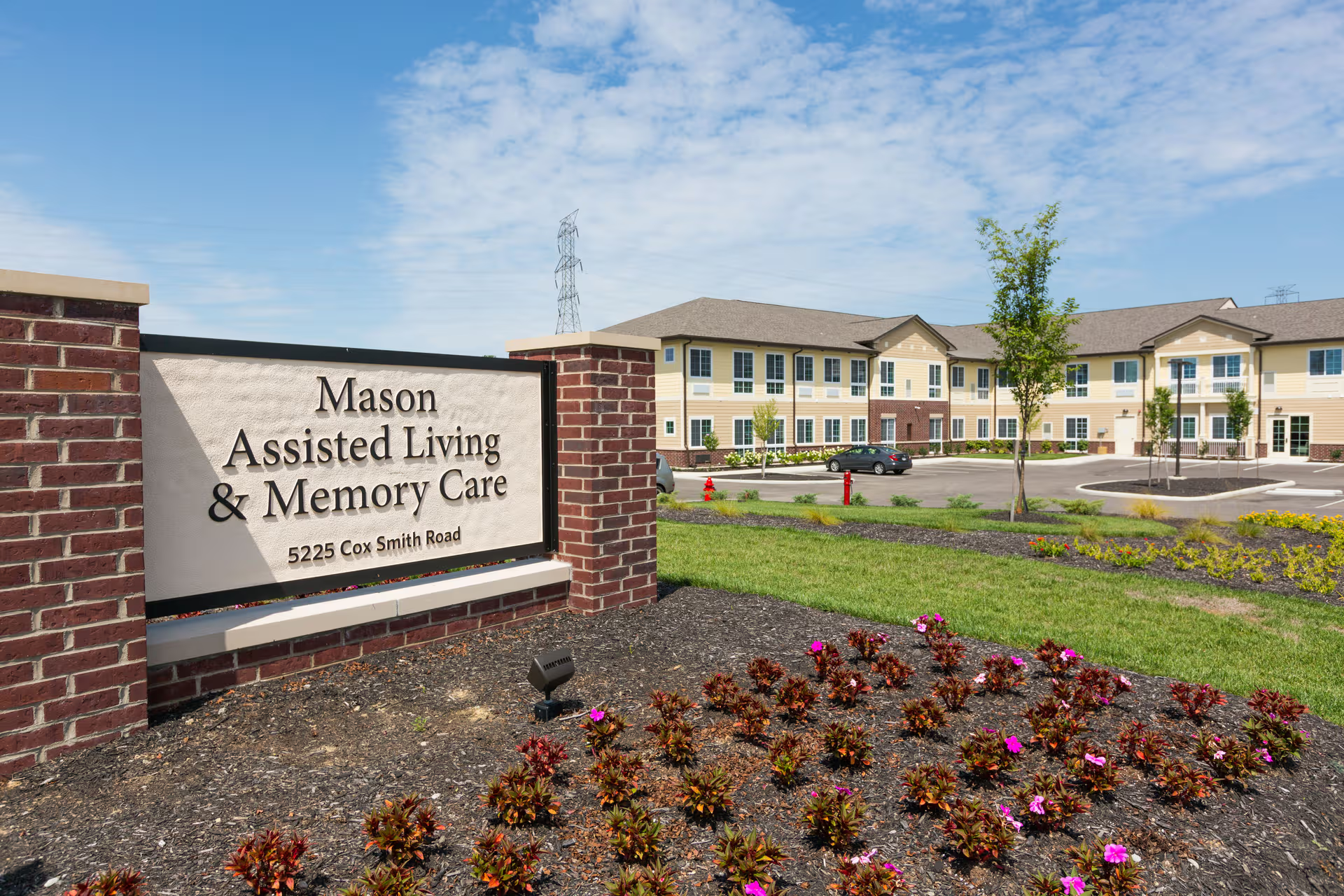
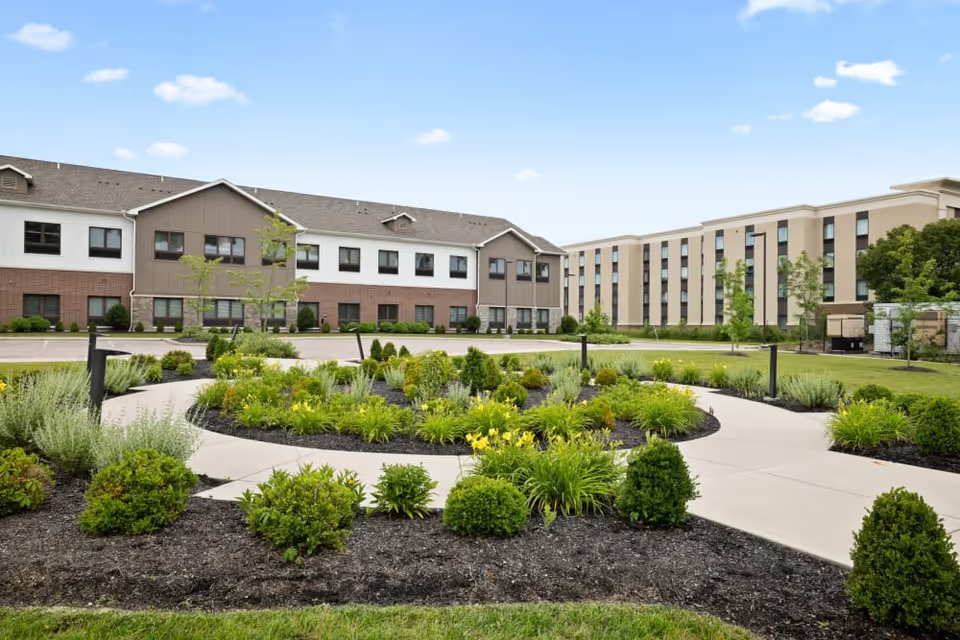
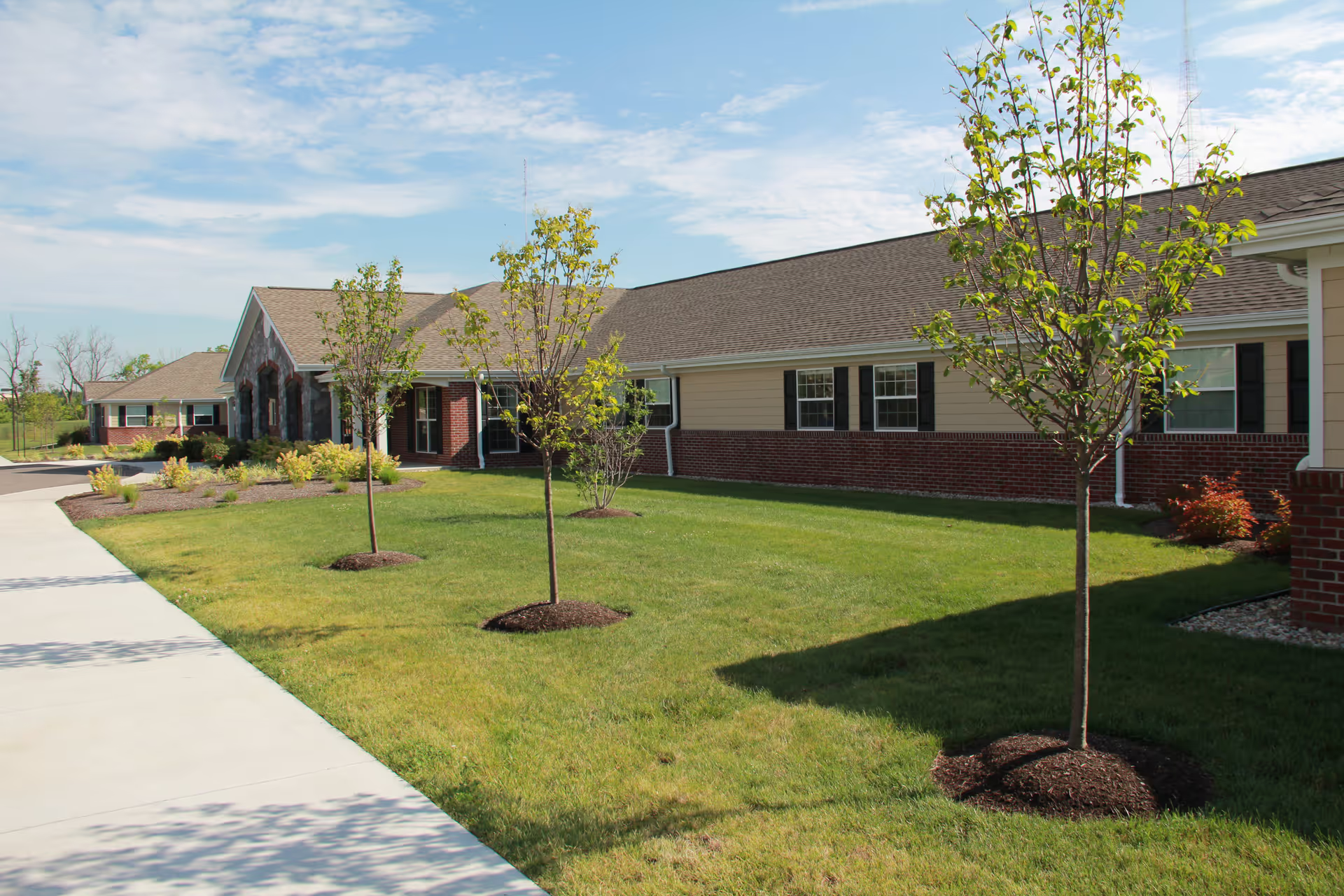
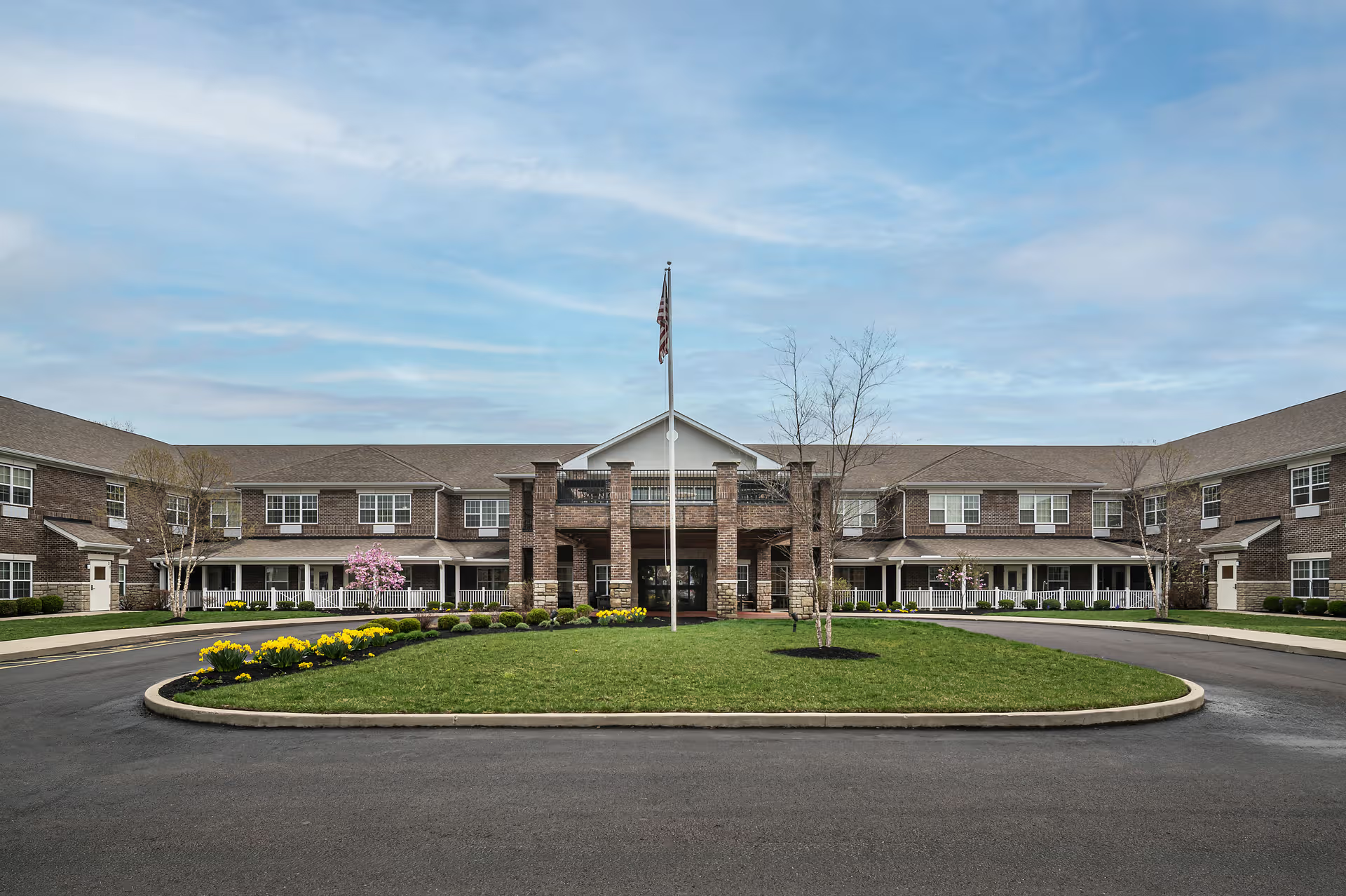
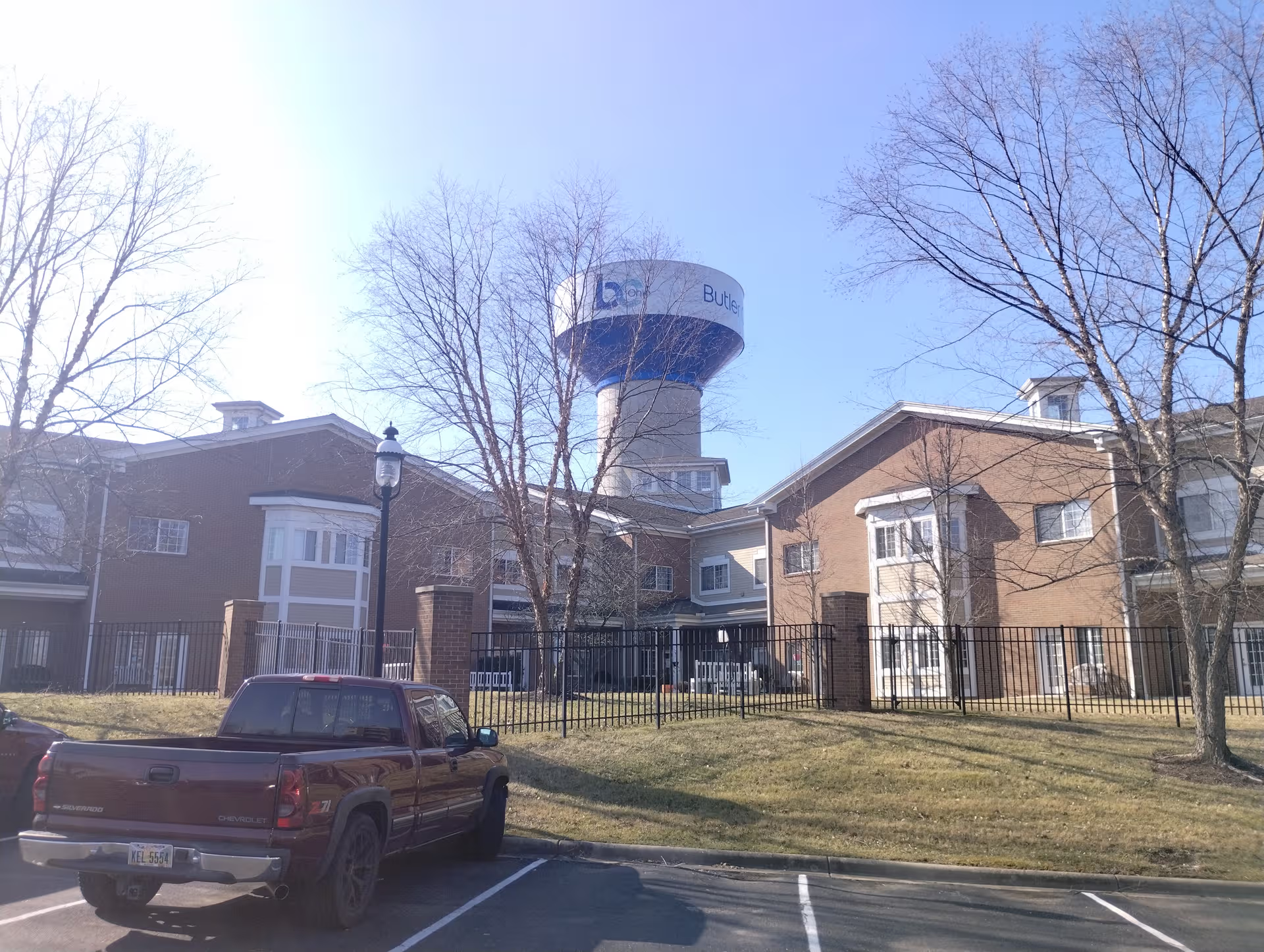
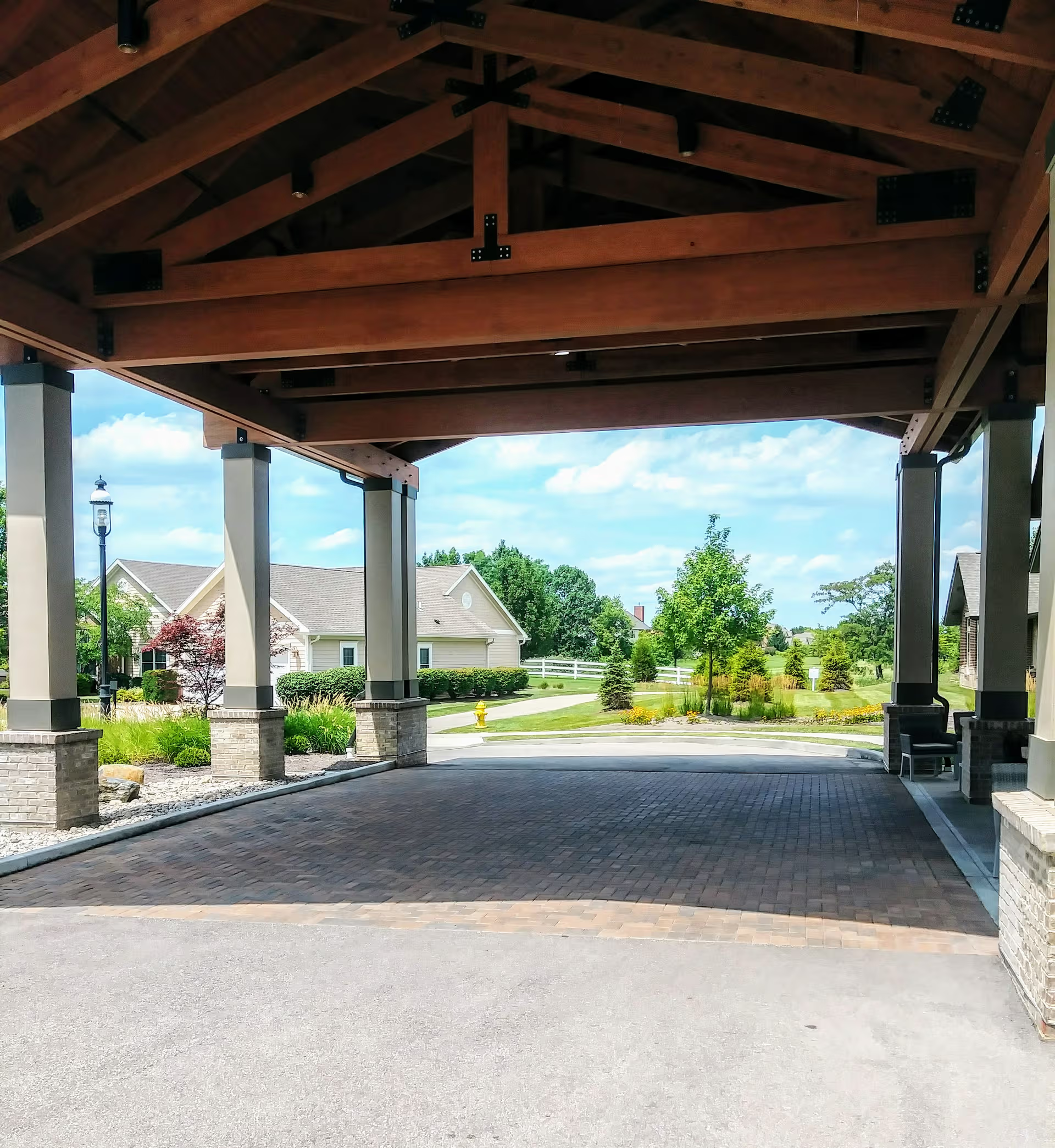
The reviews for Otterbein Maineville SeniorLife Neighborhood present a strongly mixed picture. Many families and residents describe a warm, home-like community with compassionate caregivers, individualized attention from certain staff members, and effective rehabilitation services. Therapy departments (physical, occupational, and speech) receive frequent praise for helping residents regain function. Multiple reviewers highlight specific staff and house managers by name for above-and-beyond responsiveness, and many describe the facility as attractive, clean in common areas, and conducive to social engagement.
At the same time, a notable set of operational shortcomings appears across reviews. Medication administration timeliness is a recurrent concern, with examples pointing to delayed pain and insulin dosing and delayed wound-care follow-up; these examples suggest variability in clinical-operations reliability. Relatedly, nurse-call responsiveness and weekend coverage are described as inconsistent, and reviewers cite staffing shortages or scheduling gaps that affect timely assistance. Several comments indicate lapses in equipment handling and supply availability that affected resident mobility and oxygen support.
Dining and dietary oversight receive mixed evaluations: some reviewers praise homemade meals, accommodating diets, and individualized dining choices, while others describe cold or overcooked food and the absence of a consistent diabetic/dietitian presence. Cleanliness and sanitation receive mostly positive comments about the facility’s appearance but there are isolated sanitation and pest-control concerns that merit attention. Infection-control practices are unevenly described, and at least one regulatory complaint was referenced as substantiated by state review, indicating the need for clarity on corrective measures and monitoring.
Staff culture and communication emerge as a polarizing theme. Many families emphasize respectful, family-like interactions and readily accessible management who facilitate extended visitation and personalized care. Conversely, other families report concerns about staff conduct, communication tone, and perceived bias or problematic interactions with agency staff. These contrasting accounts suggest variability in training, supervision, or unit-level culture rather than a uniform facility characteristic.
For prospective residents and families, the pattern is one of strong relational and rehabilitative assets coupled with operational inconsistencies that can materially affect daily care. Key areas to assess during a tour or admission discussion include medication-administration protocols and oversight, nurse-call system reliability and expected response times, weekend and evening staffing plans, wound-care and clinical follow-up processes, dietary and diabetic support, and evidence of corrective action regarding any regulatory findings. The facility’s strengths in therapy, individualized attention from committed staff members, and a welcoming physical environment are frequently cited; however, understanding how management addresses the documented operational gaps will be important when evaluating fit for a specific care need.