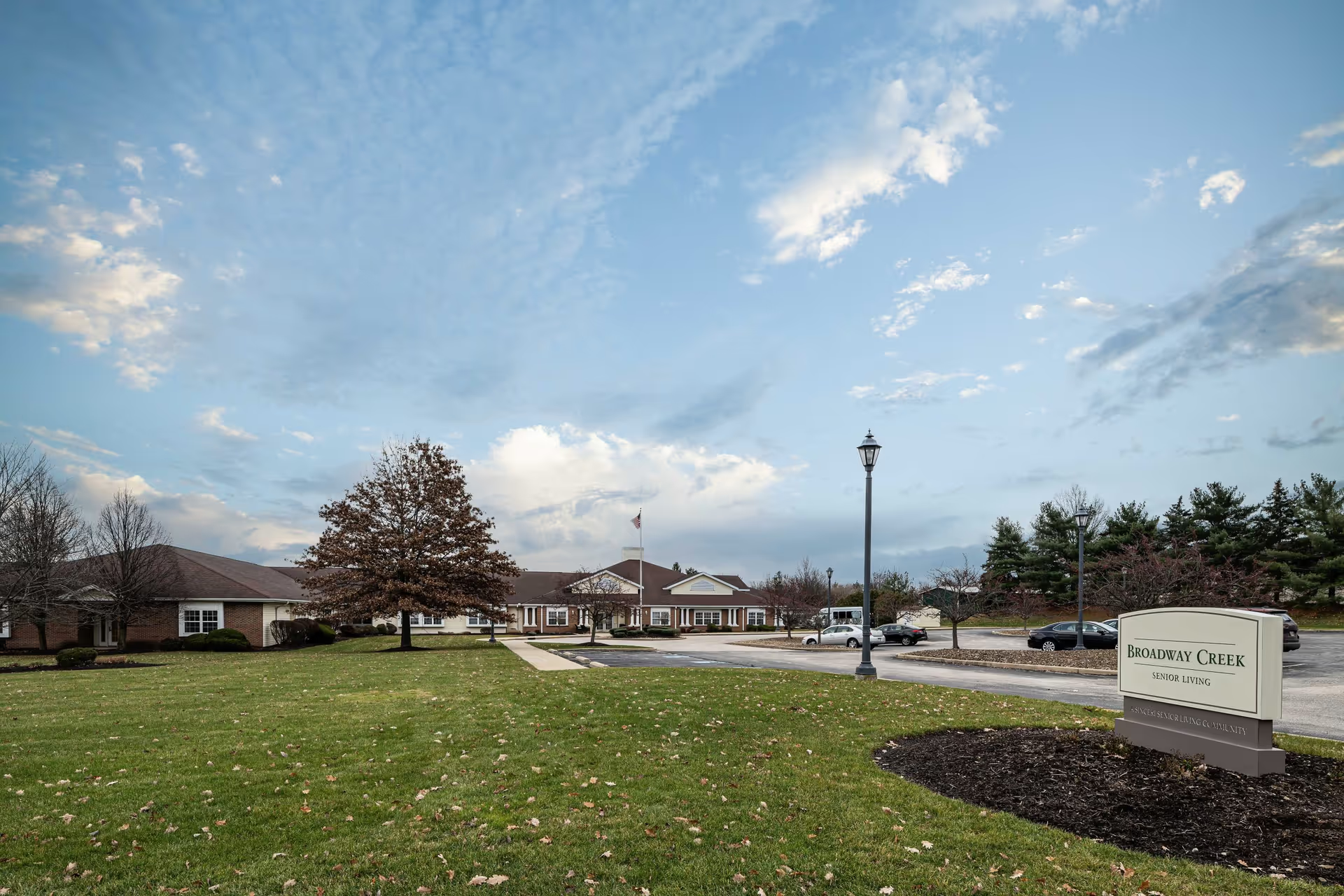
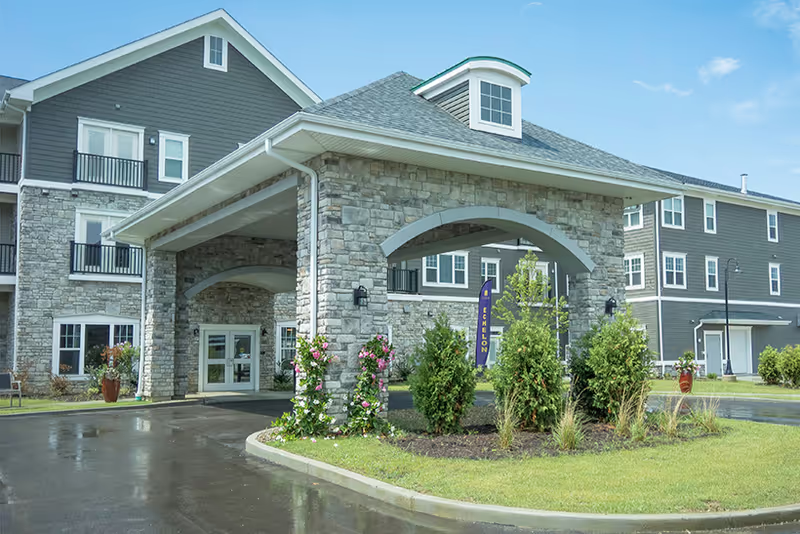
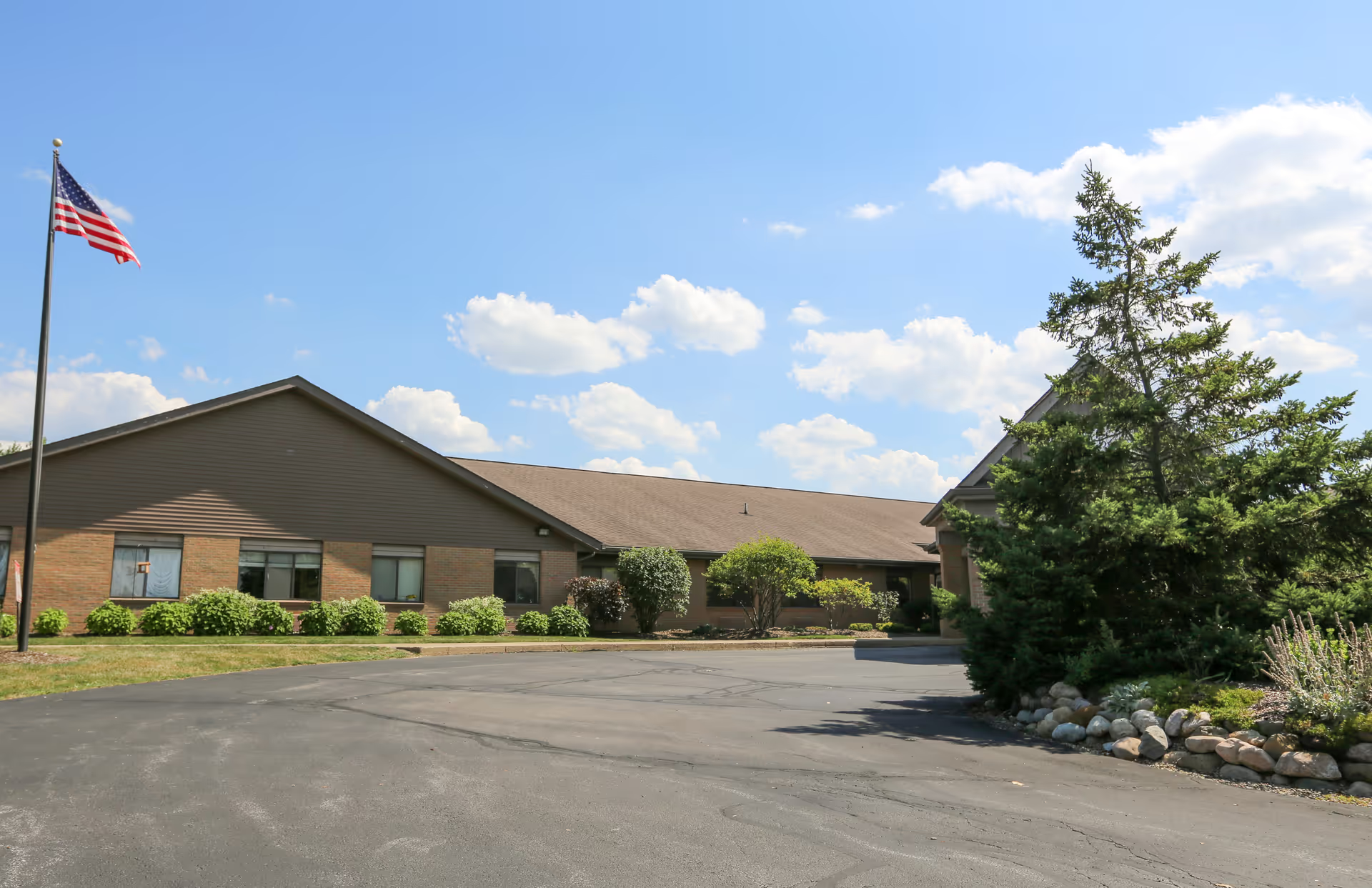
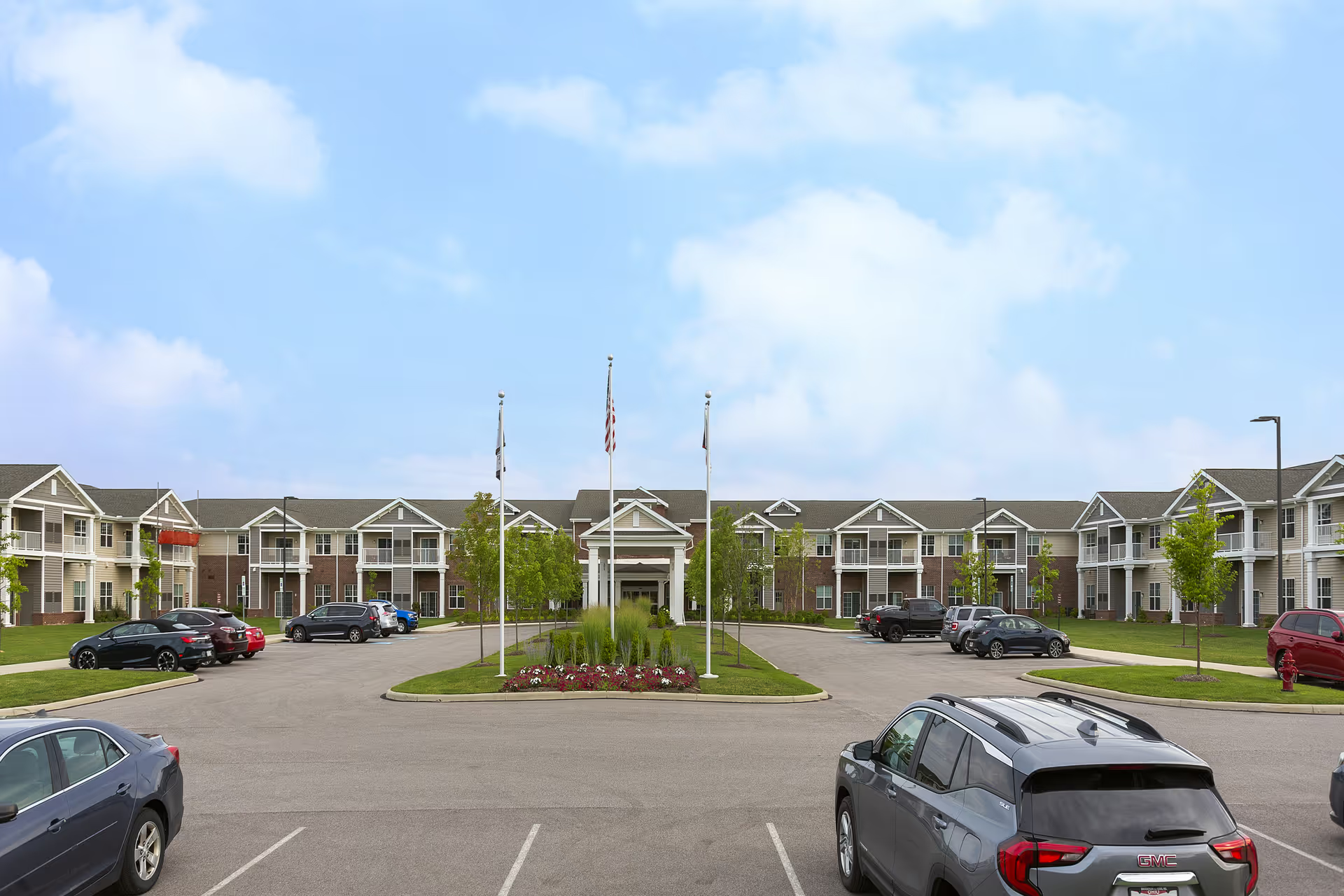
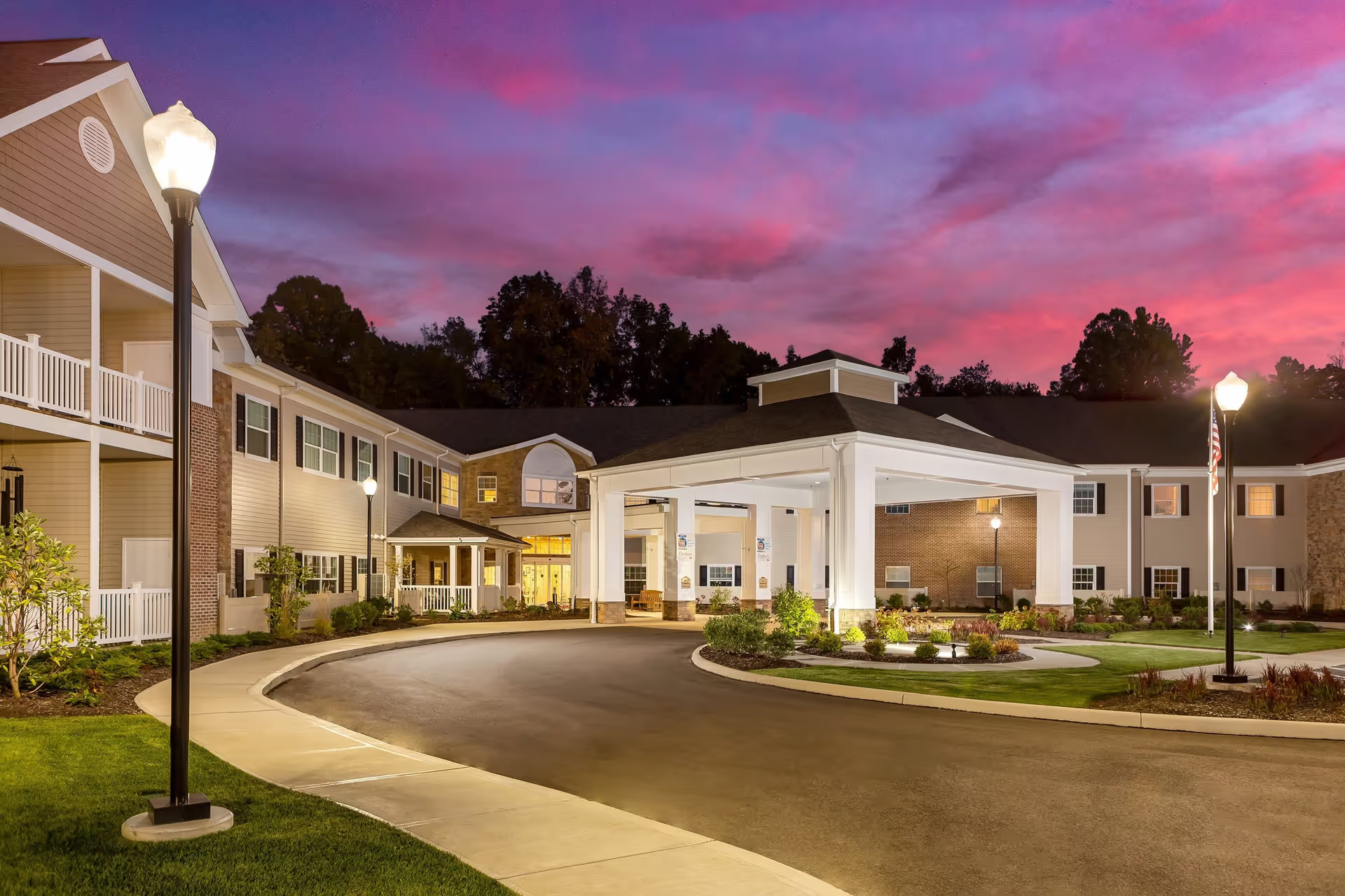
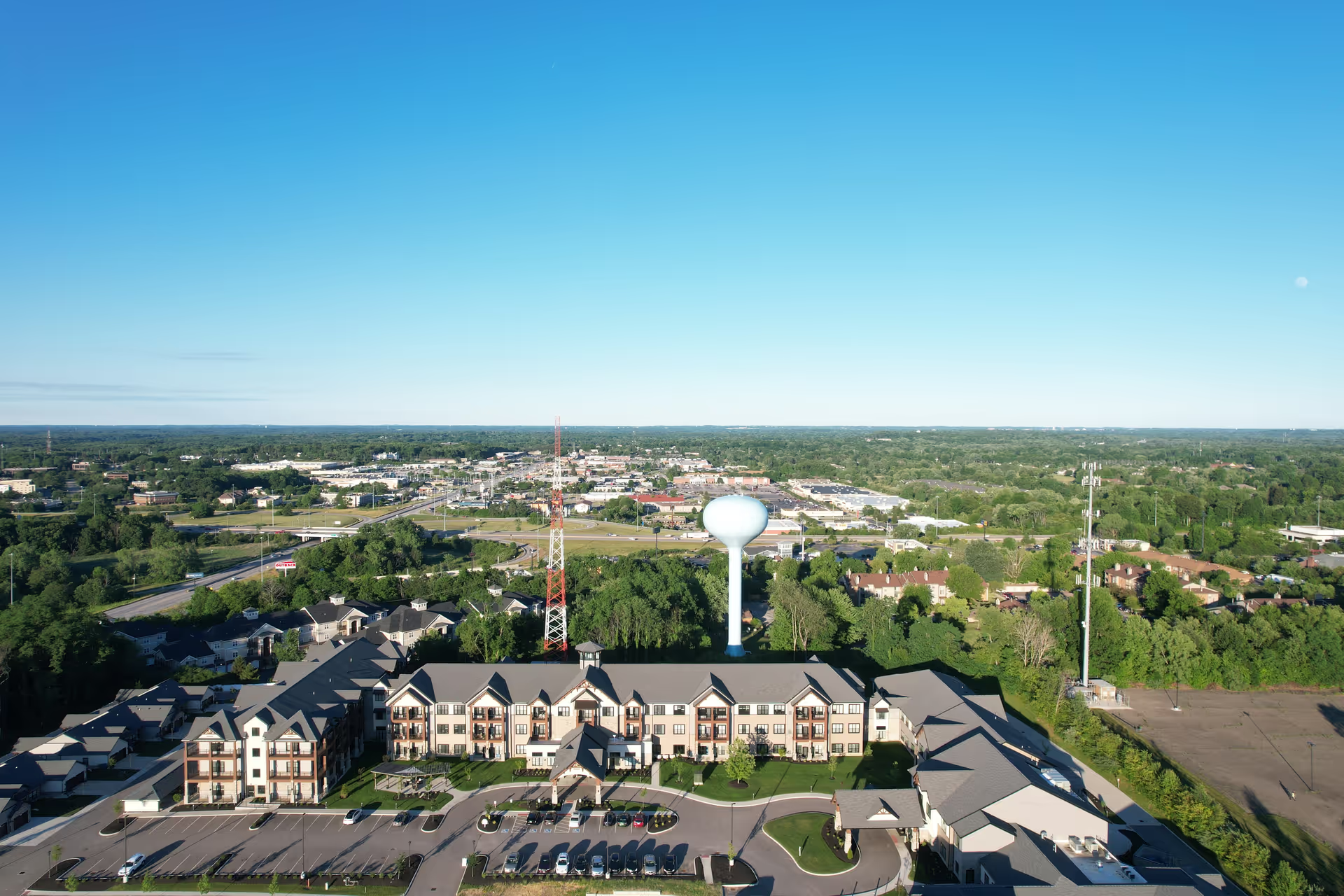
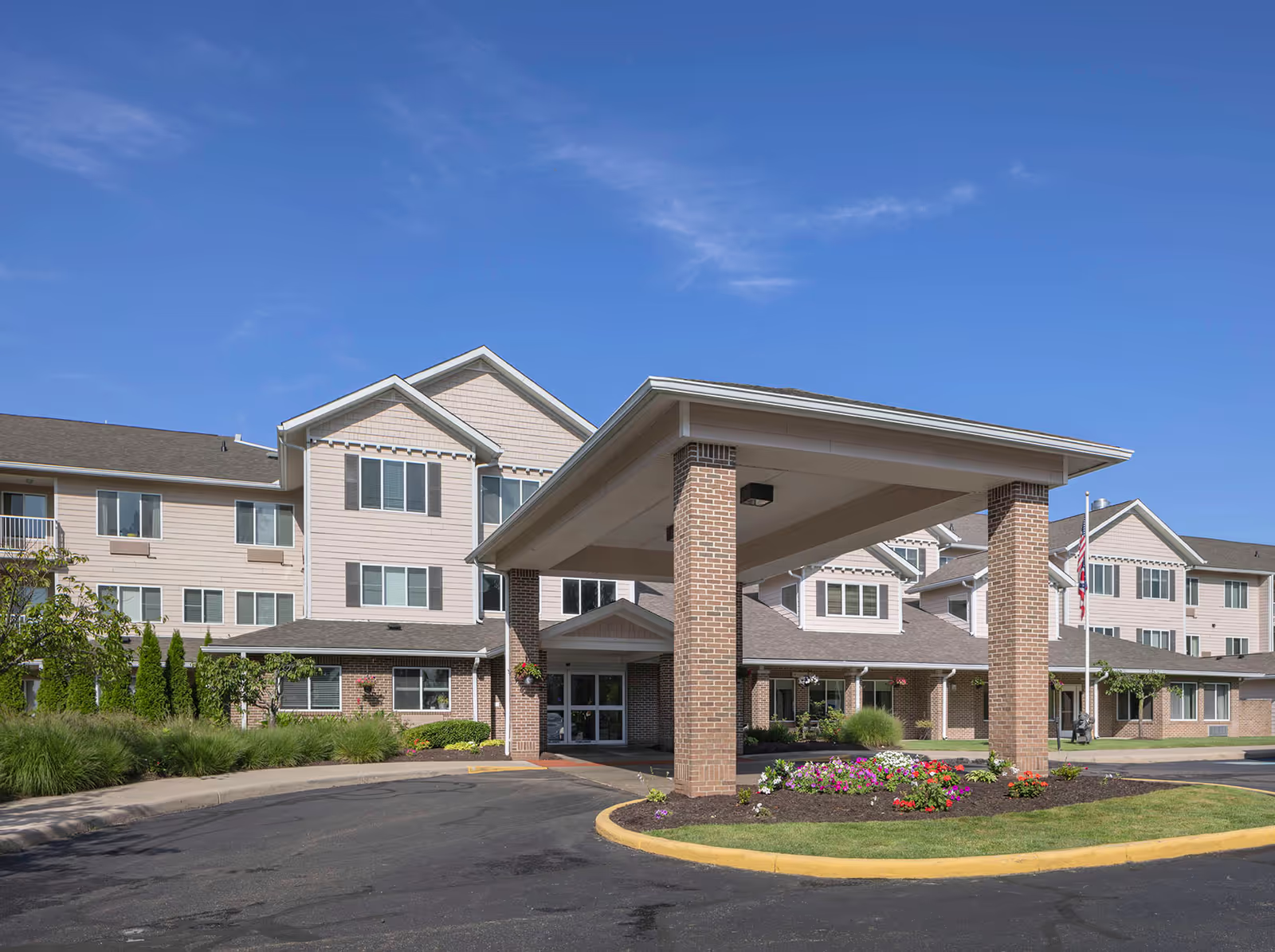
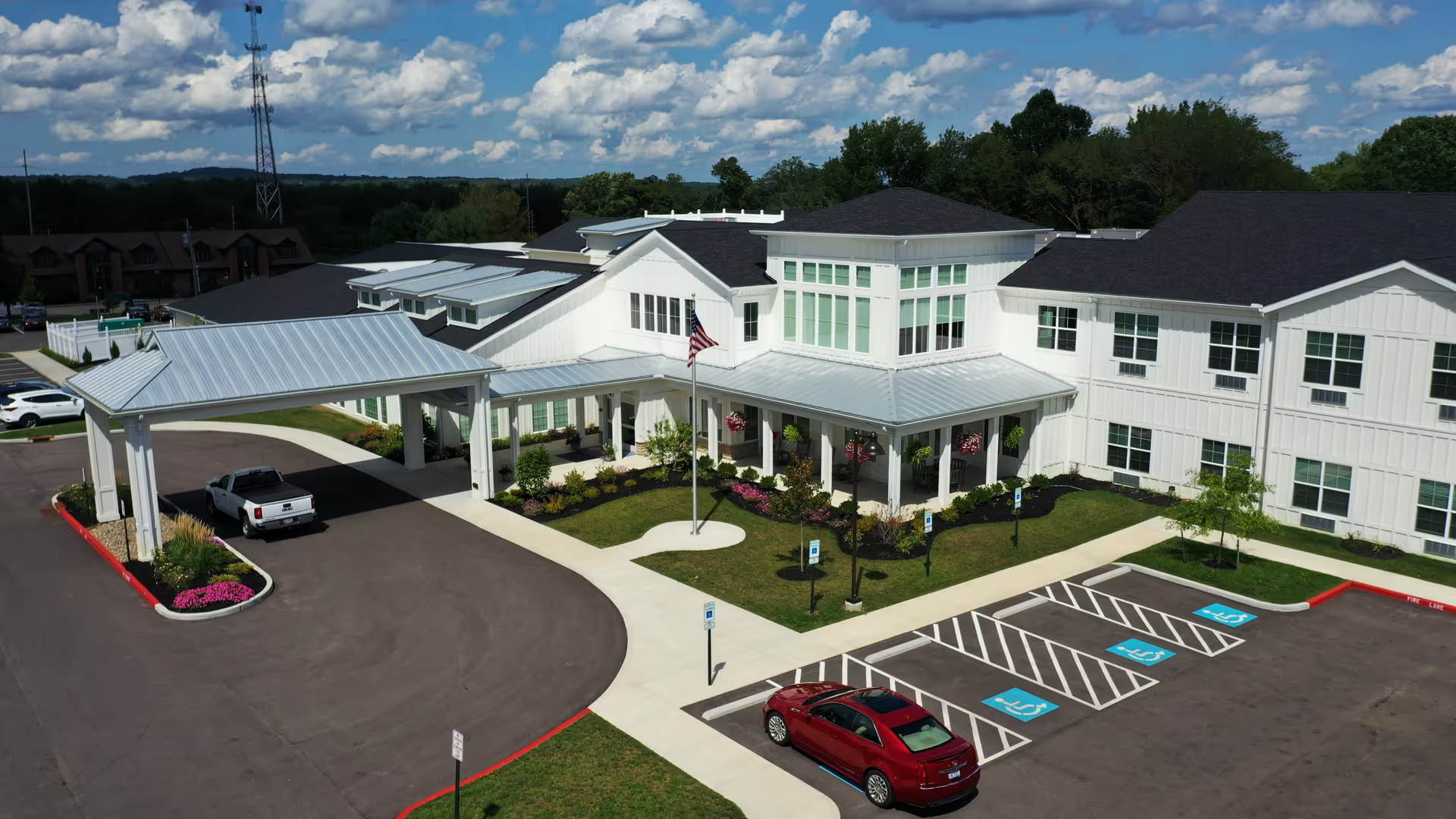
Western Reserve Masonic Community presents as a large, well-appointed campus offering a full continuum of care from independent living through skilled nursing. Many reviewers praised the facility’s attractive appearance, clean and hotel-like interiors, and well-maintained grounds. The community’s multi-level structure, connected buildings, and standalone housing options create a campus that supports transitions between levels of care and provides a range of apartment types and amenities.
Clinical care and frontline staff are frequently described positively. Reviewers highlighted compassionate, professional caregivers, caring nursing teams, and strong physical-therapy and rehabilitation services. Several accounts emphasize helpful, patient therapy staff and effective wound and nursing care. The admissions and transition process also receives favorable mention; families described personalized attention from the Experience Director and generally seamless moves between care levels.
Dining and nutrition emerge as a mixed area. The community offers restaurant-style dining, multiple dining venues, and special-event meals that some residents and families found exceptional. However, other accounts identify inconsistent meal quality, instances of cold or less-nutritious food, limited breakfast variety, and a desire for greater menu oversight. This creates a variability in dining experience that may depend on unit, meal, or time.
Programming and activities are a clear strength in many parts of the campus: an active calendar, frequent outings, Reader’s Theatre, seasonal events, and an on-site fitness director contribute to strong engagement opportunities. At the same time, some reviewers noted inconsistent activity leadership, limited options in particular areas, and variability in how programs are staffed or run, suggesting uneven execution across the large facility.
Operational and safety concerns are focused and substantive. Several comments indicate understaffing or inconsistent staffing coverage, intermittent use of agency nurses, and occasional delays in clinical responsiveness or medication assistance—patterns that families said affected perceived safety and support. Built-environment design gaps were also noted in newer independent living units (for example, lack of grab bars and non-accessible tubs), raising questions about accessibility for higher-dependency residents. Reviewers additionally pointed to variability in service availability (for example, temporarily closed rehab spaces) and long internal walking distances that can affect daily routines.
Management and value perceptions vary. Many praise the leadership, community involvement, charitable policies that help residents remain on campus, and administrative responsiveness. Conversely, cost is a recurring concern: several families felt pricing did not always align with service consistency. Finally, while cleanliness, amenities, and a generally warm culture are frequent positives, families should weigh the facility’s strong therapy, activities, and campus features against reports of staffing variability, dining inconsistency, and some accessibility design gaps when evaluating fit and value for a particular resident.