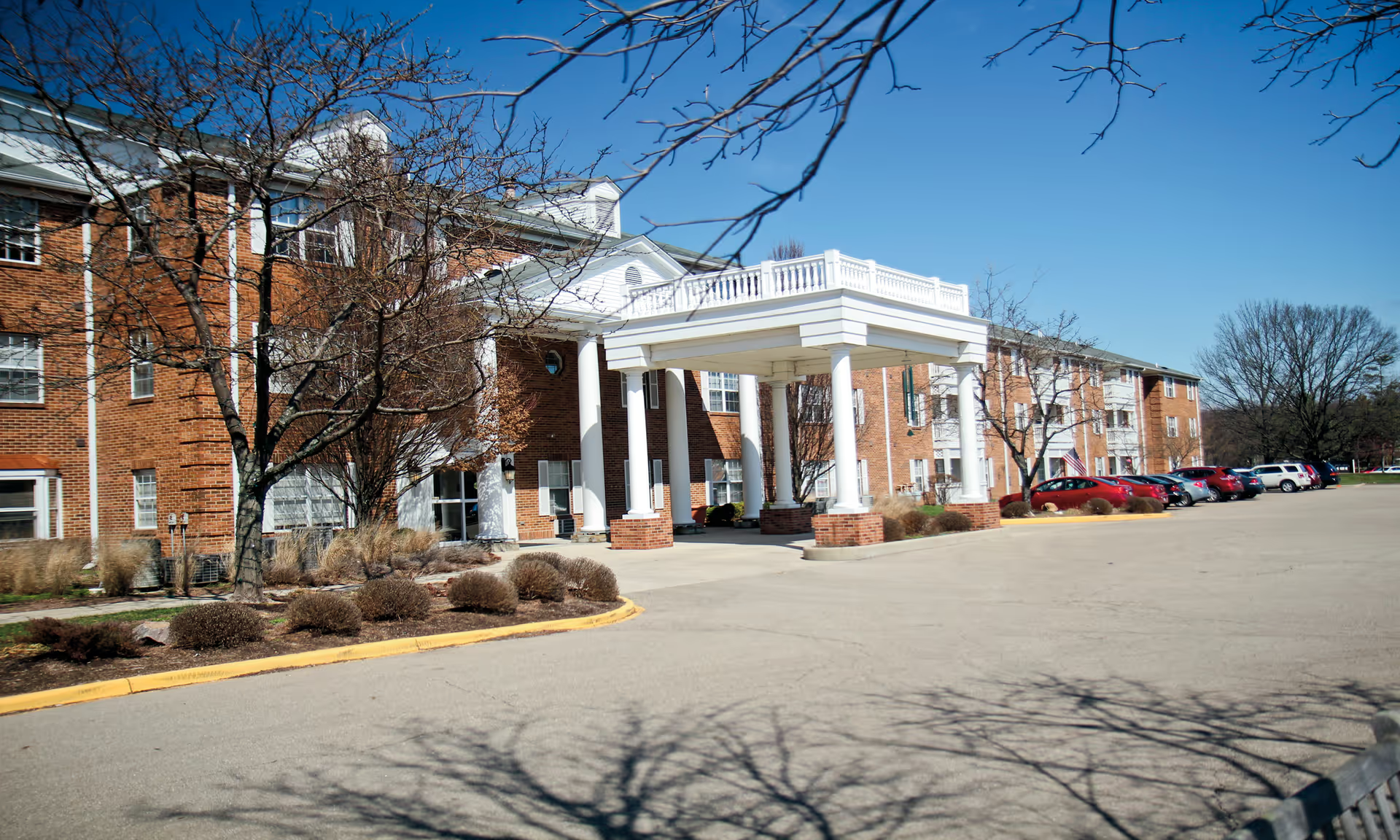
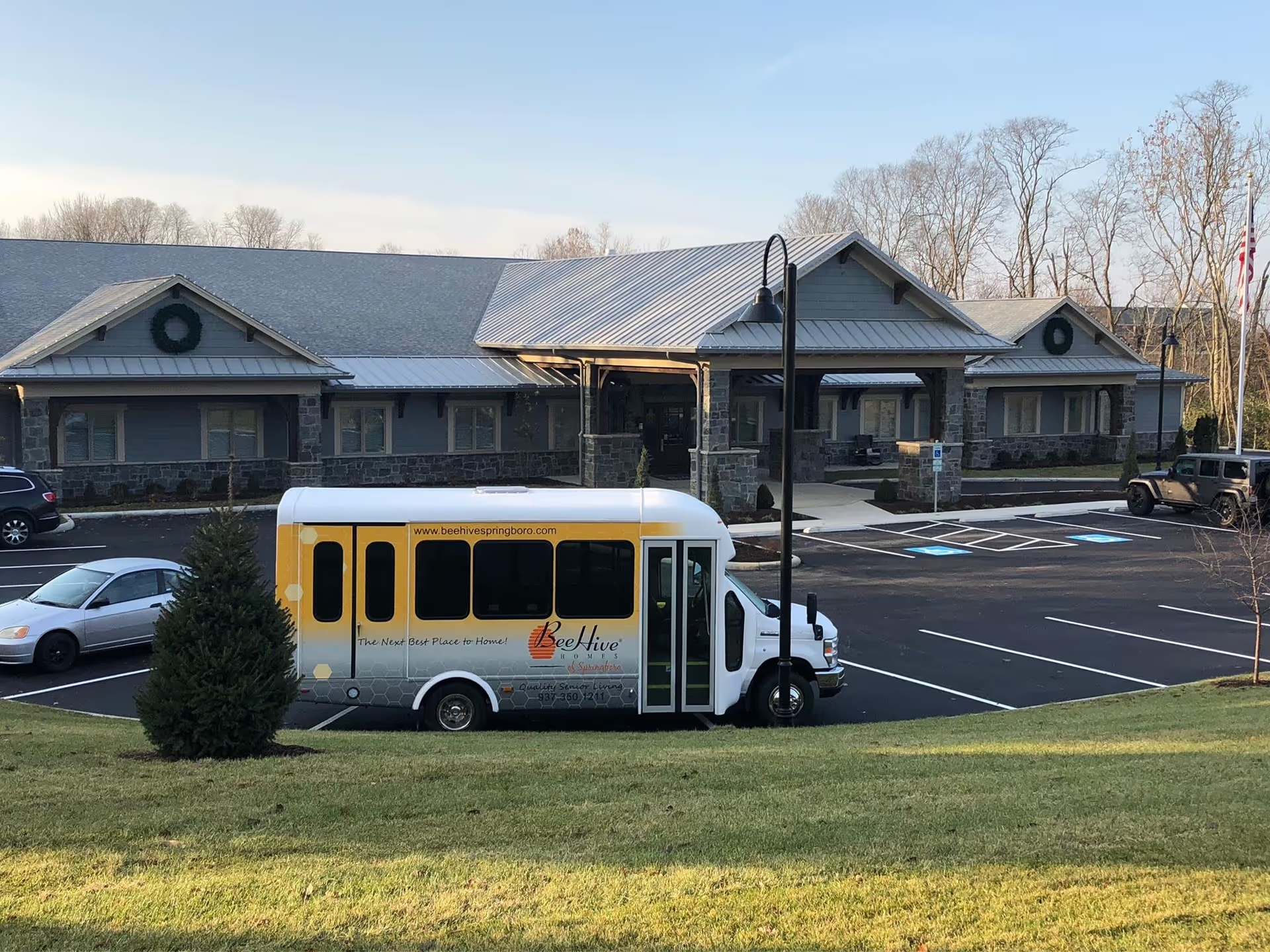
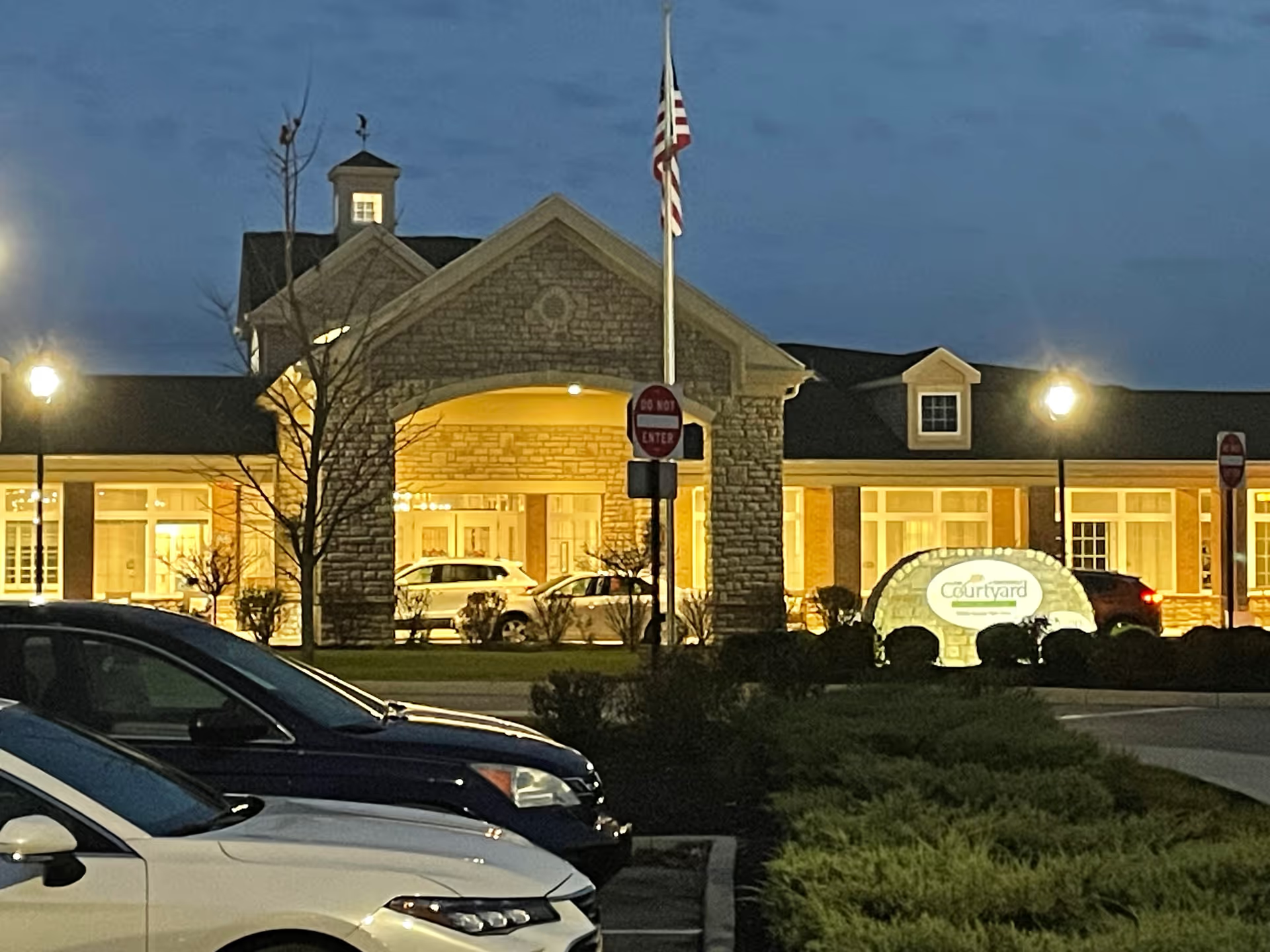
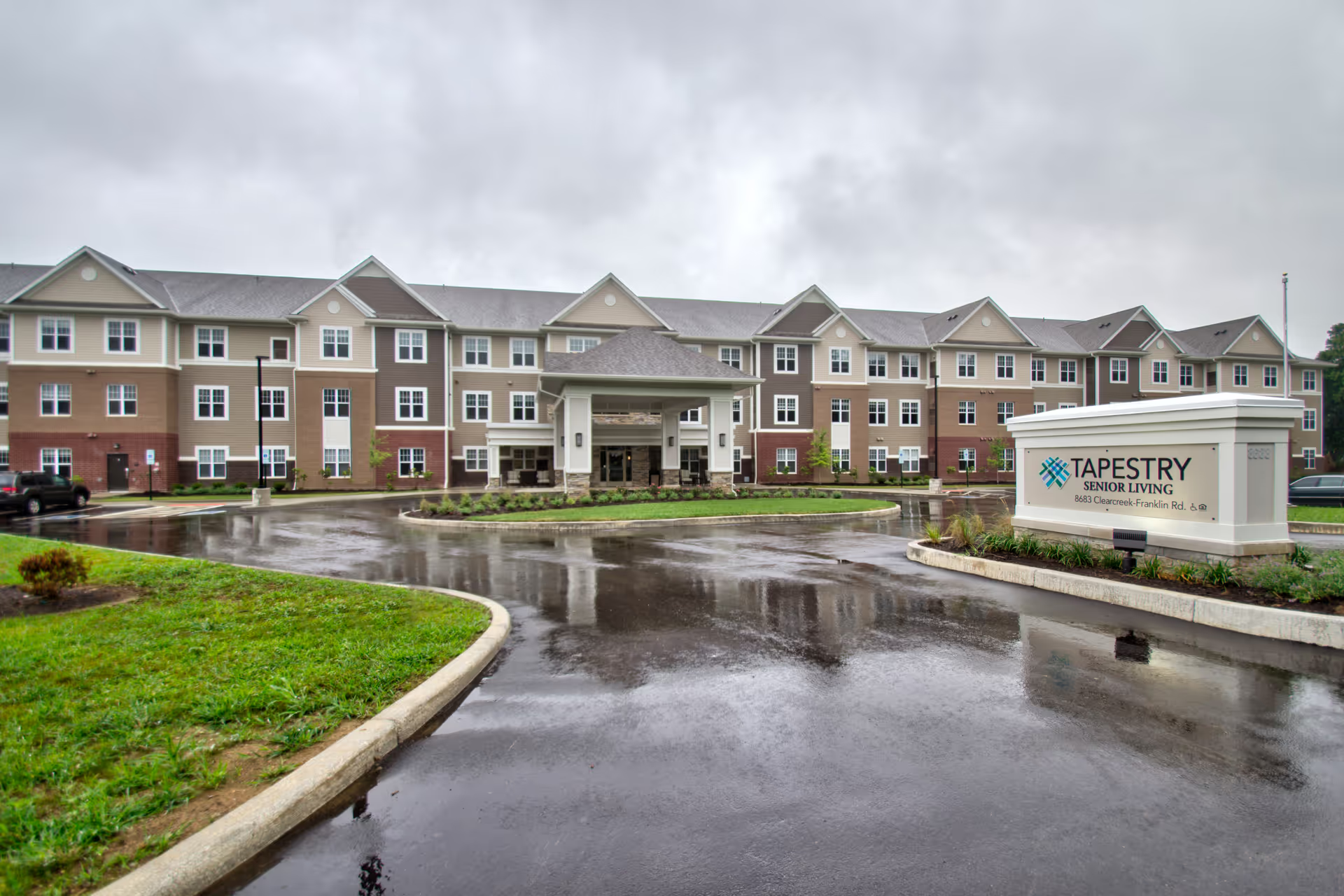
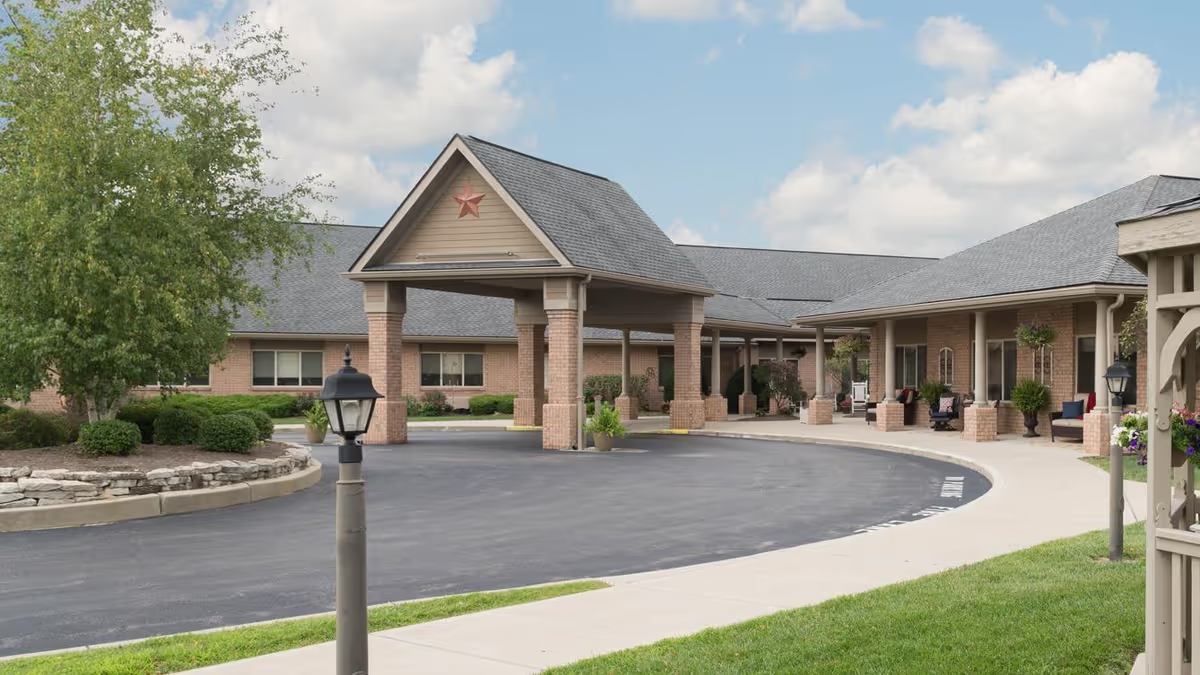
Legacy Miamisburg elicits strongly mixed impressions. Many reviewers praised the facility's physical environment and therapy services: interiors are described as bright and recently refreshed, private rooms are spacious and equipped with internet and wall-mounted televisions, bathrooms are accessible with grab rails and large showers, and the grounds and outdoor spaces are viewed positively. The on-site rehabilitation team and therapy staff receive consistent commendation for restoring mobility and advancing recovery. Nursing aides and some nursing leaders are characterized as compassionate and attentive in numerous accounts.
At the same time, a number of operational and clinical concerns recur across reviews. There is a pattern of inconsistent care quality between shifts, linked to chronic understaffing and high turnover. Reported operational weaknesses include delayed or missed medication administrations, confusion around medication schedules, and gaps in documentation. Reviewers also described delayed responses to call lights, inconsistent wound-care dressing schedules, and instances where physicians' orders were not followed consistently. A small but serious set of accounts raises concerns following a resident's death and describes hospital transfers for infection and nutritional problems; these reports underscore variability in clinical oversight.
Dining and housekeeping present a mixed picture. The dining rooms and private dining spaces are generally well-appointed, and some reviewers found the meals satisfactory, while others described frequent meal-ticket errors, repetitive menu items, issues accepting family-brought food, and uneven food quality. Housekeeping is noted as available and effective by some families, yet other reviews cite sanitation and pest-control concerns, inconsistent laundry and bedding practices, and room-level cleanliness problems.
Staff conduct and communication are another point of divergence. Several reviews highlight caregivers, therapists, and specific staff members as responsive, respectful, and communicative; others describe lapses in professionalism such as cell-phone distraction, sleeping on duty, and unresponsiveness during after-hours calls. Family communication, especially evenings and weekends, is described as unreliable in multiple accounts. Leadership turnover and ownership changes are repeatedly referenced, with some reviewers reporting improvements under new management and others describing continued instability and unresolved complaints.
Safety-related themes appear across reviews: concerns about fall prevention and transfer protocols, inconsistent use of bed or chair safety devices unless specifically requested, and patterns that reviewers interpreted as insufficient monitoring. Given the polarized feedback, prospective residents and families should verify current staffing levels and management stability during a visit, meet nursing leadership (including the director of nursing), review recent state inspection results, ask about medication-administration checks and wound-care protocols, and observe evening or night shift operations if possible. Legacy Miamisburg offers strong rehabilitation resources and attractive physical amenities for some residents, but families should confirm that clinical oversight, staffing, and communication practices meet their expectations before placement.