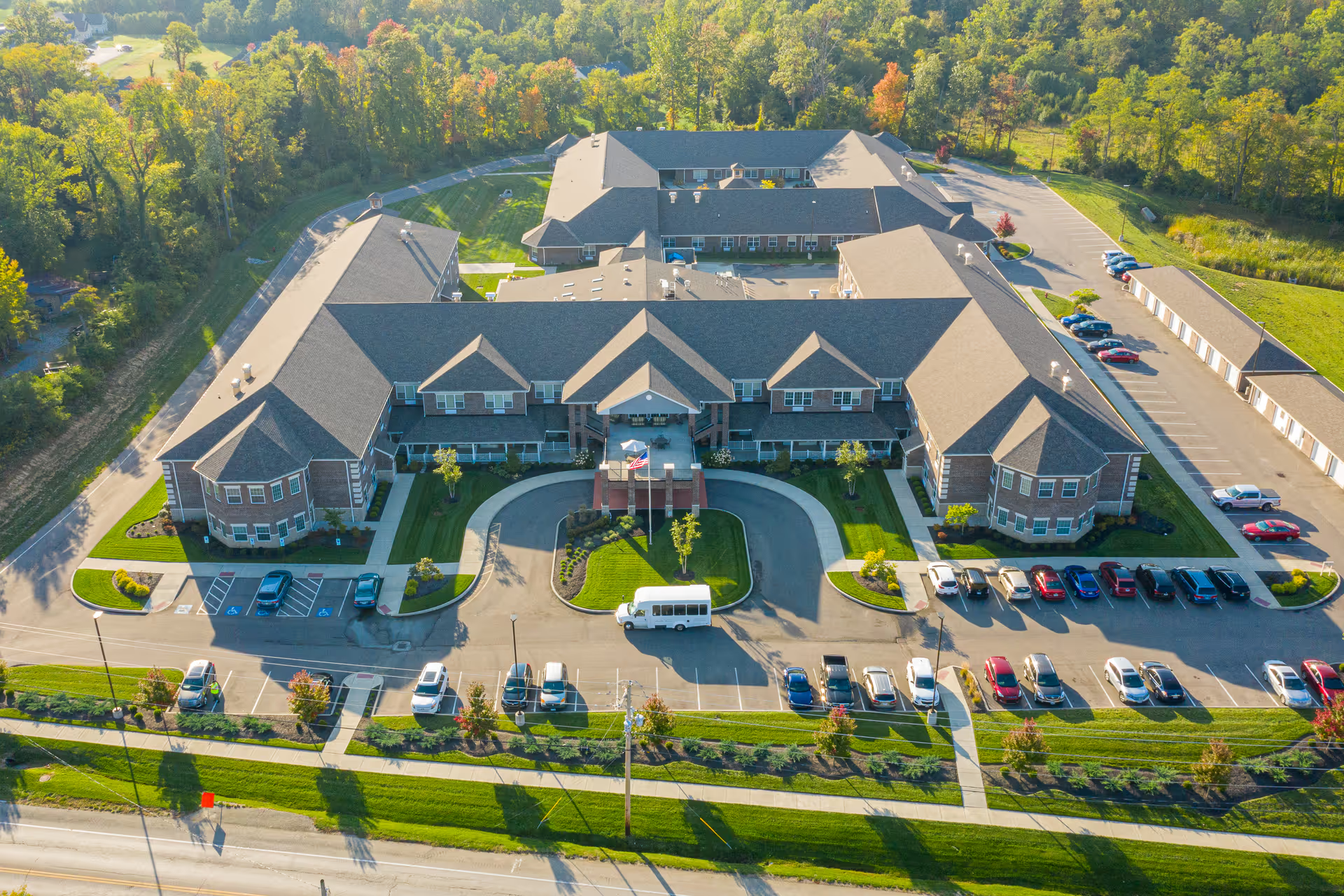
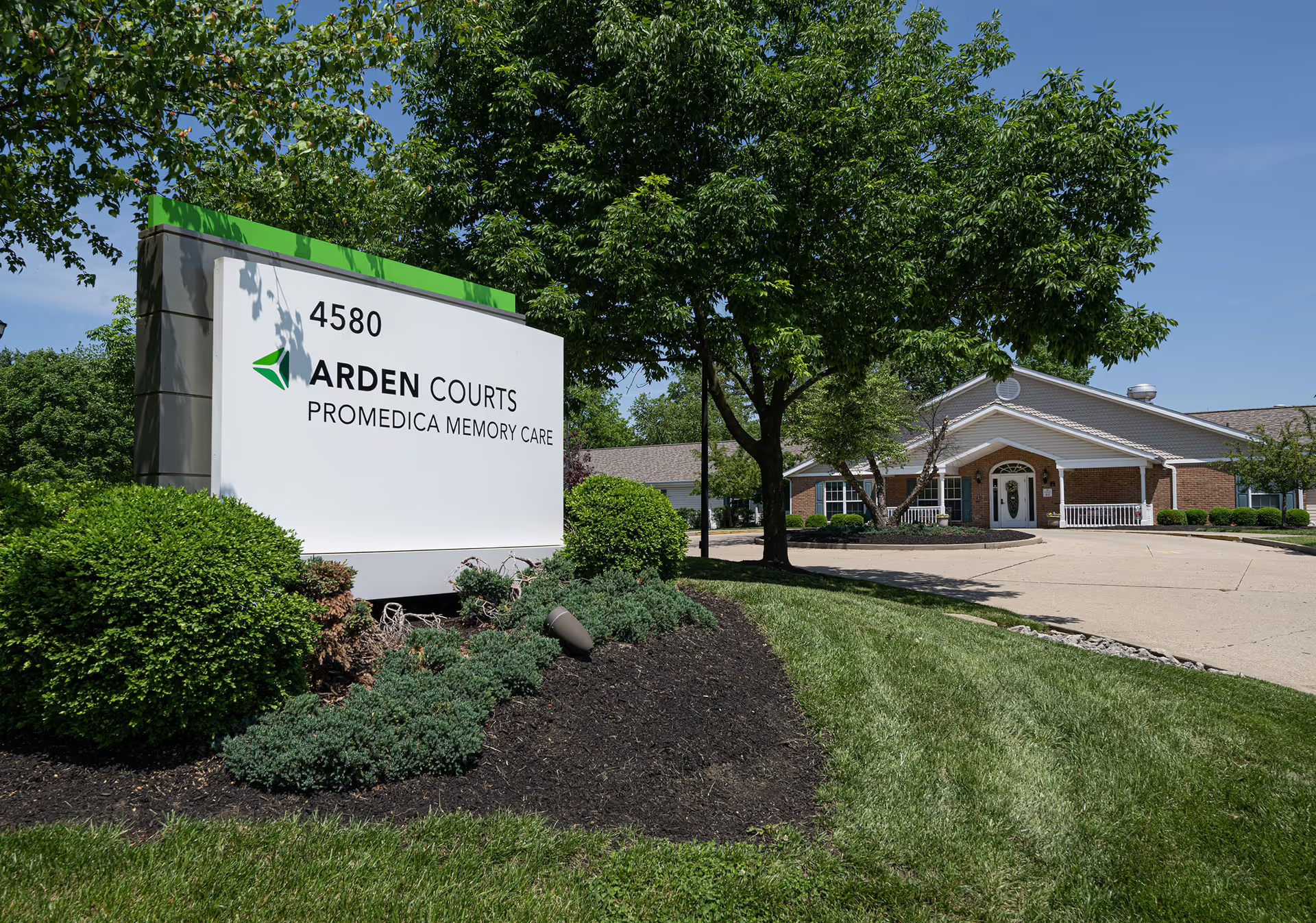
Pinebrook of Milford presents as a generally well-appointed, recently updated senior living community with several operational strengths and some recurring operational weaknesses. Families and residents commonly describe the staff as compassionate, attentive, and capable of delivering personalized attention; daily wellness checks, individualized engagement, and small-community dynamics were frequently cited as contributors to improved mood and increased social interaction. Clinical supports include dementia-trained personnel and on-site hospice availability, which some families identified as important strengths during advanced-illness stages.
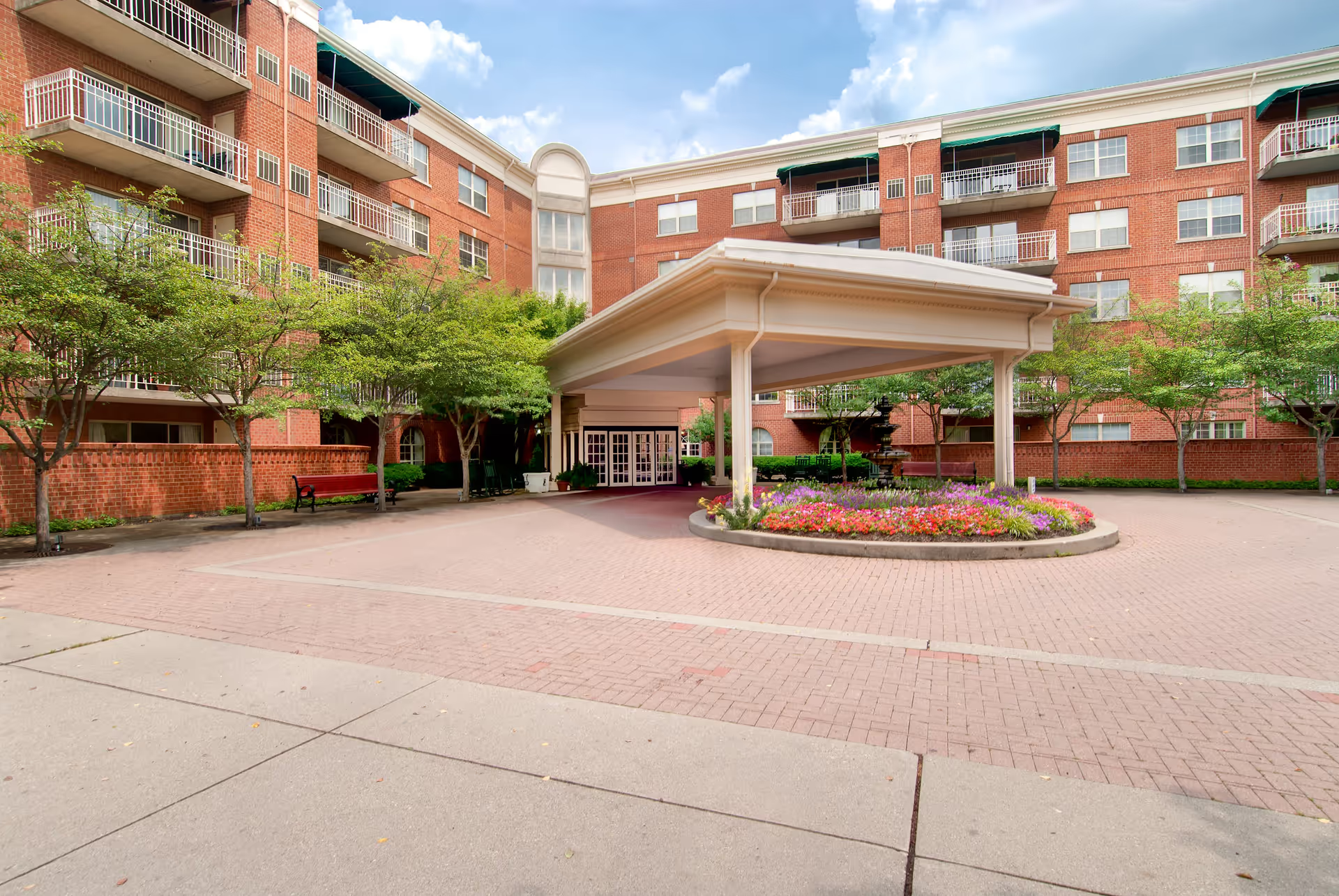
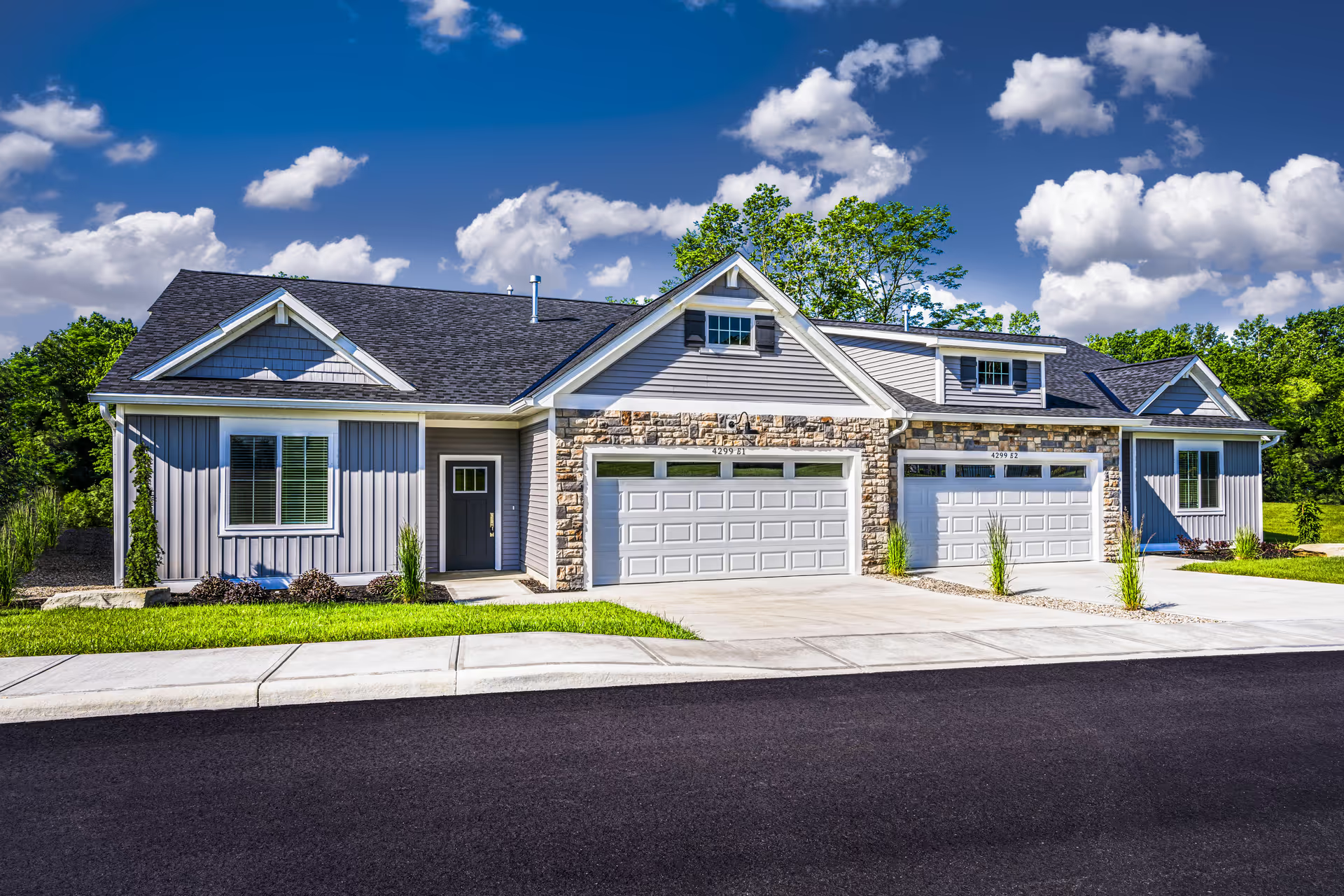
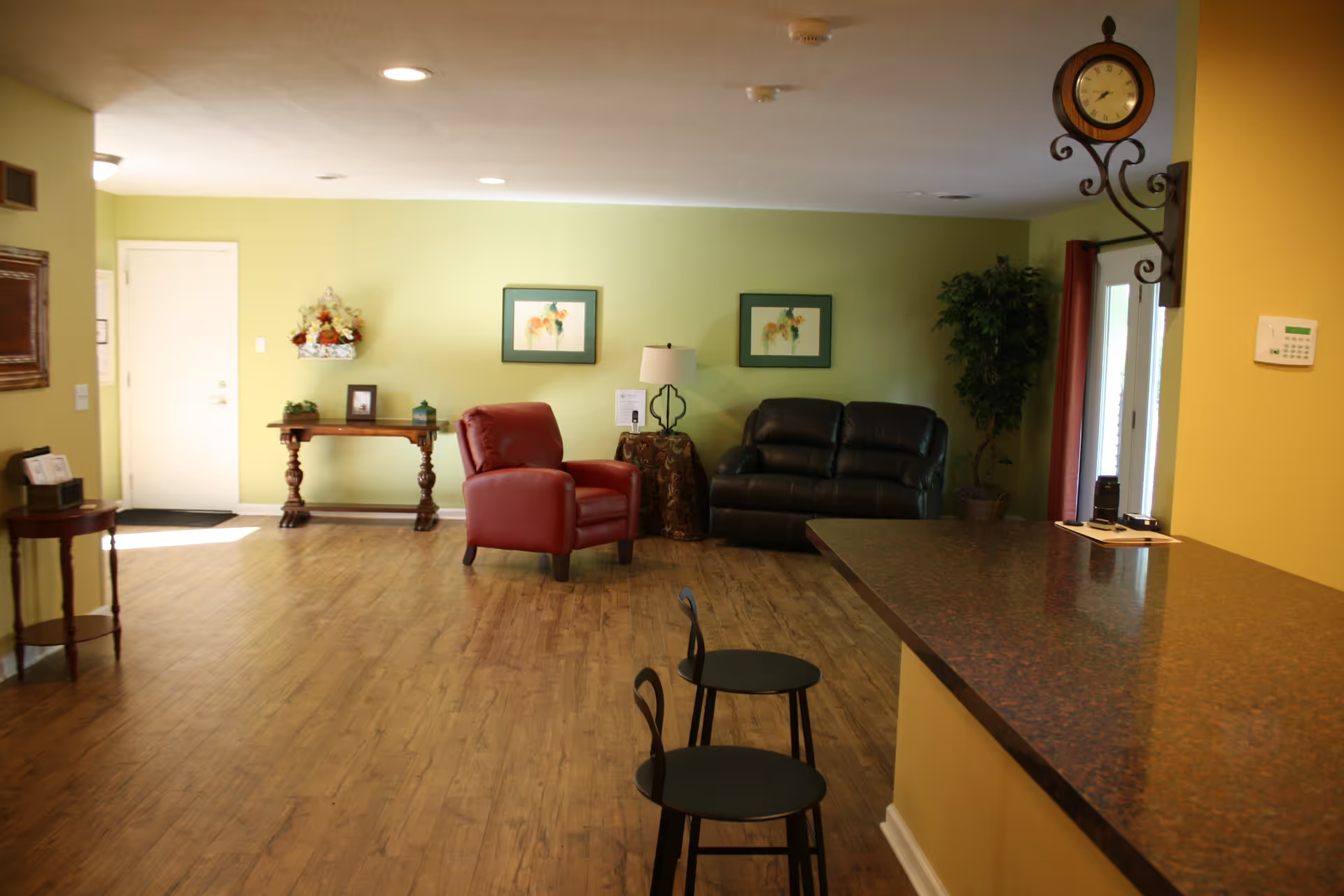
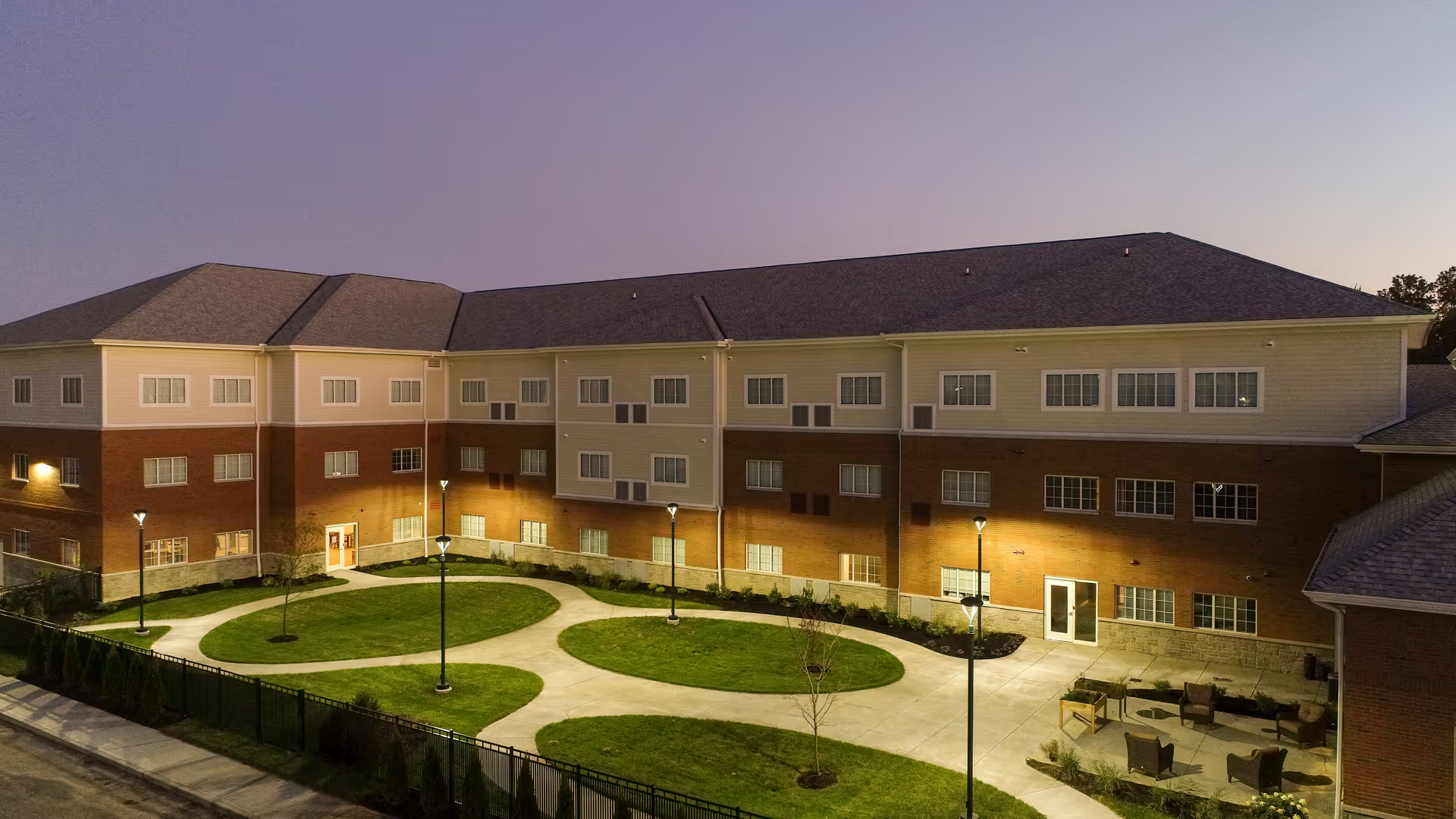
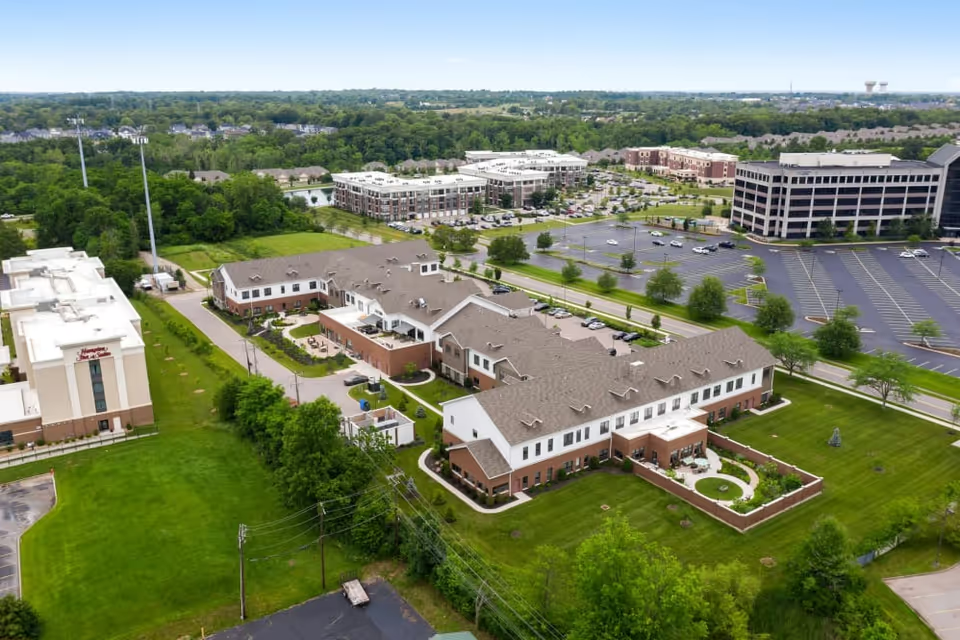
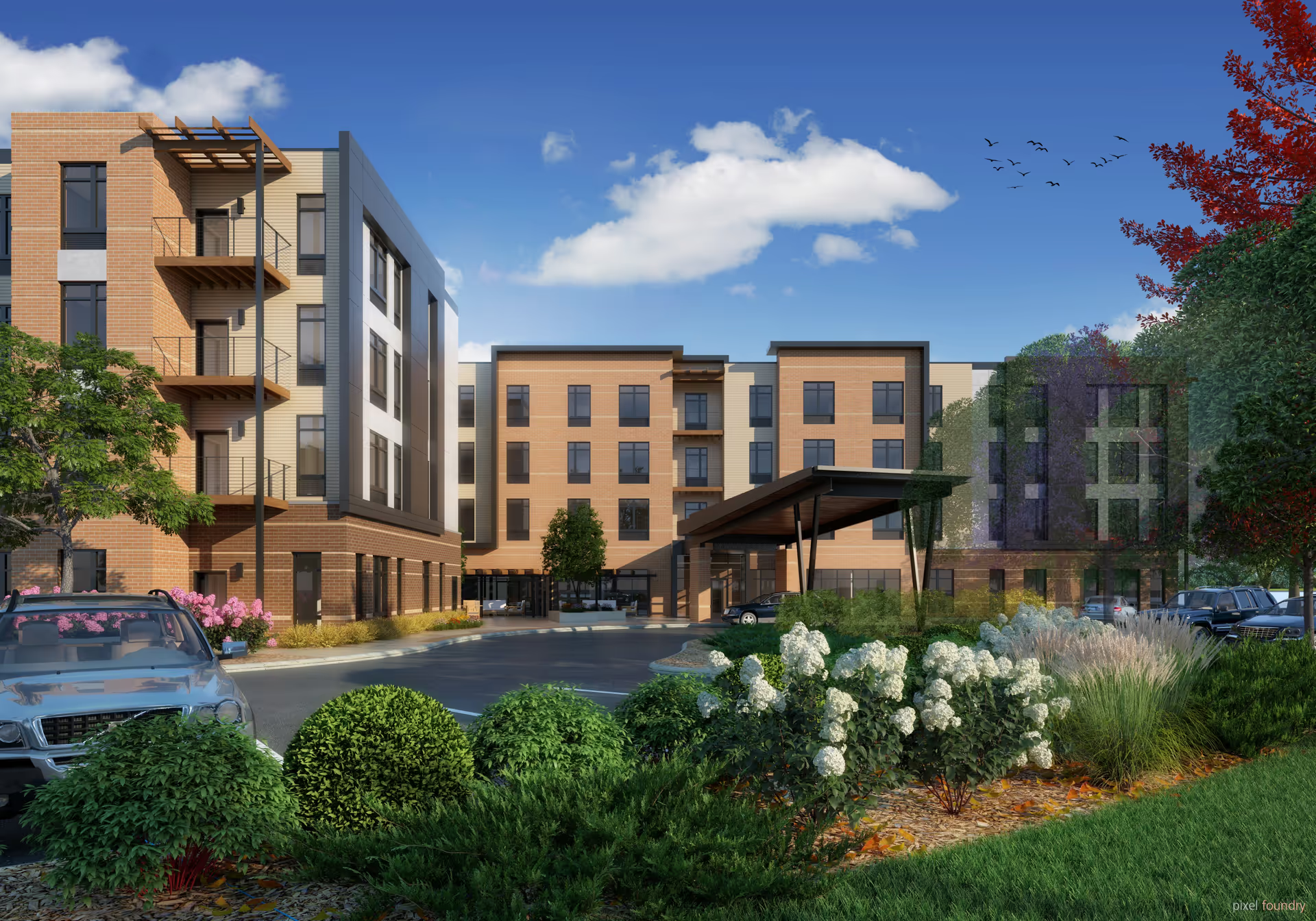
The community offers a broad activity program and numerous amenity spaces. Reviewers highlighted a wide range of programming — arts and crafts, music nights, Wii bowling, exercise classes, group outings, movie nights, and social events such as happy hour and wine tasting — as well as practical amenities including a salon, fitness/therapy area, library, general store, and laundry/housekeeping services. Apartments are often described as spacious and well-equipped (kitchenettes, large bathrooms), with safety features in assisted-living units. The facility’s design and common areas are generally viewed as clean, modern, and hotel-like, and transportation to medical appointments and local shopping is available.
Dining and food-service continuity emerge as the clearest area of concern. Multiple accounts point to inconsistent meal quality and service models (cafeteria-style service at times), menu item shortages, long waits, and variability tied to changes in kitchen leadership or outsourced dining arrangements. While some families praised hot meals and an extensive menu, others found the culinary experience uneven and, in some cases, below expectations.
Operational reliability and administration are mixed. Several reviewers described staffing shortages, frequent turnover, and a learning curve for new hires; these factors were associated with slower responsiveness, uneven front-line knowledge, and occasional organizational disarray. There are also notes of management transitions and administrative errors that have affected family trust in isolated cases. Communication gaps were reported around activity scheduling and resident onboarding: activity calendars were sometimes hard to read or distributed mid-month, and introductions and orientation for new residents could be improved.
Cost and value perceptions vary. Some families considered Pinebrook reasonably priced given the level of service and amenities; others found it relatively expensive, especially when ancillary charges (medication fees, activity fees, tiered price increases for higher levels of care) were factored in. Additional operational items to consider: parts of the campus (including older sections or memory-care connections) may require outdoor transitions, and maintenance or cosmetic standards were described as uneven between areas.
In sum, Pinebrook of Milford is characterized by strong interpersonal care, a robust activity program, attractive physical spaces, and specialized dementia and hospice supports. Prospective residents and families should weigh those strengths against recurring concerns about dining consistency, staffing stability, administrative reliability, and overall cost transparency. A focused, in-person tour (including review of recent dining menus, staffing levels at typical service times, and written fee schedules) and a conversation about onboarding procedures would help validate how current operations match individual needs.