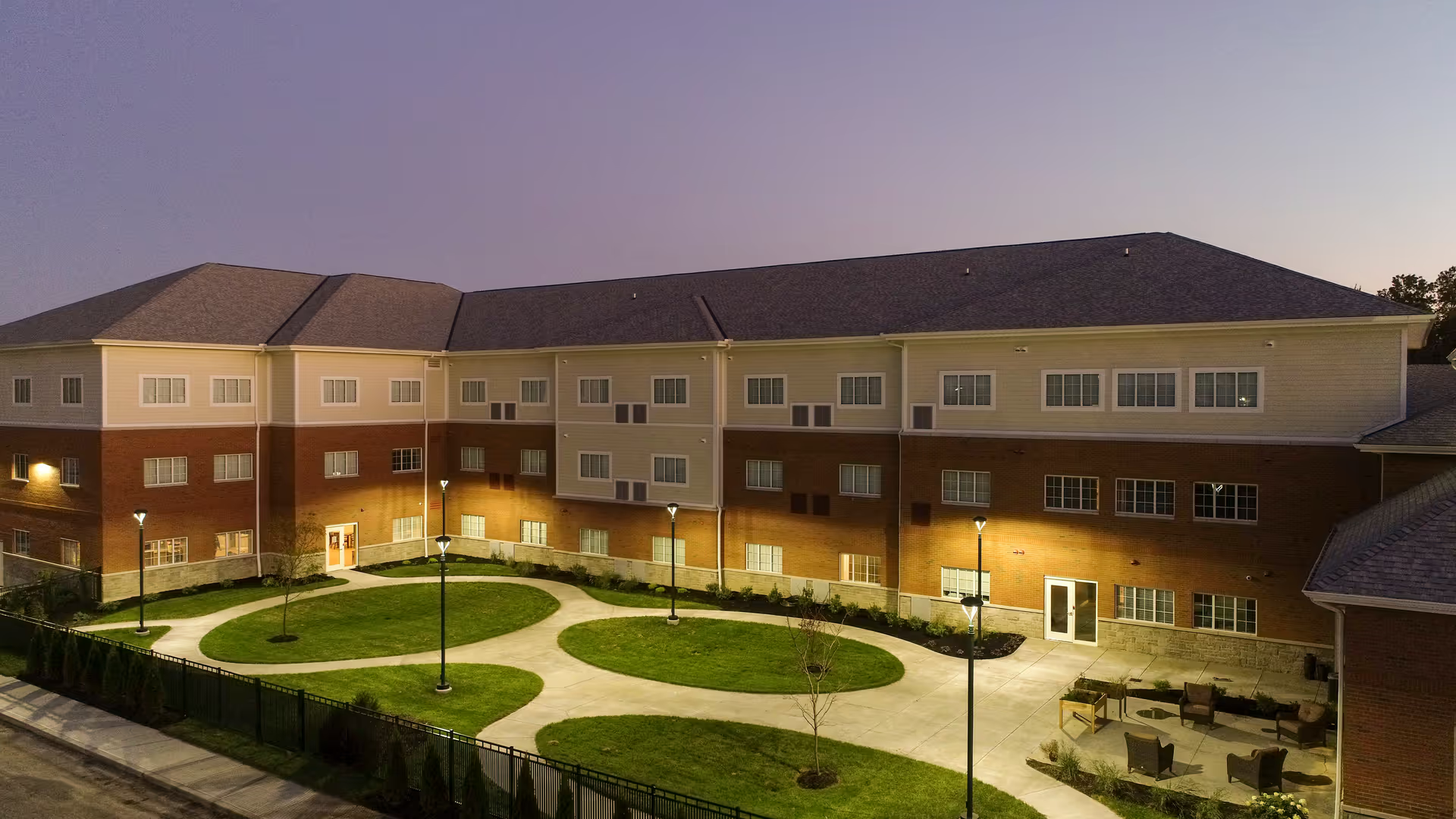
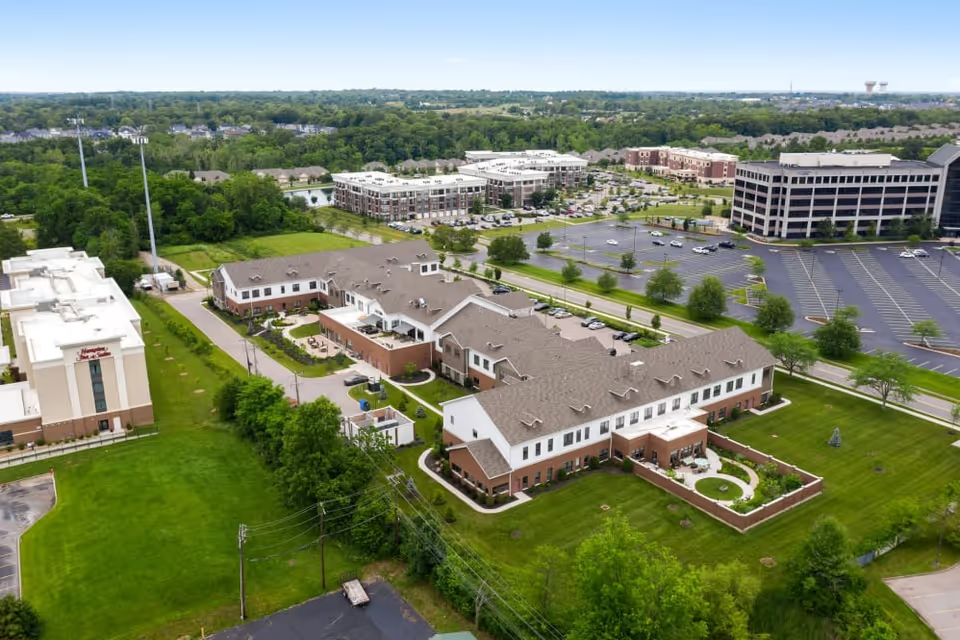
Reviews of The Laurels of Milford describe a facility with a clear mix of strong clinical and social assets alongside operational vulnerabilities. Many families and former residents highlight consistently compassionate, resident-centered staff, strong physical and occupational therapy teams, and attentive nursing aides; these elements are credited with successful short-term rehabilitation and life-saving interventions. Social services, maintenance responsiveness, and a robust activities calendar (pool time, bingo, special events, and celebrations) contribute to a home-like atmosphere and meaningful social engagement for residents.
Counterbalancing those positive reports are recurring operational concerns. Staffing variability and coverage gaps were commonly cited, creating situations where response times, supervision and routine care were inconsistent. Reviewers described lapses in cleanliness and sanitation in resident rooms and shared areas, together with odor concerns and other environmental issues that suggest uneven housekeeping and infection-control practices. Multiple comments point to gaps in medication-management and hospital-to-facility handoff processes, and some families reported delays in clinical escalation when residents’ conditions changed.
Several reviews indicate inadequate training for specific clinical tasks (for example, feeding-tube care and safe transfer techniques), and there are mentions of equipment-use concerns. Communication with families is uneven: while some families praised proactive updates and administrative responsiveness, others experienced delayed or unanswered phone calls and slow notification about clinical changes. The building’s age and maintenance shortcomings were also noted—examples include broken or drafty fixtures and ongoing renovation needs—which can compound infection-control and comfort issues.
There are serious individual allegations that go beyond routine complaints, including concerns about property control and financial safeguards; these are raised strongly enough in some comments to warrant verification through inspection records or administrative inquiry. Additionally, a subset of reviews references significant adverse outcomes and end-of-life concerns; those accounts, together with patterns of inconsistent clinical responsiveness, suggest a need for families to confirm current clinical protocols, staffing ratios, and recent regulatory history when evaluating placement.
In summary, The Laurels of Milford appears to offer strong rehabilitation services, many compassionate caregivers, and an active resident life program, but also demonstrates variability in operational consistency—particularly around staffing, sanitation, medication handoffs, and family communication. Prospective residents and families should weigh the facility’s rehabilitative strengths and activity offerings against the reported facility-level weaknesses, and seek direct, up-to-date evidence of staffing levels, infection-control practices, medication protocols, and administrative follow-through during tours and follow-up conversations with leadership.