The reviews for New Lebanon Rehabilitation and Healthcare Center present a polarized picture: many families and residents praise the facility for strong clinical rehabilitation, compassionate bedside staff, and a warm, community-oriented atmosphere, while others describe operational and clinical gaps that are significant.
Care quality and clinical services: Numerous accounts highlight excellent therapists and positive rehabilitation outcomes, with residents regaining function and returning home. The facility maintains several on-site clinical capabilities (IV therapy, x-ray, routine bloodwork), and many reviewers praised nurses and STNAs for attentive bedside care and emotional support. However, other reviewers raised serious concerns about clinical monitoring and responsiveness in acute situations — including oxygen-management and tracheostomy-related issues — that in some cases led to hospital transfer. These contrasting reports suggest variability in clinical reliability, often linked in reviews to inconsistent staffing levels and response times.
Staff and management: Staffing is a mixed-strength. Many comments emphasize compassionate, family-like staff and a long-tenured administrator who provides continuity. Admissions, maintenance, and certain nursing leaders received positive mention for going above and beyond. Conversely, several reviews describe chronic understaffing, workforce fatigue, and lapses in professionalism (for example, unprofessional language, loud outbursts, and privacy concerns). There are also recurring remarks about weak internal communication — between physicians and nursing and between administration and families — which can exacerbate care and coordination problems.
Dining and activities: The facility’s activities program is consistently described as robust and engaging, with concerts, holiday celebrations, bingo, auctions, and resident council involvement contributing to high morale for many residents. Dining receives largely favorable comments about portion sizes, balanced menus, presentation, and an attentive dietary director; some reviewers likened the dining room setting to a restaurant. Still, others noted inconsistent food temperature, occasional blandness, and service lapses that reduce meal satisfaction on some days.
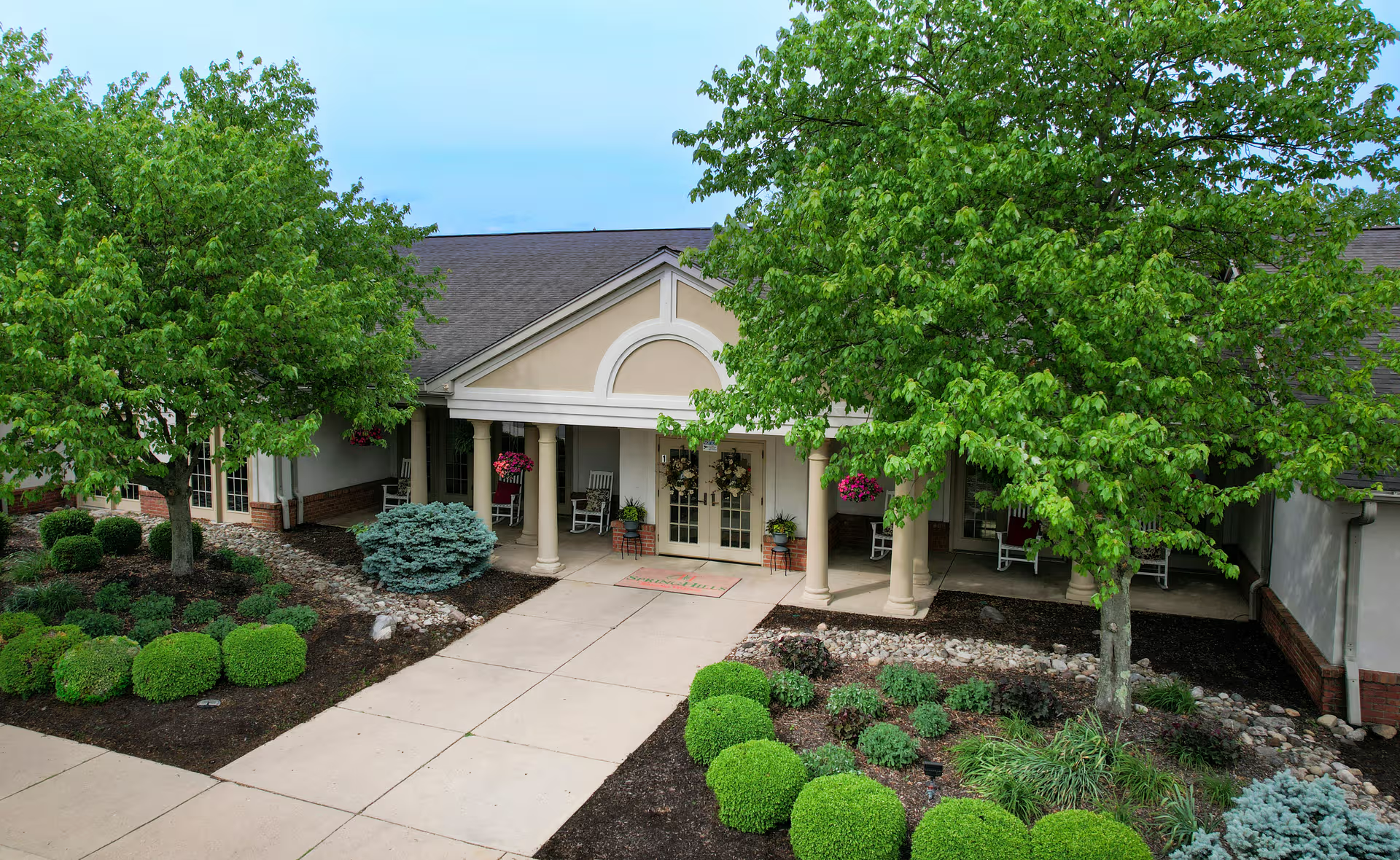
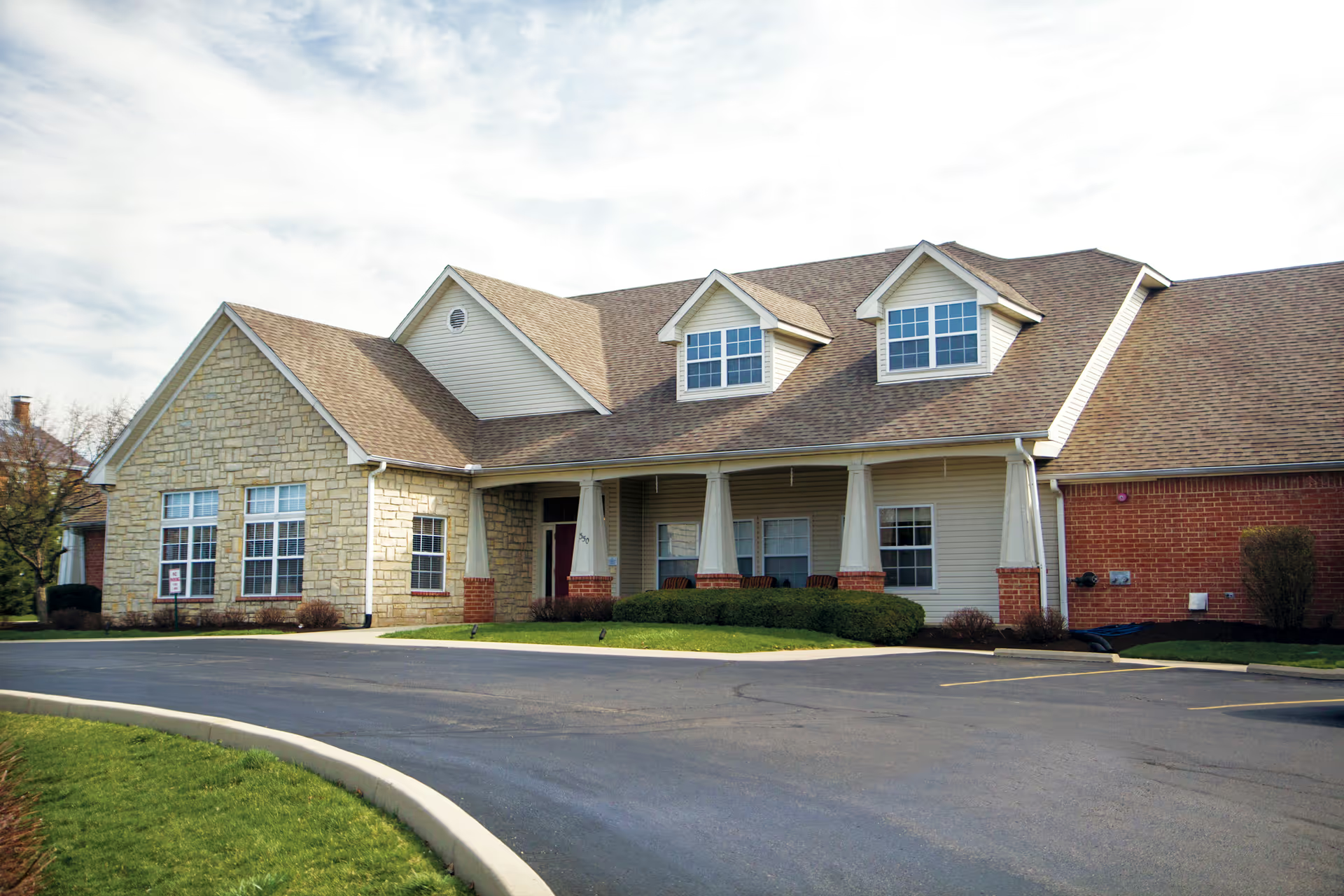
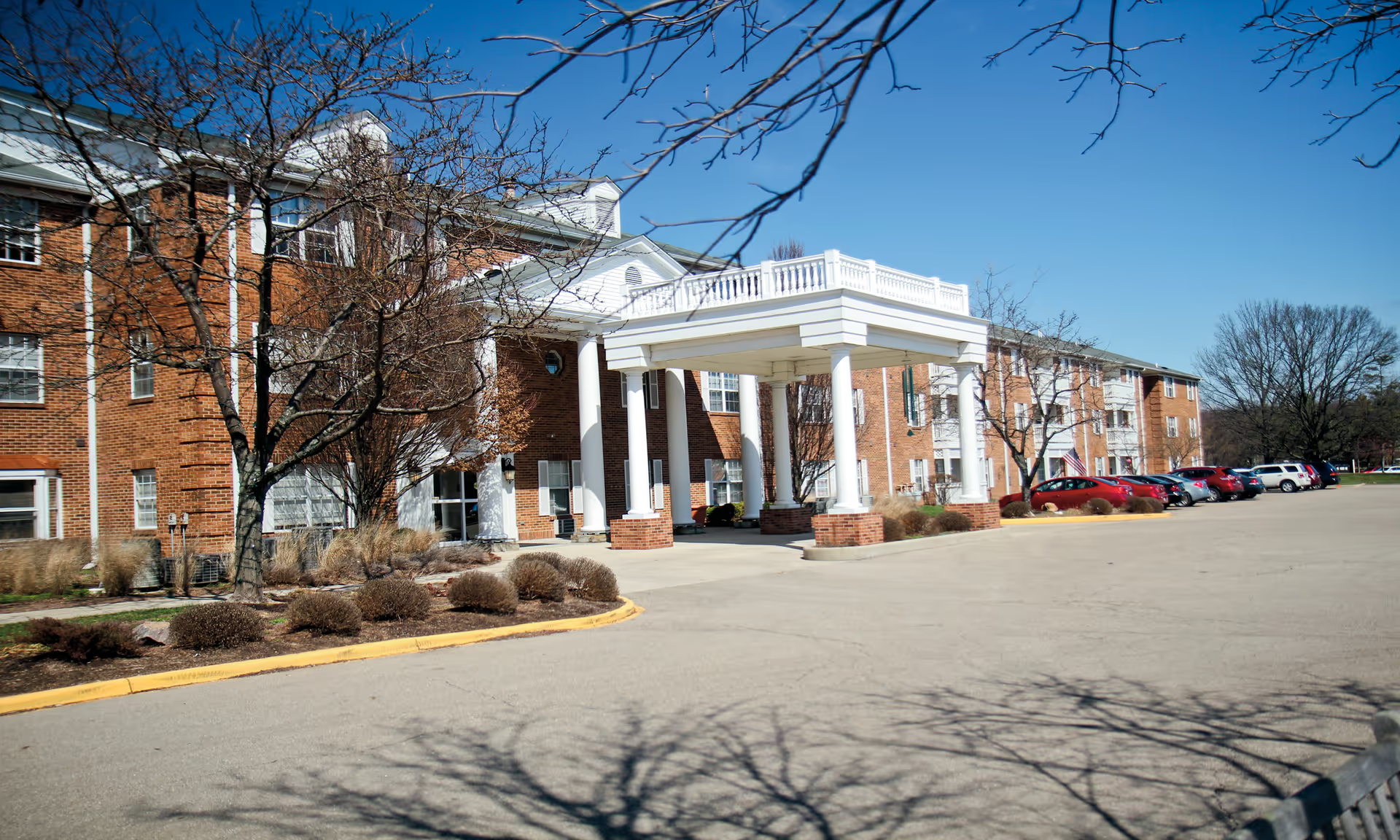
Facilities, cleanliness, and operations: Several reviewers report a clean, welcoming environment and well-maintained communal spaces, while other accounts describe aging infrastructure and deferred maintenance items such as dated rooms, leaking fixtures, and equipment shortcomings. Sanitation and personal-care practices appear inconsistent across shifts, with specific concerns about bathing schedules, incontinence-care delays, laundry turnaround, and unlabeled clothing leading to misplaced items. These operational inconsistencies are often tied to staffing and supervision issues.
Notable patterns and recommendations: The overall pattern is one of strong interpersonal care and effective rehabilitation in many cases, contrasted with episodic but significant operational and clinical failures. Prospective residents and families should weigh the consistent strengths in therapy, activities, and compassionate staff against the possibility of variable staffing, communication gaps, and facility maintenance issues. For families considering this facility, recommended due diligence includes asking about current staffing ratios, supervision practices for complex clinical needs (oxygen, tracheostomy care), medication-administration and documentation procedures, laundry/labeling protocols, and recent maintenance or quality-improvement actions by administration.