Overall impression: Reviews indicate a polarized experience at Continuing Healthcare of Niles, with a clear pattern of strong rehabilitative services and individual staff members who provide excellent, attentive care, contrasted by recurring operational and staffing weaknesses that affect baseline nursing and personal care.
Care quality: The therapy program receives frequent praise for producing measurable functional gains; several families described significant recovery attributed to therapists and rehab equipment. Nursing and aide care is inconsistent: while some staff are described as compassionate and thorough, other accounts describe sizable delays in routine care such as bathing, linen changes, toileting assistance, and wound-dressing maintenance. Concerns about medication- and device-management (timely medpass, unattended devices) appear repeatedly and translate into family anxiety about clinical oversight.
Staff and management: Staffing levels and staff training are repeatedly cited as central issues. Chronic understaffing is linked to long call-light response times, fewer toileting/bathing opportunities, and reduced supervision. Reviews describe variability in staff conduct and professionalism; some employees are highlighted as going above and beyond, while others are described as brusque or unresponsive. Families also identified inconsistent communication from leadership and case-management, occasional delays in discharge planning, and limited responsiveness from administrative leads when clinical concerns arise.
Dining and activities: Food quality is generally described as acceptable, with some residents enjoying meals while others found selections unsuitable. Activity offerings appear limited in some reports but present in others (for example, group activities such as bingo). Therapy-focused spaces — including a gym and rehab equipment — are noted as strengths and contribute to the positive therapy outcomes mentioned above.
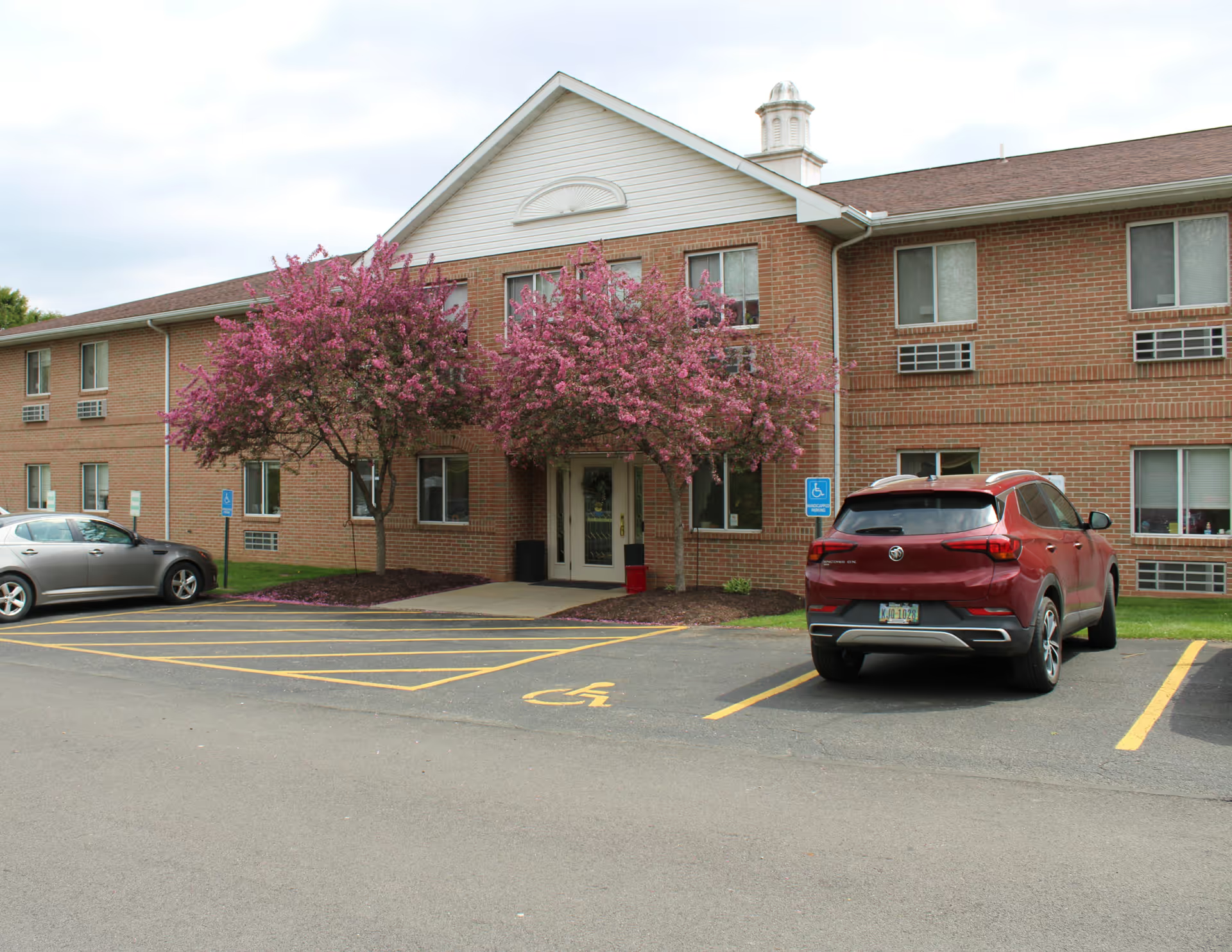
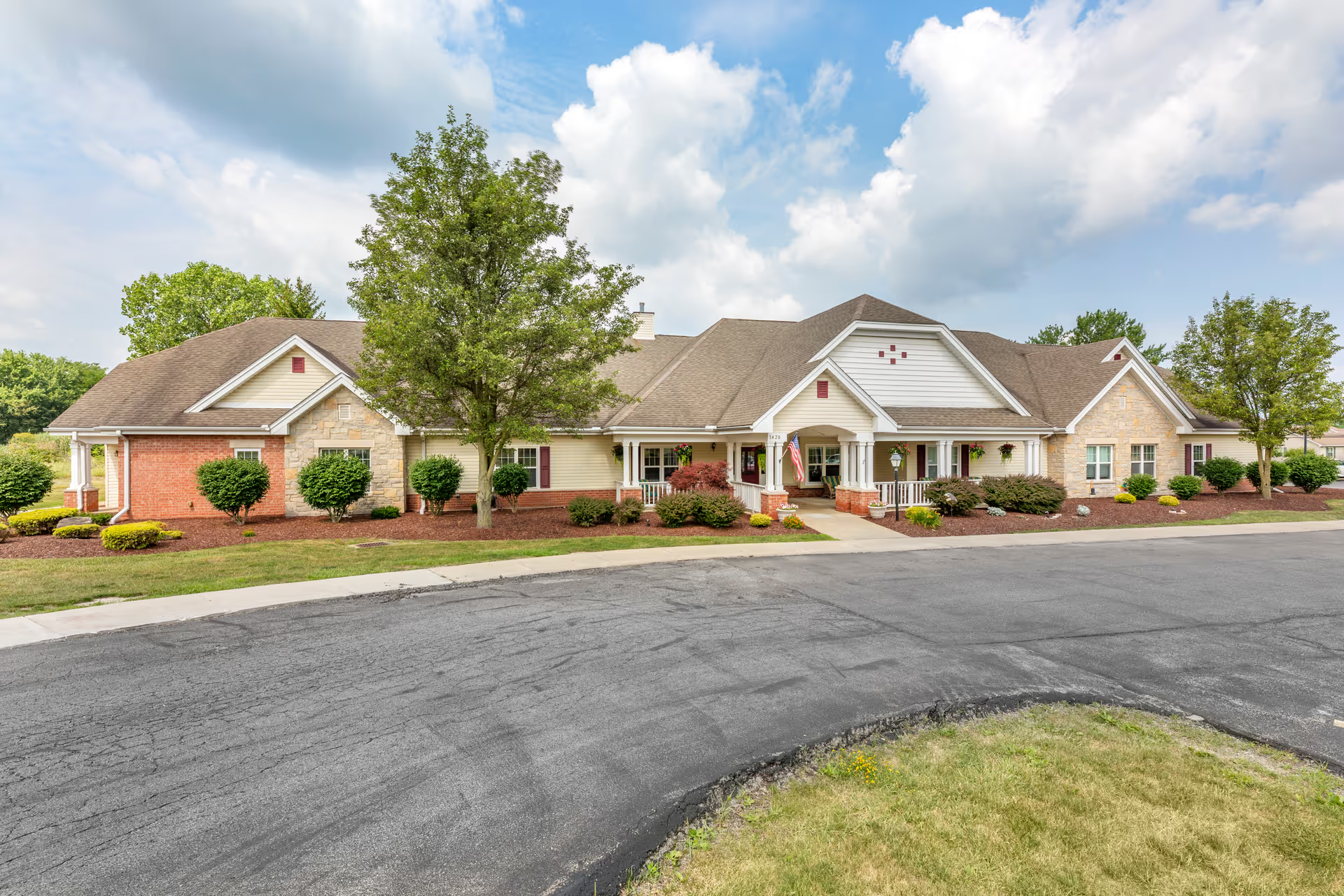
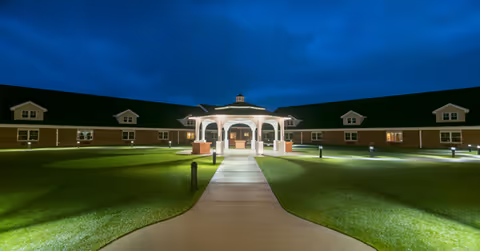
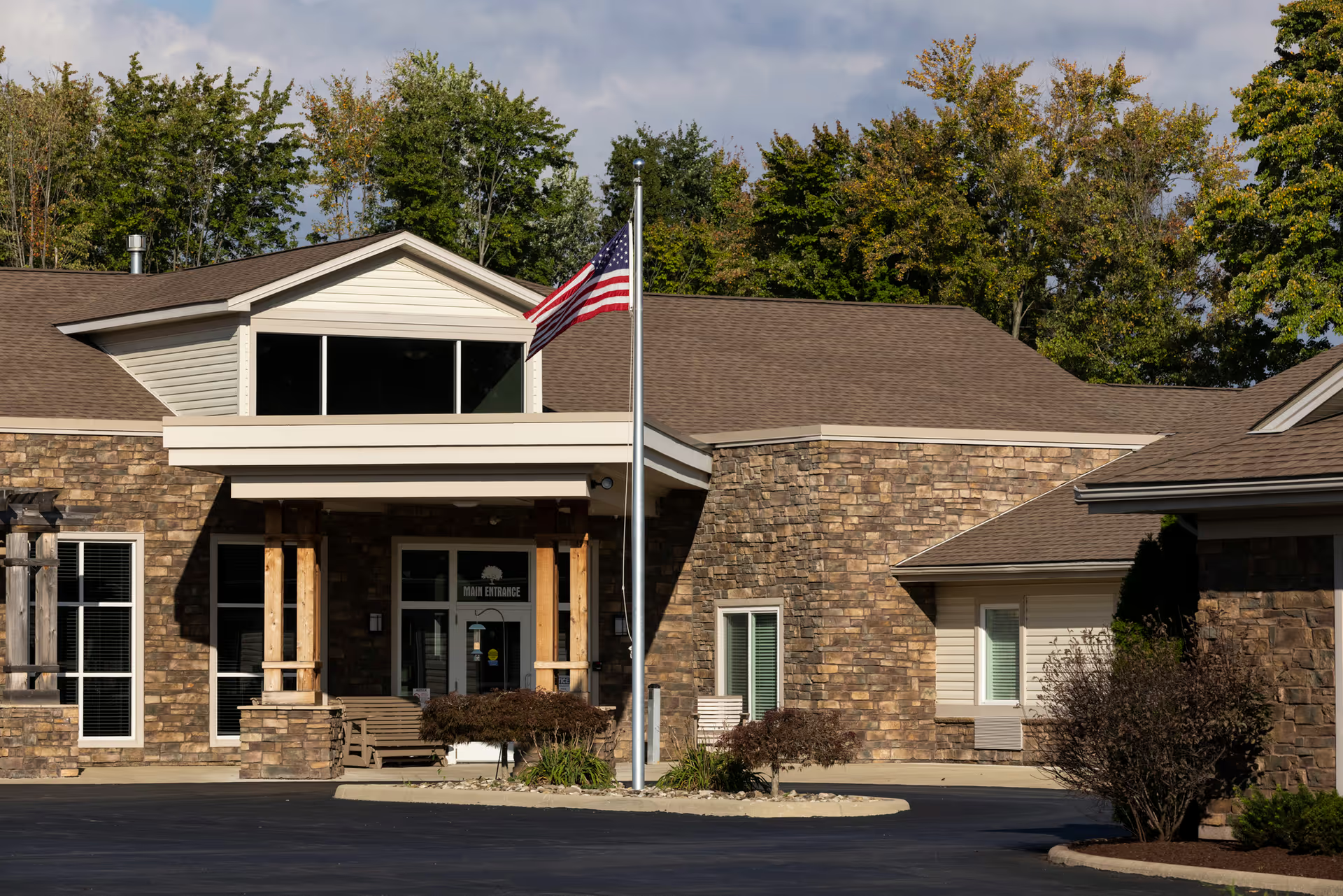
Facilities and environment: The facility includes desirable physical features — large rooms, pleasant décor in parts of the building, and a functional therapy gym. However, cleanliness and odor concerns in certain areas were noted, and reviewers reported variability between wings (with some payer-specific units perceived as better maintained). Some operational friction points were mentioned (locked entries, phone-answering delays) that affect family communication and access.
Notable patterns and practical guidance: The dominant pattern in these accounts is variability: outstanding therapy and dedicated individual caregivers coexist with systemic problems tied to staffing, timely personal care, and communication. Families who had the most positive experiences tended to report close staff engagement or frequent family involvement; negative experiences often stemmed from delayed responses to routine needs and gaps in accountability. Prospective residents and families should weigh the facility's strong rehabilitative capabilities and specific staff strengths against recurring operational concerns, and consider direct conversations about staffing levels, personal-care schedules, medication/device protocols, and payer-unit differences prior to admission.