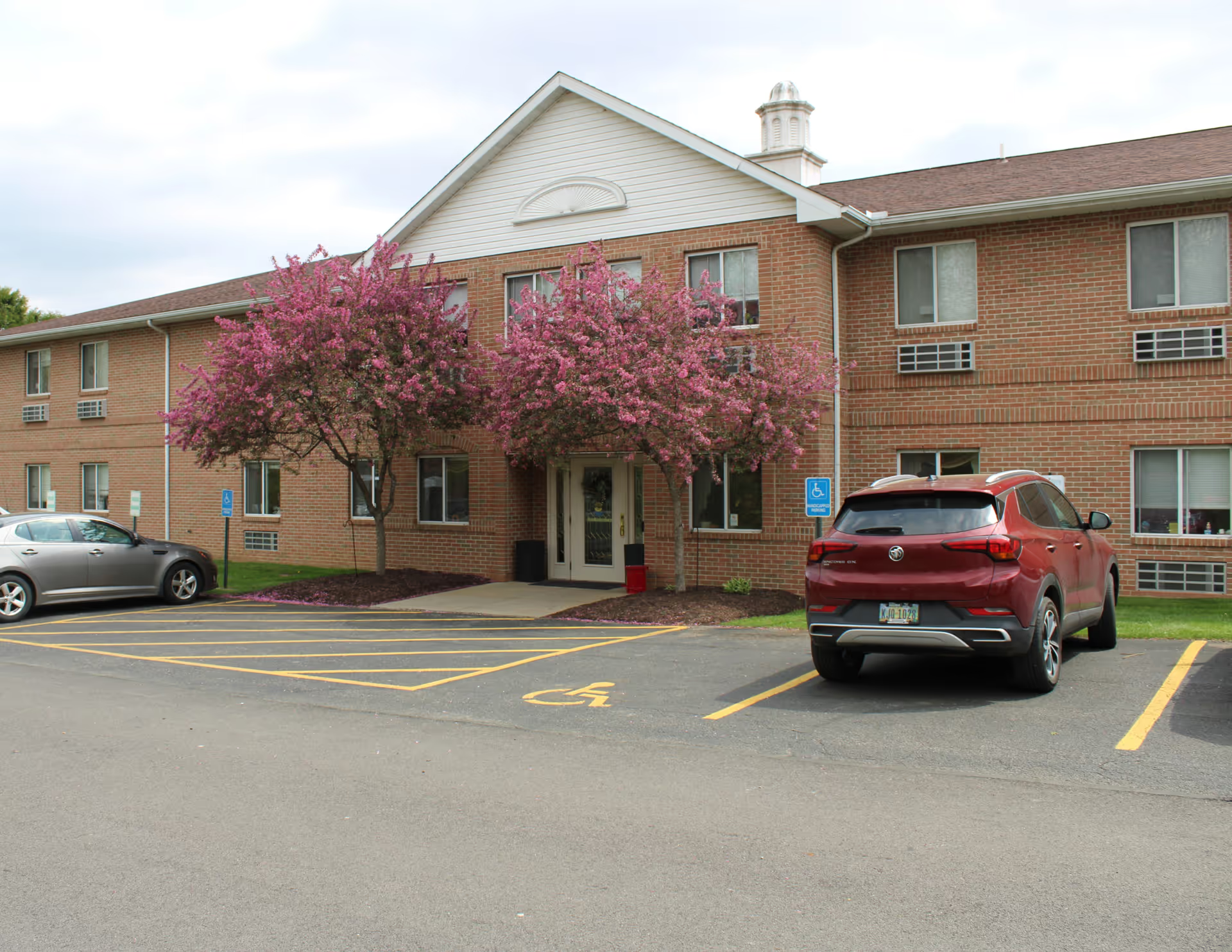
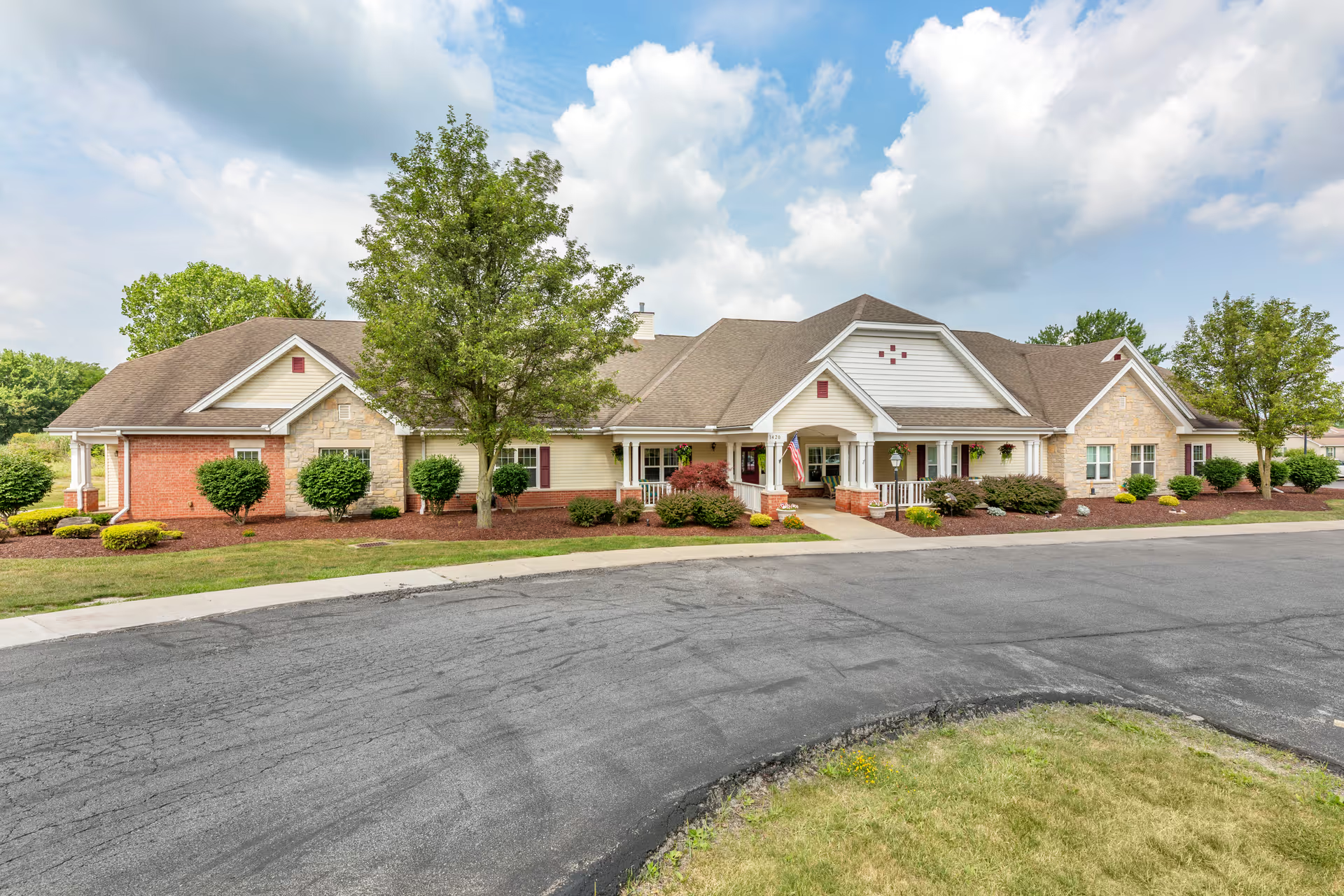
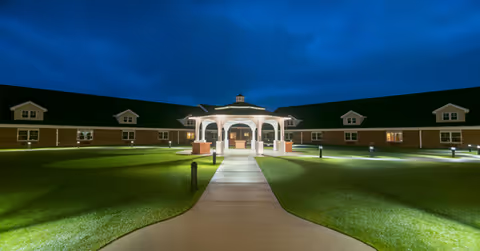
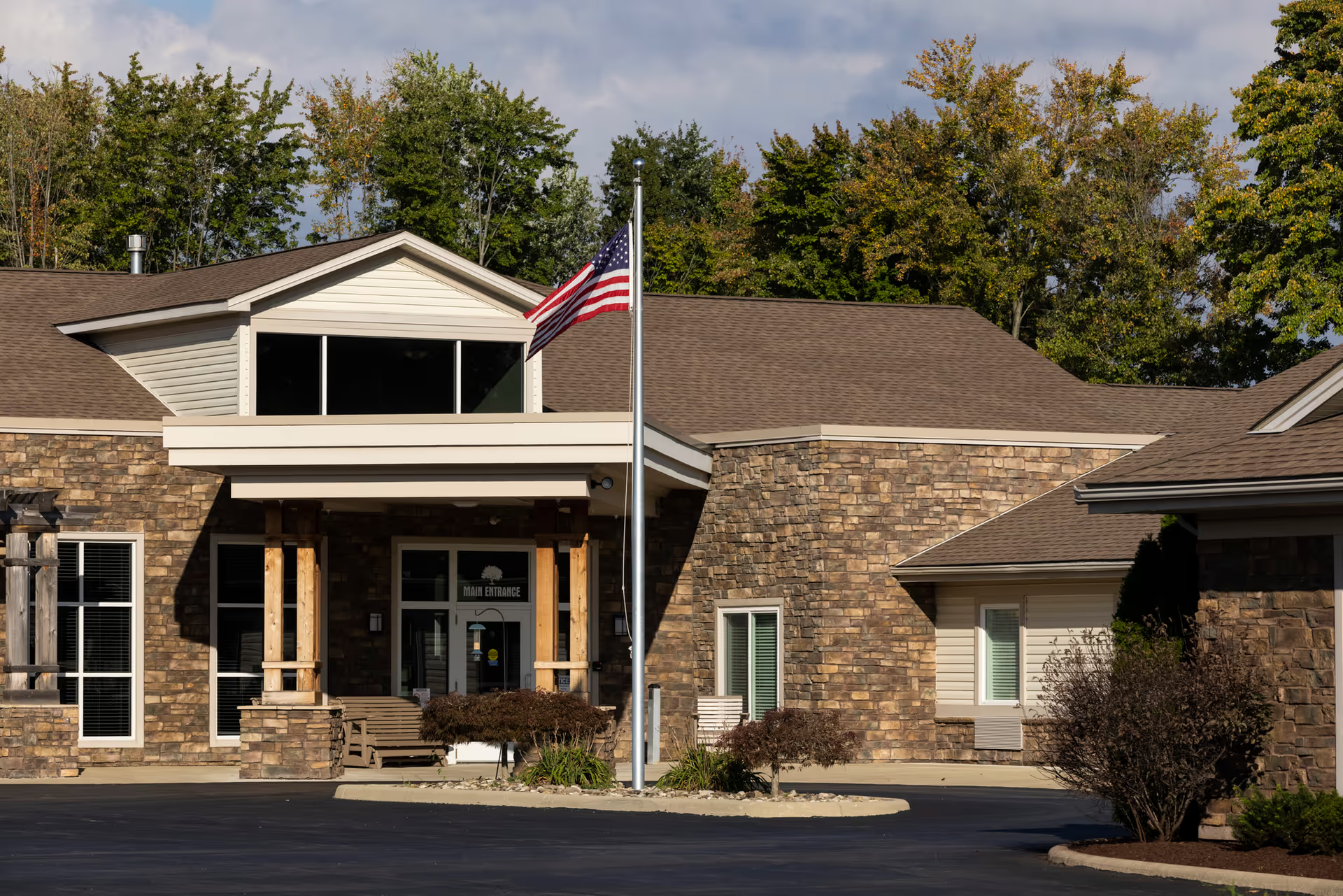
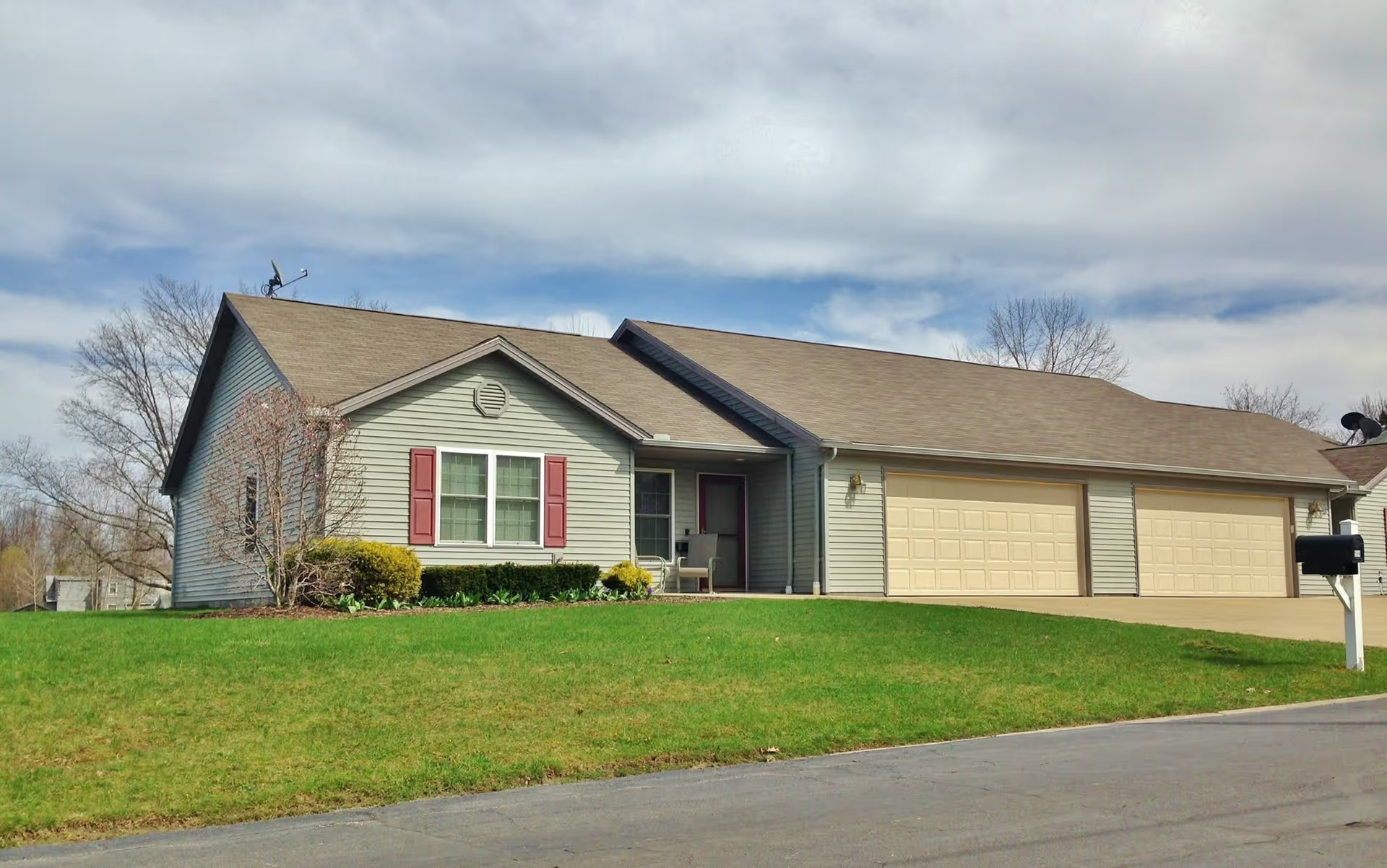
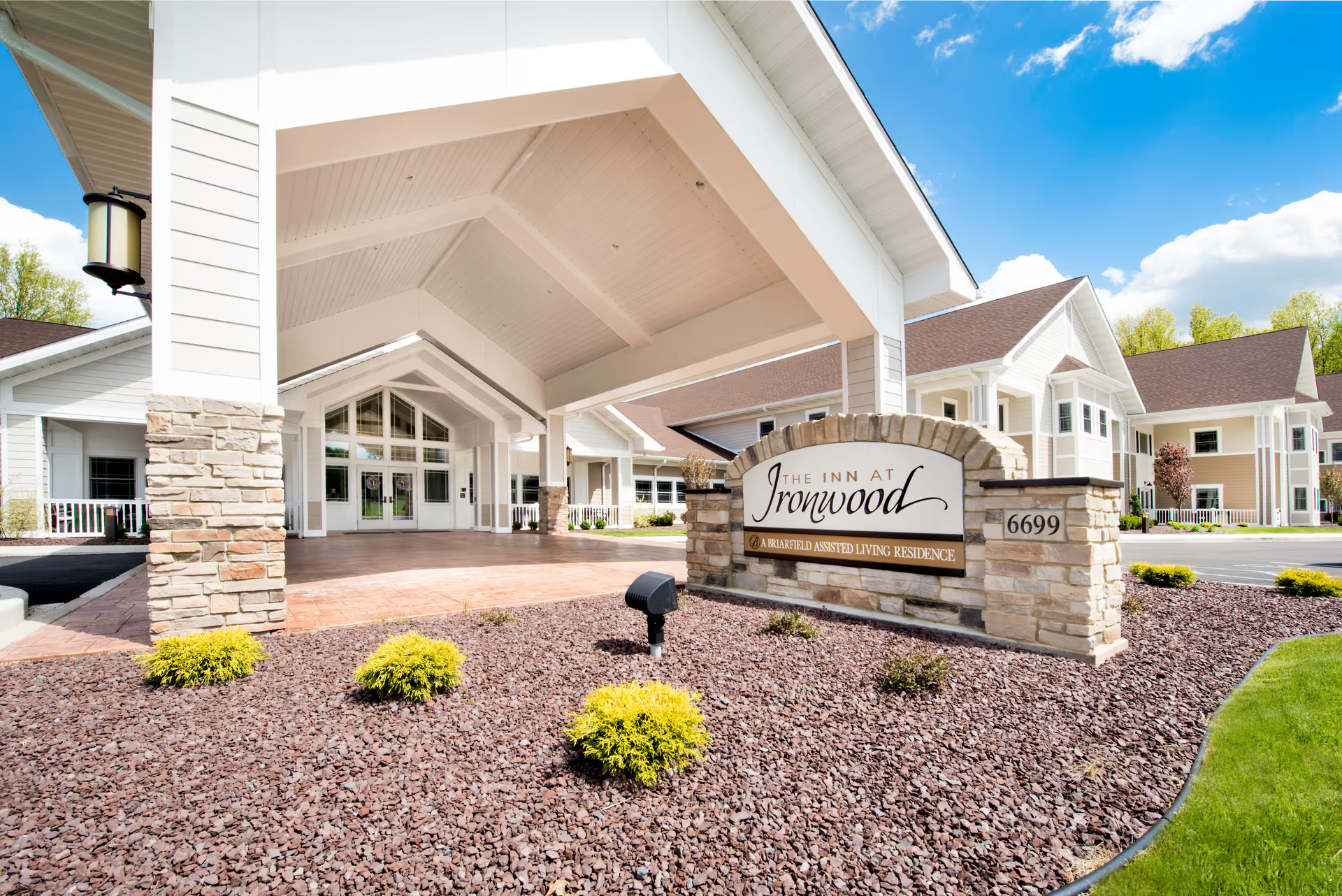
Gracewoods Niles elicits strongly mixed reactions across reviewers. Positively, the facility presents as a small, home-like community (around 38 residents) with a recently remodeled interior, attractive suites, landscaped grounds, and welcoming common spaces including a large TV area and a pleasant porch. Many families describe nurses and care staff as kind, attentive, and familiar with residents and relatives; several accounts emphasize prompt maintenance, smooth admissions, and staff who go beyond assigned duties to provide a family-style atmosphere.
Care quality appears uneven. Numerous reviewers highlight compassionate nursing and individualized attention from certain staff members, while other comments indicate inconsistent aide coverage, delays in assistance, and concerns about the facility’s monitoring practices. There are explicit concerns about gaps in incident documentation and resident monitoring processes (for example, falls or elopement-related management), which suggest variability in clinical oversight and recordkeeping rather than a uniform standard of practice.
Staffing and workforce issues are a recurrent theme. Positive descriptions of committed, familiar caregivers coexist with reports of high turnover, burnout, and inconsistent presence of direct-care staff. Several accounts describe problems with staff responsiveness (unanswered calls, doors not being opened, residents left waiting), and reviewers raised concerns about staff professionalism and accountability. There are also serious personnel-related concerns, including an alleged pattern of discriminatory terminations and at least one account of a clinician resigning citing professional-license protection; these statements point to potential human-resources and leadership challenges that merit inquiry.
Dining and activities show variability. Some families praise the meals as enjoyable with options and request seasonal menu changes, while others describe the food as poor. Activity programming is described as limited by some reviewers, with residents expressing boredom and a desire for more varied engagement; others report basic activities such as bingo and socialization occurring in common areas. This suggests inconsistent implementation of recreational programming and meal-service standards.
Physical facility attributes are generally a strength: freshly painted rooms, attractive decor, and cleanliness are frequently noted, though cleanliness and maintenance appear variable between buildings. The community’s size and layout are often described as appropriate for those seeking a smaller setting. At the same time, several reviewers describe an overall atmosphere that felt depressing or not family-oriented, indicating that resident experience may depend heavily on staffing patterns and management presence.
Management and administration present a mixed picture. Positive mentions include attentive managers and generous corporate support in some cases; negative themes include poor communication with families, unresponsiveness at the owner level, unpaid vendor invoices, and broader administrative or financial-management concerns. These operational and financial questions are raised strongly enough in multiple accounts to warrant direct inquiries by prospective residents or families.
Notable patterns: experiences are polarized—many families report a high level of personal, compassionate care and a comfortable physical environment, while a substantial subset of reviewers describe operational weaknesses that affect safety, responsiveness, and staff morale. Prospective residents and families should consider an on-site visit, ask specific questions about staffing ratios, incident-reporting practices, staff turnover and training, activity schedules, meal planning, and recent financial or administrative changes before making a placement decision.