Stow Glen Retirement Village presents a mixed but clear pattern: many reviewers describe an engaged, compassionate staff in an employee-owned, faith-centered community with a broad activity schedule and on-site clinical support, while other accounts point to operational and cultural weaknesses that affect resident experience.
Care quality and clinical support: Several accounts emphasize competent clinical coverage and useful on-site medical personnel, and the facility’s Alzheimer’s unit receives positive mention for specialized care. For many residents the level of care and end-of-life support was handled constructively; however, other reviewers raised concerns about inconsistent staff engagement, responsiveness, and conduct. There are also comments that workplace culture and morale challenges appear to influence staffing continuity and the day-to-day caregiving environment.
Staff and management: Reviewers frequently note personable, kind, and accommodating staff members and long-term staff relationships. At the same time, there are repeated references to variability in staff quality, unorganized management practices, and communication or scheduling lapses (for example, tour coordination and dining arrangements). These operational gaps are presented as systemic issues rather than isolated events and may contribute to uneven resident experiences.
Dining and amenities: Opinions on dining are mixed. Some families describe good food and satisfactory meal service, while others describe inconsistent or low-quality meals. The dining room and common areas are generally described as well maintained, but reports of restrictive seating practices and variable meal quality suggest that dining policies and execution can be inconsistent.
Activities and social life: Activity offerings are a clear strength. The community hosts a wide range of programs — crafts, bingo, music, exercise, outings, and faith-based services — and provides shuttle transportation for shopping and appointments. These offerings support independent living and social engagement, though some reviewers noted the programming can skew toward residents with lower functional levels and may not meet every resident’s needs.
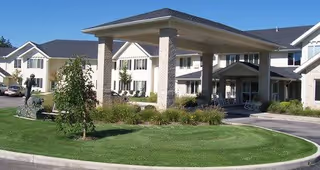
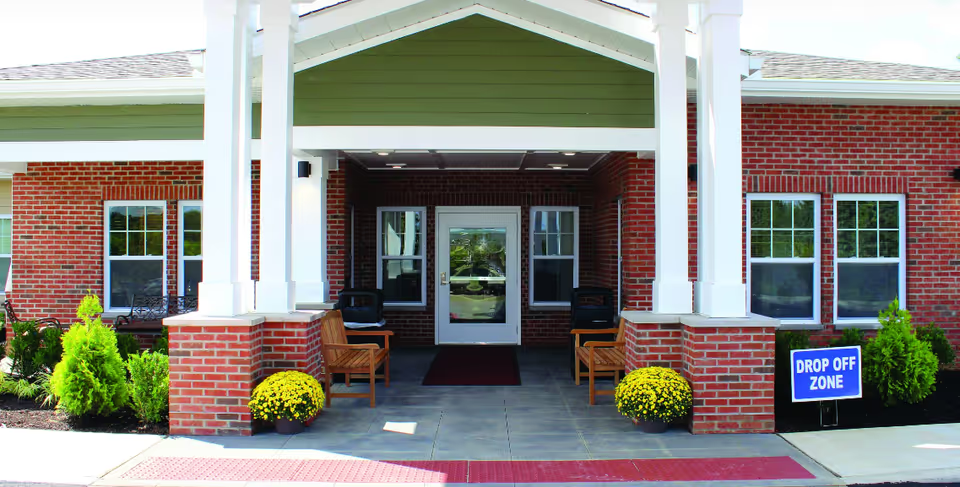
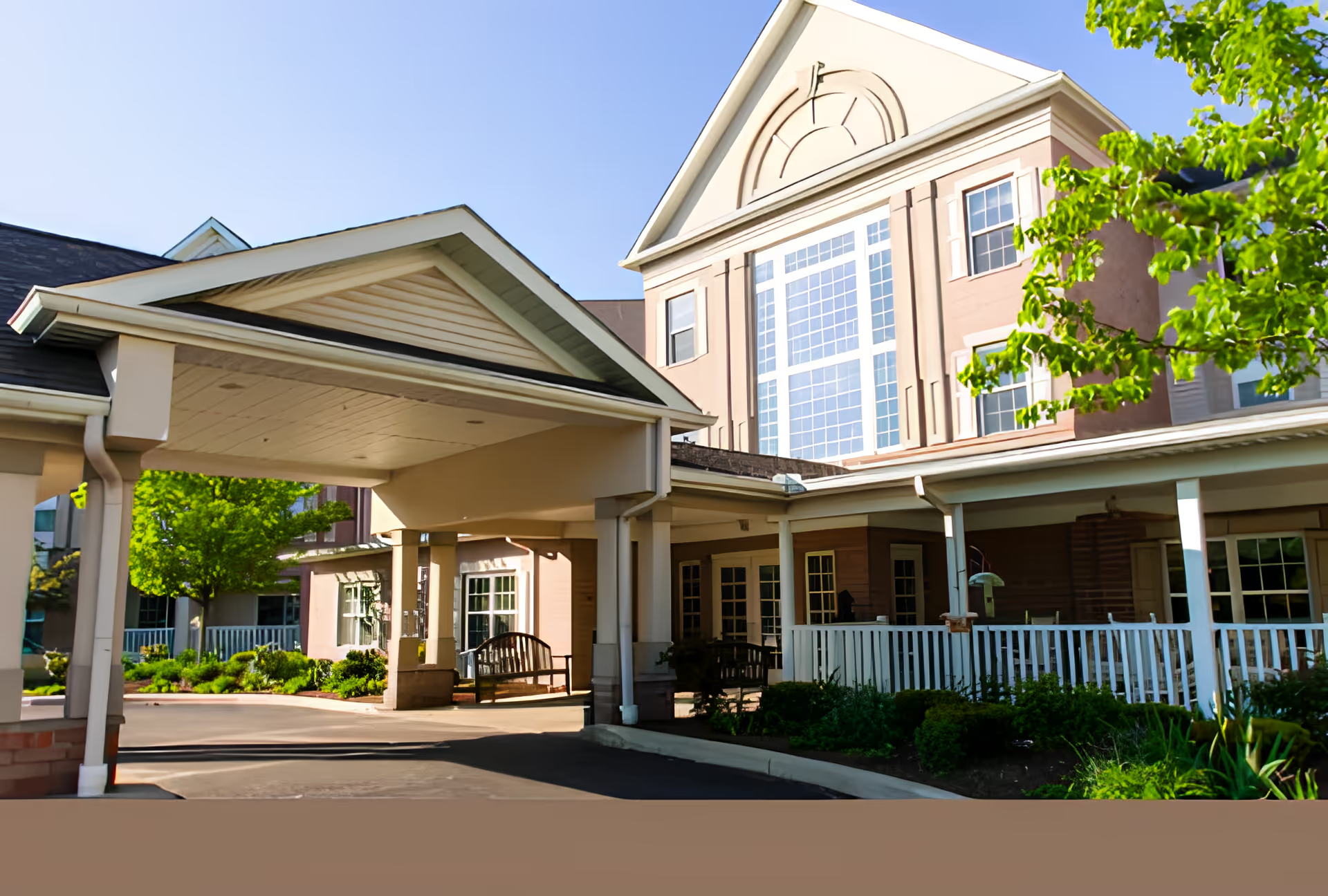
Facilities and apartment units: The campus mixes renovated units with older, more institutional-feeling areas. Positives include clean common spaces, a library, game room, and outdoor patios in some units. Facility-level shortcomings cited include small apartment footprints or kitchenette limitations (no stove), occasional missing or incomplete apartment fixtures, dim or window-lacking rooms, and an overall nursing-home-like feel in parts of the building. Additionally, the presence of locked-unit policies was raised as a factor affecting perceived accessibility and suitability for some families.
Notable patterns and decision points: Distinguishing features are the faith-based identity, pet-friendly policies (including dog care), an all-inclusive fee structure with add-on care options, and long-term resident satisfaction in many cases. Counterbalancing this are operational concerns: staff variability, communication and scheduling gaps, maintenance/design limitations in some apartments, odor concerns in certain areas, and signs of resource or morale constraints that can influence service consistency. Prospective residents and families may want to tour multiple unit types, ask specific questions about staffing levels and turnover, sample a meal and an activity, and clarify locked-unit policies and recent maintenance or remediation efforts to assess fit.