Reviews of Altenheim Senior Living present a mixed but consistent pattern: the community has clear operational strengths—particularly visible in its physical environment, therapy program, and many frontline caregivers—while also exhibiting recurring operational weaknesses that families should evaluate during a tour and intake discussion.
Care quality and clinical staffing: Many families describe compassionate, resident-focused caregiving and round-the-clock nursing presence, and several reviewers praised specific clinicians and therapy staff for effective rehabilitation outcomes. At the same time, a recurrent theme is inconsistent staffing levels (often worse on nights and weekends) that can translate into delayed assistance, slow call-light response, and variability in clinical attention. Related concerns include lapses in clinical-incident recognition and delays notifying families or providers when an acute change occurs, as well as isolated medication-administration and documentation problems. These patterns suggest solid clinical capability in staffed shifts but vulnerability to coverage shortfalls and process gaps during understaffed periods.
Dining and activities: The community generally receives favorable comments for dining variety and enjoyable meals, along with an active and varied activity schedule that includes social games, exercise, and therapeutic programming. Activity engagement appears robust in many units, and reviewers frequently mention well-maintained common areas and pleasant solariums. However, a subset of comments points to lower engagement in particular memory-care areas and inconsistencies in therapy frequency or intensity for short-stay rehab residents; families seeking aggressive rehab goals should confirm therapy minutes and schedules during admission planning.
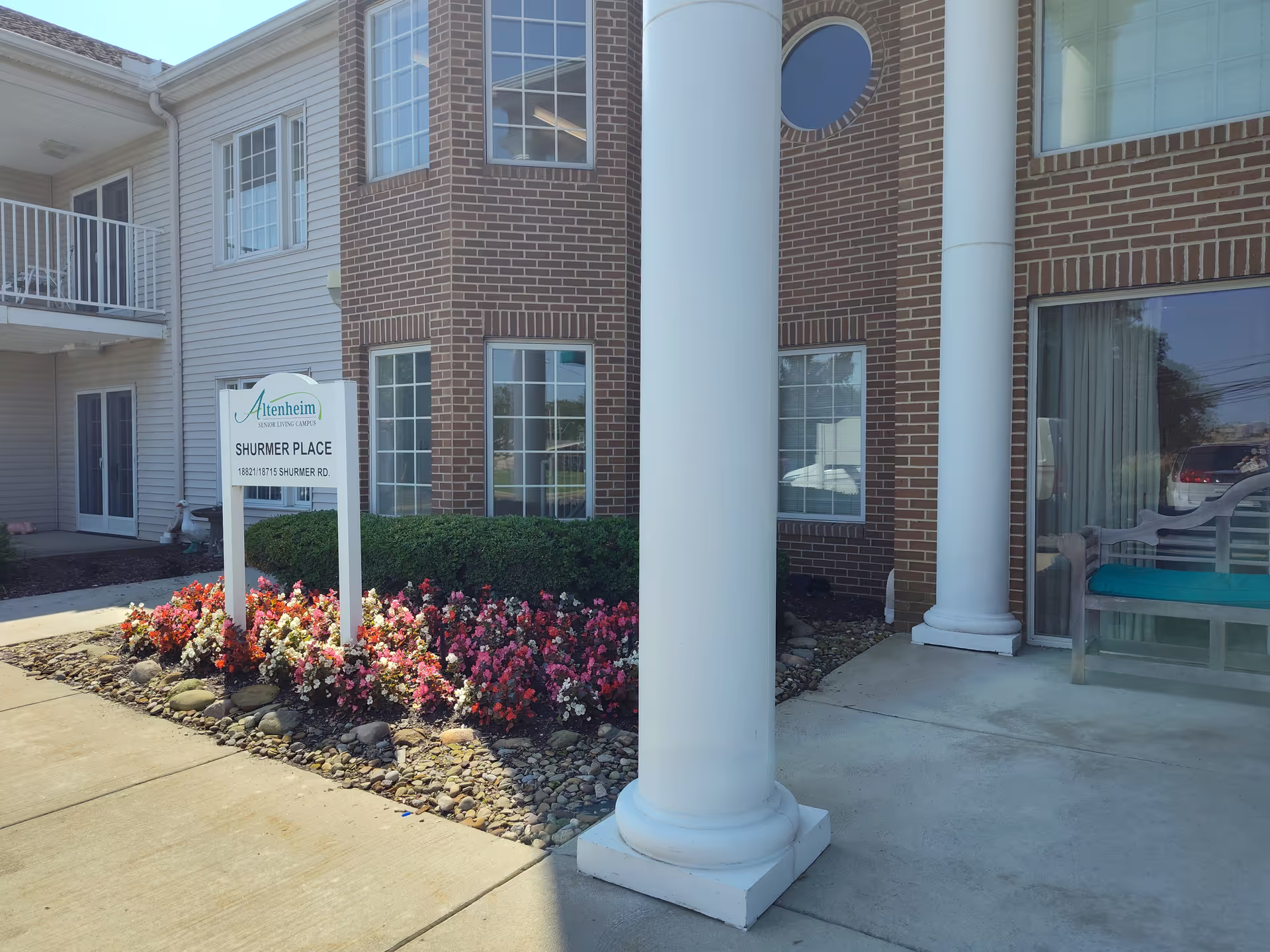
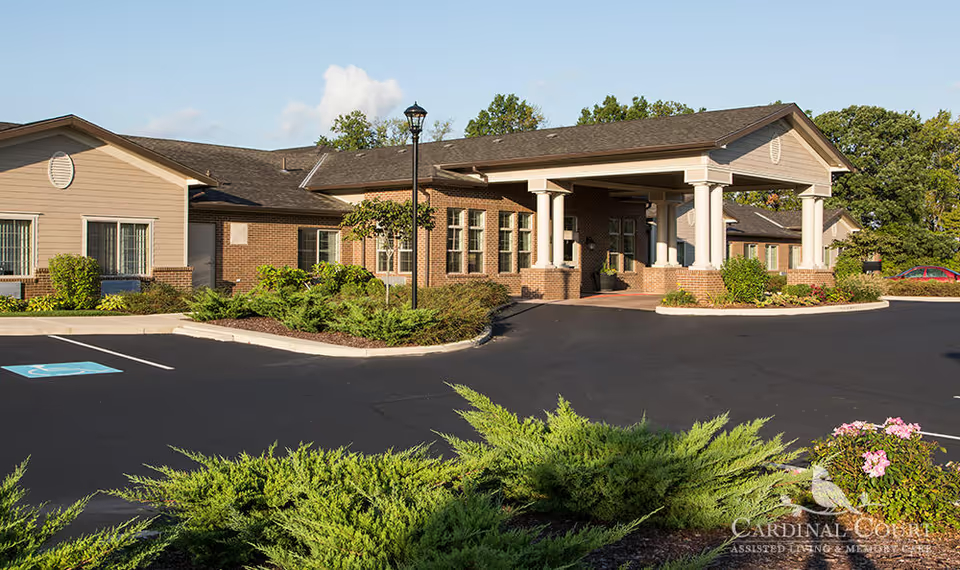
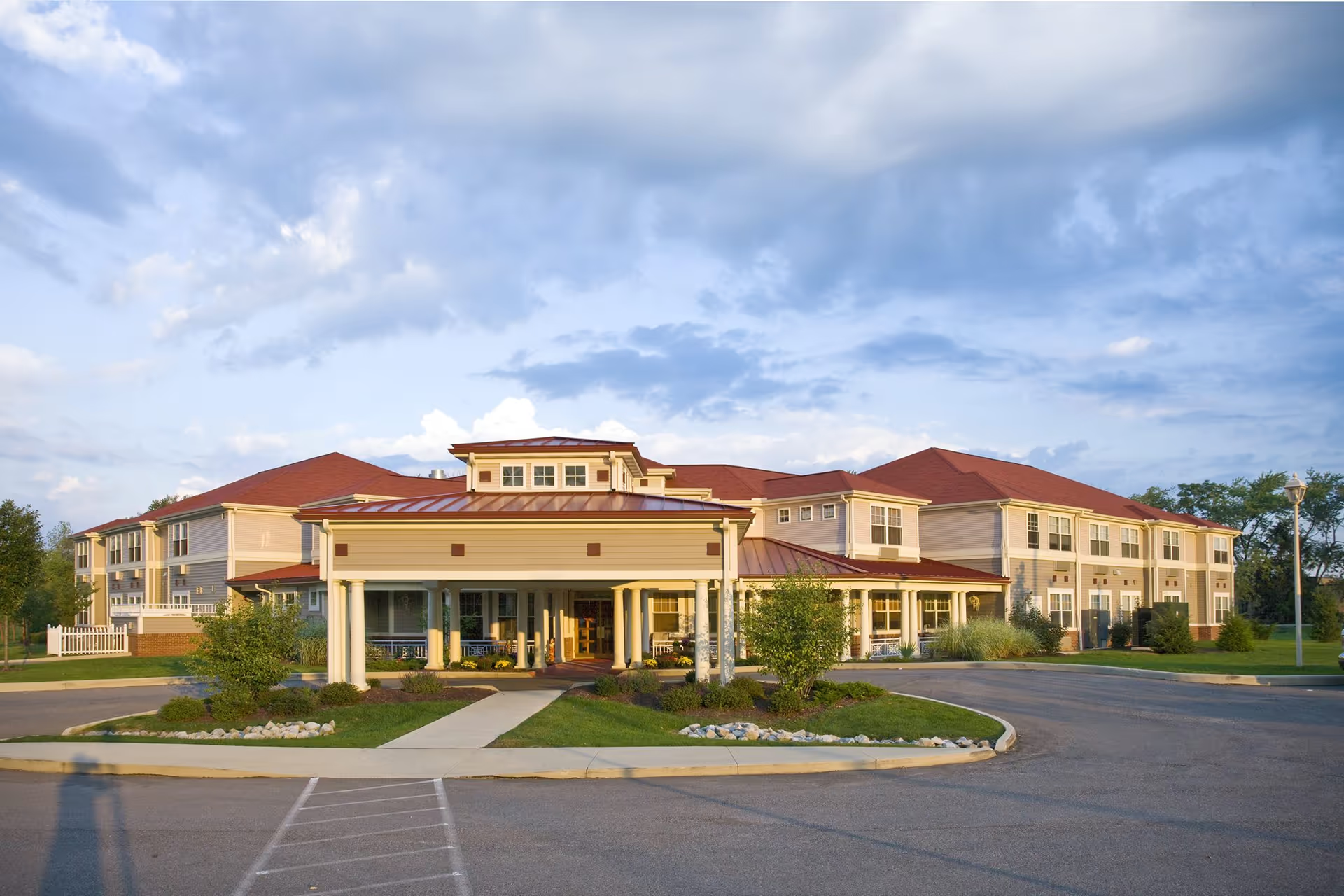
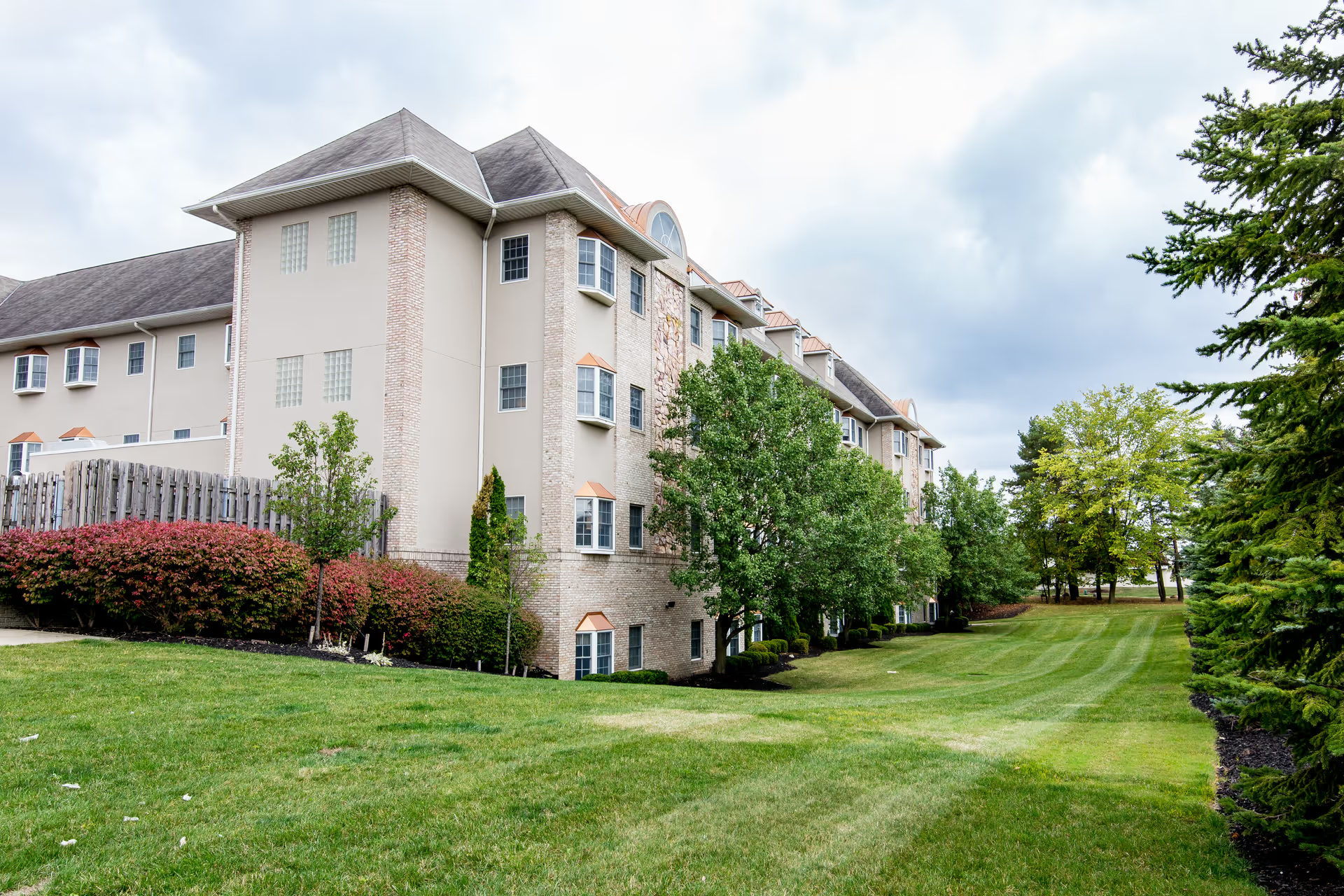
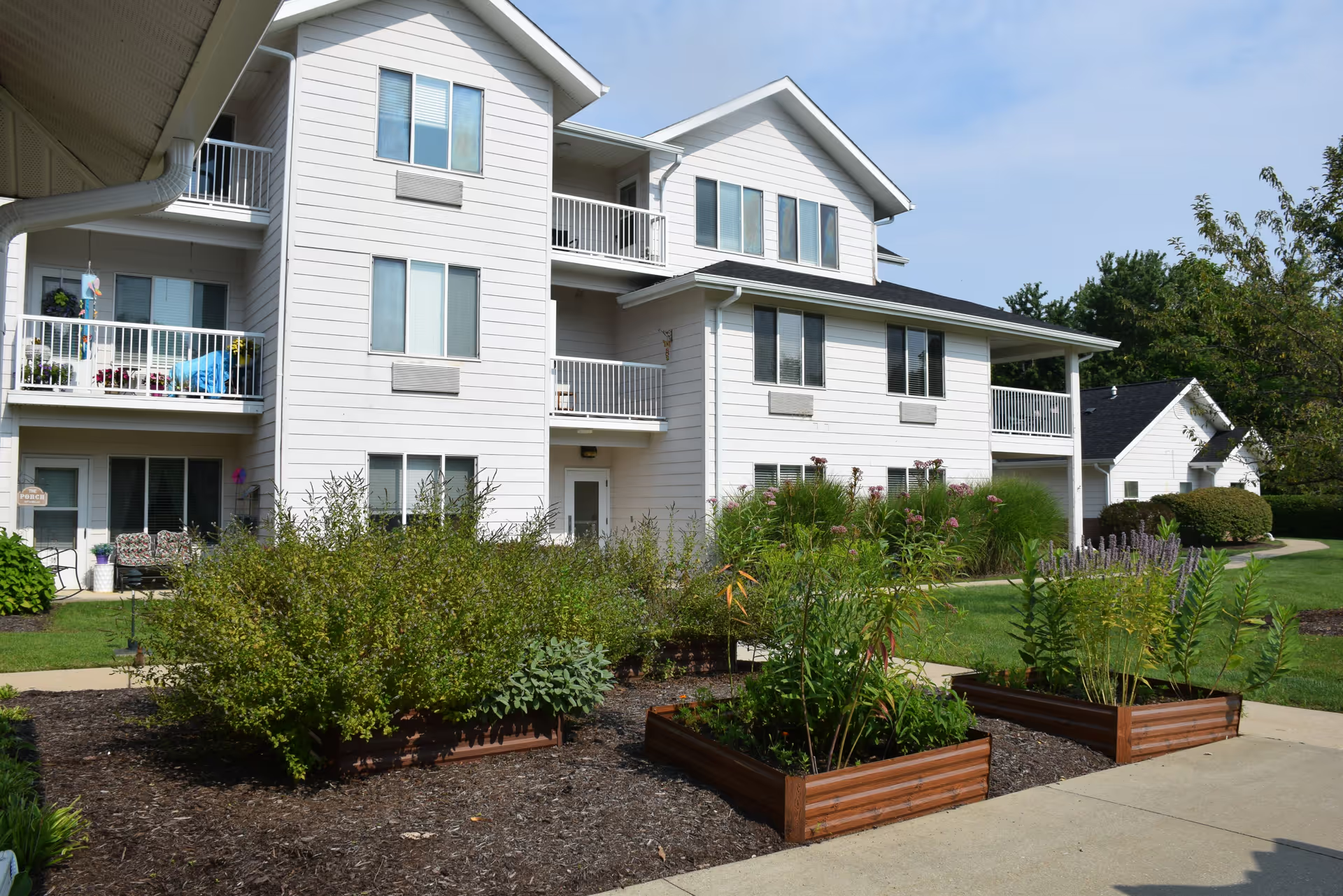
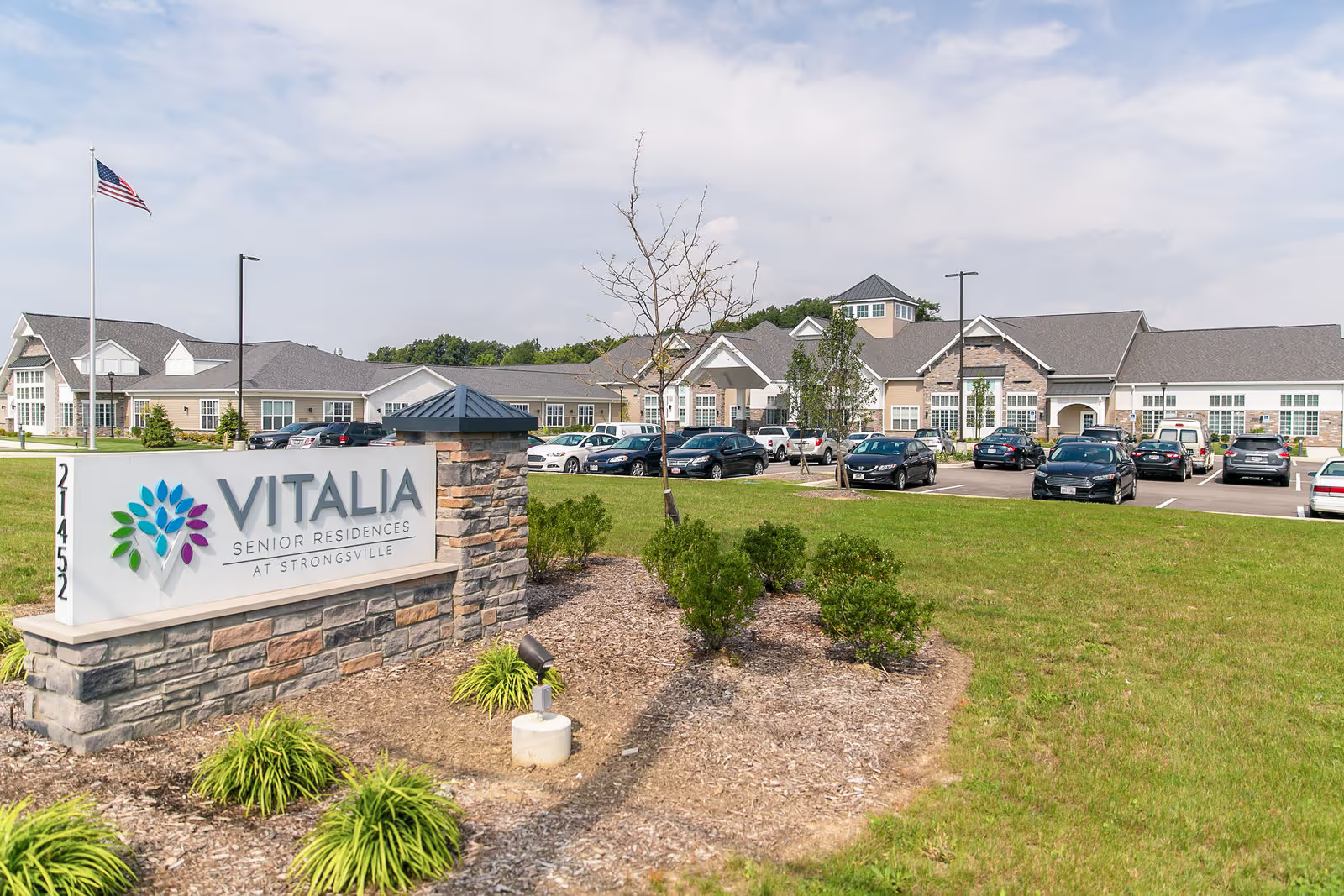
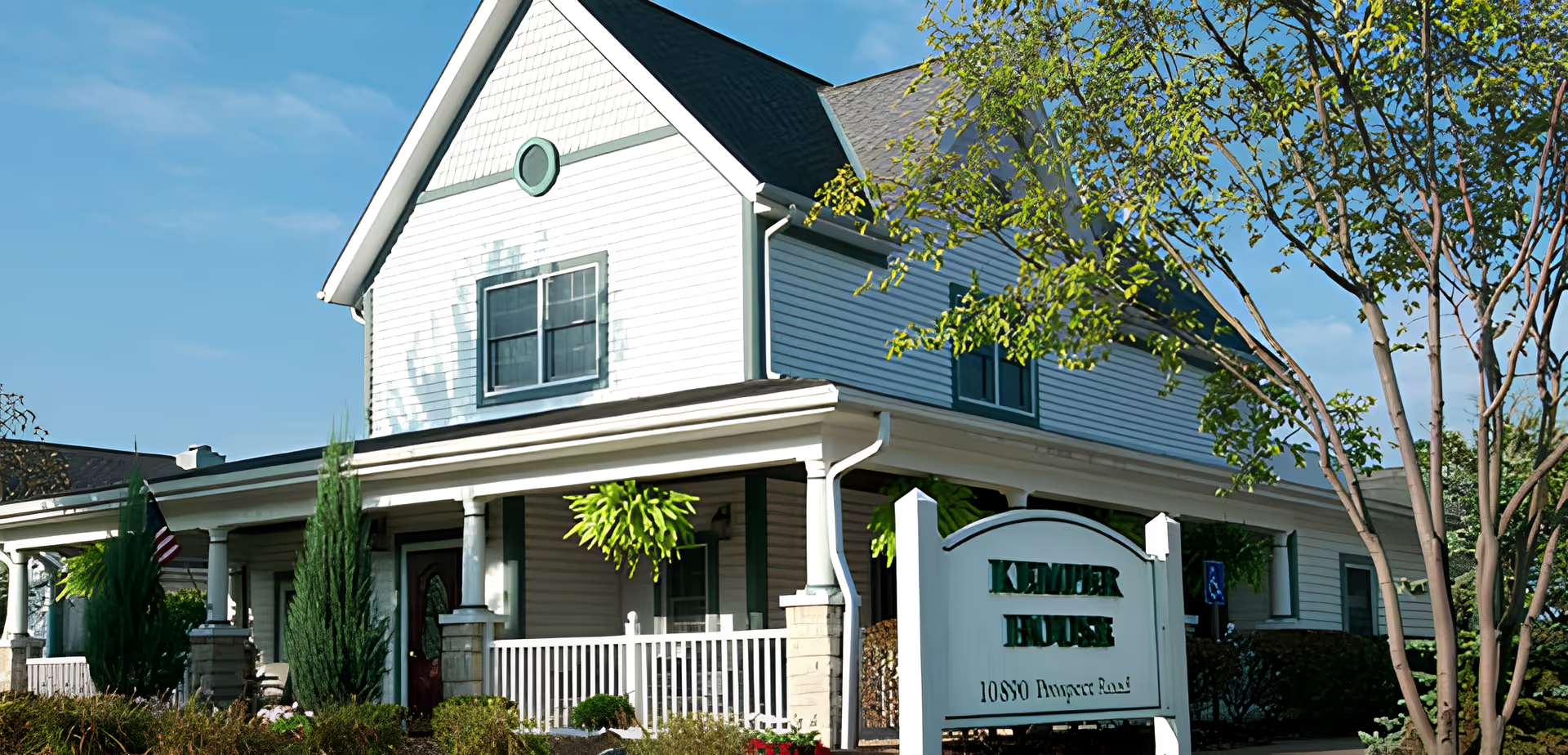
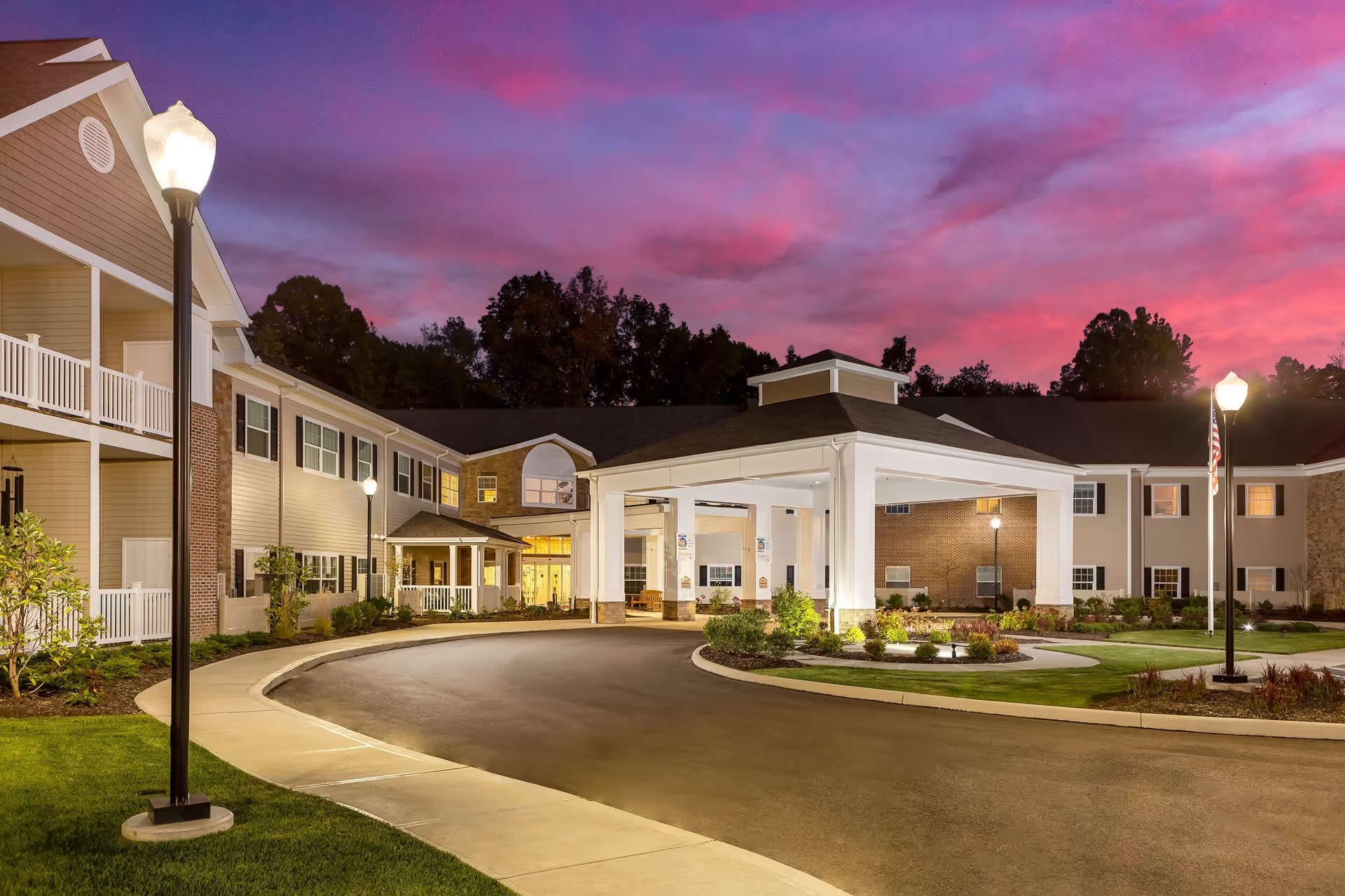
Facilities, sanitation, and infection control: The physical campus is commonly described as attractive, modern, and well cared-for, with private rooms and pleasant outdoor spaces. That positive impression is tempered by intermittent sanitation and maintenance concerns—examples include uneven housekeeping attention to room details and reports of environmental issues such as mold or water-quality events. There are also several mentions of infection-control events and outbreak-management shortcomings; these indicate the need to ask about current infection-control policies, outbreak history, and notification procedures when evaluating the community.
Management, communication, and cost: Leadership and responsiveness receive mixed evaluations. Some families praise proactive administrators and prompt problem resolution, while others describe perceived prioritization of financial concerns, variable transparency, and challenges with discharge planning and insurance coordination. Cost is frequently noted as high relative to perceived value in certain stays, and reviewers advise clarifying billing, payer acceptance, and what services are included. Visitors should inquire about after-hours leadership coverage, escalation pathways for clinical concerns, and how the facility tracks and reports quality metrics.
Bottom line: Altenheim offers many strengths—a pleasant physical environment, strong therapy capabilities, and numerous attentive staff members—that make it a compelling option for many residents. Simultaneously, consistent attention is needed around staffing reliability, clinical-incident protocols, infection control, and housekeeping consistency. Prospective residents and families should perform a targeted tour, ask for current staffing ratios and therapy schedules, review infection-control and emergency-notification policies, and obtain written clarity on costs and discharge planning to determine whether the community’s operational practices align with their care priorities.