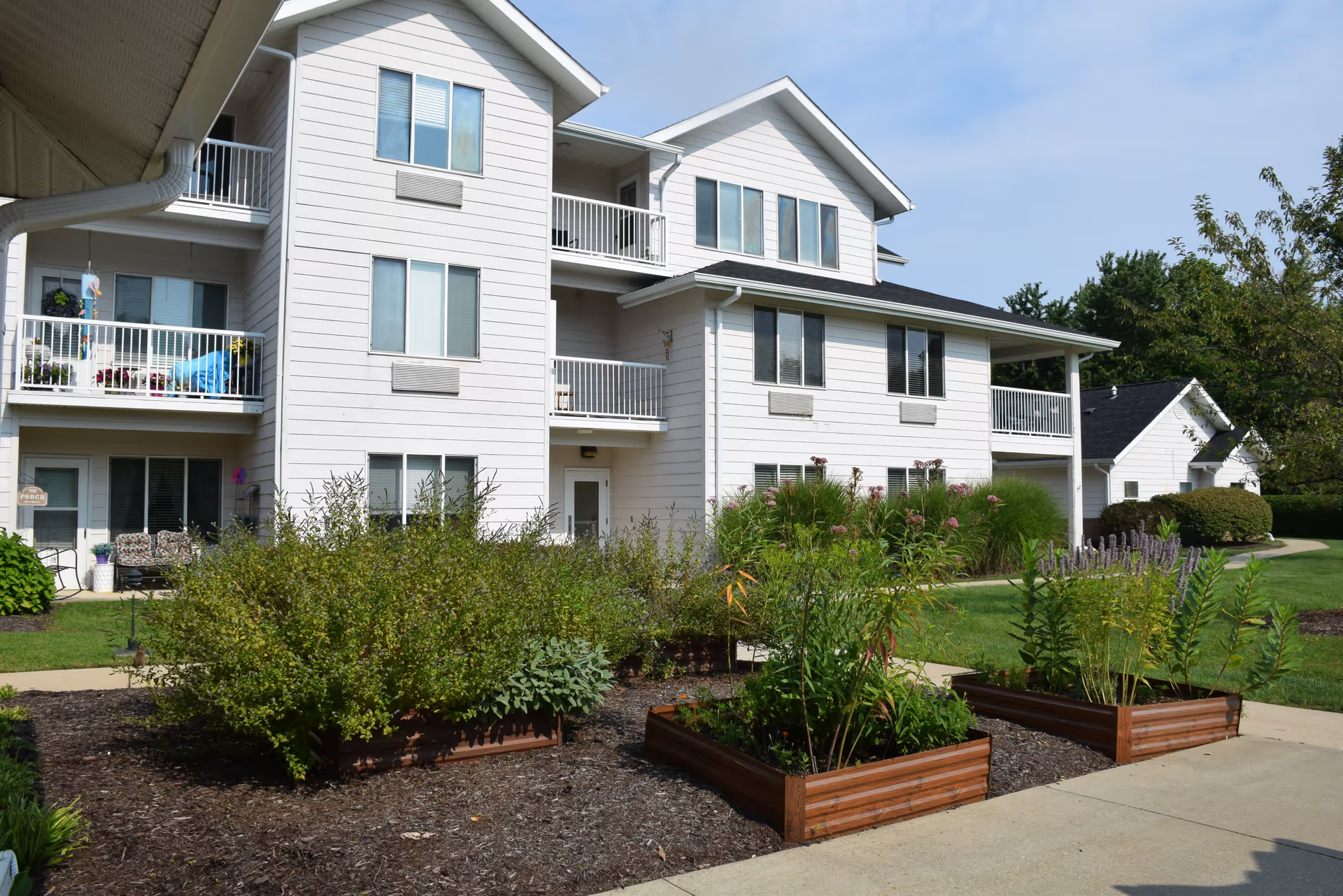
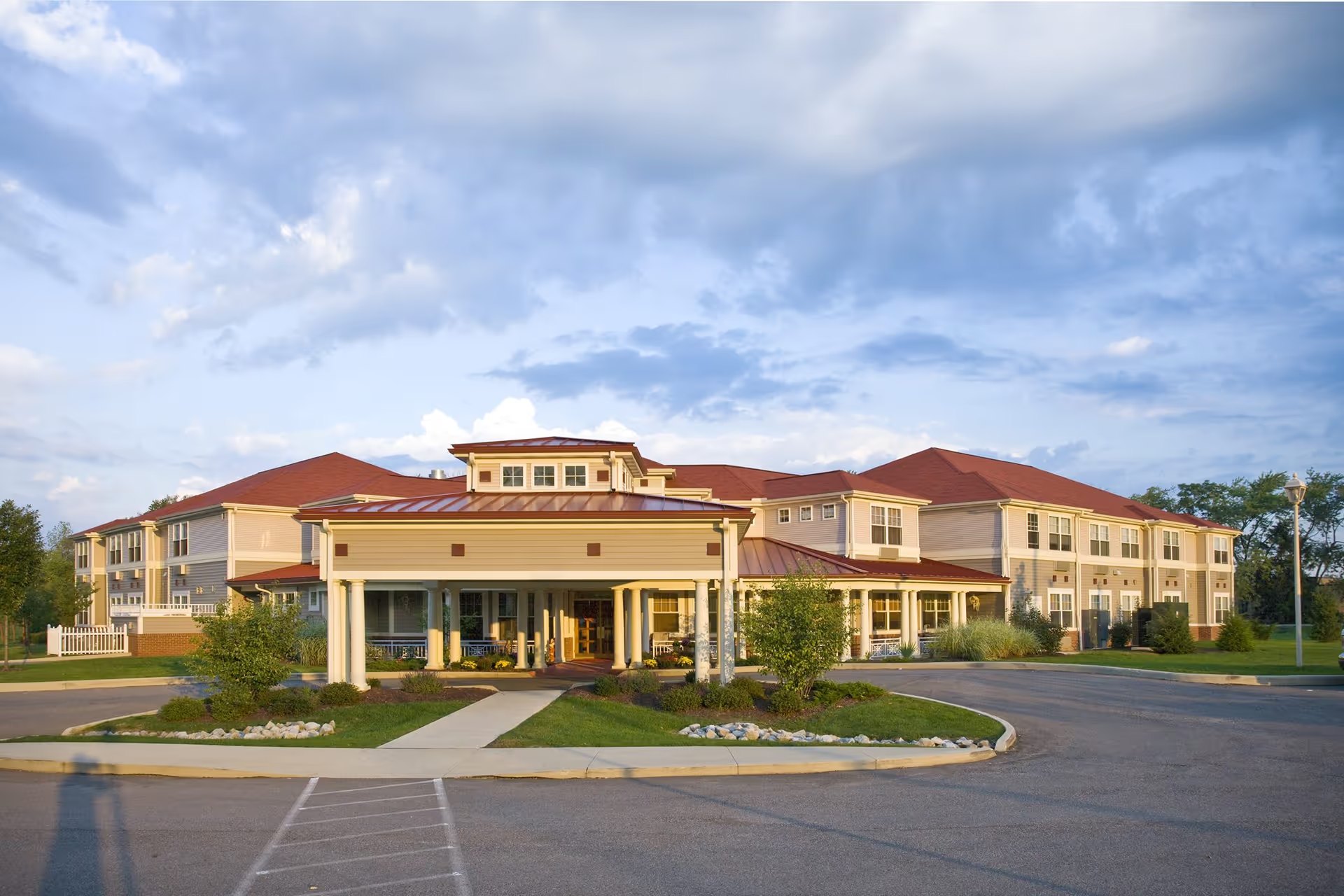
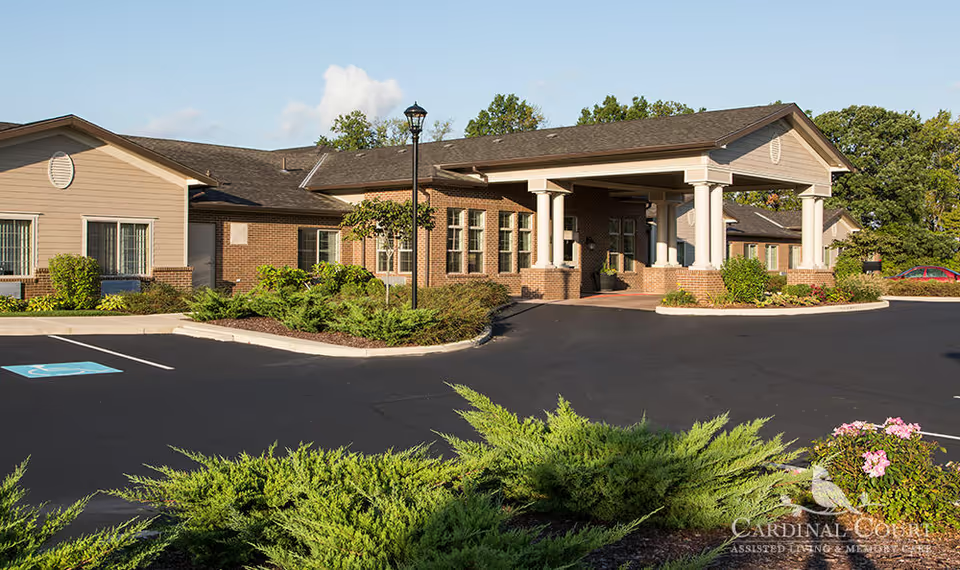
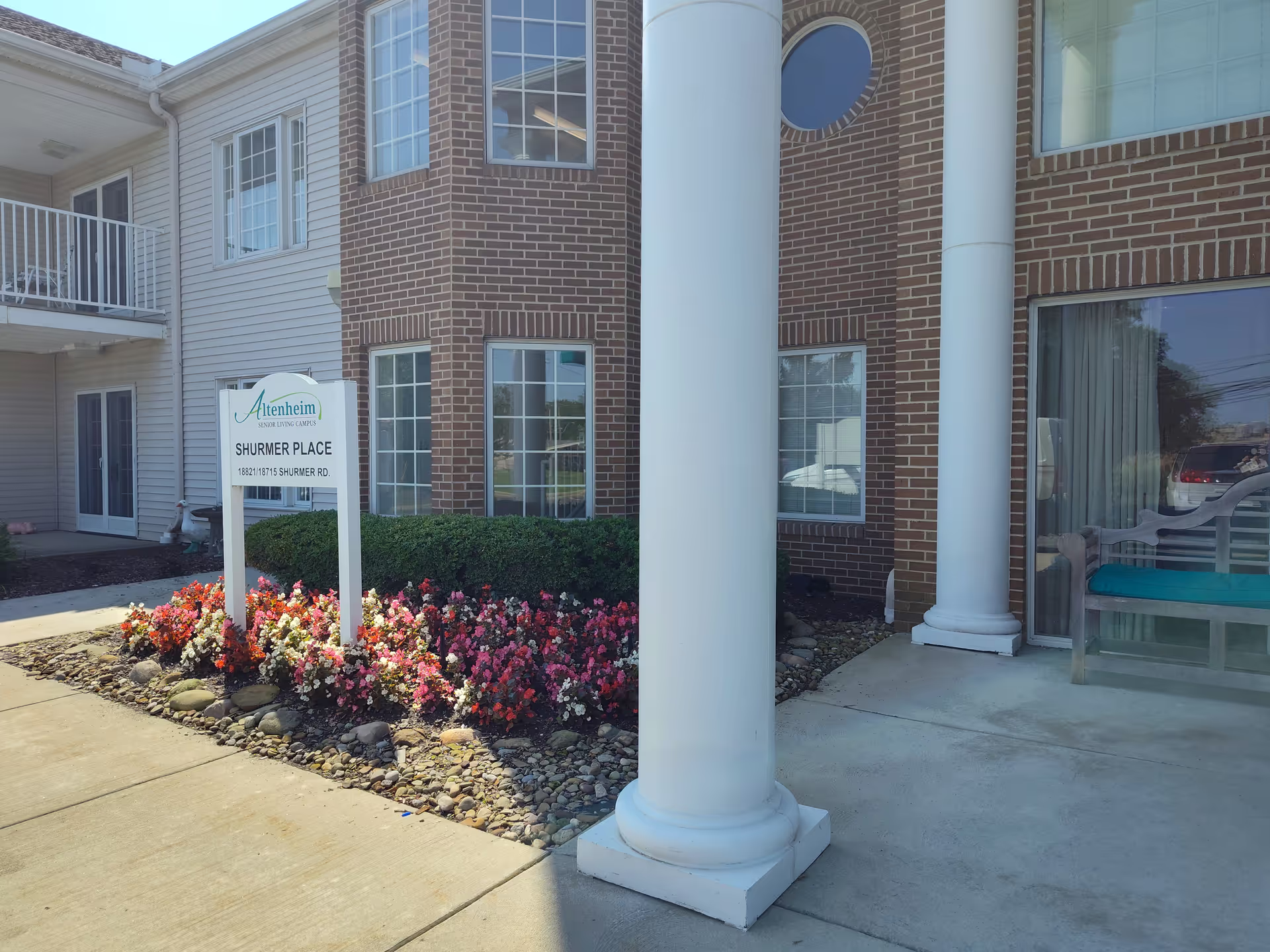
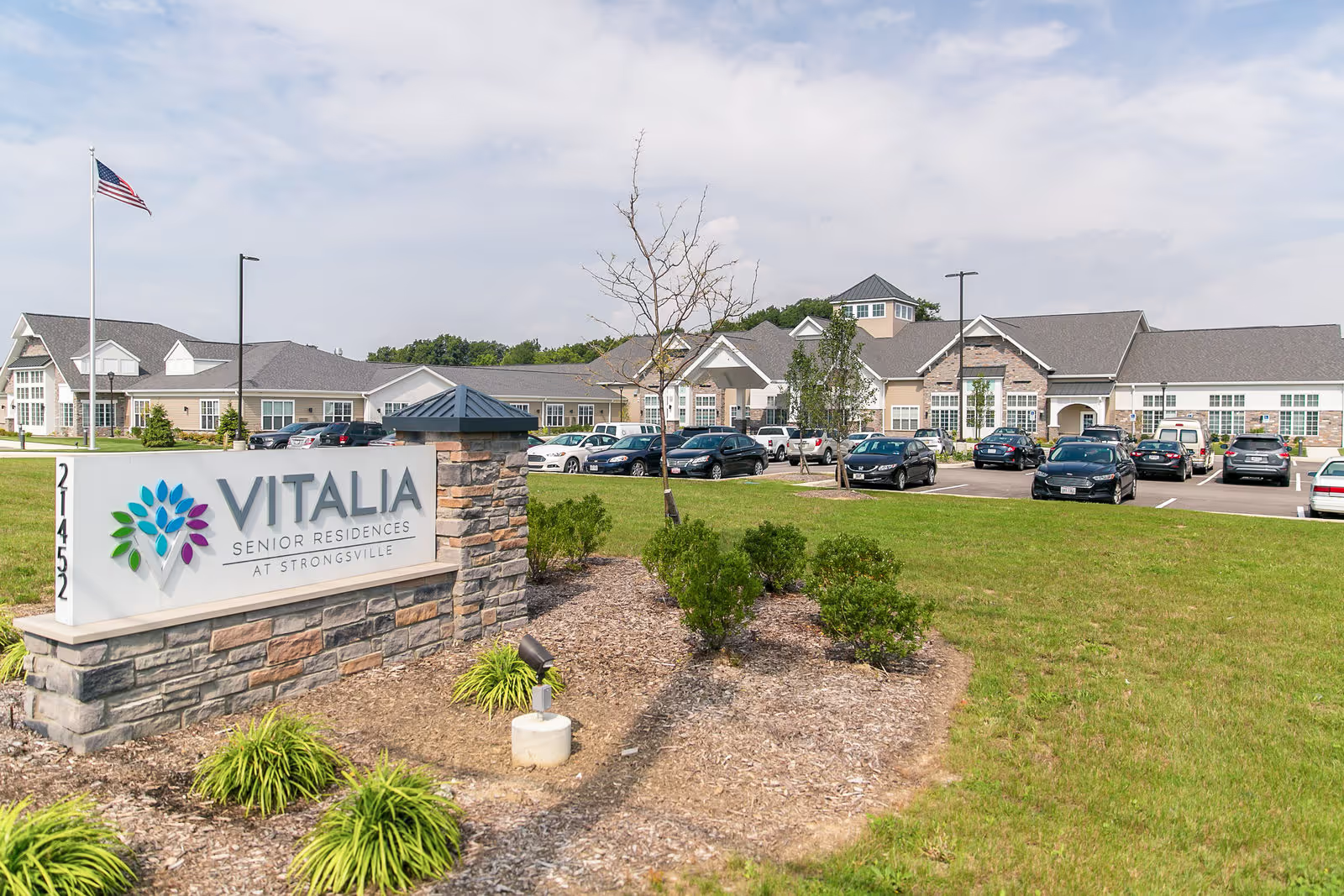
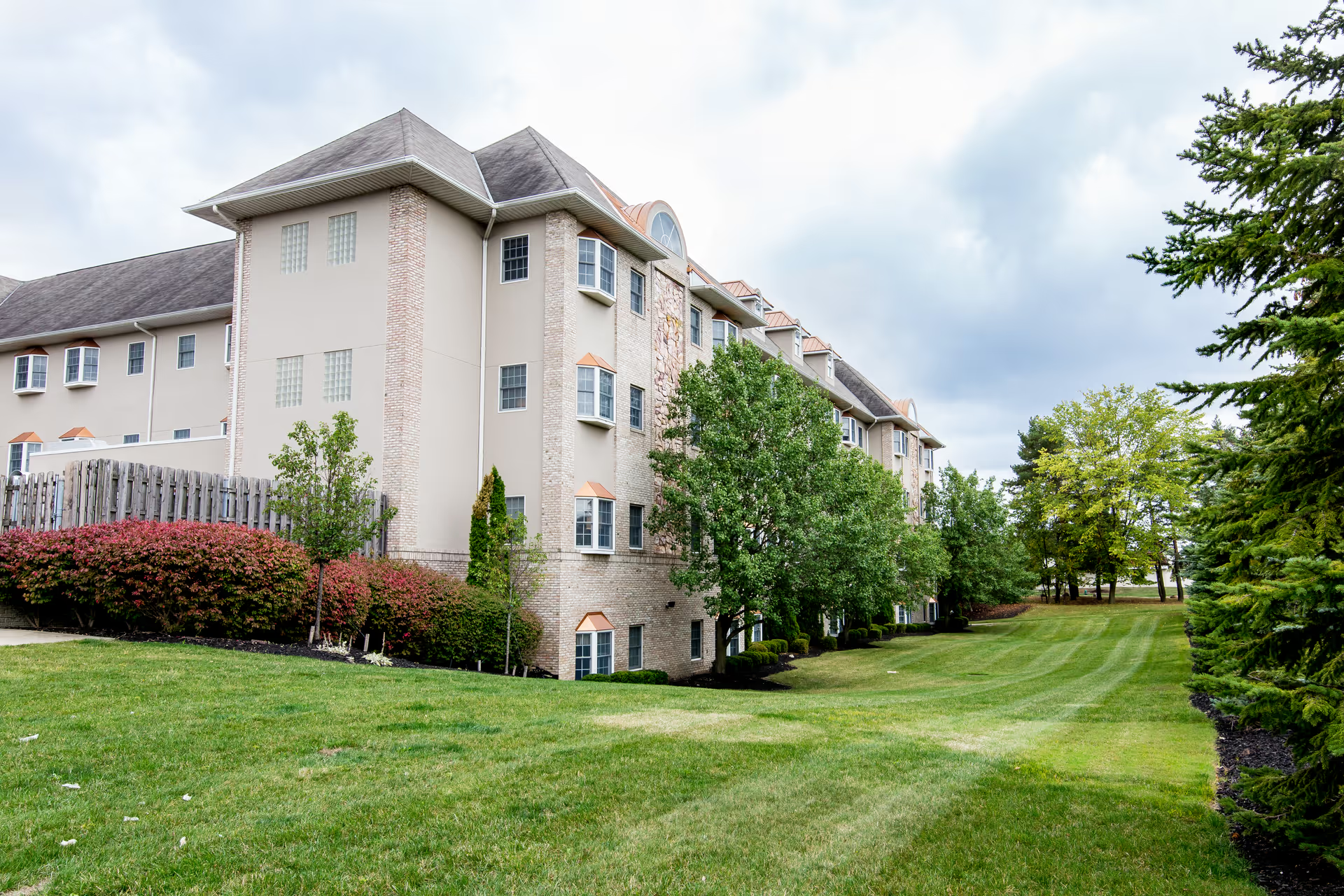
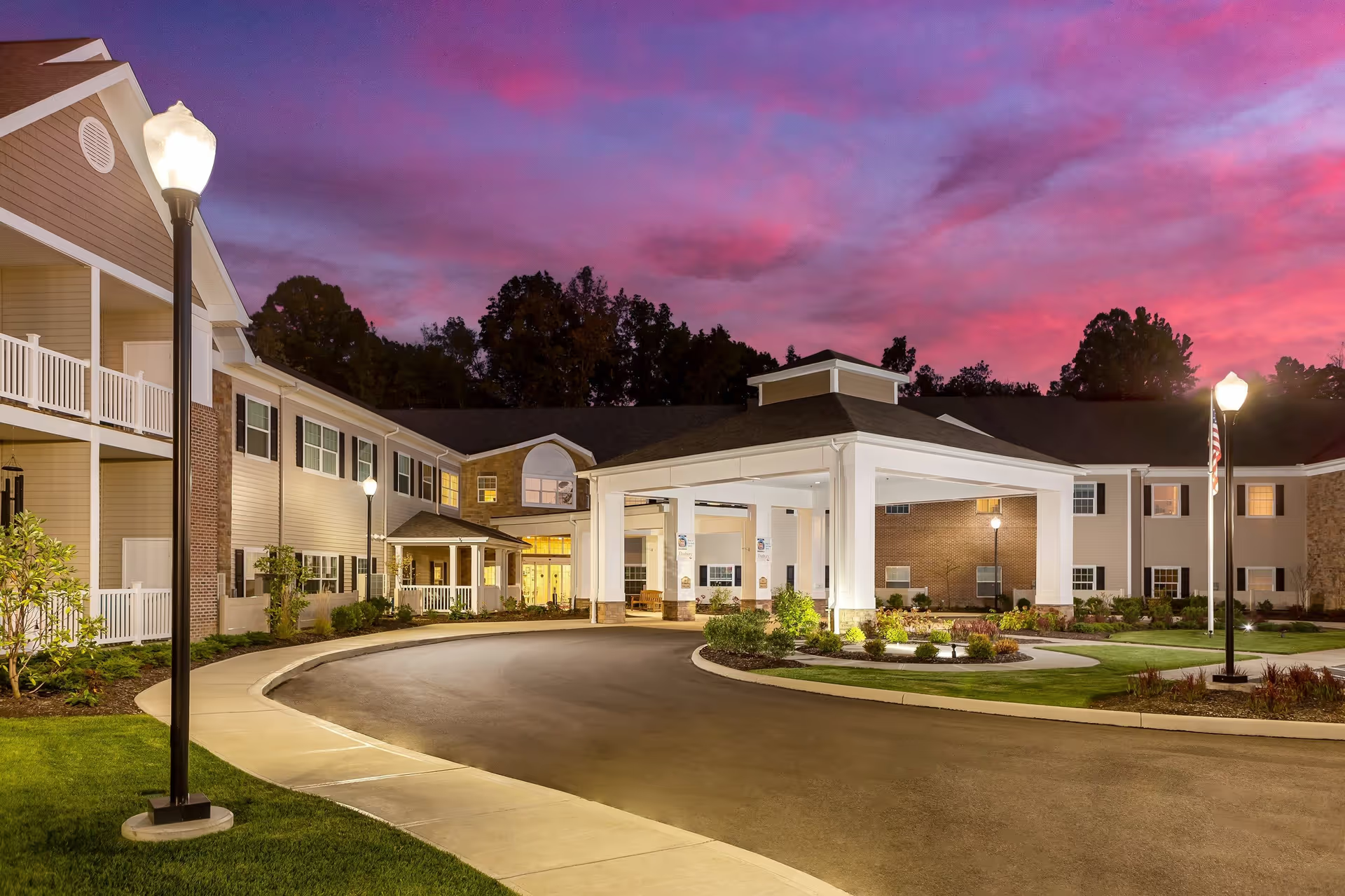
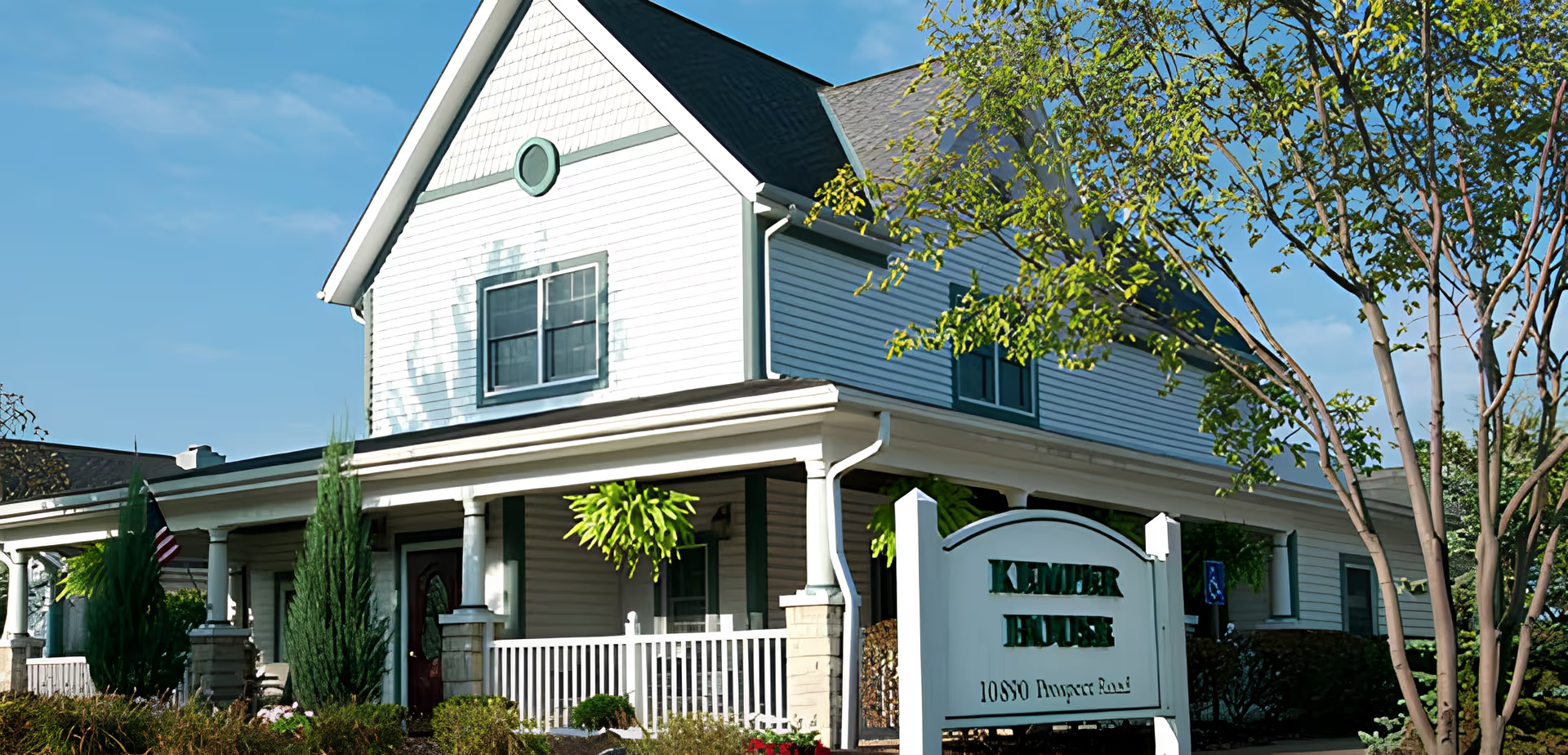
Avenue at Strongsville Care and Rehabilitation Center elicits a strongly polarized set of impressions. Many families and former residents praise the facility’s physical plant, therapy services, activities, and individual caregivers: the building is frequently described as modern and hotel-like with private rooms, large bathrooms, window seats, courtyards, and on-site salon services. Physical and occupational therapy teams are repeatedly credited with producing successful rehab outcomes, and the activities program — including weekend programming and social events — is viewed as an asset for engagement and mental stimulation. Admissions and some members of the administrative team receive consistent positive feedback for responsiveness and for facilitating smooth transitions.
At the same time, recurring operational concerns appear throughout the feedback. The most consistent pattern is chronic understaffing and high staff turnover, often accompanied by reliance on temporary or agency personnel. Reviewers connect staffing instability to delayed responses to call lights, inconsistent assistance with bathing and toileting needs, and occasional gaps in routine care. Several reviewers raise concerns about medication-management practices and broader clinical oversight; these concerns range from errors and delays to families requesting clearer explanations of medication administration and end-of-life planning. The combination of staffing variability and training inconsistencies is associated with uneven care quality across shifts and units.
Dining and activities present a mixed picture. Many reviewers compliment the kitchen staff, portioning, and meal quality, and note that dietary needs are accommodated. Others describe repetitive menus and intermittent shortages of food service items or utensils. Activities are frequently highlighted as a strength — with an engaged activities director, outings, and therapy-linked programming — but some family members report limited inclusion of certain residents in activities or inconsistent communication about schedules.
Facility upkeep and resident environment are often praised (clean common areas, well-kept grounds, pleasant decor), yet there are also specific accounts of cleanliness and sanitation lapses in resident rooms and on certain shifts. Privacy and property-management practices are another point of divergence: some families appreciate the ability to personalize rooms and the general housekeeping, while others describe concerns about how personal belongings are handled and about surveillance/camera placement and policies.
Management and communication show similar variability. Several reviewers commend individual leaders — admissions staff, the director of nursing, and front-line supervisors — for accessibility and for addressing issues when raised. Conversely, other families report inconsistent follow-through on complaints, poor discharge coordination, or communication breakdowns during care transitions. Given the mixture of strong positives and serious operational concerns, prospective residents and families should arrange a tour and ask targeted questions about unit-level staffing ratios (including weekend and night coverage), the proportion of agency staff, medication-administration protocols and oversight, housekeeping schedules, call-light response times, policies for personal belongings and surveillance, and the facility’s process for admissions/discharges and end-of-life coordination. This will help identify whether the facility’s strengths align with an individual resident’s care needs and risk profile.