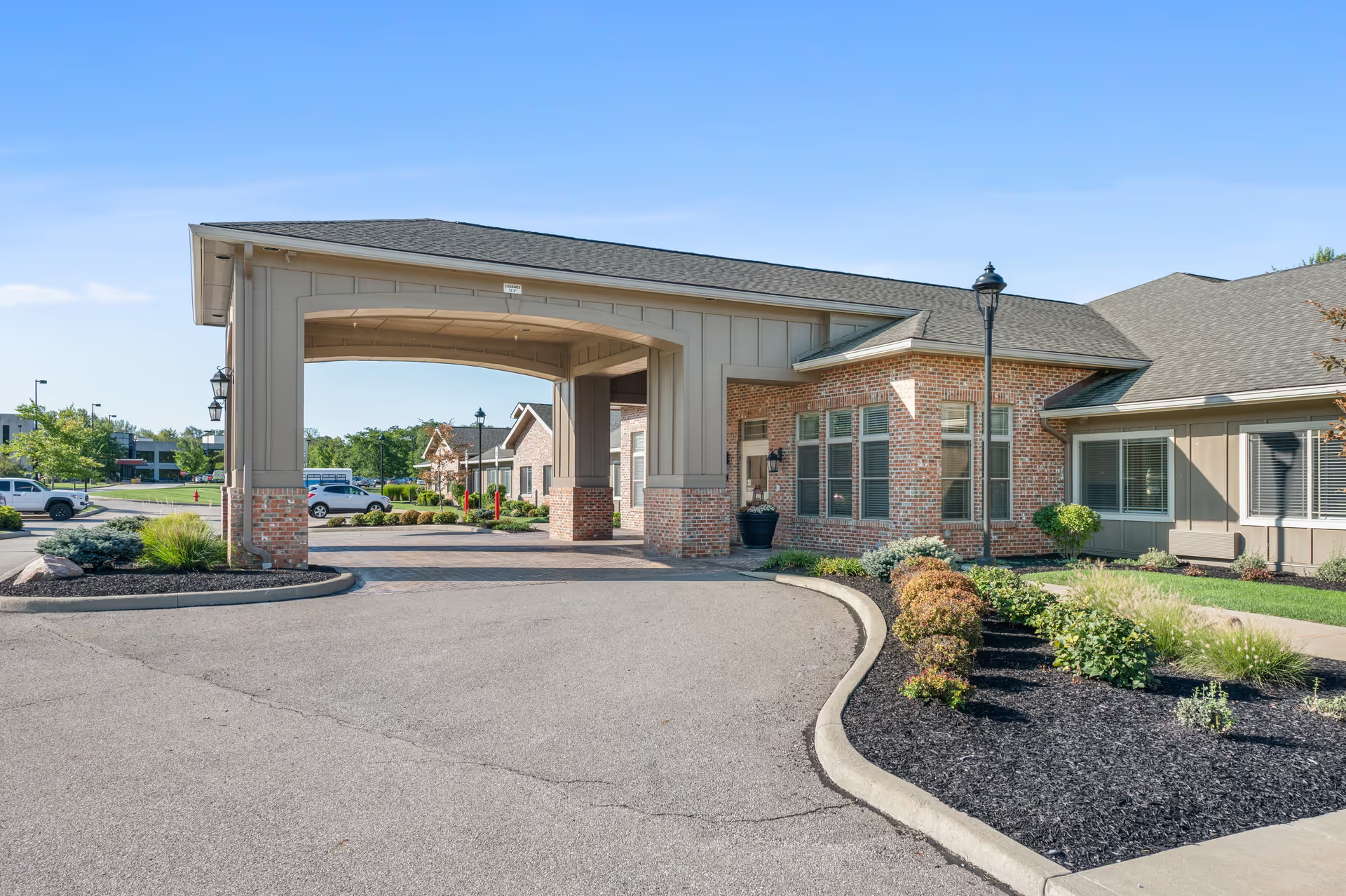
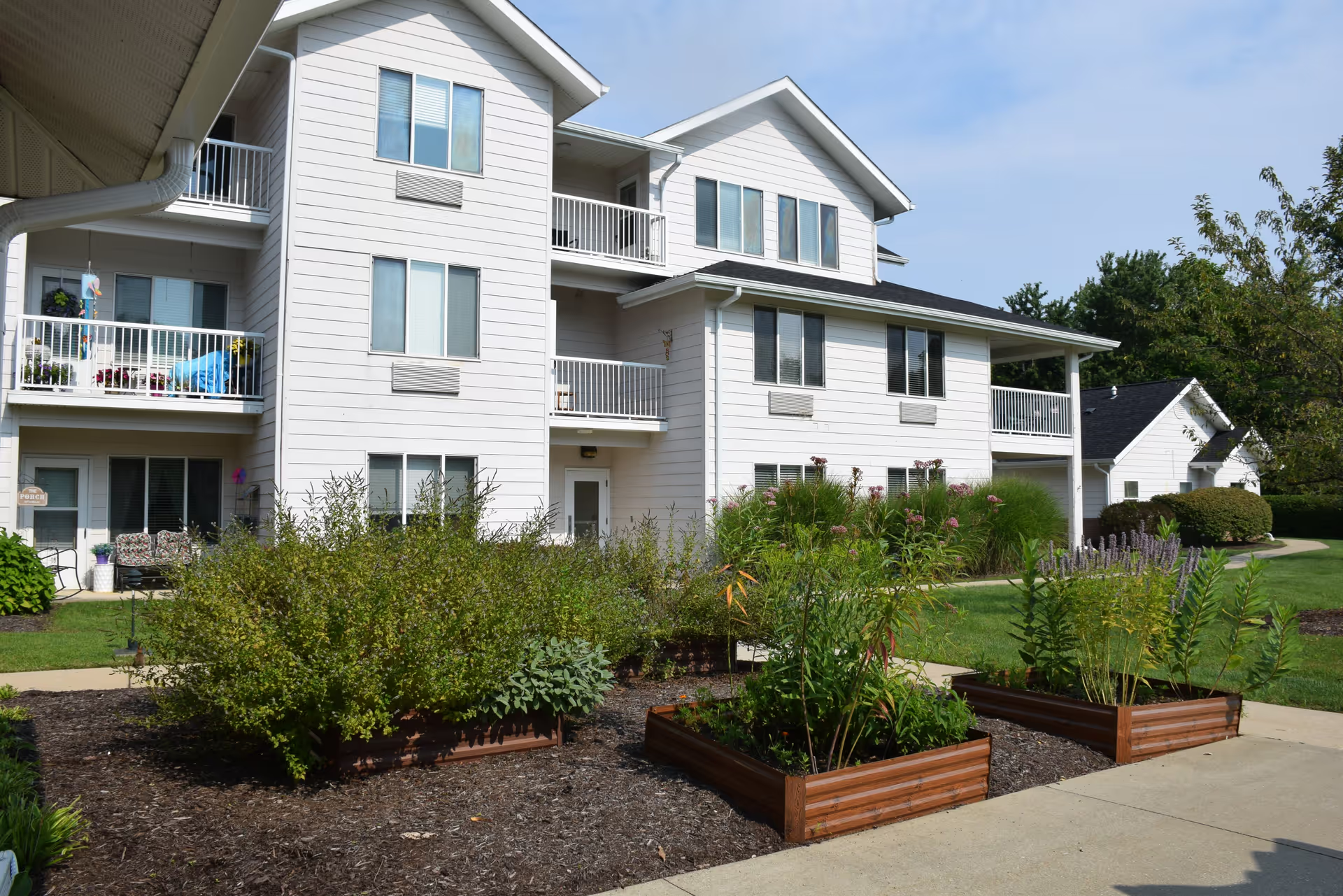
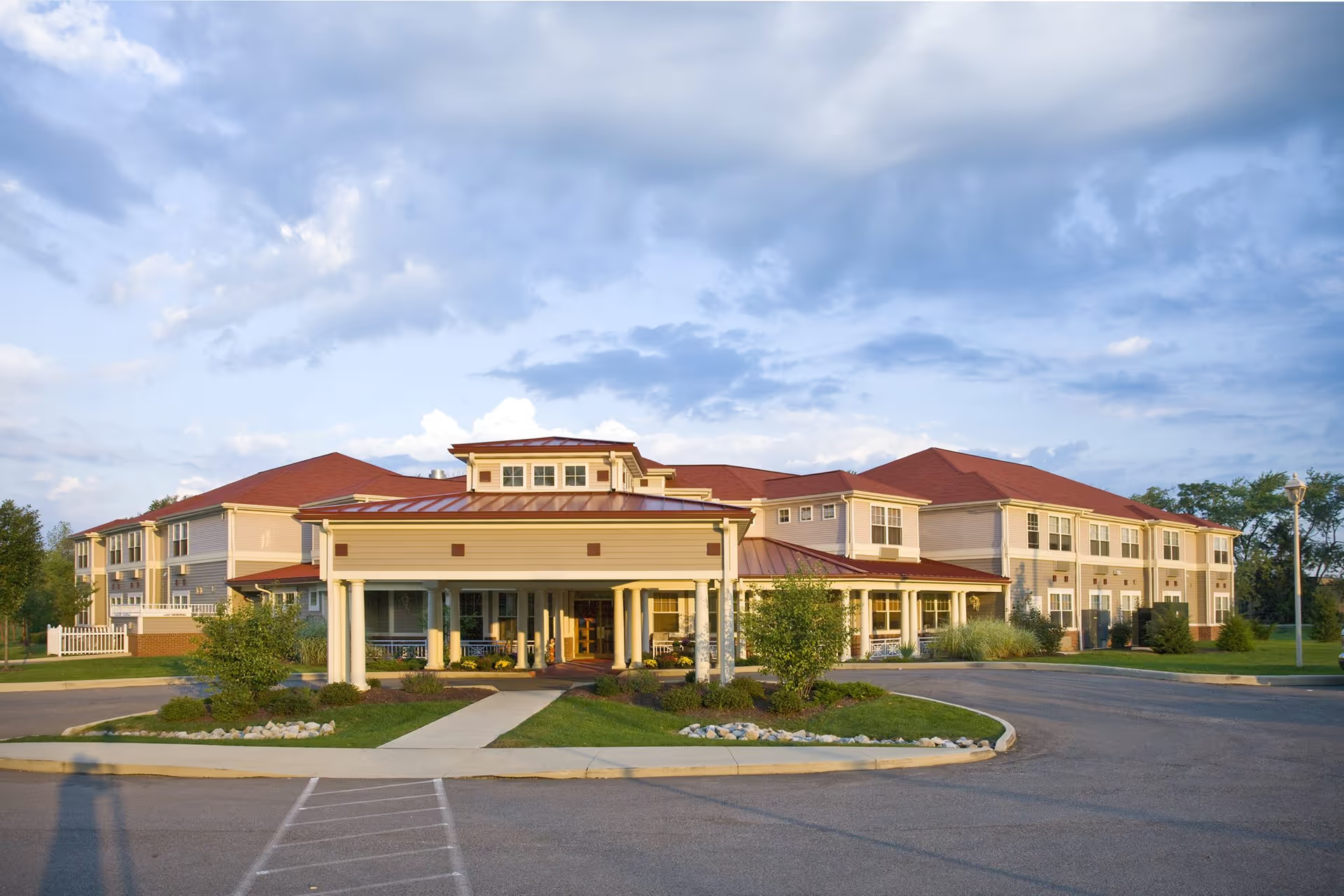
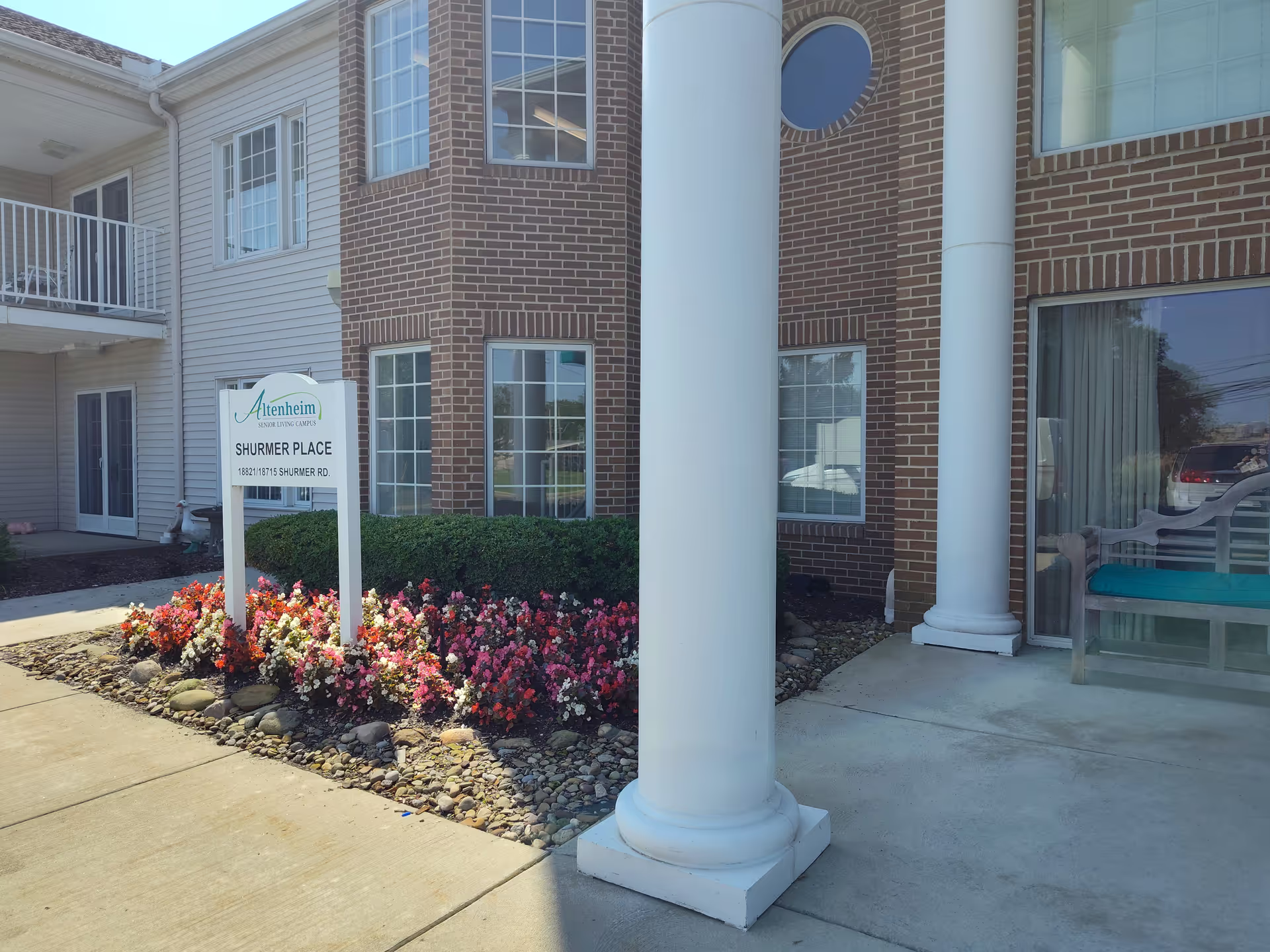
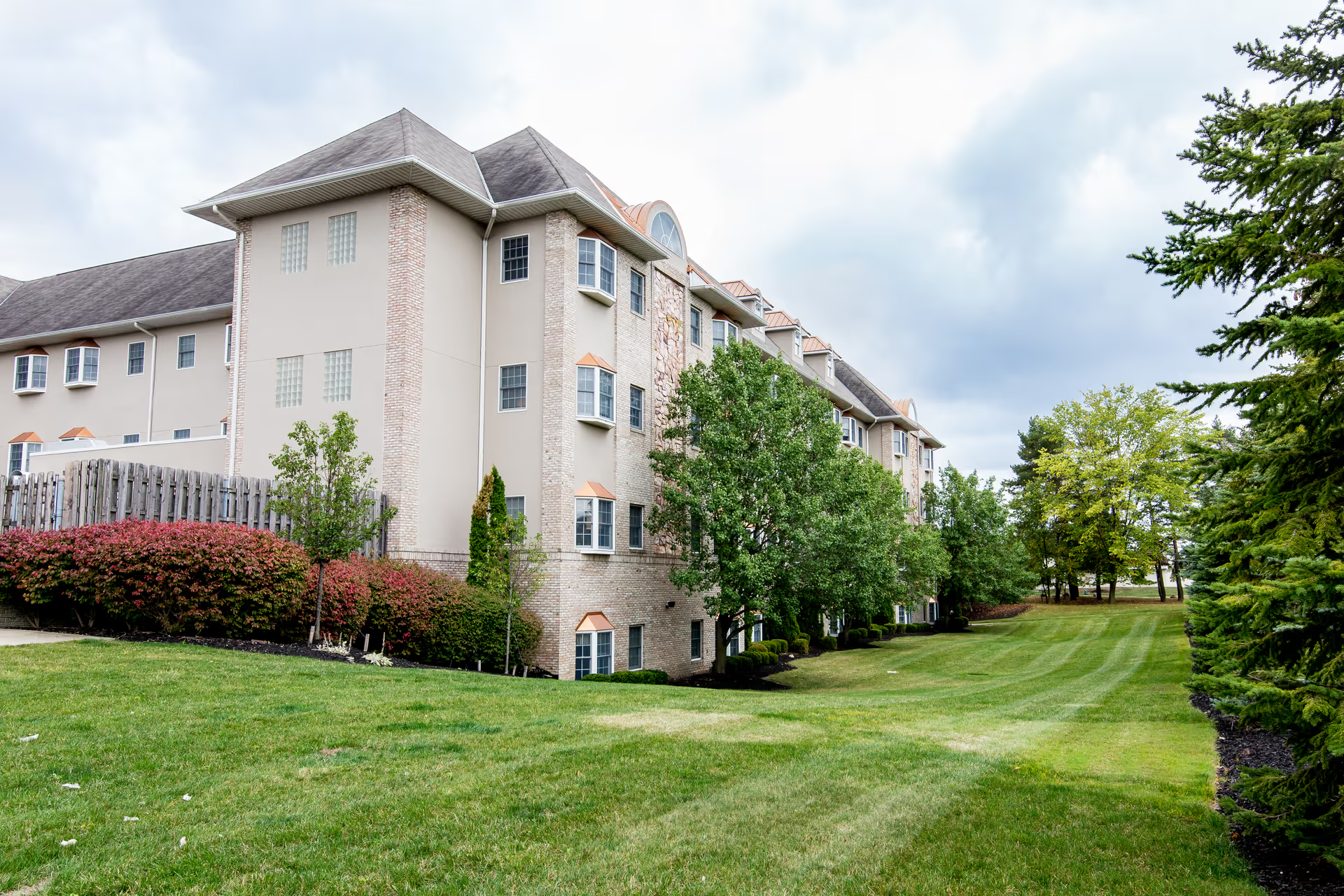
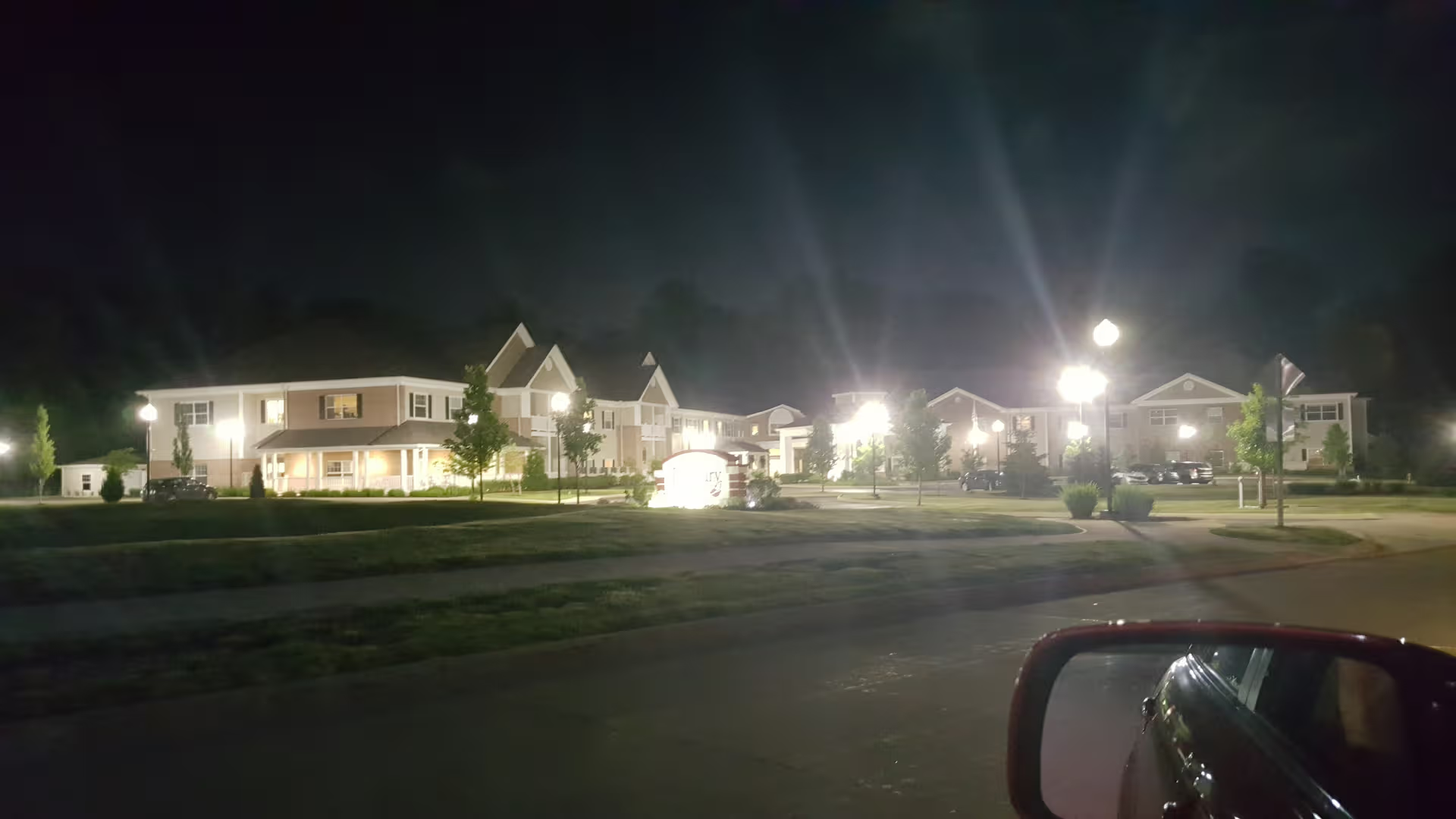
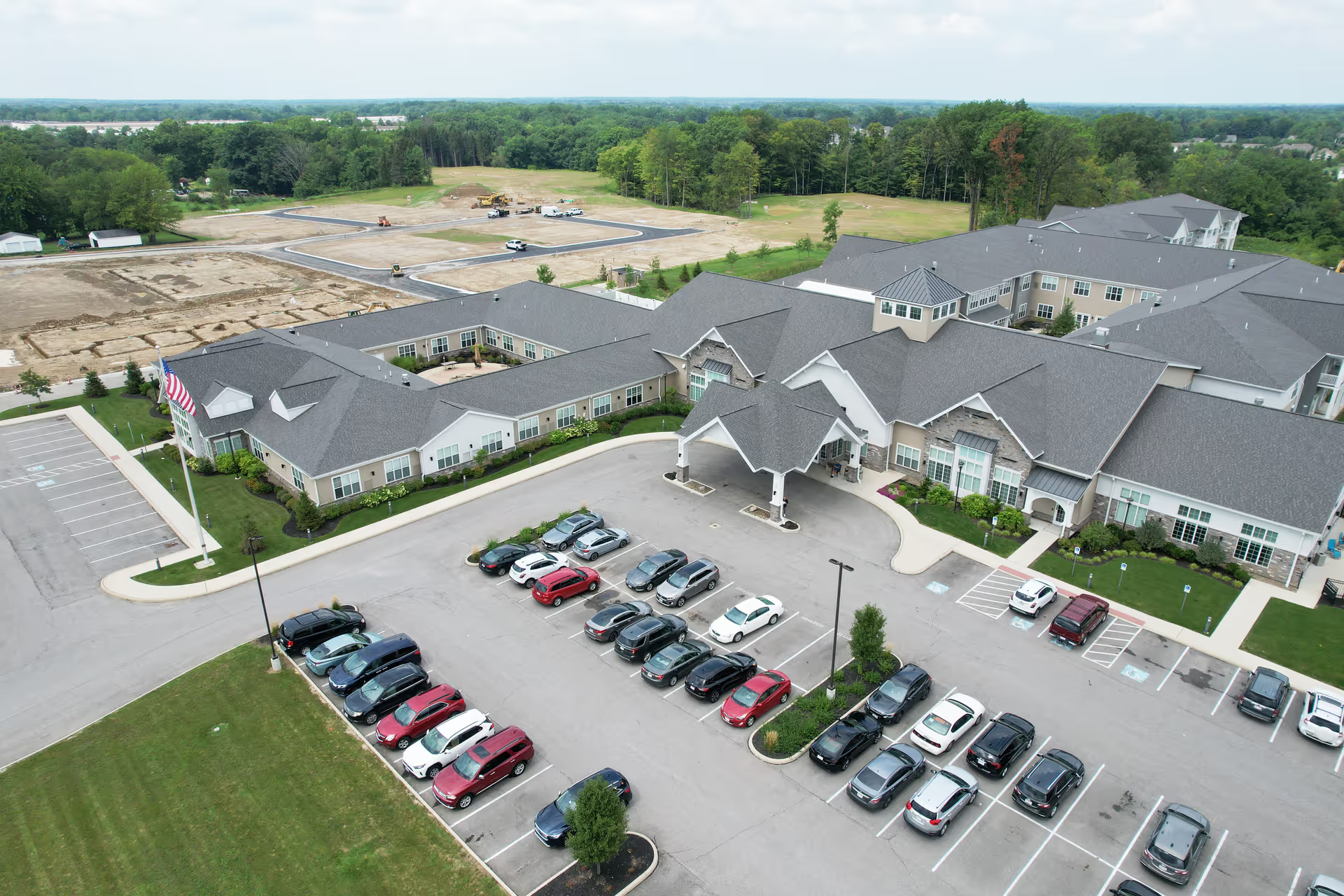
Across the review summaries, Evergreen Gardens Assisted Living & Memory Care is portrayed as a new, boutique residential community emphasizing a home-like atmosphere and high-touch caregiving. Reviewers repeatedly highlight compassionate, family-style interactions and a high caregiver-to-resident ratio that supports individualized care plans and dignity-centered support. The community is described as clean, bright, and modern, with private rooms and en-suite bathrooms, plentiful natural light, and thoughtfully designed common areas that contribute to a residential rather than institutional feel.
Staff quality and management are consistent strengths in the summaries. Comments emphasize welcoming admissions staff, empathetic and attentive caregivers, and hands-on, owner-driven leadership that attends to details. Several reviews call out quick warm impressions during tours and open houses, and multiple mentions of staff “going above and beyond” suggest responsiveness and personalized attention. Memory care and end-of-life services (hospice/skilled care) are referenced alongside assisted living, indicating the facility markets a continuum of residential supports.
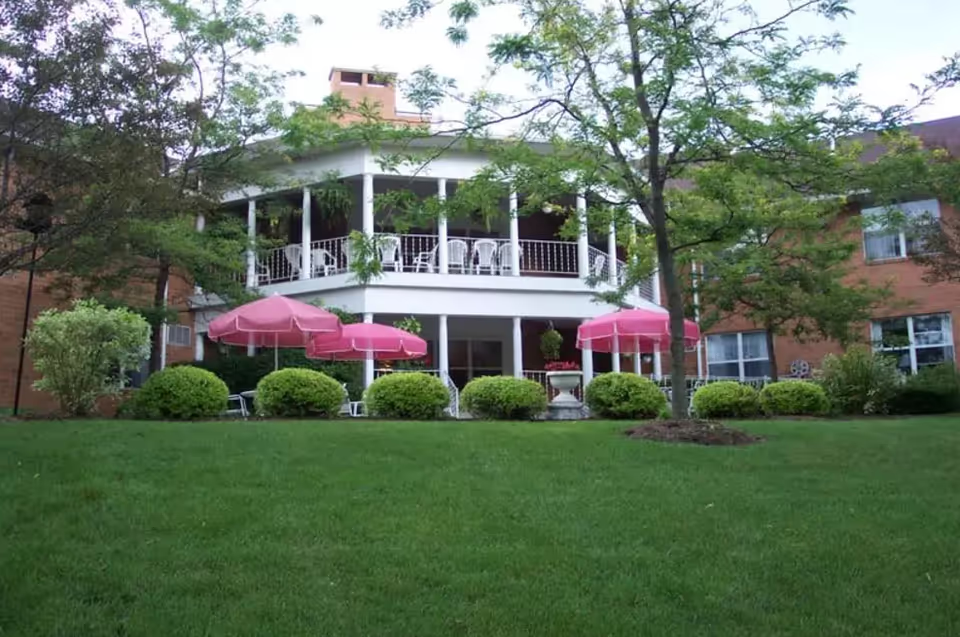
Facilities and programming receive positive attention: a newly built campus with amenities such as a beauty salon, library, arts area, patio and walking path, and organized social offerings like movie nights and bingo. Dining is generally described favorably — tasty, home-style meals and casual dining spaces are noted — but explicit, consistent descriptions of daily menus and full activity calendars are less prominent in the summaries. The small, boutique scale is repeatedly framed as creating a close-knit, family-like community, which many families view as a benefit.
Notable patterns to weigh during a tour or intake discussion are related to the facility’s newness and size. Because Evergreen Gardens is recently opened and operates as a small residential home, there is limited long-term performance history available in these summaries; families should consider this when evaluating outcomes over time. The boutique, low-capacity model can foster close relationships but may also limit the breadth of program options and roommate/peer diversity. Review content also leaves some operational details under-documented in public comments — specifically standardized menu plans, a complete weekly activity schedule, and the full scope of clinical services for very high-acuity needs.
Practical next steps for prospective residents and families: confirm current staffing ratios and on-shift clinical coverage, request sample menus and an activity calendar, ask about waitlist or availability given the small capacity, and clarify the boundaries of on-site clinical services versus those requiring external providers. Overall, the aggregated summaries present Evergreen Gardens as a well-appointed, warmly run boutique community with strong relational care strengths; families should verify the facility’s fit for specific medical or programmatic needs given its recent opening and limited scale.