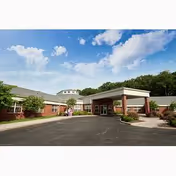
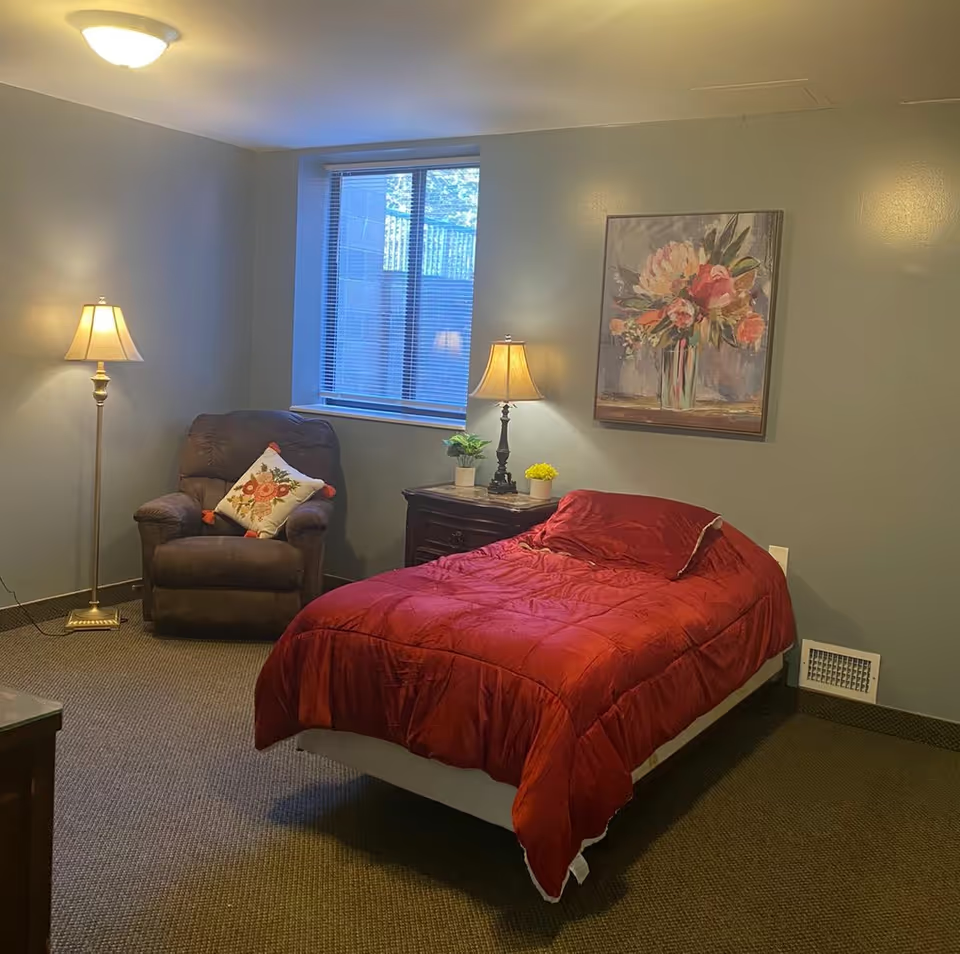
The reviews for this facility are highly polarized: many families and residents praise frontline caregivers and therapy staff, while others raise substantial operational and clinical concerns. Strengths repeatedly cited include compassionate, attentive nurses and aides, an experienced and effective therapy department, engaging activities, and areas of the building that are described as clean and modern. Several accounts emphasize strong family communication, staff who prioritize dignity, and a rehabilitation focus that aims to return residents home.
Care quality appears inconsistent. Positive accounts describe staff who stay with residents, keep families informed, and provide individualized, respectful care. Conversely, other accounts point to delayed assistance responses, delays in clinical assessment, and problems with wound and infection monitoring. These patterns suggest variability in clinical surveillance and in the facility’s ability to consistently identify and escalate developing medical concerns.
Therapy and rehabilitation are among the facility’s clearer strengths: numerous comments highlight skilled therapists and measurable progress in mobility and function. Activities and social programming are also frequently praised for contributing to quality of life. Dining receives mixed feedback — some describe restaurant-quality meals, while others report missed meals or poor meal experiences linked to diet-order management. Prospective families should clarify dietary protocols and observe meal service during a visit.
Facility maintenance and sanitation feedback is mixed. Many reviewers describe clean rooms and common areas and thorough housekeeping, but other accounts indicate sanitation concerns in shared bathing/bathroom areas, odor concerns in limited locations, and equipment-maintenance problems (worn mobility aids and nonfunctional spa/therapy equipment). These inconsistencies point to variability in the maintenance and environmental-control processes rather than a uniform condition across the facility.
Management and administrative practices show variability as well. Praise is given to helpful front-desk and admissions staff in some reports, while other feedback raises concerns about admissions misrepresentation, inconsistent administrative communication, and broader questions about financial controls and regulatory compliance. There are also serious public allegations related to financial misconduct that families should verify with regulating agencies before making decisions.
Safety patterns warrant attention: accounts include falls, emergency transfers, and difficulty obtaining timely assistance. Together with equipment and staffing concerns, these observations suggest the need for careful review of fall-prevention protocols, staffing ratios, and response-time metrics. End-of-life and hospice coordination is another area described as variable; families with hospice needs should confirm the facility’s processes and experience in supporting such care.
Recommendation: prospective residents and families should schedule an on-site visit that includes observing care areas, dining, and bathing spaces; meeting the therapy team and nursing leadership; asking for recent staffing ratios, incident logs, and infection-control practices; reviewing medication-management policies; and checking state inspection history and any regulatory actions. Given the polarized feedback, direct observation and targeted questions will help determine whether the facility’s strengths align with a given resident’s clinical and quality-of-life needs.