Canterbury Senior Care presents a mixed profile: it receives strong praise for hands‑on nursing, rehabilitation, wound care and social services, while also drawing criticism for several operational and communication gaps. Positive accounts emphasize committed caregivers, effective rehab and respiratory therapy, a dedicated social worker, a clean environment, active programming, and an admissions team that families found helpful. Several families described meaningful clinical recoveries and good relationships with nurses, aides and therapists, which contributes to a perception of high‑quality rehabilitative care and resident engagement.
Clinical quality appears to be uneven. Many reviewers praised individualized care plans and successful outcomes for complex needs such as advanced wound management, but others raised concerns about inconsistent medication and pain management, delays in physician/NP follow‑up, and gaps in care coordination. There is at least one serious allegation of harm related to a suctioning procedure that reviewers said led to airway trauma; this underscores that some families encountered care‑process failures for high‑risk tasks. Prospective families should inquire about current clinical oversight, staff training, and recent incident follow‑ups when evaluating the facility.
Staffing and management perceptions vary. Numerous comments describe compassionate, professional, and hardworking staff who are engaged with residents, while other comments point to high turnover, episodes of unprofessional conduct, and defensive responses when concerns are raised. Several reviewers noted limited weekend and overnight coverage (including front‑desk availability and nighttime checks), which aligns with reported gaps in monitoring and responsiveness during off hours. Leadership responsiveness and incident escalation processes were described as inconsistent; families recommended clarification of accountability and complaint‑resolution pathways.
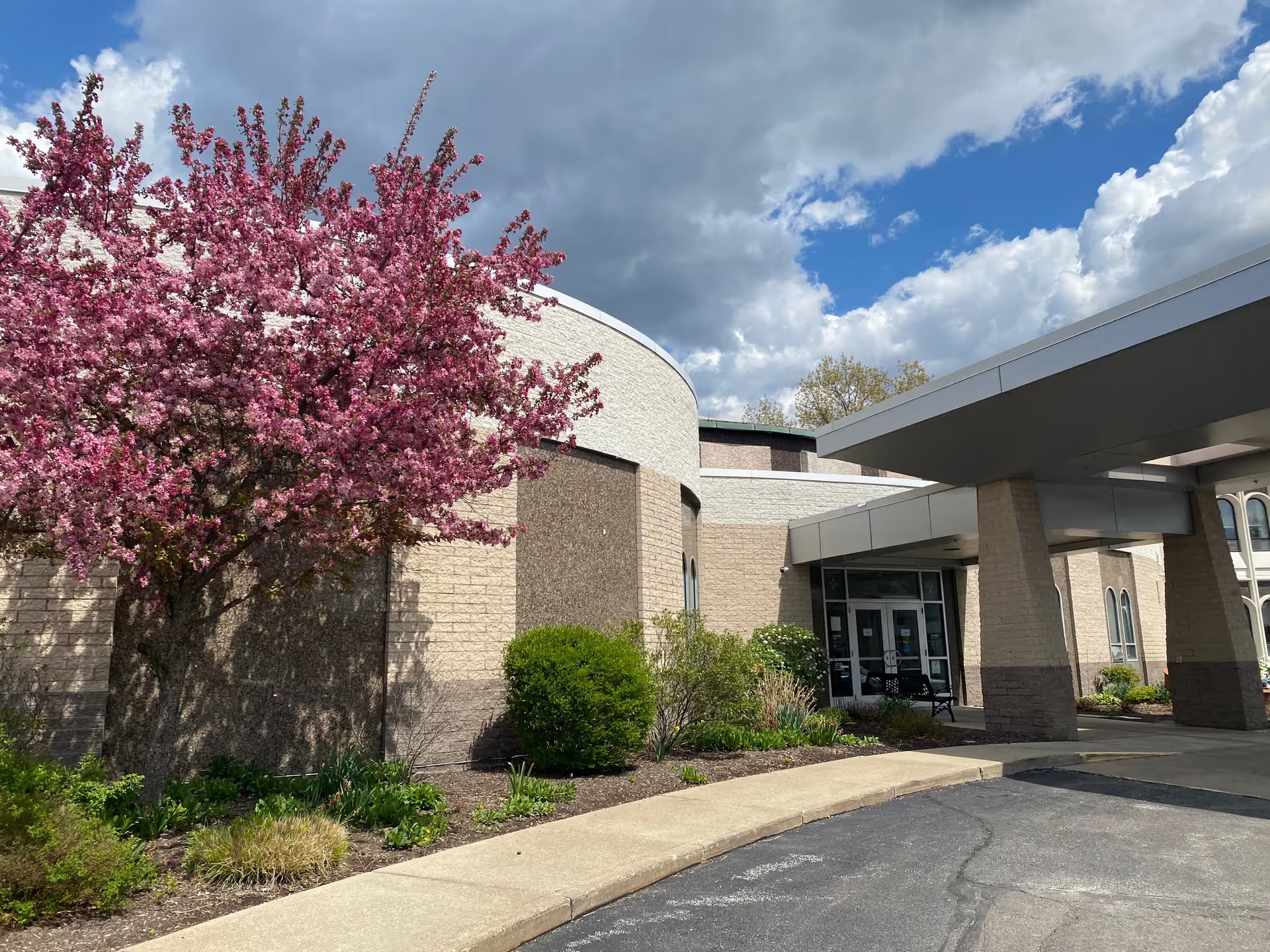
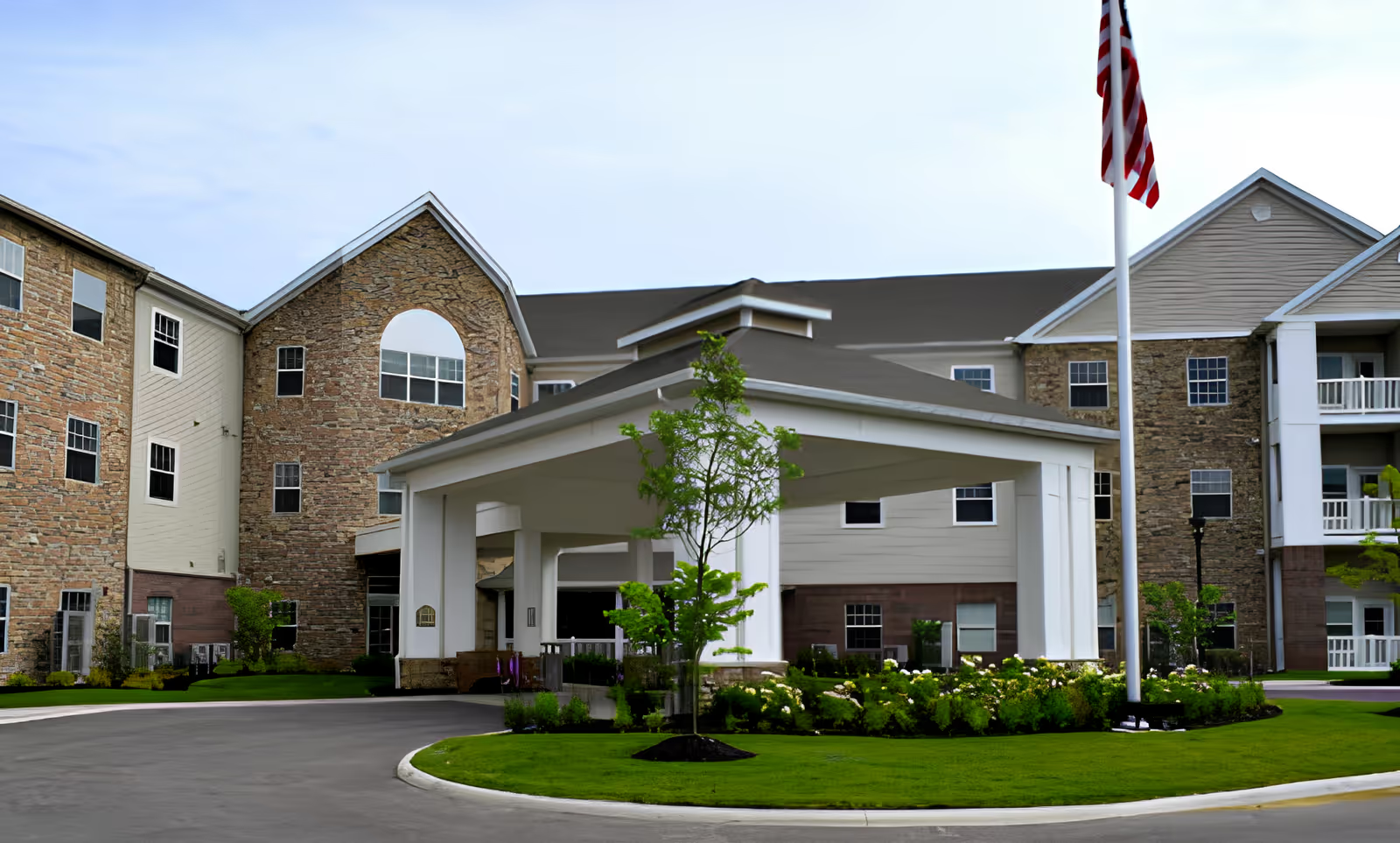
Dining, facilities and daily living also show mixed signals. The facility is often described as clean and attractive, with engaging activities and improvements to communal spaces. Many families praised meals and the on‑site equipment available for rehabilitation. However, there are specific sanitation and food‑safety concerns (for example, issues cited in food storage areas and inconsistent refrigerator maintenance), along with complaints about meal timing, snack availability and occasional lapses in room climate or in‑room amenities. These operational inconsistencies may affect day‑to‑day comfort for some residents.
Overall pattern and guidance: Canterbury offers clear strengths in rehabilitation, respiratory support, social work and resident programming, and many families experienced positive outcomes and caring staff interactions. At the same time, reviewers identified recurring operational weaknesses in communication, night/weekend coverage, procedural adherence for certain clinical tasks, sanitation oversight, and administrative practices (including billing). Families considering Canterbury should balance the facility’s clinical and programmatic strengths against these variability signals. Recommended questions for a tour or admissions conversation include: current staffing ratios (day vs. night/weekend), protocols for high‑risk procedures and clinician follow‑up, incident escalation and transparency practices, recent sanitation audits, and the facility’s approach to medication and pain‑management consistency.