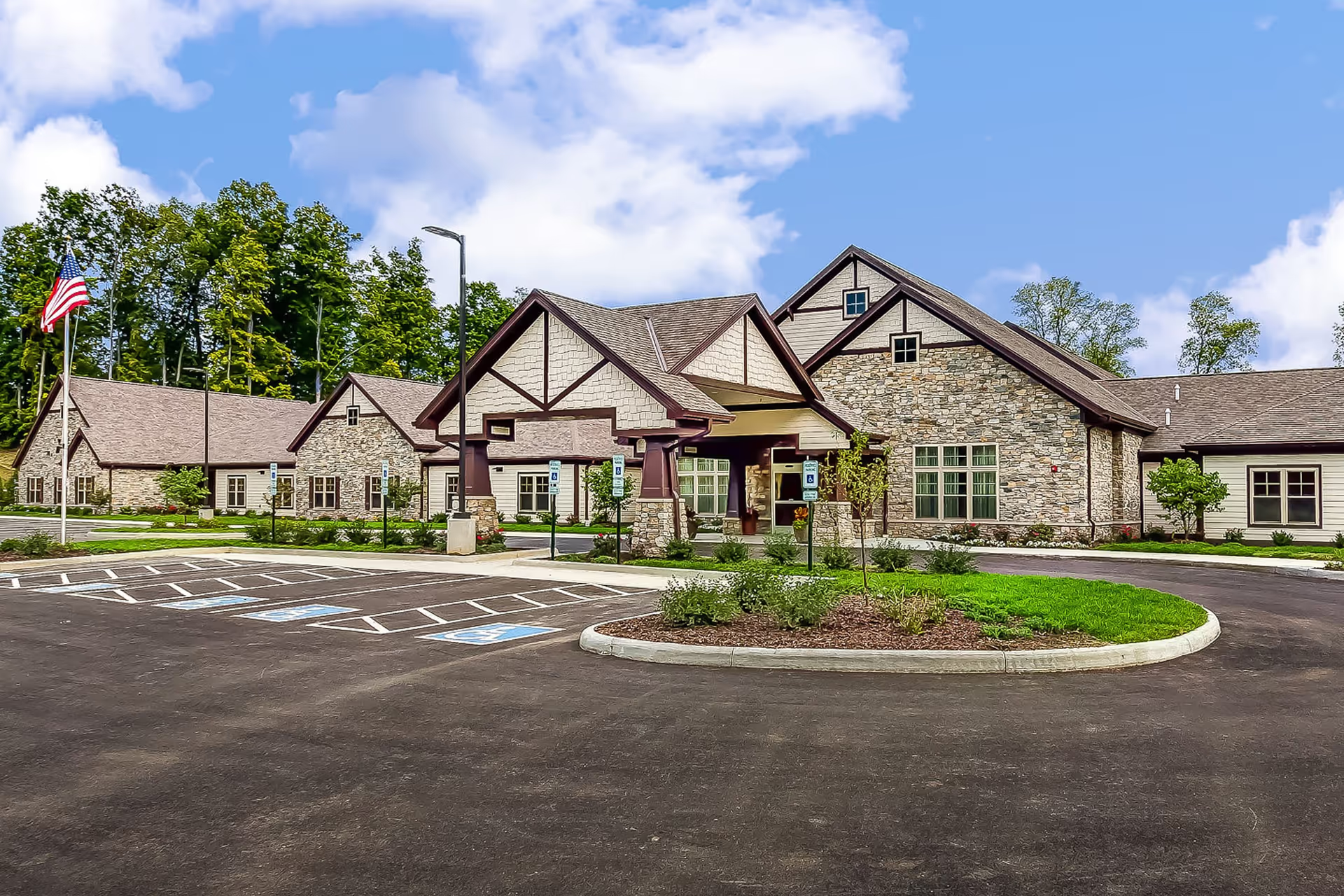
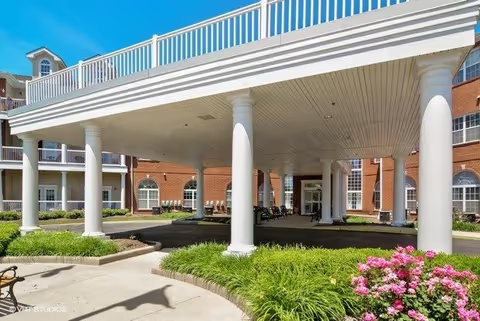
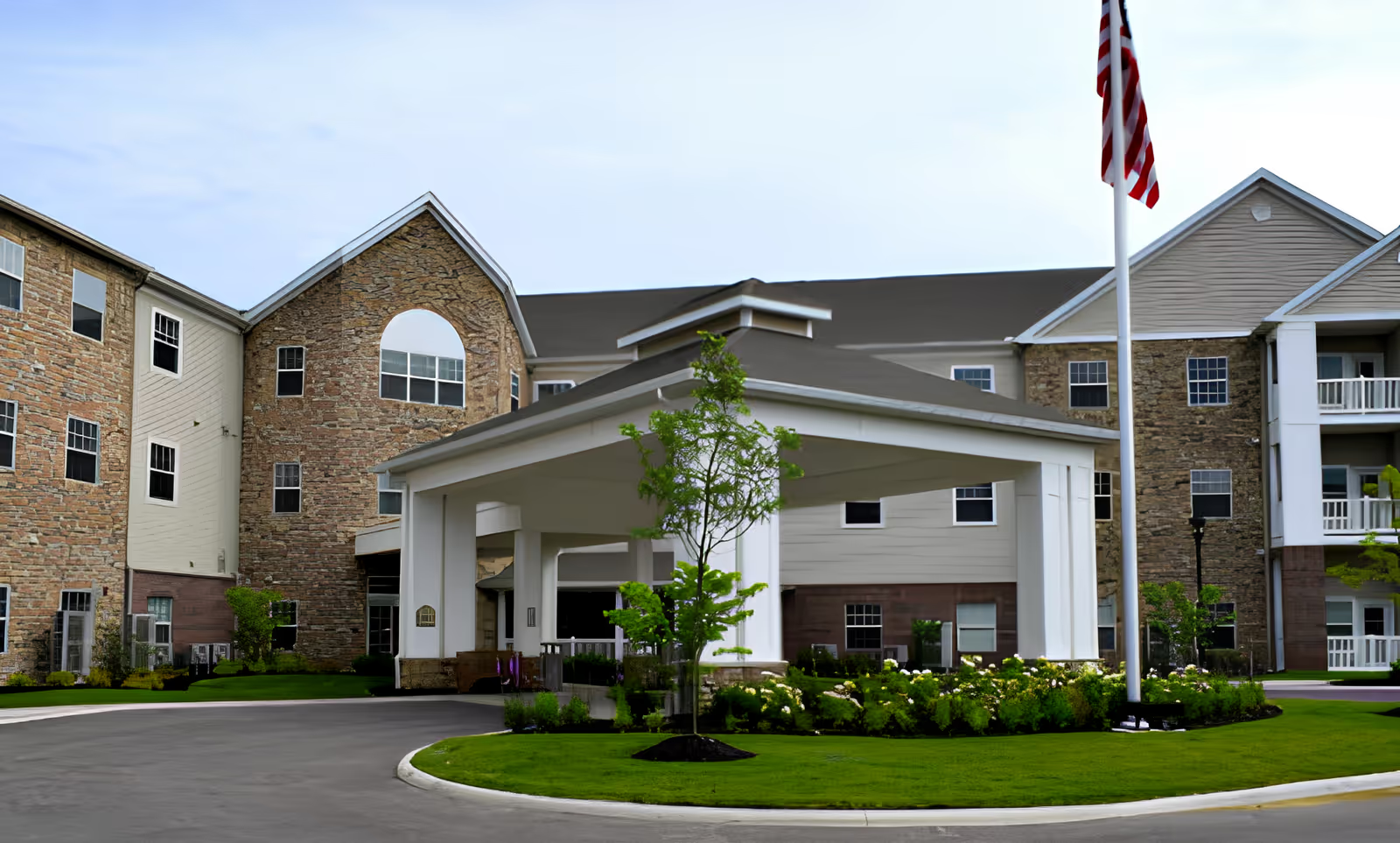
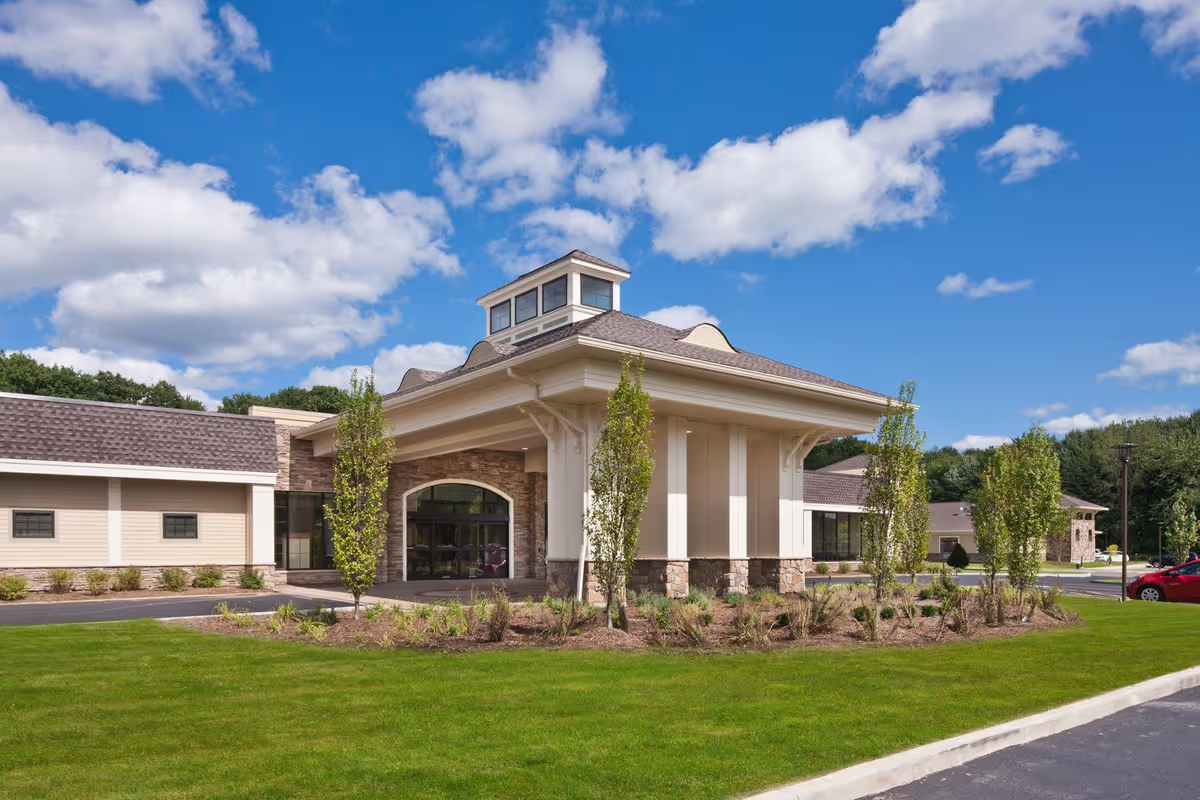
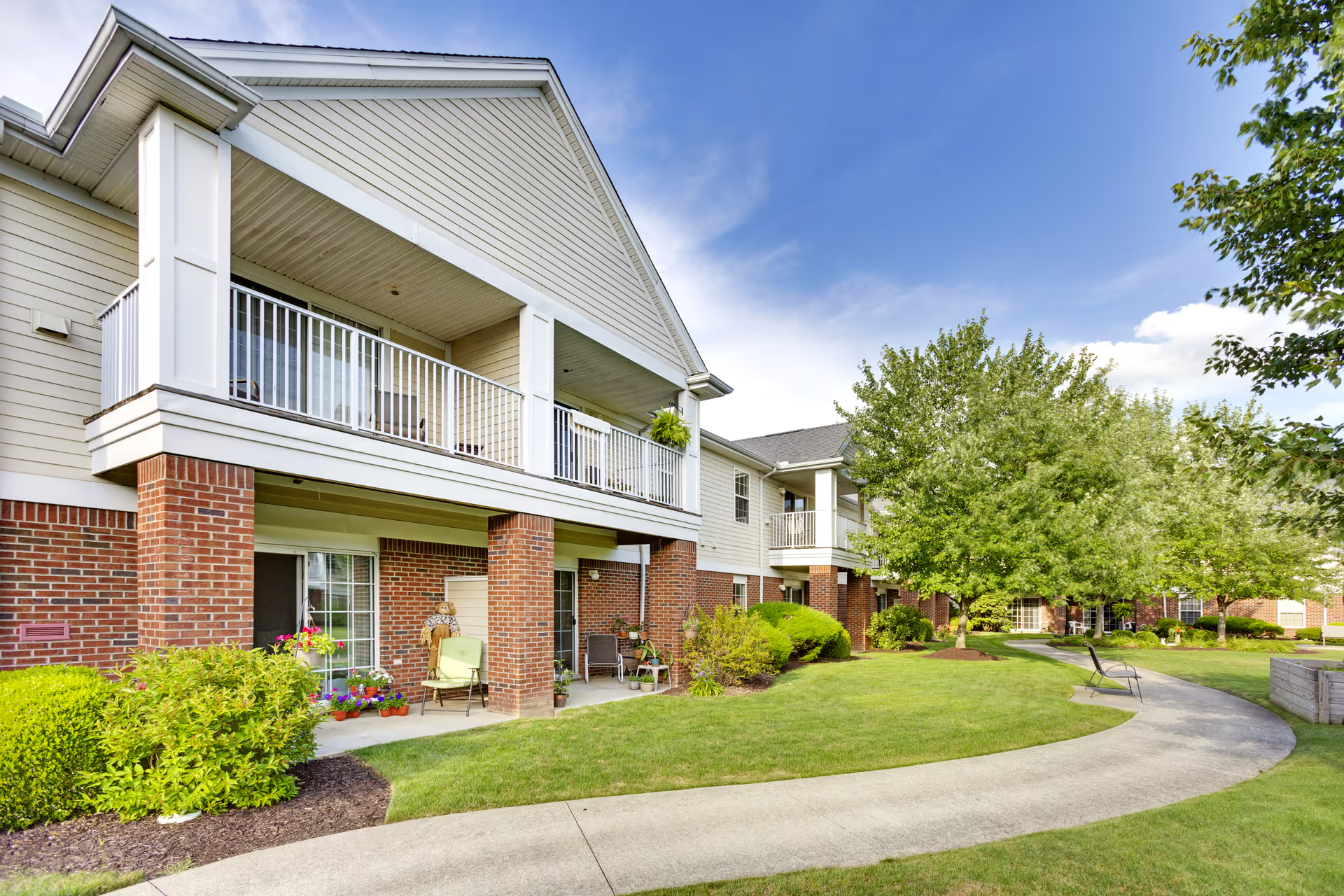
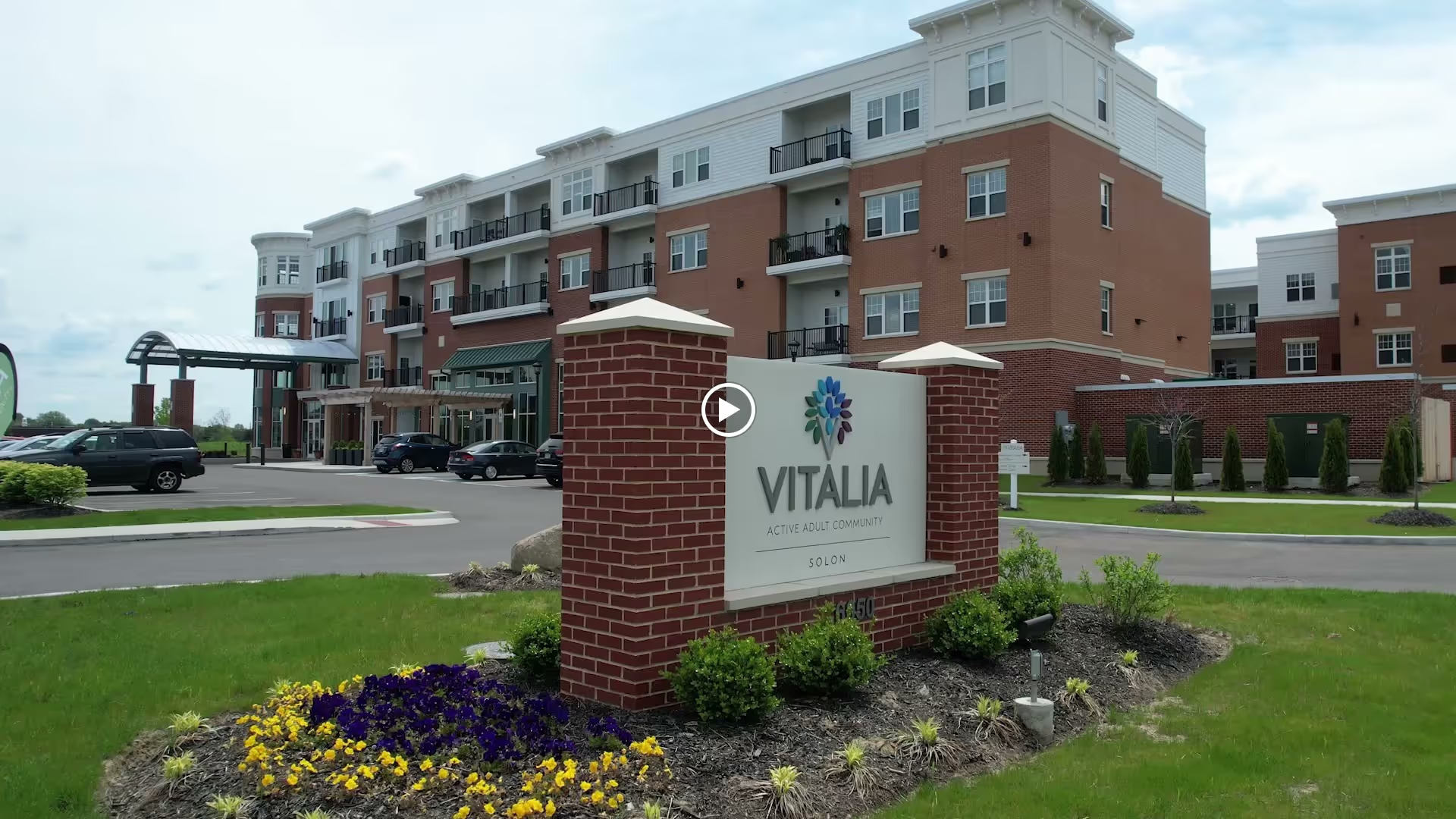
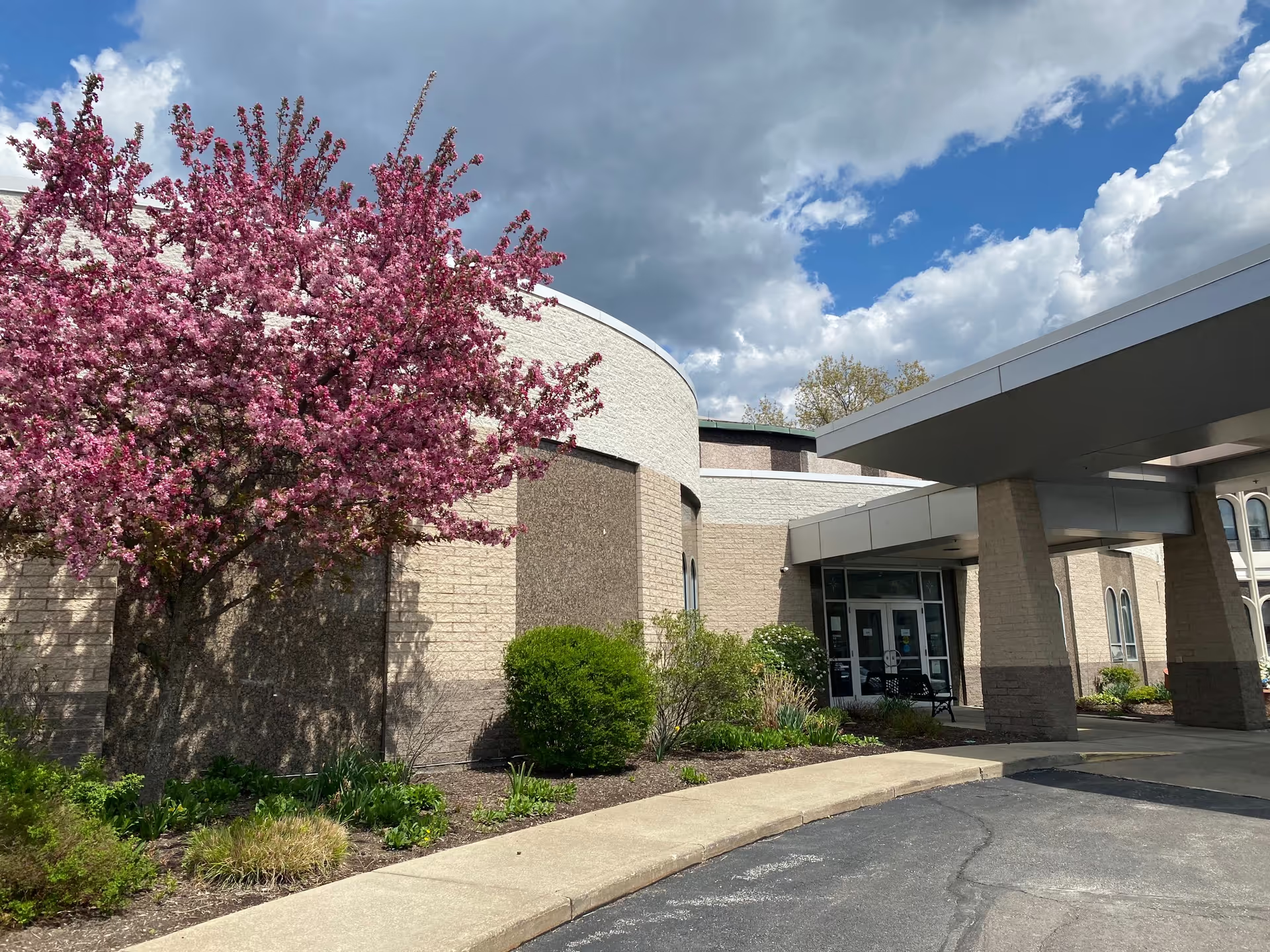
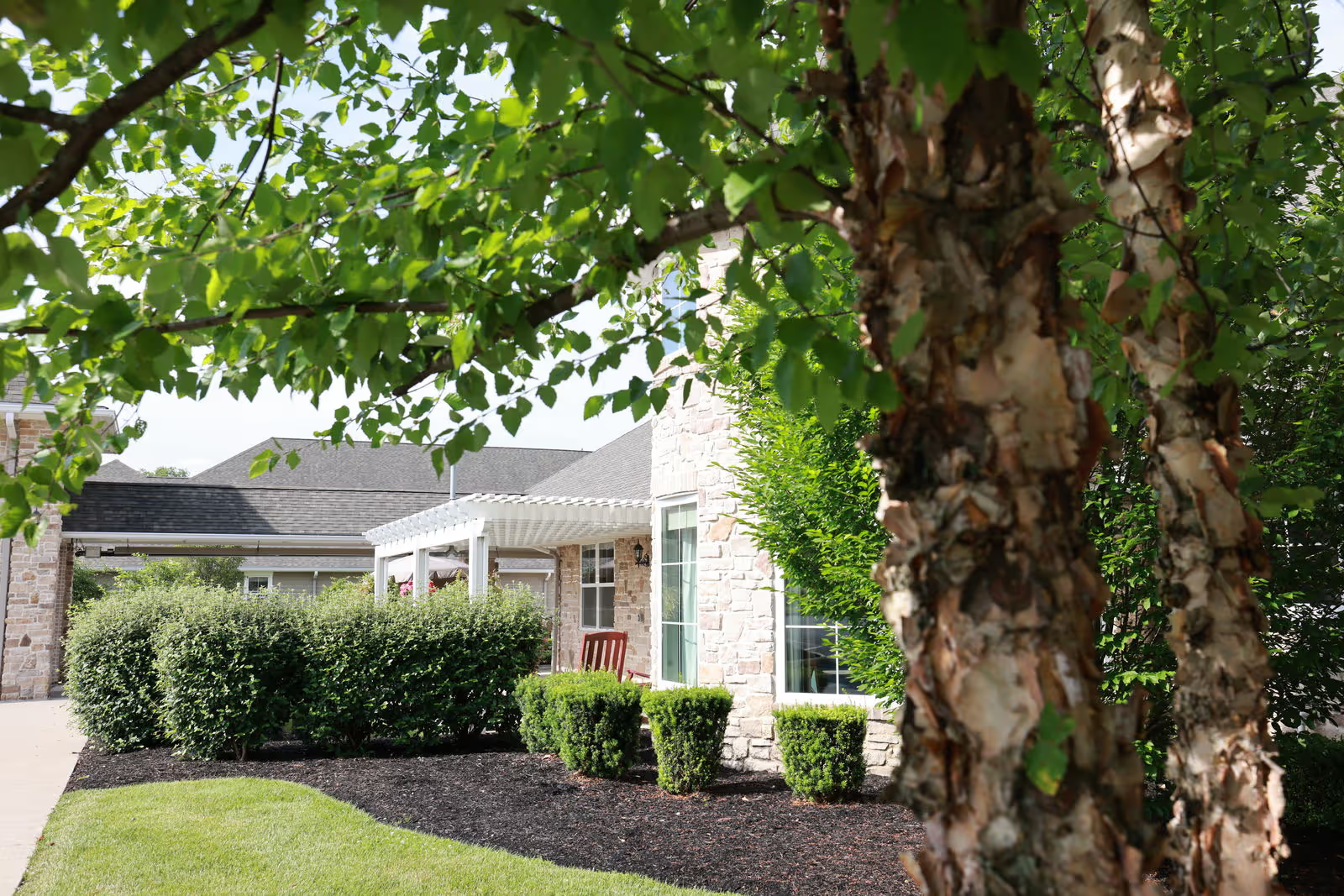
Reviews of Sprenger Health Care Grande Village present a strongly mixed picture. Many families and residents praise the physical and occupational therapy programs, hospice and chaplain support, and a subset of nursing and aide staff who are described as attentive and compassionate. The facility’s physical environment is frequently noted as a strength: newer construction or well-maintained buildings, large private rooms, outdoor areas, and a range of on-site amenities (memory-support unit, social spaces, parking) are cited favorably. Admissions and some social-services staff receive positive mentions for helping with benefits and transitions.
At the same time, recurring operational weaknesses stand out across the feedback. Chronic understaffing, frequent staff turnover, and periodic leadership changes are linked to inconsistent clinical care, delayed responses to call buttons and emergencies, and gaps in follow-up on medical or wound issues. Several reviewers described medication and pharmacy delays, problems with following physician orders, and inconsistencies in hands-on nursing care; these comments point to uneven clinical oversight and care continuity. Reliance on temporary or day-labor aides is described as contributing to variable day-to-day service quality.
Dining and mealtime service are another area of divergence. Some families found the food acceptable or good, while others described poor meal quality, long delays, and inadequate accommodation for therapeutic diets or residents with chewing/swallowing needs. Activities programming receives positive remarks for outings, events, and entertainment in many accounts, yet a subset of reviewers reported limited activity options after admission or boredom among residents, suggesting inconsistent programming depending on unit or staffing levels.
Communication and administrative responsiveness appear to be inconsistent. Several reports highlight helpful, visible administrators and strong admissions staff; others describe poor communication with families, failures in discharge planning, unanswered calls, and unresponsiveness from management during critical incidents. There are also sanitation and odor concerns in some areas and reports that suggest weaknesses in housekeeping or incontinence-care practices. Allegations of billing irregularities and property-security problems (including inventory/belongings handling) were raised in a few reviews, which would warrant investigation by families or oversight entities.
In summary, the facility exhibits clear strengths in rehabilitation services, hospice support, amenities, and the performance of many individual staff members. However, persistent themes of understaffing, turnover, inconsistent nursing practice, communication breakdowns, and variability in dining and activities indicate operational gaps that can materially affect resident experience and safety. Prospective residents and families should weigh the facility’s therapy and environmental advantages against these operational concerns, ask specific questions about staffing ratios, clinical oversight, therapeutic-diet management, incident-response protocols, and billing/property controls, and seek recent, facility-specific information from management and regulators before deciding.