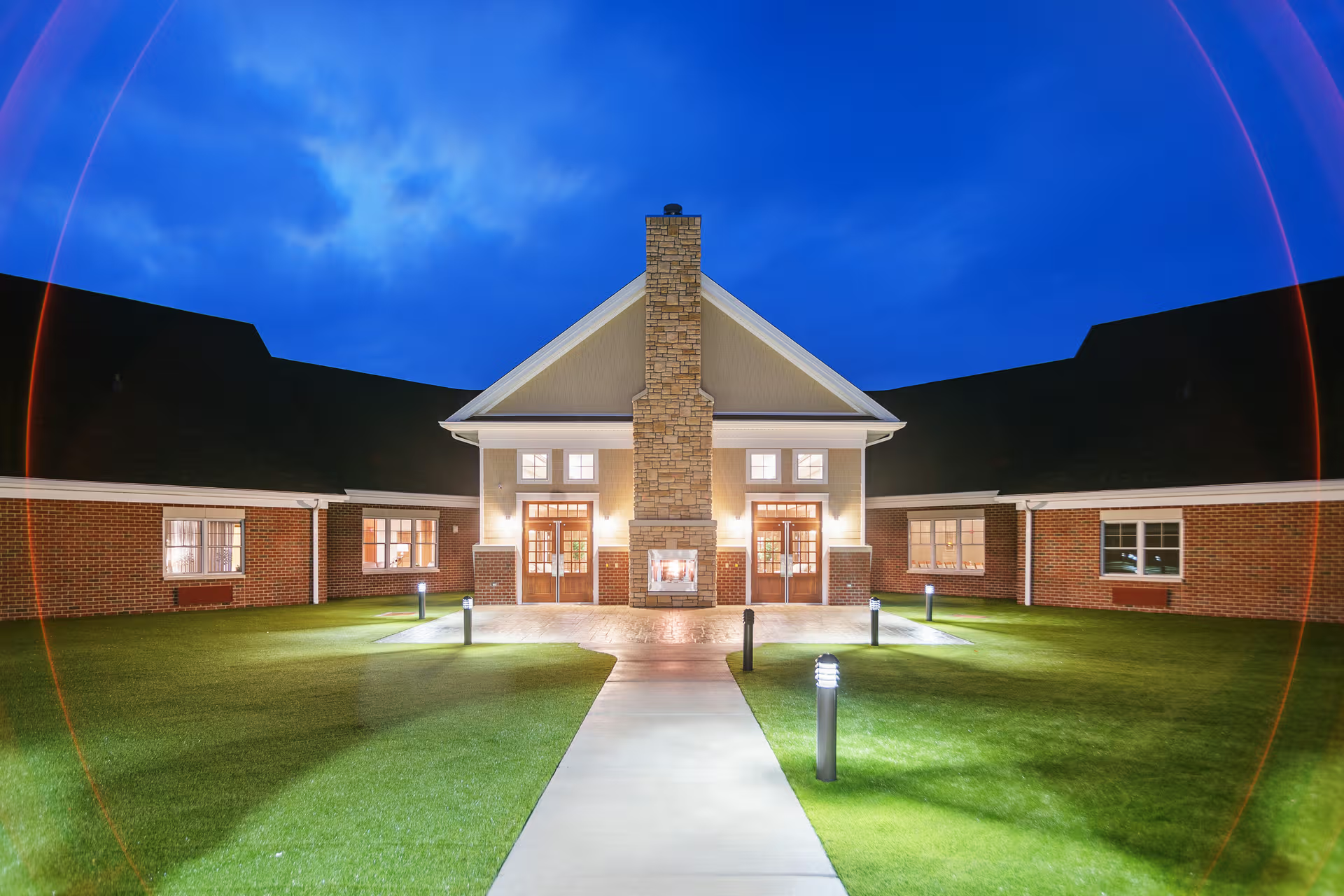
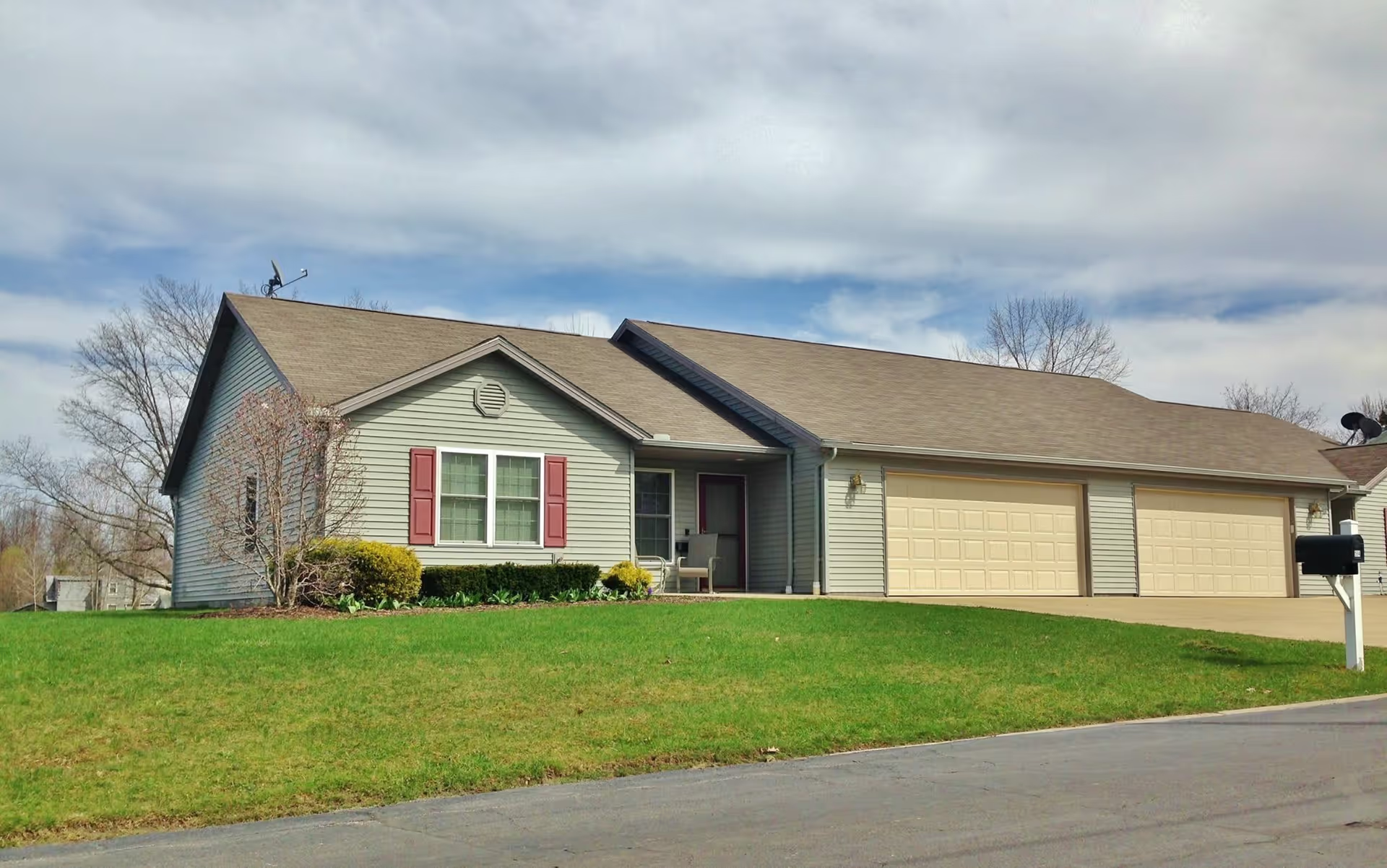
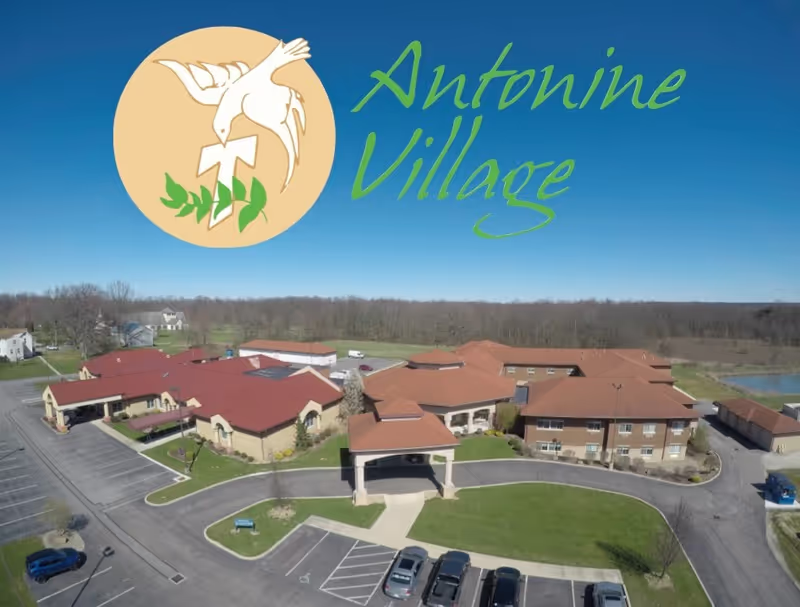
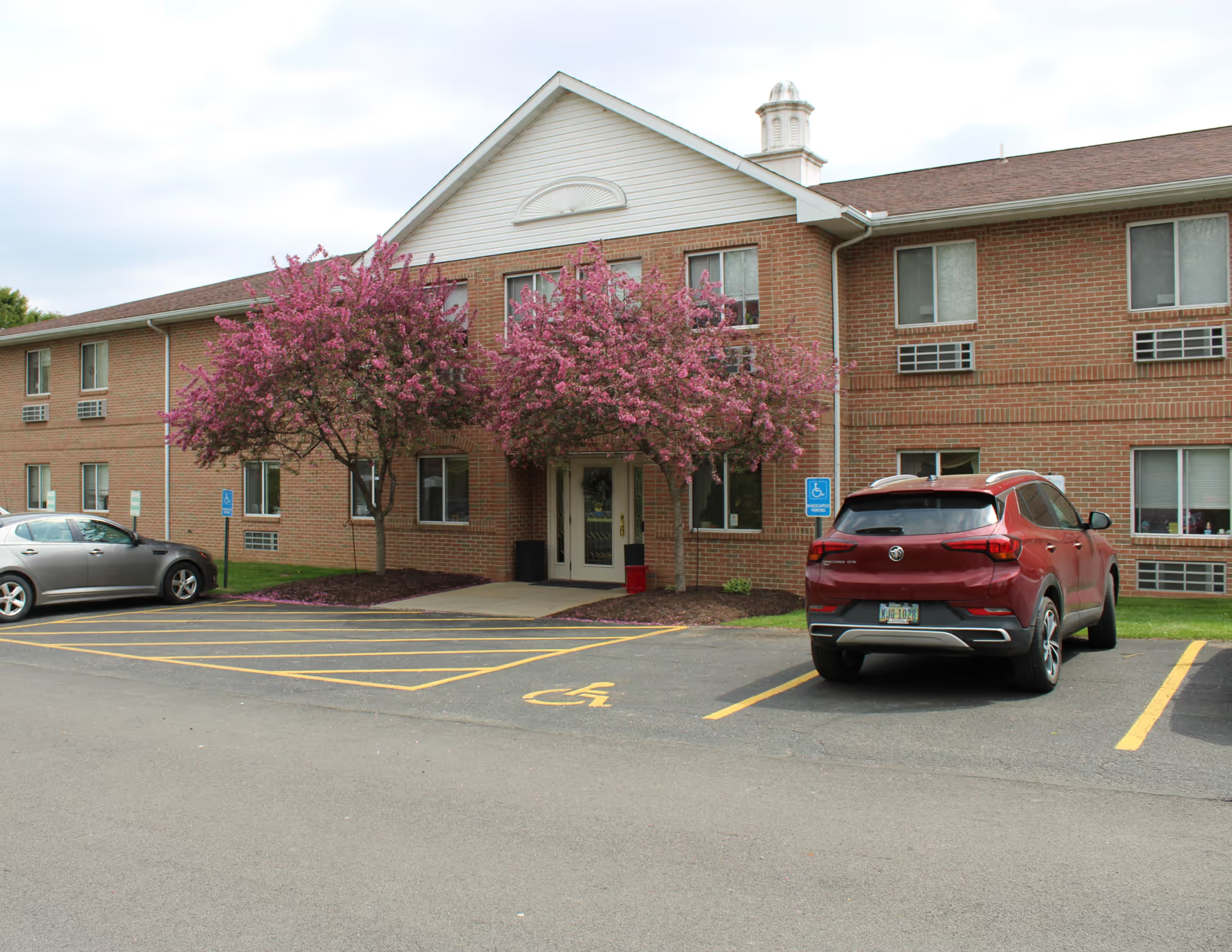
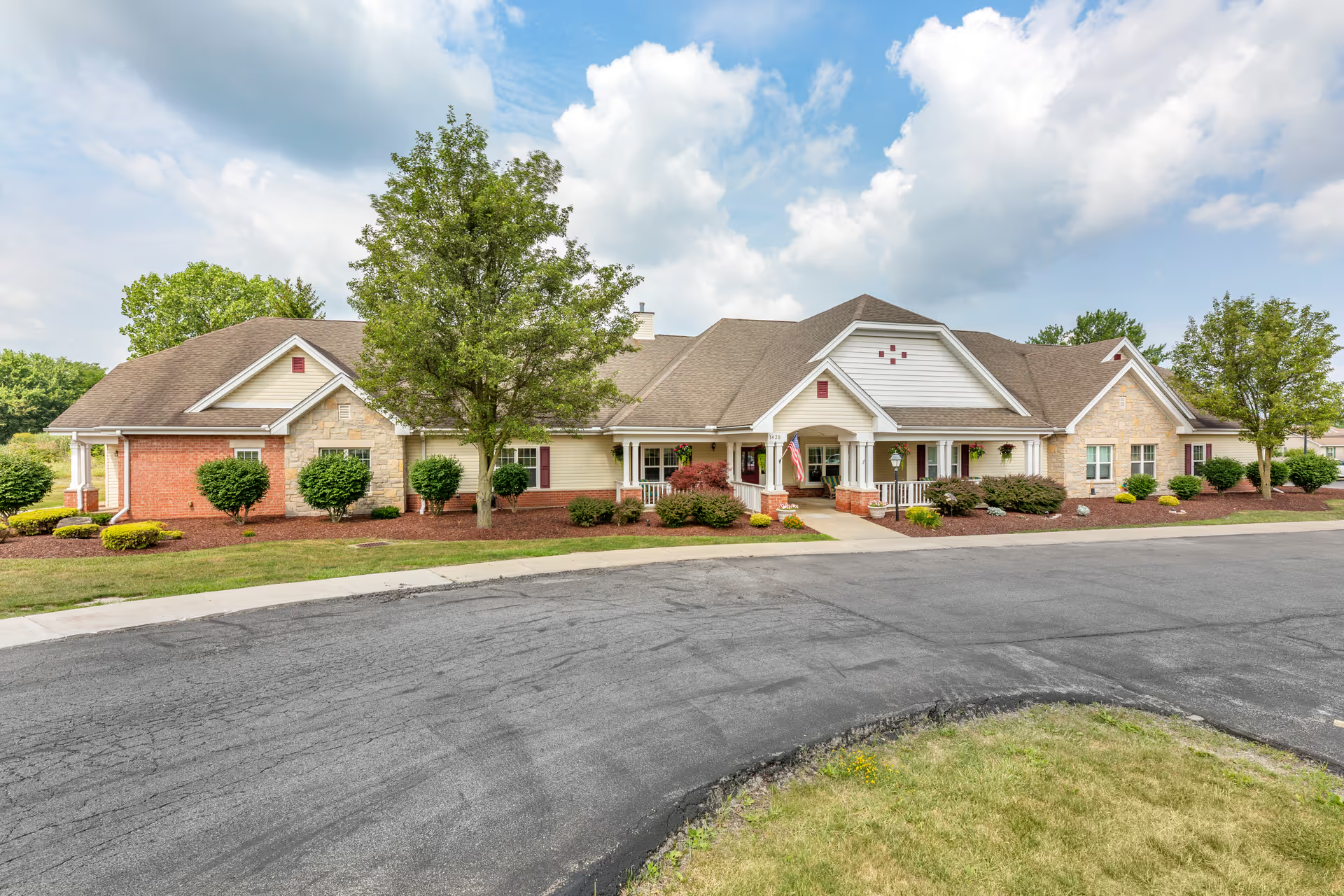
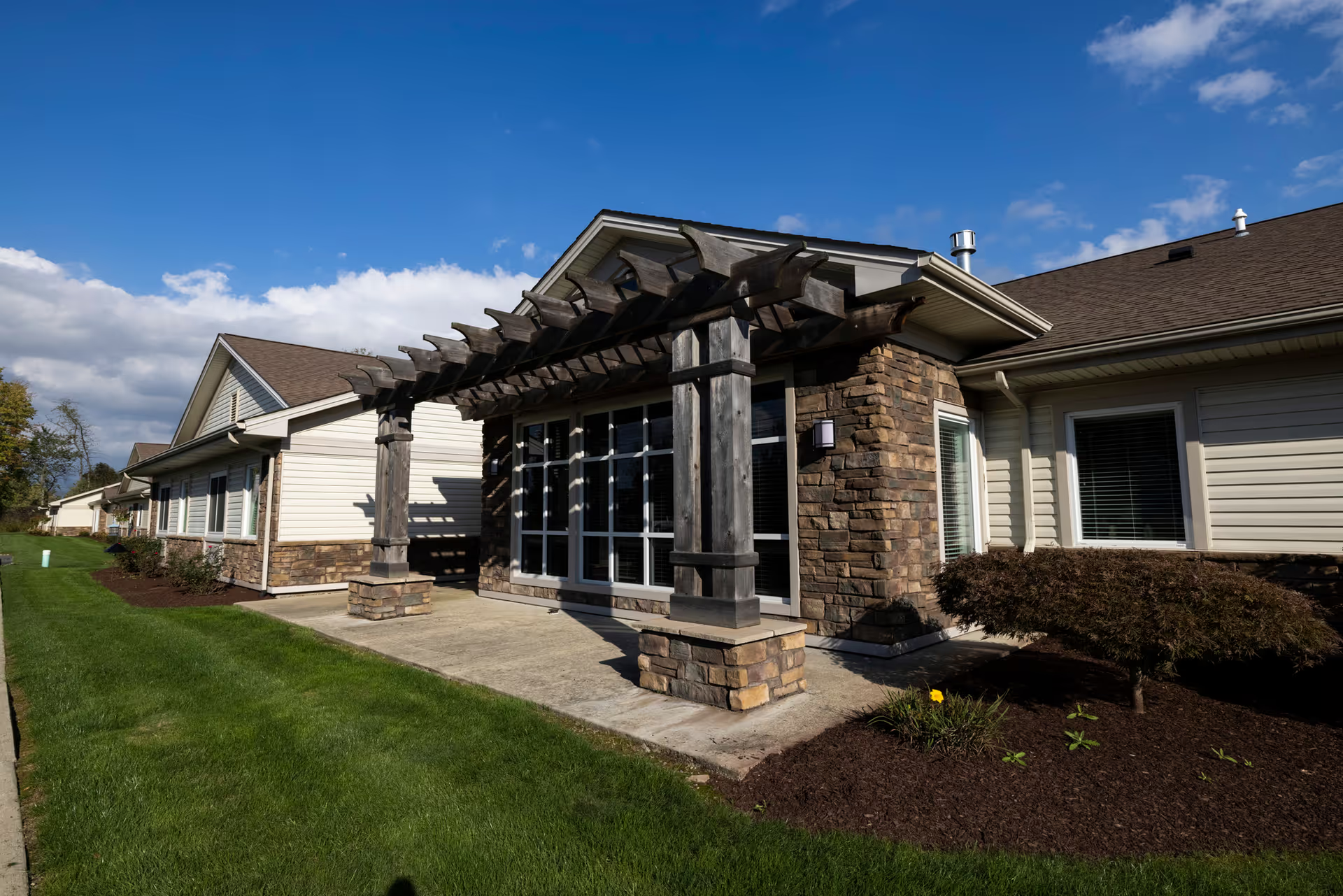
Reviewers describe a facility with notable strengths in rehabilitation, social programming, and certain hospitality elements, alongside recurring operational weaknesses. The on-site physical and occupational therapy services and short-term rehabilitation programs receive consistent praise; several family members highlighted effective PT interventions and goal-oriented endurance work. Assisted-living areas and newly updated sections are often described as clean, welcoming, and more comfortable, with restaurant-style dining rooms, a beauty salon, separate laundry, and outdoor gardening spaces that contribute to a community atmosphere.
Staff interactions are frequently cited as a positive: many reviews mention friendly, caring, and long-tenured employees who engage residents in activities, music, puzzles, and worship services. Dining is also a clear strength in many accounts — multiple reviewers praised varied menus, adequate portions, and the ability to provide diabetic and low‑cholesterol options. Shared social spaces and programmed activities support resident engagement and a homey feel in parts of the campus.
However, a number of operational concerns recur across reviews. Staffing levels and responsiveness are described as inconsistent, producing slow assistance times and delayed clinical responses. Several comments indicate gaps in frontline clinical training and communication, with specific examples of confusion about respiratory equipment and inconsistent medication administration; these items point to broader quality-control and staff-education needs. Families also raised issues about monitoring and fall-prevention practices, and about inconsistent attention to catheter care and other clinical safeguards.
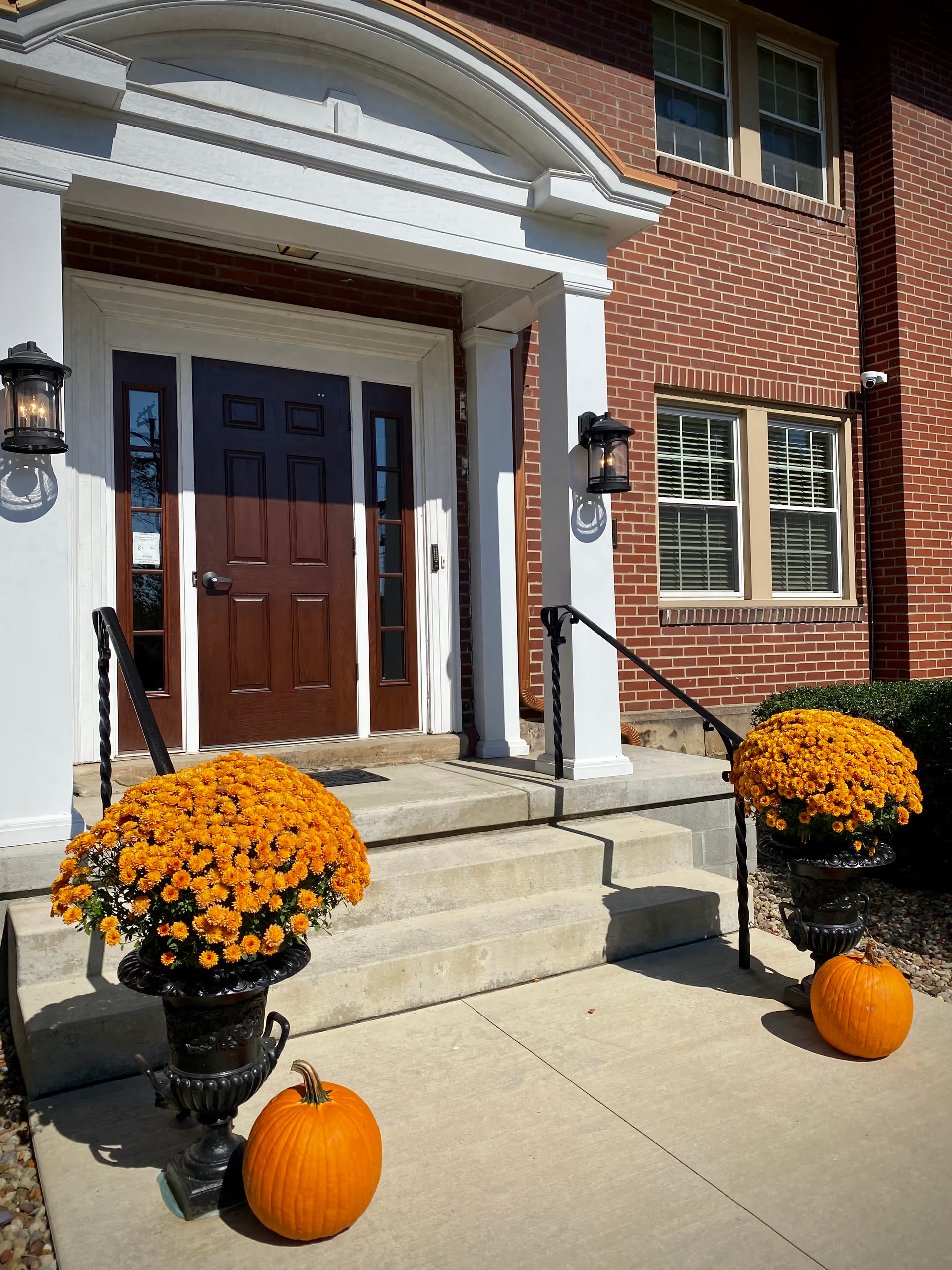
Facility condition and unit-level variability are additional themes. While parts of the facility have been remodeled and are described as updated and clean, other areas are characterized as dated, with water-damage and maintenance needs. Memory-care and some higher-acuity units are associated with sanitation and supervision concerns. The floor-plan and resident placement practices — including small double-occupancy rooms and mixed-acuity grouping — were noted as creating privacy and space limitations for some residents.
Communication and management practices attracted mixed feedback. Positive experiences with staff coexist with critiques of family communication, hospice coordination, and perceived prioritization of financial or occupancy goals over individualized care; there are isolated allegations related to billing and admissions conduct that families found troubling. Infection-control consistency and dietary accommodation for specific needs (for example, high-fiber requirements) were mentioned as areas for improvement.
In summary, the facility offers solid rehabilitation services, a strong social and dining program in many areas, and caring staff in numerous departments. Prospective residents and families should weigh those strengths against recurring operational concerns: staffing and responsiveness, variable clinical training and medication processes, unit-level cleanliness and maintenance variability, and limited privacy in some room configurations. For short-term rehab stays the facility appears to perform well; for long-term, higher-acuity, or memory-care needs families may want to request documentation of staffing ratios, clinical protocols, infection-control policies, and recent inspection or remediation actions before deciding.