The reviews present a mixed but distinct pattern: many families highlight strong clinical and rehabilitative care alongside a number of operational and environmental concerns. Positively, reviewers frequently describe compassionate nursing, responsive therapists, and a restorative therapy program (PT/OT/speech) that supports successful short-term recoveries. The facility’s family ownership and visible involvement by the co-owners are repeatedly cited as a source of personalized attention—examples include arranging special equipment, organizing celebratory meals, and providing small personal touches such as flowers and warm blankets.
Staff culture is a clear strength in many accounts. Several families emphasize warm, personable interactions, above-and-beyond effort from therapists and nurses, and a homelike atmosphere that helps residents and families feel reassured. Rehabilitation care and activity programming are often described as engaging and helpful to recovery. Dining is generally viewed positively; reviewers note reasonable meals and willingness by staff to provide substitutions or accommodate special meal arrangements.
Counterbalancing those strengths are persistent operational weaknesses. Staffing inconsistencies and coverage gaps are a recurring theme, which reviewers connect to lapses in direct-care responsiveness (for example, delayed assistance, inattentive aides, or staff distraction during duty). Multiple accounts raise concerns about transfer safety and mobility practices, suggesting the facility should be queried about lift protocols and staff training. Personal-care scheduling is also inconsistent in some reports, with specific mentions of delayed or missed bathing.
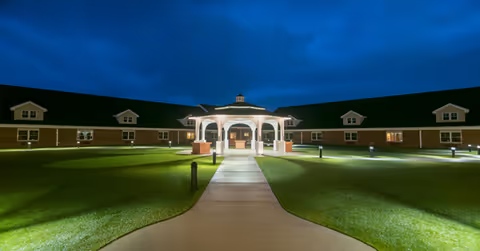
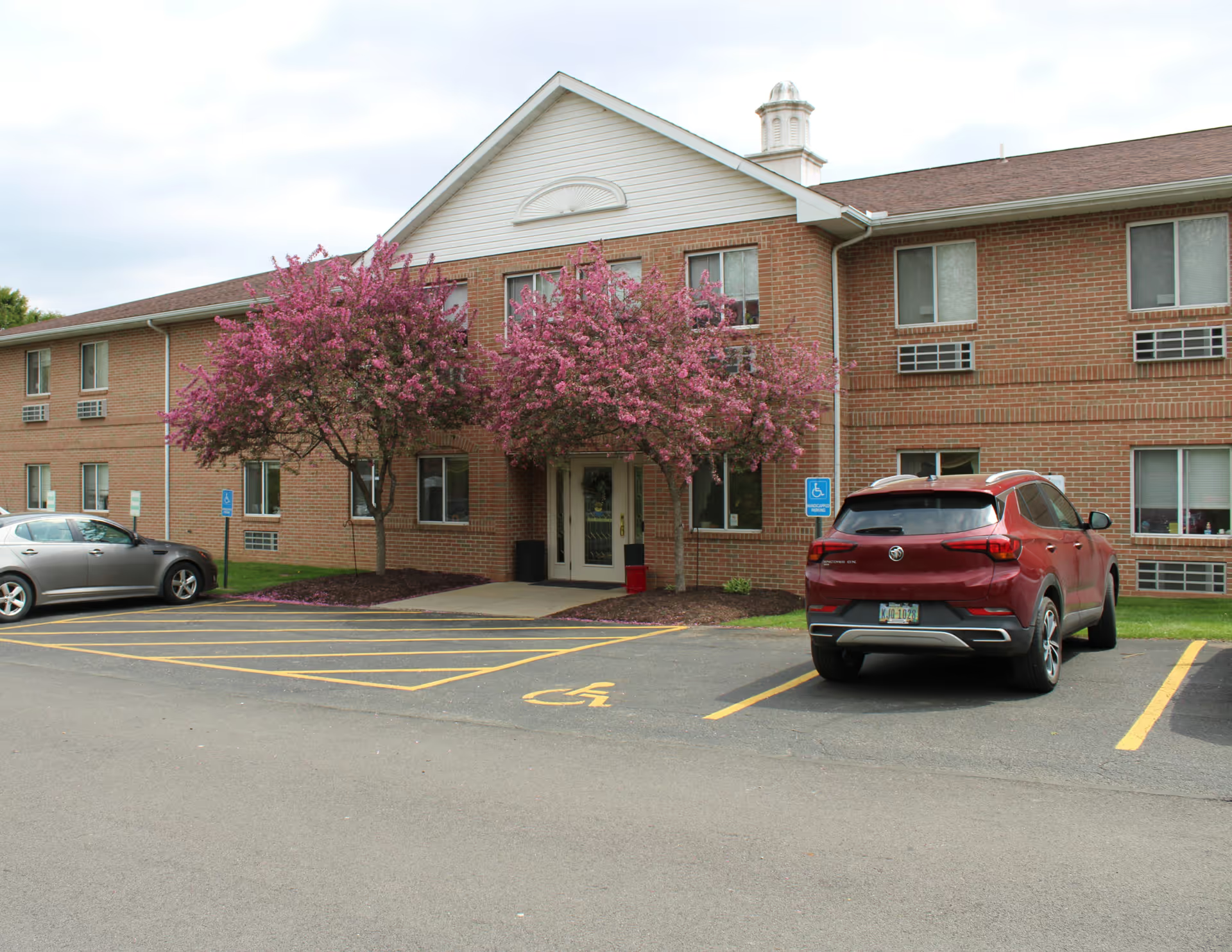
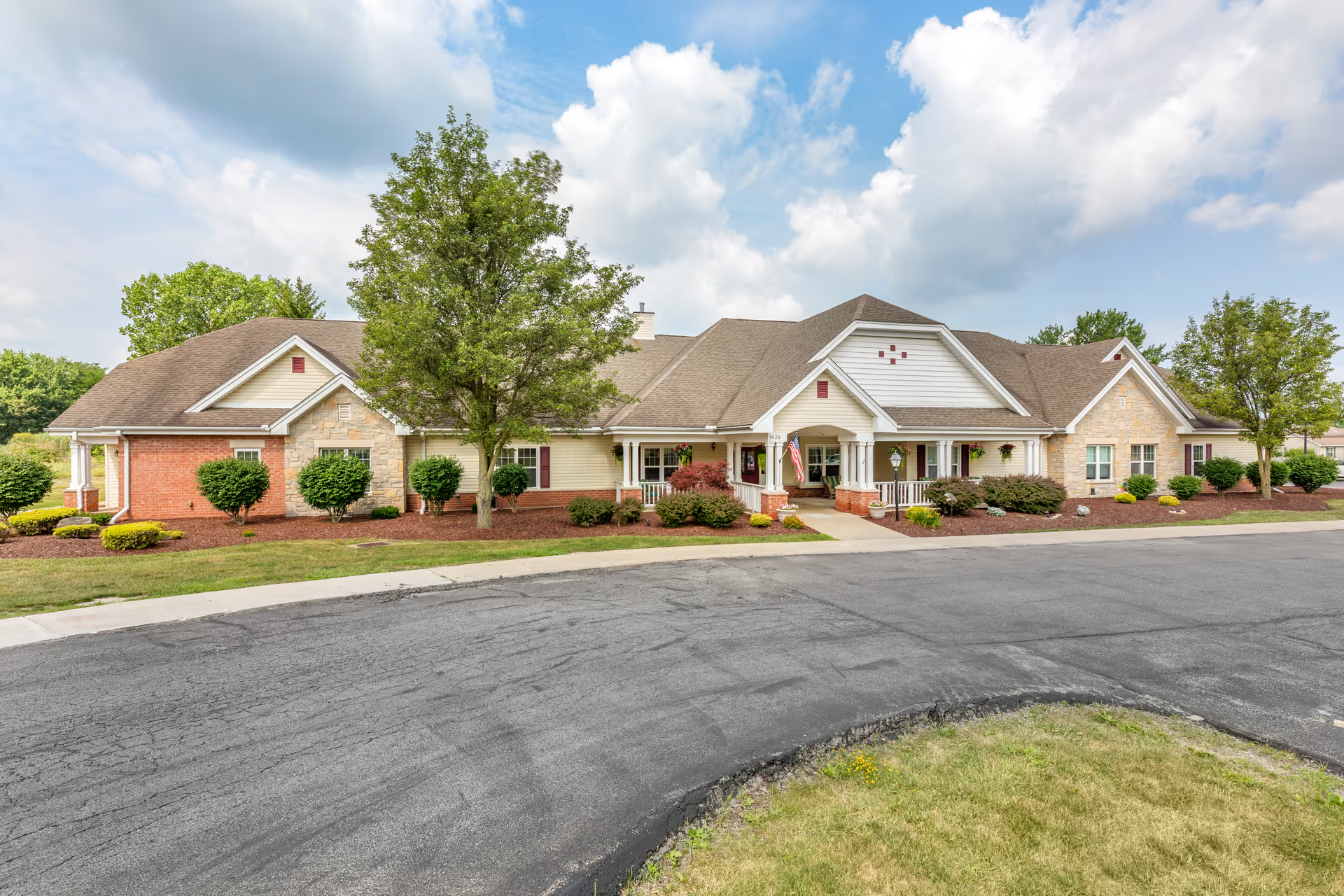
The physical plant and management practices show variability. The building is described as older and in need of maintenance in multiple accounts; while common areas are often kept clean, several reviewers detail inconsistent room- and bathroom-level housekeeping. A permissive approach to indoor smoking and uneven enforcement of policies was noted and may be important for prospective residents with respiratory sensitivities. Management and communication receive mixed marks: some families praise hands-on leadership and clear, compassionate communication, while others describe abrupt discharge procedures, poor phone manners, or unhelpful responses from administration.
Overall, the facility appears to provide strong rehabilitative and nursing care for many residents, supported by a caring staff and family-owned management that will sometimes go beyond routine expectations. At the same time, operational concerns—particularly around staffing reliability, hands-on caregiving practices, transfer safety, housekeeping consistency, and facility maintenance—are significant enough that prospective residents and families should investigate those areas directly during a tour. Recommended topics to address when evaluating the facility include staffing ratios, lift/transfer protocols and training, bathing and personal-care schedules, medication documentation processes, smoking policy enforcement, and discharge/communication procedures.