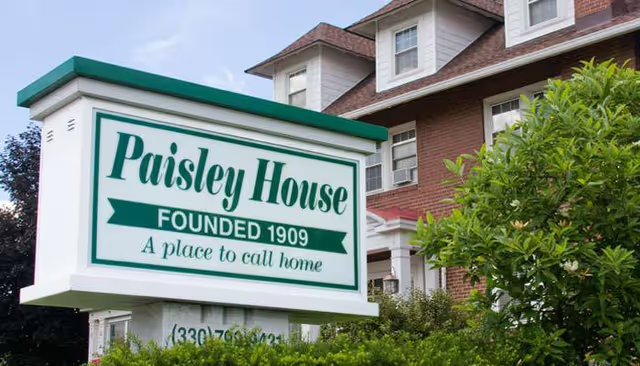
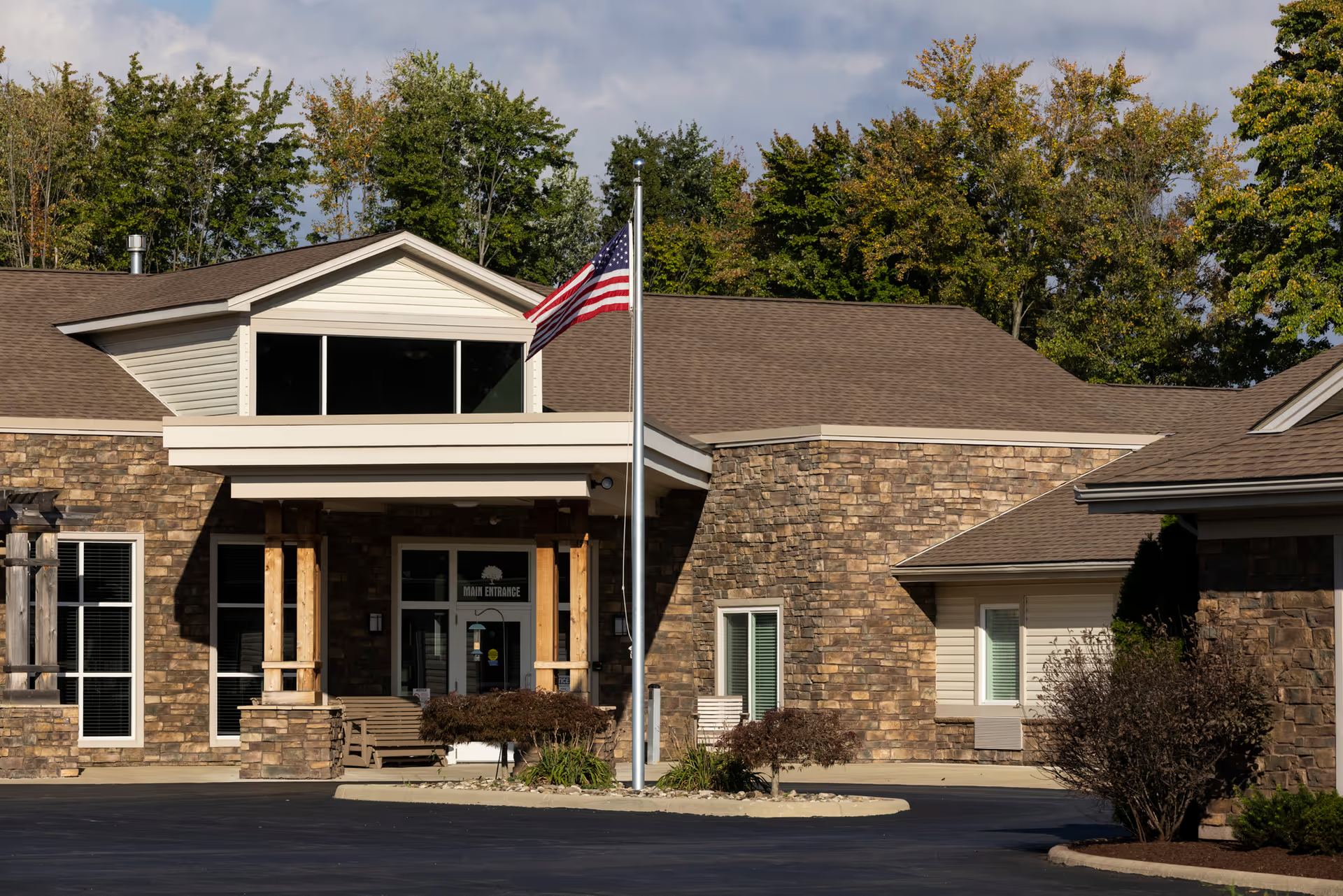
Overall sentiment across these summaries is strongly positive, with multiple reviewers emphasizing a warm, home-like environment, hands-on leadership, and attentive staff who form personal relationships with residents. The dominant themes are personalized care, a non-institutional atmosphere, and measurable improvements in residents’ wellbeing after moving in. Several reviewers explicitly stated that the move produced positive changes in their loved ones — happier mood, better condition — and recommended the facility to others. Comments such as “hidden gem,” “perfect choice,” and “would recommend” reflect broad satisfaction.
Care quality and staffing are the most frequently praised elements. Reviewers describe a hands-on owner and staff who are kind, engaged, and take time to learn residents’ needs and preferences. The facility is noted for being capable of handling residents with higher care needs, suggesting staff experience and willingness to provide more intensive assistance. One consistent point is that staff engagement feels personal rather than procedural; caregivers are described as making a tangible difference in the resident’s condition and daily comfort.
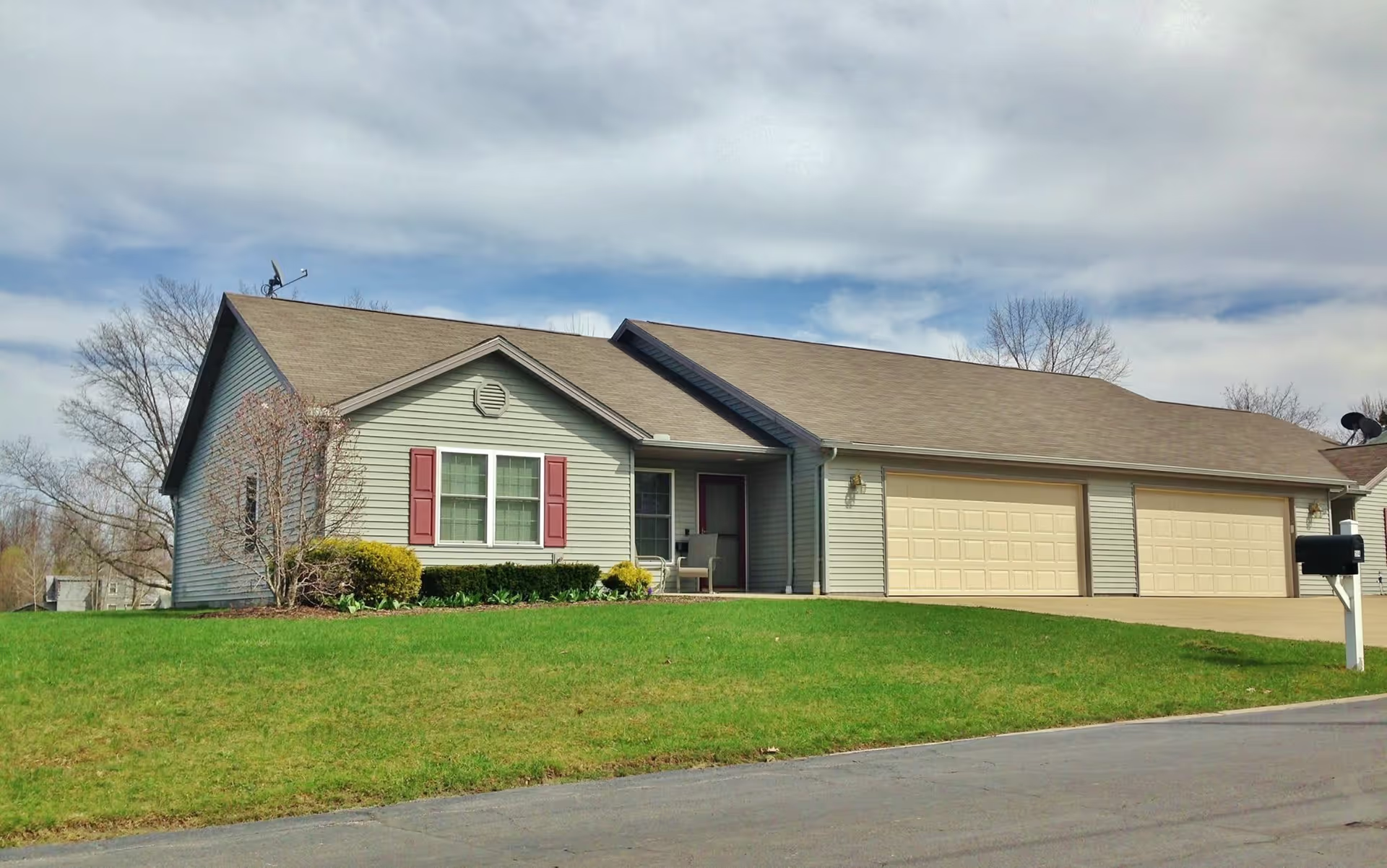
The physical environment is repeatedly characterized as home-like and non-institutional, which many families found comforting. That setting is framed as a major positive — residents feel comfortable and the place feels like a private house rather than a facility. However, the house-like layout also contributes to some practical limitations: several reviewers explicitly mention the absence of private en-suite bathrooms, bedrooms equipped only with a bedside toilet, and no in-room shower. These facility limitations are important for prospective families to weigh, especially for residents who value privacy or require frequent bathing assistance.
There is a small but important note of dissatisfaction: at least one reviewer said they were “not impressed with staff.” While this appears to be an isolated comment against otherwise consistent praise, it signals that experiences may vary and that families should meet staff and observe interactions to confirm fit. Another recurring practical point is the private-pay pricing model. While some reviews call the price reasonable for the quality of care, the private-pay structure can influence affordability and expectations, and should be clarified directly with management.
The reviews do not provide detailed information about dining, formal activities, or structured schedules; instead, multiple commenters highlight the lack of strict rules or routines, which they view positively as contributing to comfort and personalization. Prospective residents and families who prefer a flexible, family-style environment will likely appreciate this approach; those seeking regimented schedules, extensive amenities, or institutional services may find the model less aligned with their preferences.
In summary, the aggregated reviews paint a picture of a small, privately run, compassionate setting where leadership is actively involved and staff deliver personalized, effective care in a home-like environment. The major trade-offs are physical amenities — notably the lack of private bathrooms and in-room showers — and the variability inherent in smaller, house-like operations. For families prioritizing warmth, individualized attention, and demonstrable improvement in a loved one’s mood and condition, this facility is frequently recommended. For those whose priorities include private en-suite facilities, more formalized services, or strict institutional routines, it will be important to confirm specifics with management and tour the home before deciding.