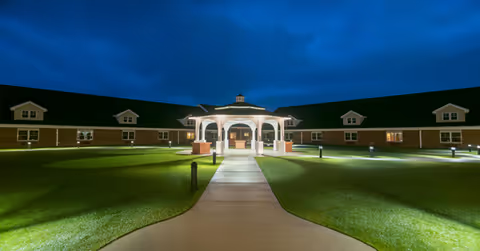
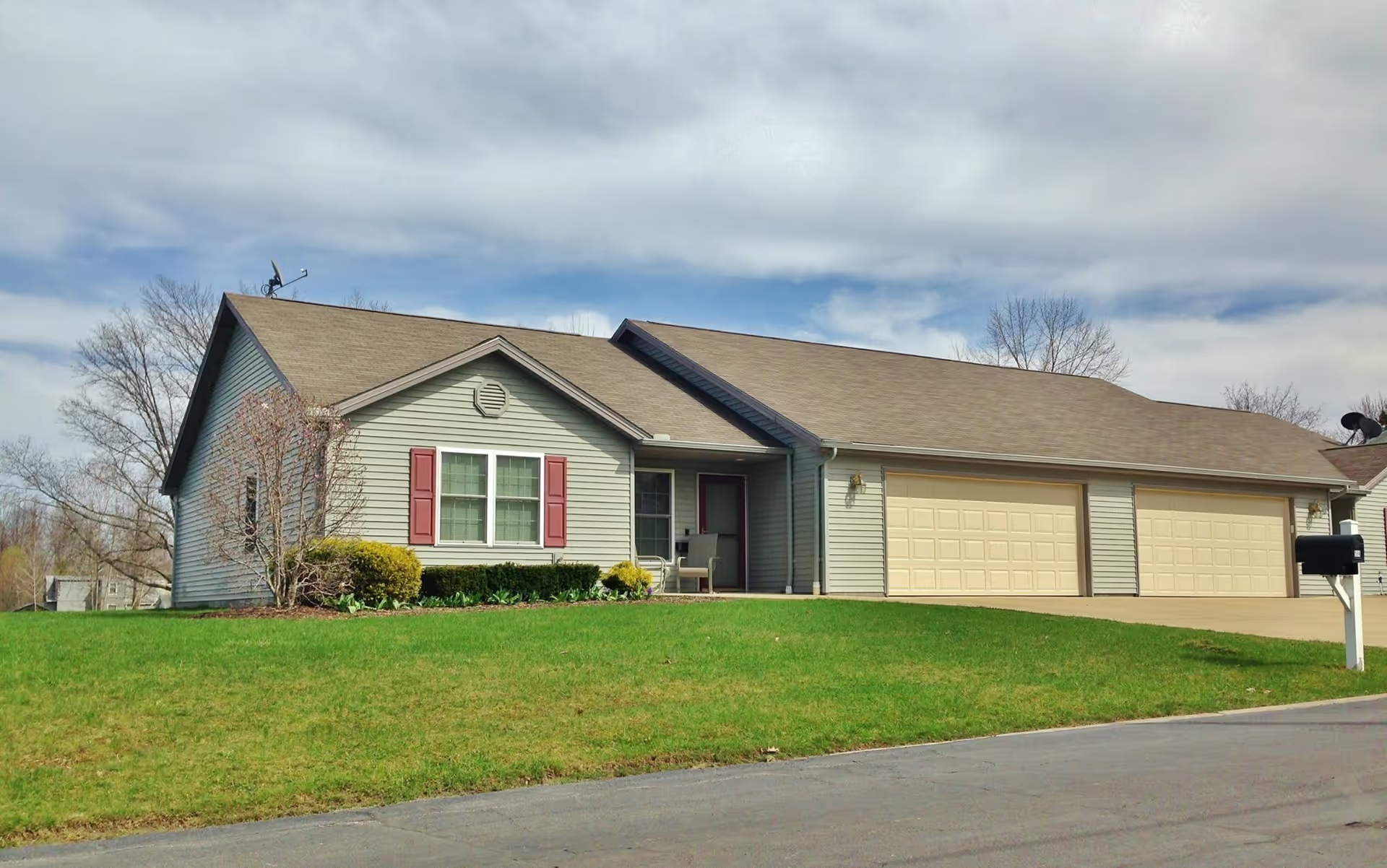
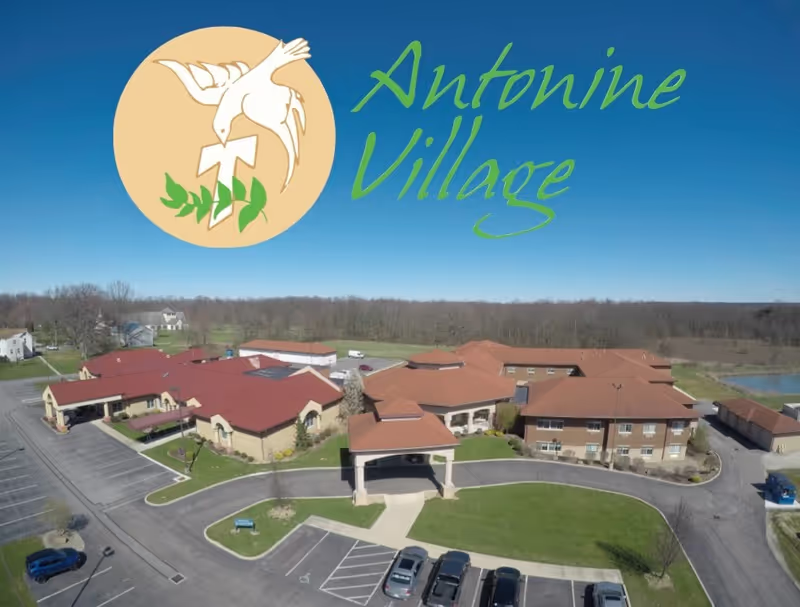
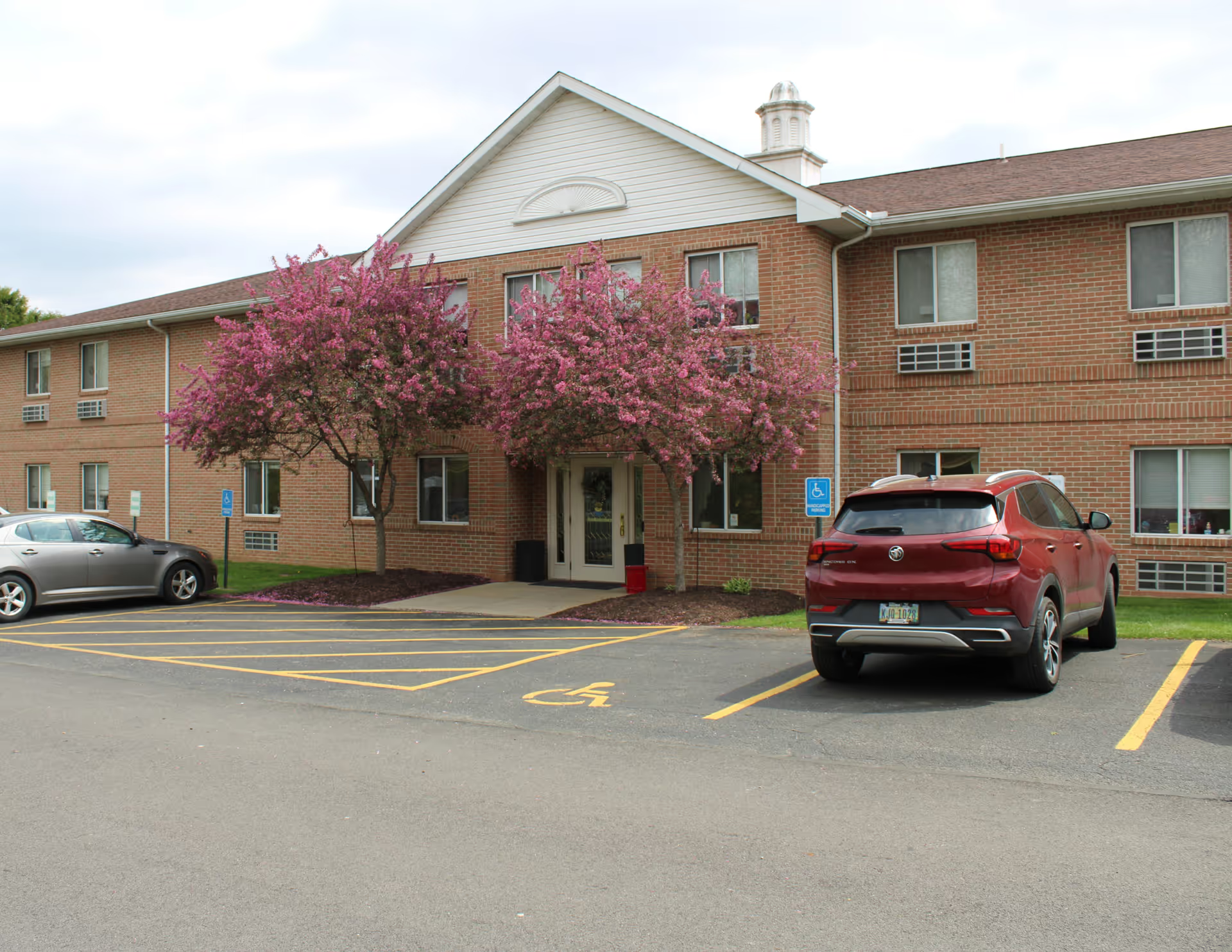
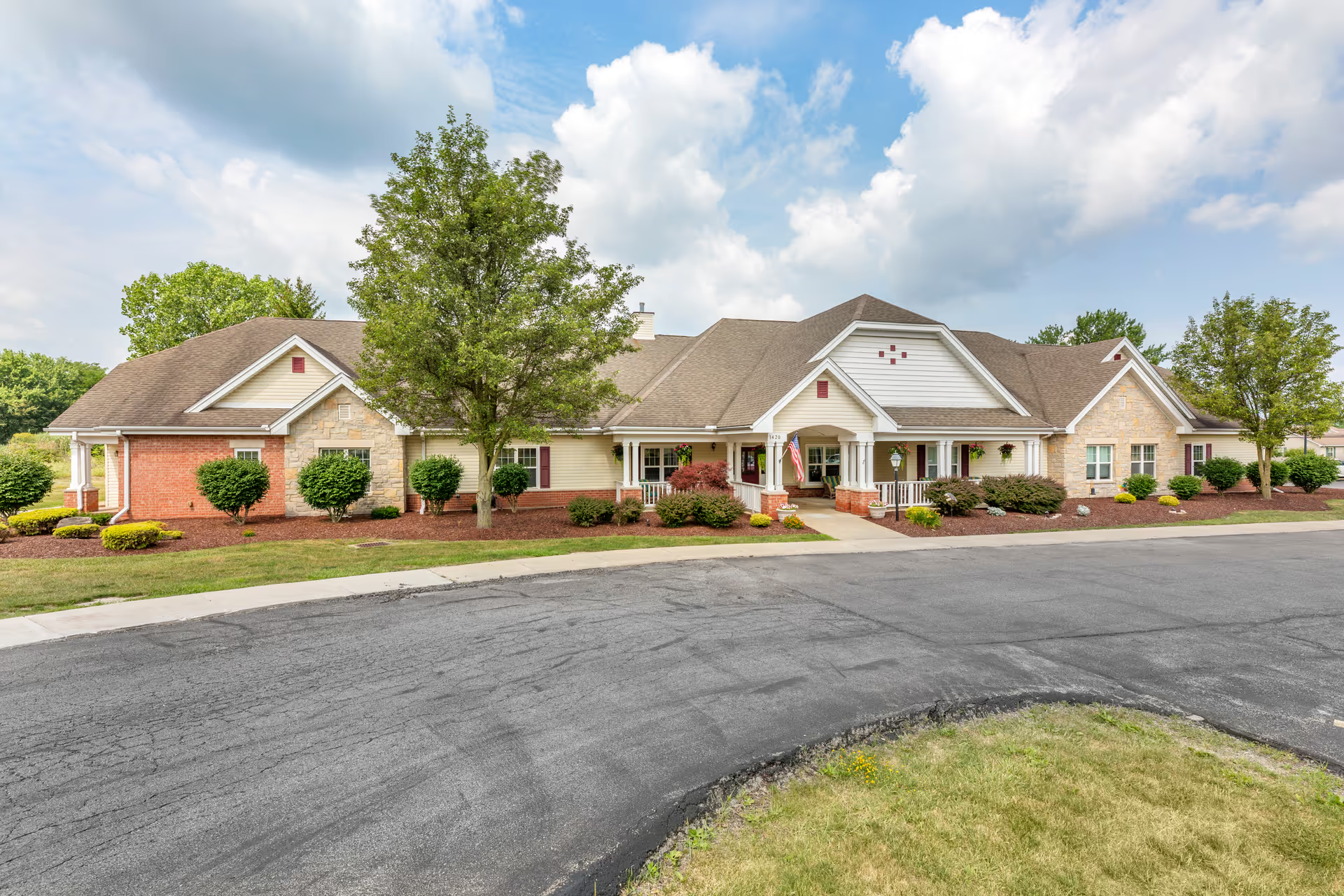
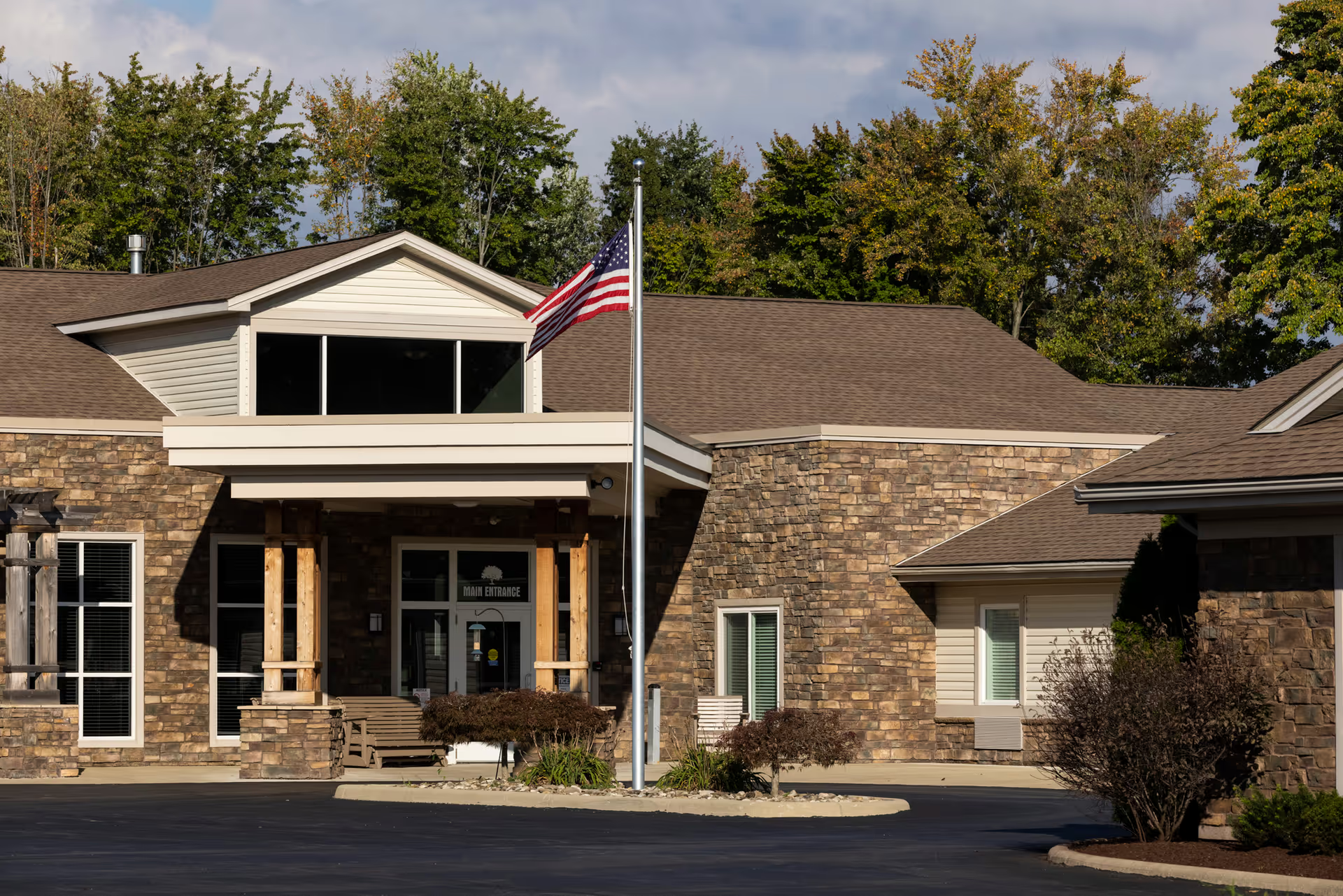
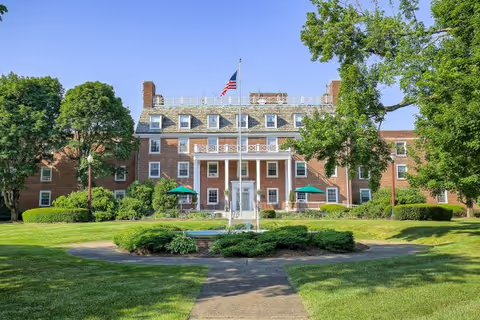
Shepherd of the Valley – Howland presents as a well-maintained, campus-style senior living community with a mix of private, condo-style apartments and multiple shared amenities. Reviewers consistently note attractive, cozy interiors, seasonal decor, secure locked doors, and reliable grounds maintenance including snow removal and landscaping. The facility offers a cafeteria/restaurant dining area with multiple dining rooms, meal-delivery options, laundry services, an attached garage, and a range of recreational spaces such as a library, game room, chapel/auditorium, fitness room, and private party rooms. The community supports a continuum of care that includes rehabilitation and longer-term skilled care on-site.
Accounts of staff and caregiving are mixed. Many families and co-workers describe compassionate, friendly, and helpful staff members across administration, nursing, and maintenance; staff are praised for resident engagement, humor, and supportive interactions. The facility has a 24/7 call-bell/buzzer system and is able to provide routine supportive services. However, a notable pattern of inconsistent personal-care delivery emerges in other accounts: irregular bathing, gaps in oral-care routines, assistance with dressing, and variability in daily follow-up were all cited. Several reviews link these care inconsistencies to staffing shortages, turnover, and worker burnout, and some describe delays in responding to call lights or urgent needs.
Dining and housekeeping receive generally positive remarks for atmosphere and availability, with the convenience of in-room meal delivery and flexible seating. At the same time, there are operational concerns about food quality consistency and isolated food-safety or sanitation issues. Facility cleanliness is often praised, but several reviews raise sanitation and odor concerns in particular areas and note instances that suggest lapses in food- or beverage-handling controls.
Activities and social life are strengths: residents are described as active and engaged with a schedule that includes bridge, get-togethers, holiday events, and fitness opportunities. Physical spaces for recreation, private gatherings, and worship contribute to a social environment. Nevertheless, some residents and families find the private living spaces and bathrooms relatively small, and there is no dedicated memory-care unit for residents requiring specialized dementia services.
Management and communication surface as a recurring theme. Positive reports note supportive administration and staff who value resident care, but negative accounts describe gaps in family communication, perceived dismissiveness from certain managers, inconsistent follow-up, and front-desk coordination problems affecting visitor access. Infection-control policy enforcement (for example, mask use) and uniform application of rules have been described as inconsistent. Several reviewers also raised concerns about rehabilitative expectations and outcomes—families seeking walking or mobility improvements did not always observe the expected progress.
Overall, the facility offers many tangible strengths in environment, amenities, and pockets of excellent staff-driven care. The chief operational risks identified by reviewers are inconsistent personal-care delivery and responsiveness linked to staffing and management challenges, variable dining and sanitation practices, and limited specialized memory-care capacity. Prospective residents and families may benefit from direct inquiry about current staffing ratios, care protocols for bathing and oral care, infection-control policies, rehabilitation goals and metrics, dining quality controls, and observation of care routines during a visit to evaluate consistency and responsiveness.