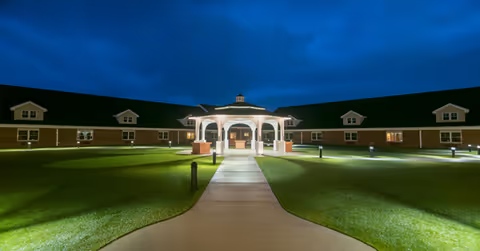
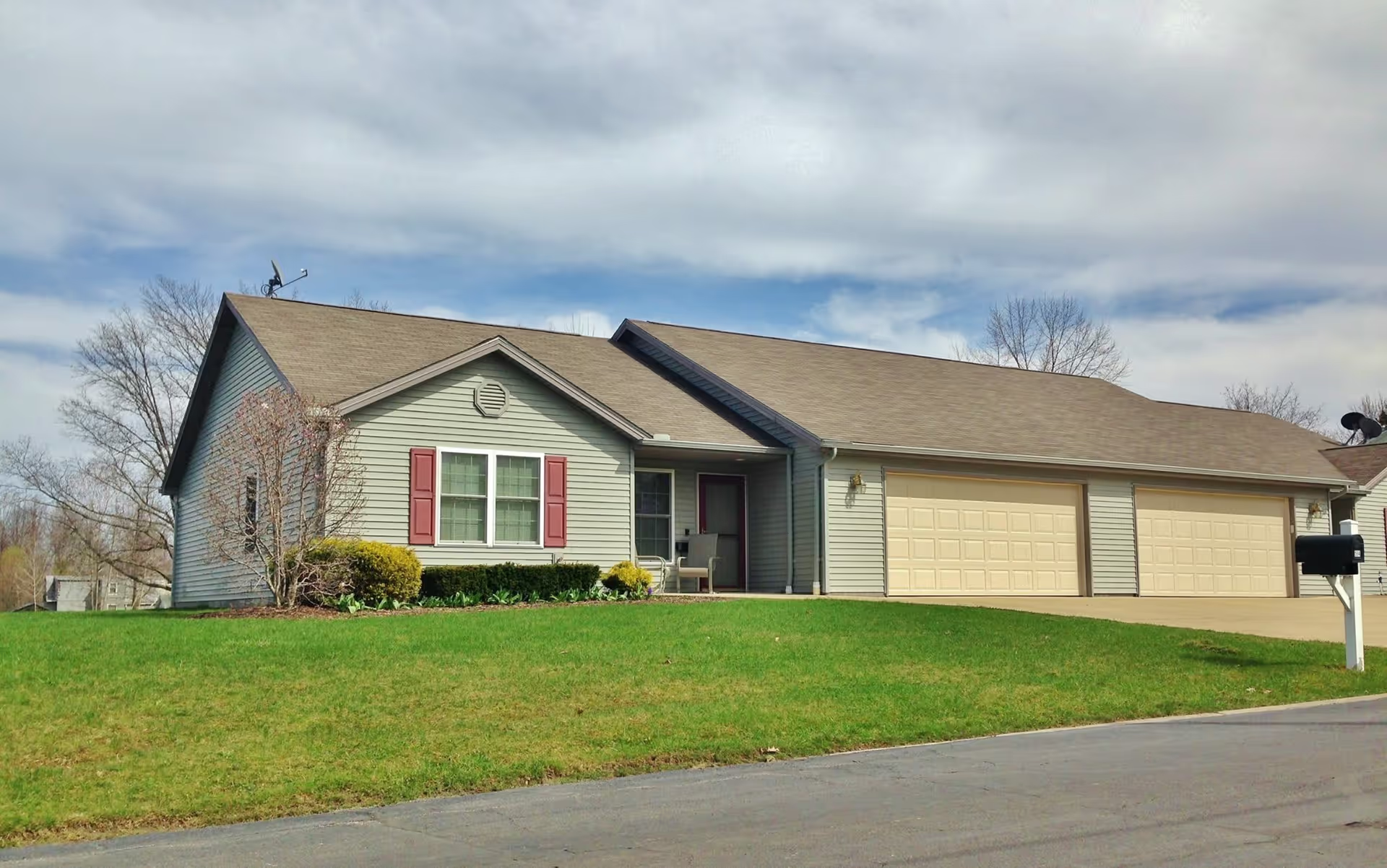
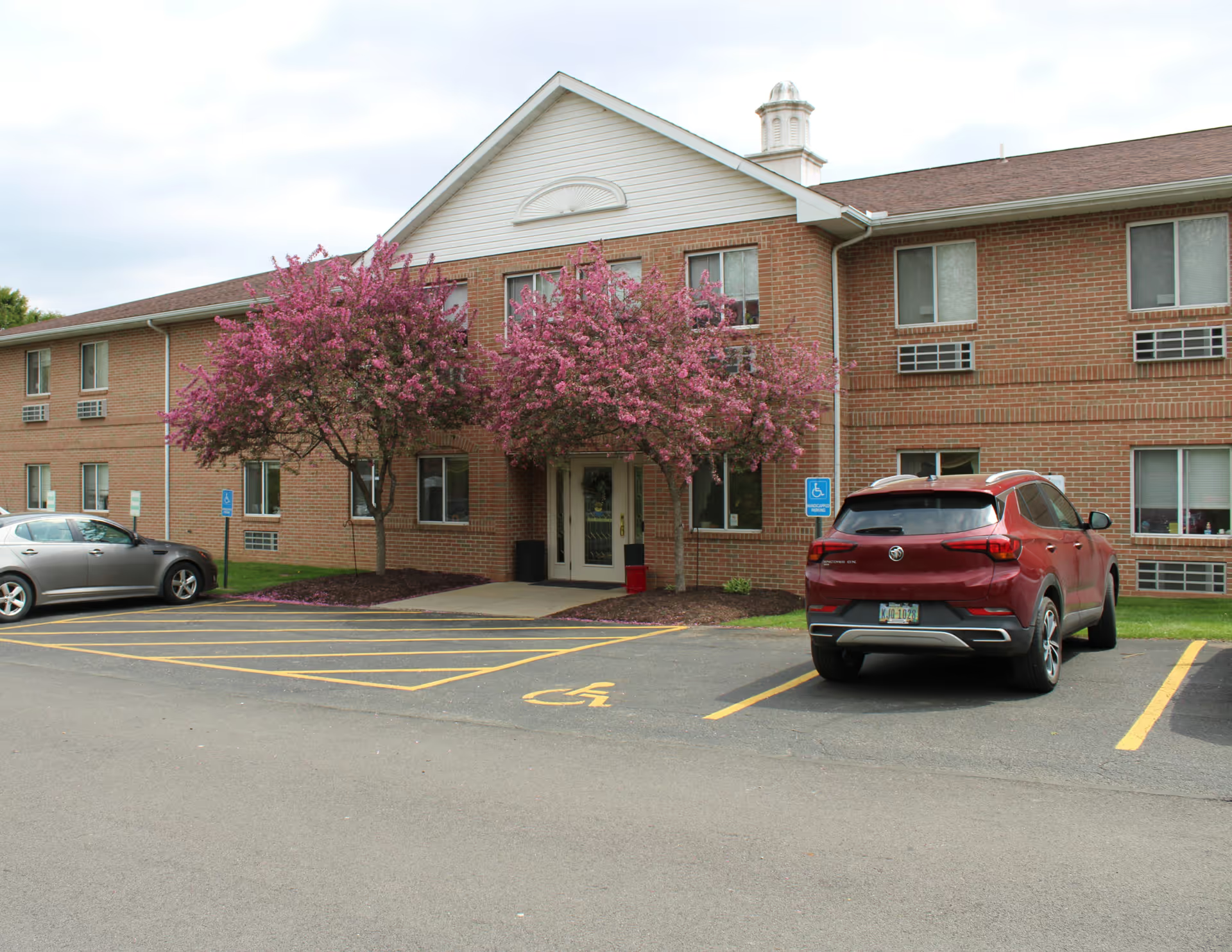
Washington Square Healthcare presents a mixed picture: reviewers include strong endorsements of clinical and rehabilitative strengths alongside repeated operational concerns. Positive commentary centers on thoughtful clinical teams, robust therapy and rehab programming, and a clear emphasis on veteran-centered services and VA affiliation. Several families describe warm greetings, a well-appointed lobby and dining room, and comfortable, home-like resident rooms. The facility has received longstanding recognitions, and many reviewers highlight engaged activity programming, respite and hospice availability, and areas where housekeeping and reception staff perform well.
Care quality appears variable across shifts and units. Numerous accounts describe attentive, proactive nurses and aides who communicate with families and adapt care plans; conversely, other accounts describe delays in responding to call lights, lapses in monitoring (for example, blood-sugar and other clinical checks), and concerns about medication-safety processes. These differences point to inconsistent staffing levels and uneven clinical oversight as primary drivers of variability in resident experience. There are specific family concerns related to timely attention after falls and to transfer safety, which suggest opportunities to strengthen fall-prevention protocols and equipment maintenance.
Staff behavior and communication are another polarizing area. Many reviewers praise compassionate, family-inclusive caregivers and strong management when present; others report instances of perceived inattentiveness, unprofessional conduct, or inadequate identification of staff roles. Phone responsiveness, call-station monitoring, and timely family notification of clinical changes are recurring themes for improvement. An allegation involving boundary-crossing behavior was also raised; such claims underscore the need for consistent staff accountability and clear visitor/interaction policies.
Dining and nutrition receive mixed feedback. The facility offers an inviting dining atmosphere and therapeutic meal services, but some reviewers reported repetitive menus, inconsistent adherence to prescribed diets (for example, diabetic meal plans), and dissatisfaction with texture-modified food preparation. Strengthening menu variety and ensuring dietary orders are consistently followed would address several families' concerns.
Facilities and cleanliness likewise show a split: many reviewers find common areas clean and well-maintained with respectful tributes to veterans, while others point to sanitation lapses, pest-control concerns, and room-level deep-cleaning needs. Housekeeping performance appears uneven across units, suggesting targeted quality checks could improve consistency. The physical environment, when well maintained, supports rehabilitation and social engagement; when maintenance lapses occur, they contribute to safety and dignity concerns.
Management and responsiveness present a contrasted view. Positive reports describe engaged leadership, continuous-improvement efforts, and supportive family partnerships. Negative accounts focus on slow administrative responses to complaints and concerns about escalation to external authorities. Taken together, the pattern suggests a facility with significant strengths—particularly in rehabilitation, veteran services, and pockets of strong caregiving—but with operational variability that affects family confidence. Prospective residents and families should weigh the facility’s veteran-focused services and therapy capabilities against the documented variability in staffing consistency, communication practices, dietary and hygiene routines, and administrative follow-through. Visiting in person, asking about current staffing ratios, fall-prevention protocols, dietary procedures, and complaint-escalation pathways will help clarify how these patterns apply to particular units or rooms.