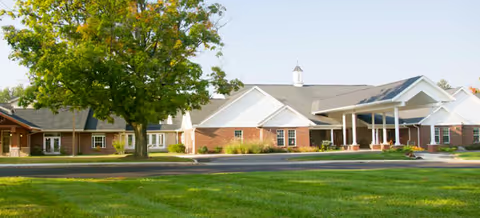
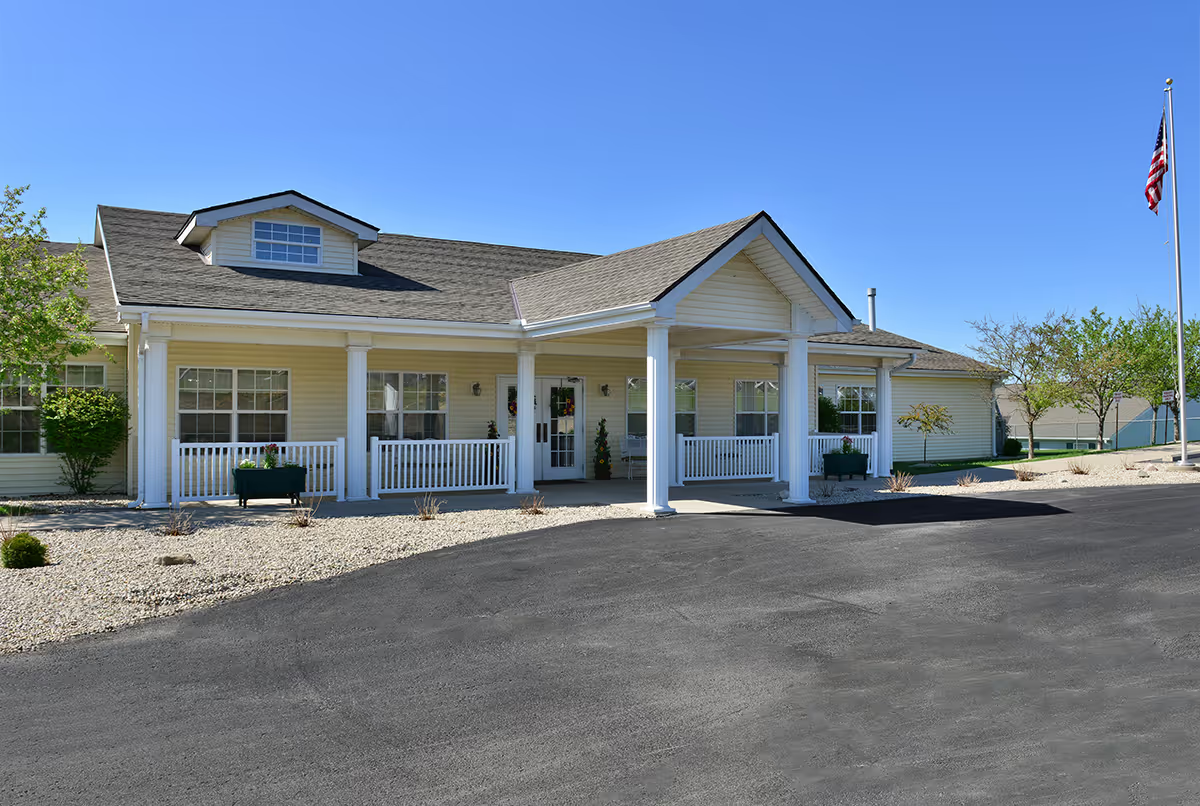
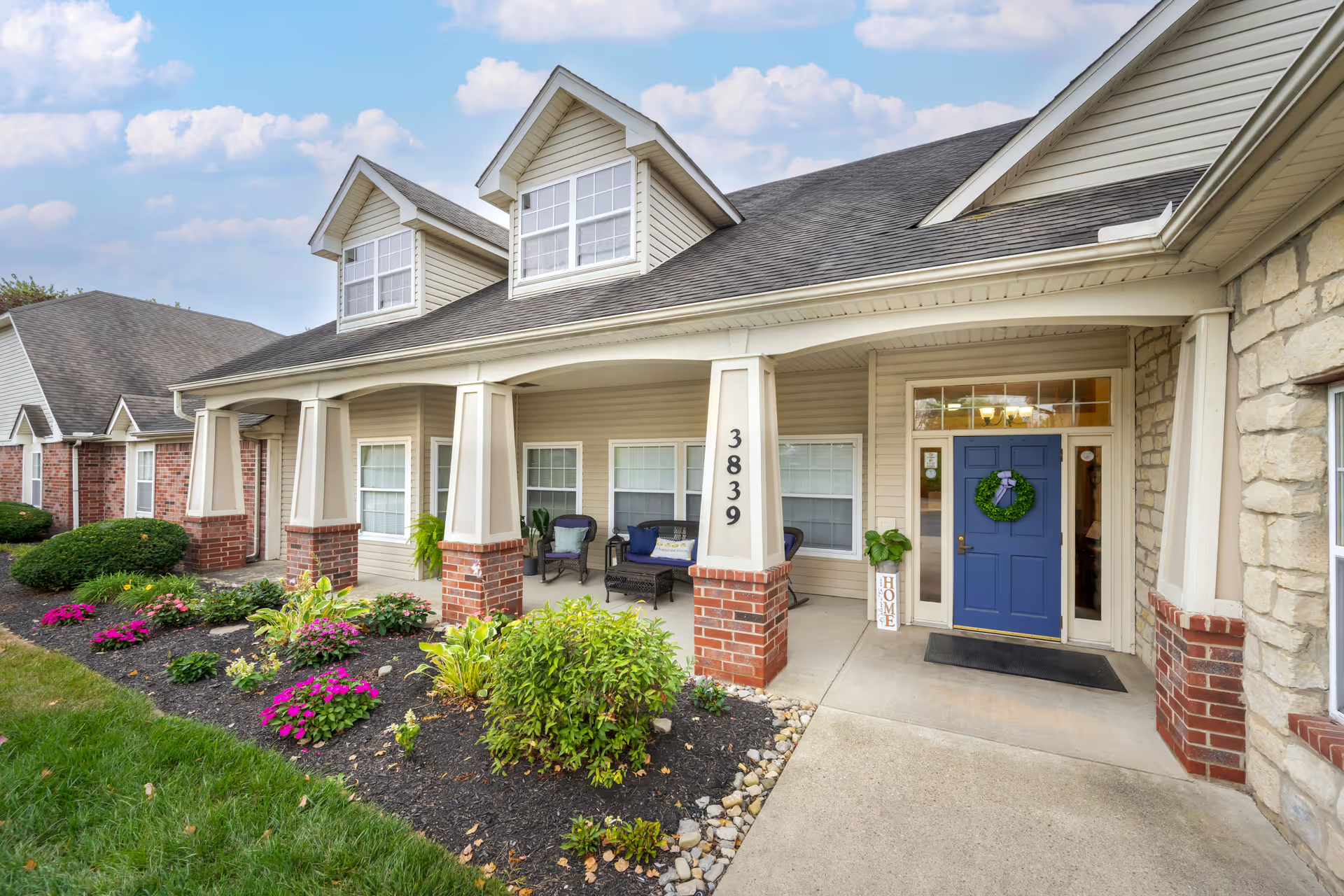
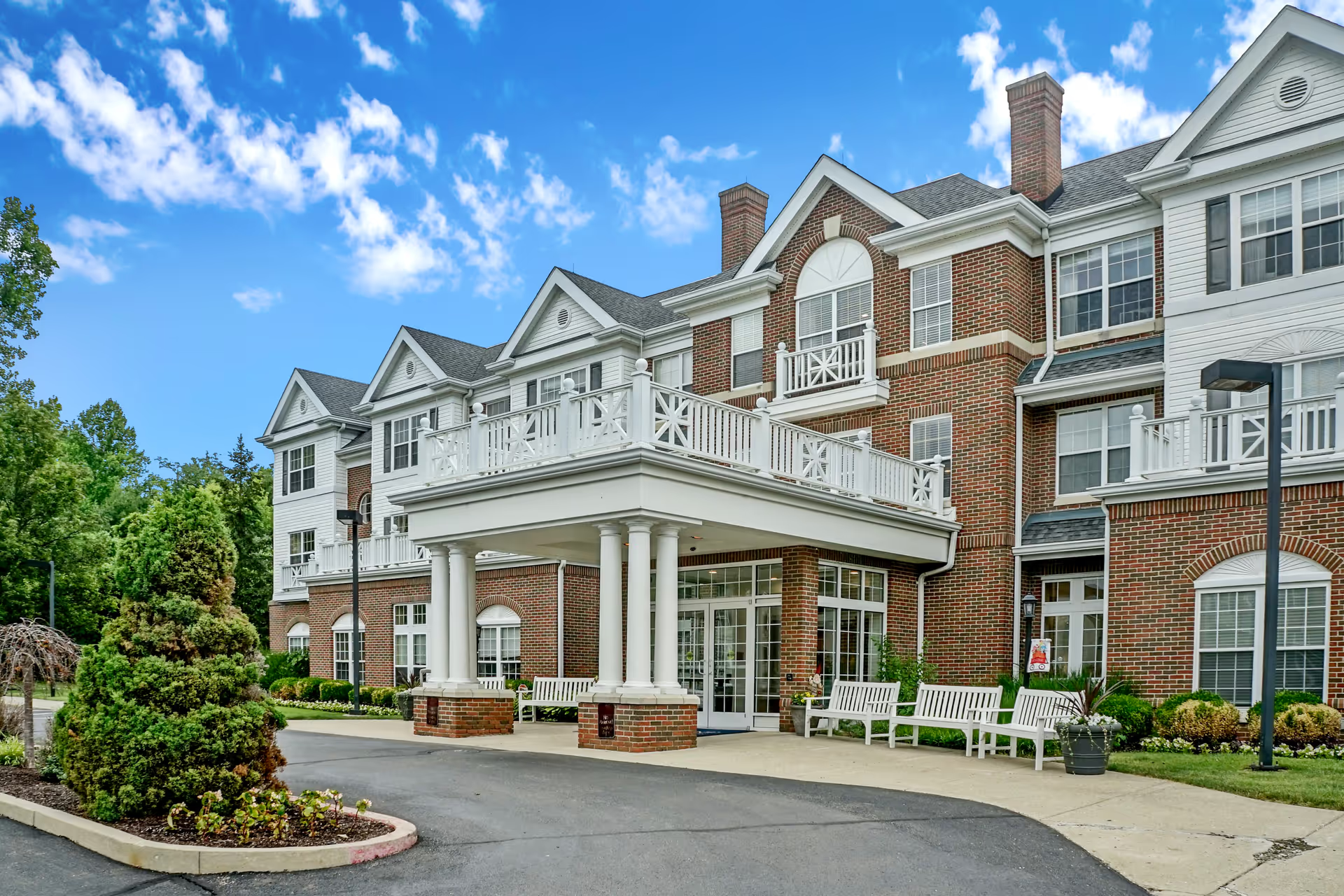
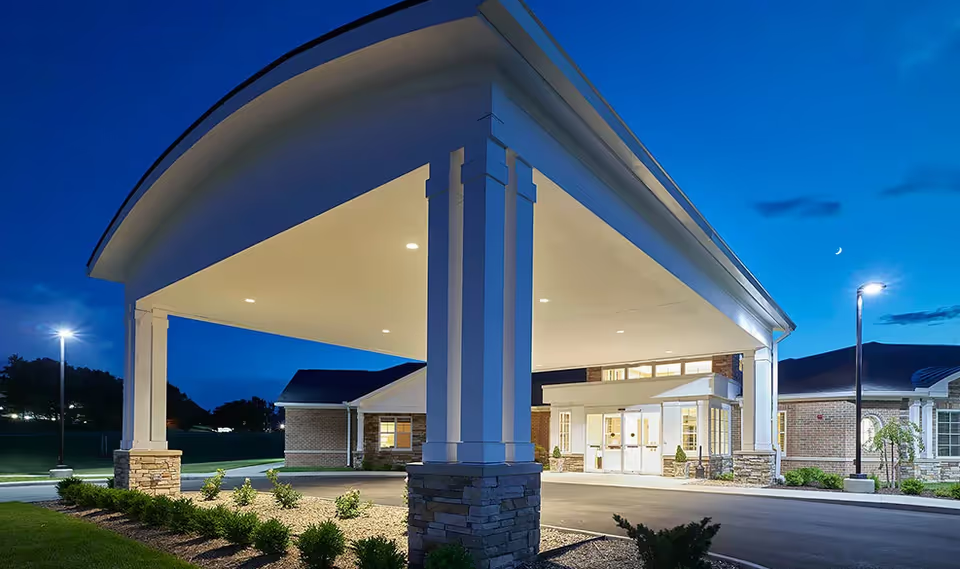
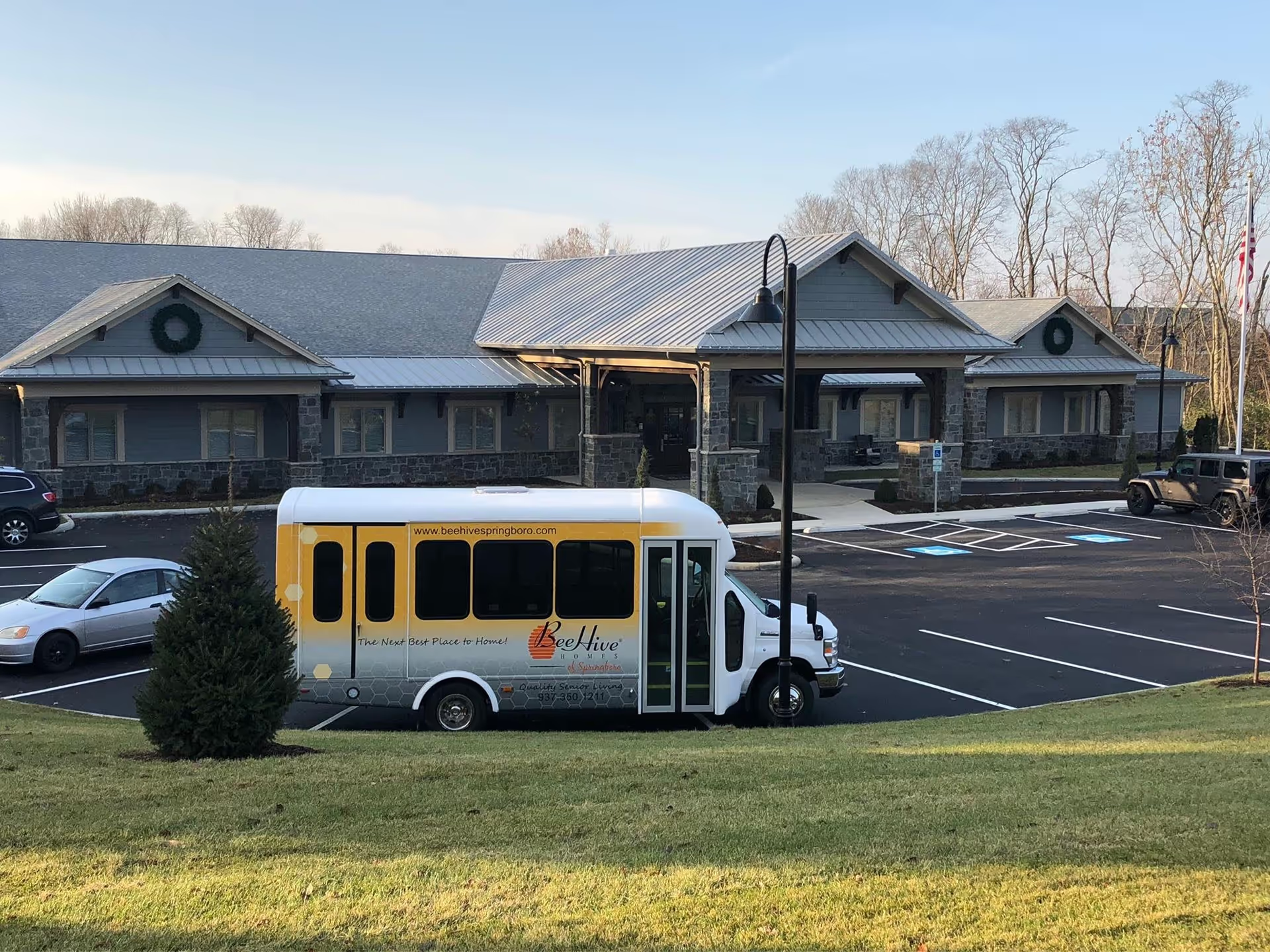
Ohio Living Cape May presents as a well-kept, campus-style community with a strong continuum of care. The physical plant and grounds are frequently described as attractive and professionally maintained; villa-style independent living units, large common areas, walking paths, courtyard and pond, and seasonal decorations create a residential, park-like setting. The facility supports aging-in-place with independent villas, assisted living units, a central skilled-care building, and an on-campus rehabilitation unit, which many families credit for successful recovery outcomes and smooth transitions between levels of care.
Clinical and rehabilitative services are a clear strength. Reviewers consistently praise the physical and occupational therapy teams for effective, goal-directed programs and for helping residents regain mobility and independence. Nursing and aide staff are commonly described as caring, compassionate, and attentive; many accounts emphasize quick responses to issues, personalized care, and a family-like atmosphere. Maintenance and facilities teams receive positive notes for prompt repairs and move-in preparation. Emergency call systems and in-room conveniences such as washers/dryers and furnished kitchens are also appreciated.
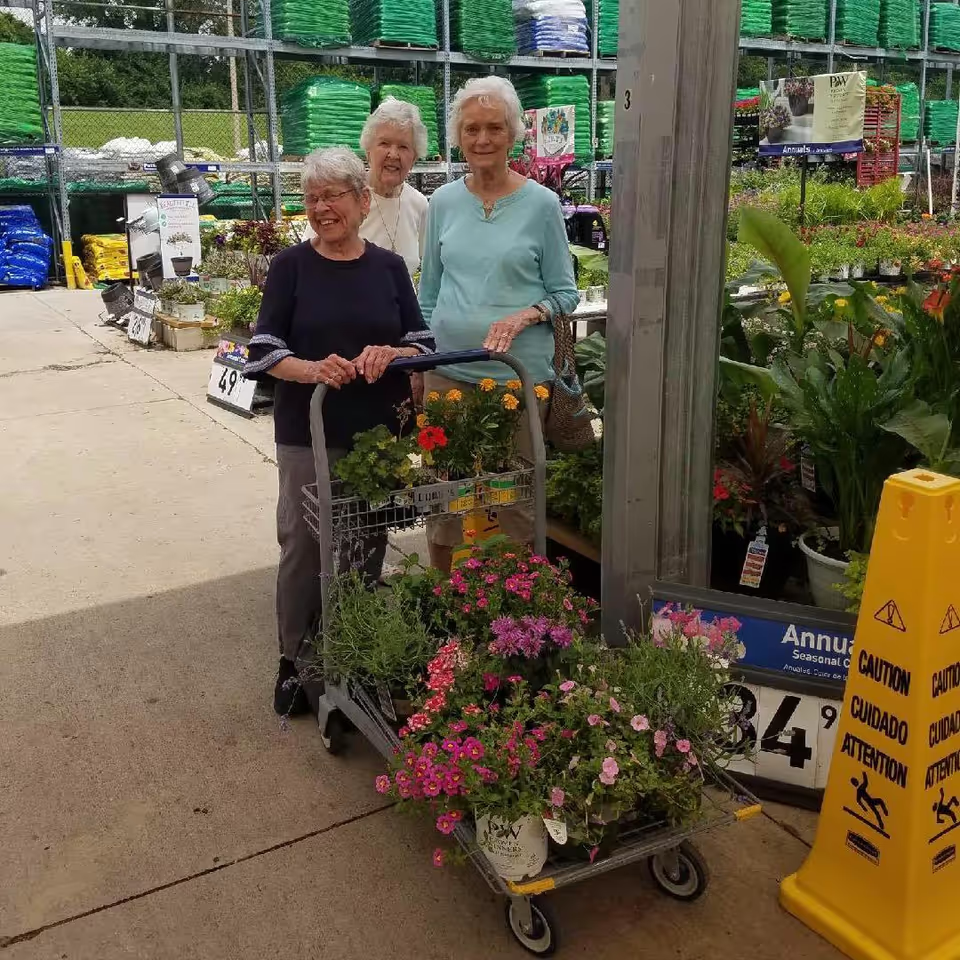
Dining and activities receive mixed but generally positive remarks. Meals are often described as good and accommodating of special dietary needs, and activity programming is varied (board games, movies, crafts, concerts, outings). Families and residents value the social environment and opportunities to make friends. However, reviewers indicate variability in food quality and continuity of meal service—pandemic-related changes and periodic staffing shortages have sometimes limited dining access, especially for villa residents. Programming for residents with sensory impairments (for example, vision loss) is an identified gap.
Operational and management patterns show both responsiveness and areas for improvement. Many reviewers report that staff and administrators resolve issues quickly and go above and beyond during transitions and crisis periods (including the pandemic). At the same time, the community appears affected by staffing shortages and turnover that produce inconsistent service levels. Communication lapses, occasional rudeness or unhelpful interactions, and uneven family communication are recurring themes. Parking logistics and accessible-parking enforcement, plus event guest-management processes, have been described as problematic. There are also mentions of sanitation and food-storage oversight gaps in communal refrigeration that management may need to address.
Cost and policy concerns surface repeatedly. Monthly fees are viewed as high by some families, and there are comments about rising costs and occasional confusion about charges; one-theme reviewers cited strict or inflexible administrative rules related to aides and relocation. A small number of serious allegations were raised regarding discharge and resident-relocation decisions; these are atypical within the broader set of reviews but noteworthy and warrant direct inquiry by prospective residents or families.
Overall, Ohio Living Cape May is characterized by strong rehabilitative care, an attractive campus, and many staff members who create a supportive, community-focused environment. Prospective residents should weigh those strengths against operational considerations: confirm current staffing levels, meal-service arrangements for villa residents, parking/accessibility procedures, programming for sensory-impaired residents, and detailed cost/contract terms during the tour and contract review process.